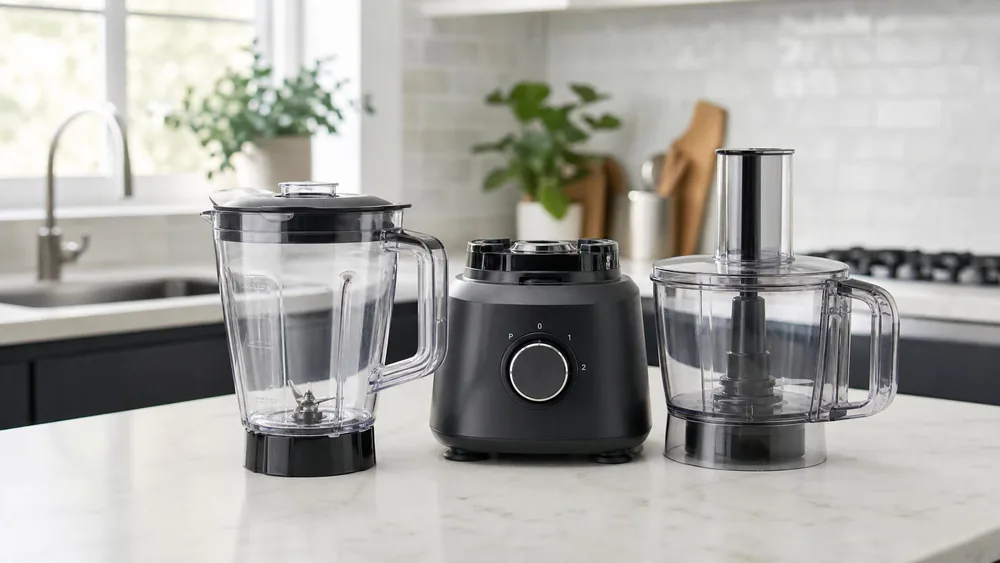
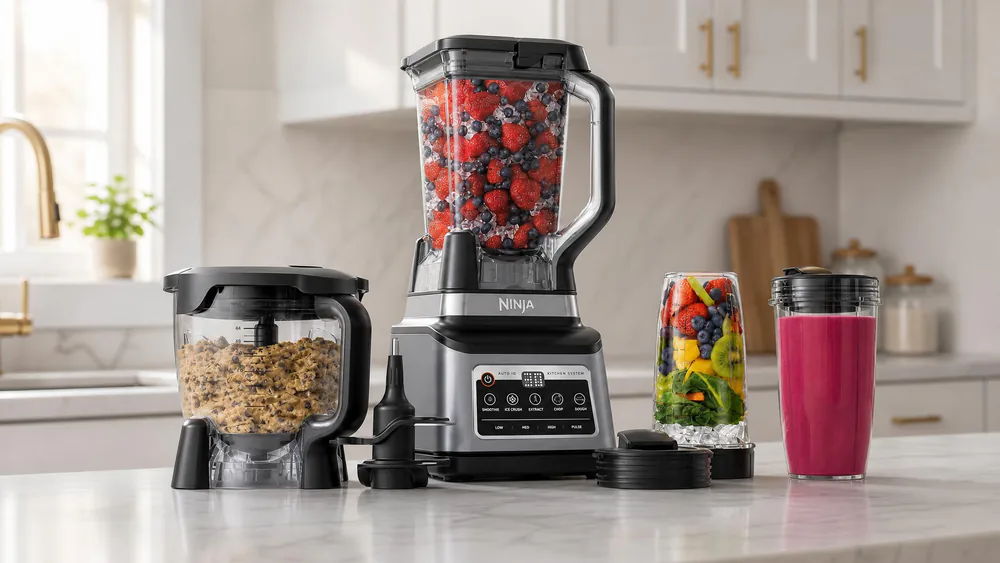
Choosing a combo means choosing two machines on one budget, so the criteria differ from a plain blender buy. The five points below decided our rankings.
Motor Power and Wattage
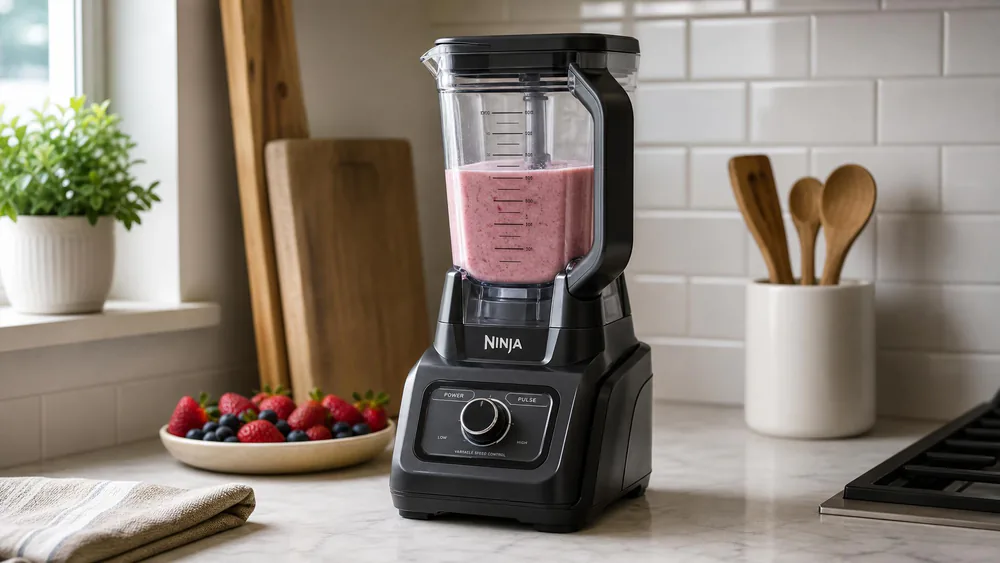
For true combo duty, 1,200 watts is the line to shop. The 700 to 1,000-watt range handles soft-fruit smoothies and sauces, while 1,400 to 1,800 watts adds headroom for dough and heavy ice. Below that line, treat the processor side as a chopper.
Pitcher and Bowl Capacity
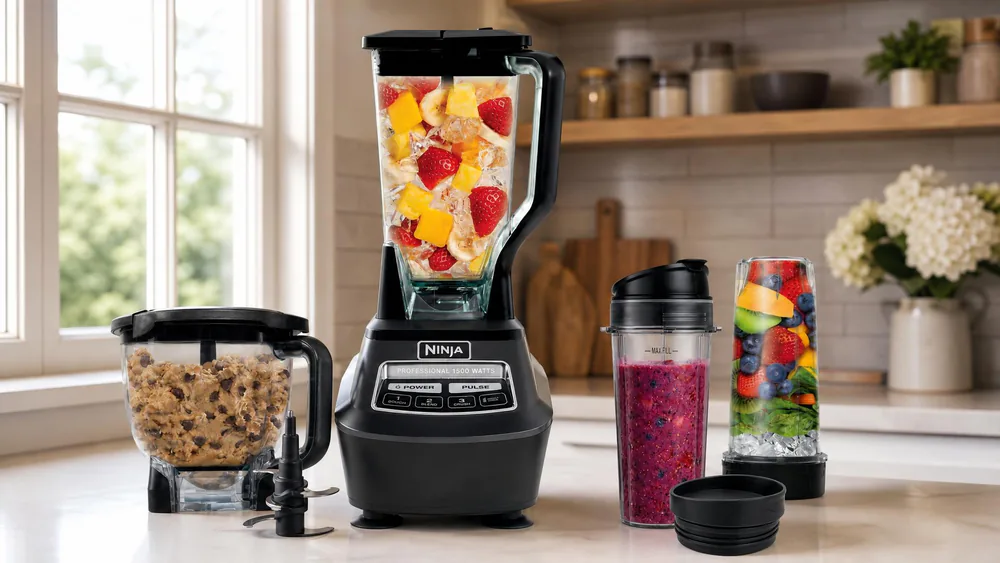
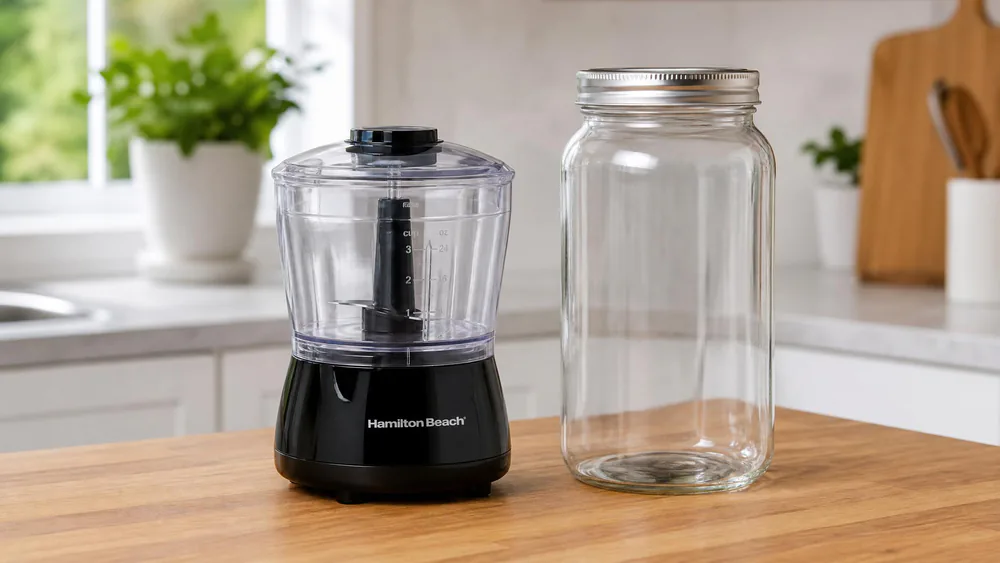
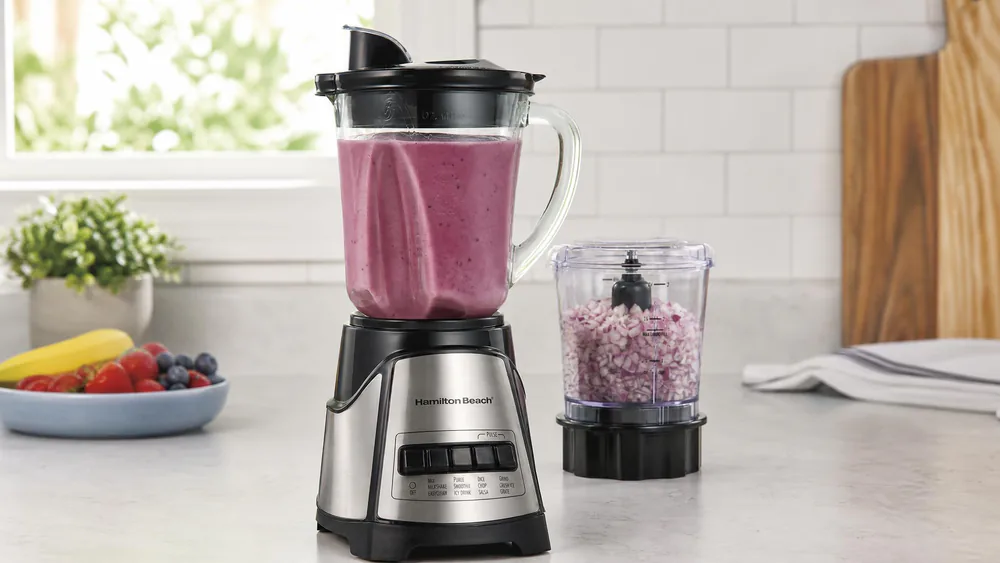
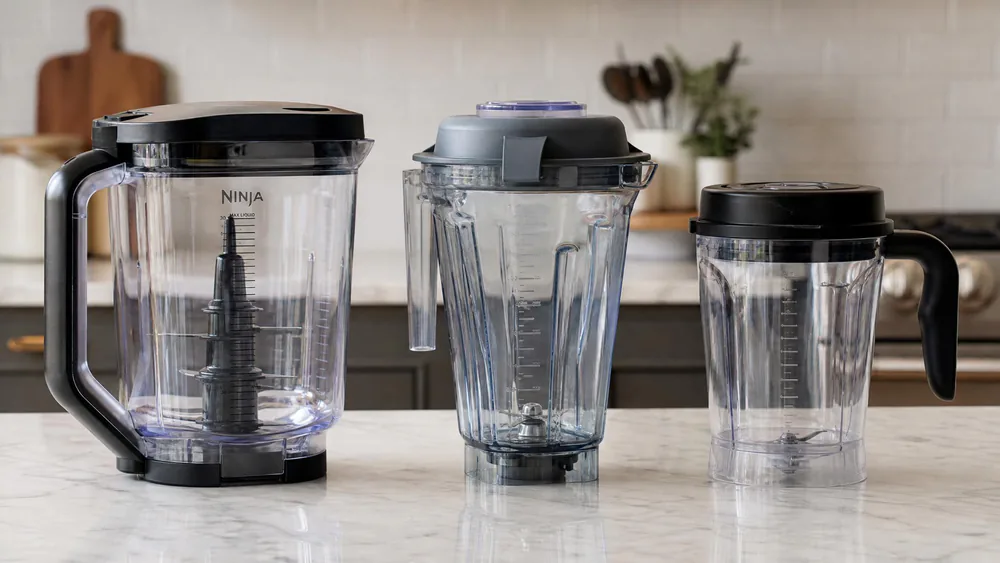
Blender pitchers run from 40 to 72 oz, and processor bowls from a 3-cup mini chopper to a 12-cup. A 72-oz pitcher with a 64-oz max liquid capacity covers a family's smoothies in one batch, while a 3-cup chopper fits singles. Match capacity to the household, because a machine that is too small gets used less.
Blending vs. Food Processing: Know Your Priority
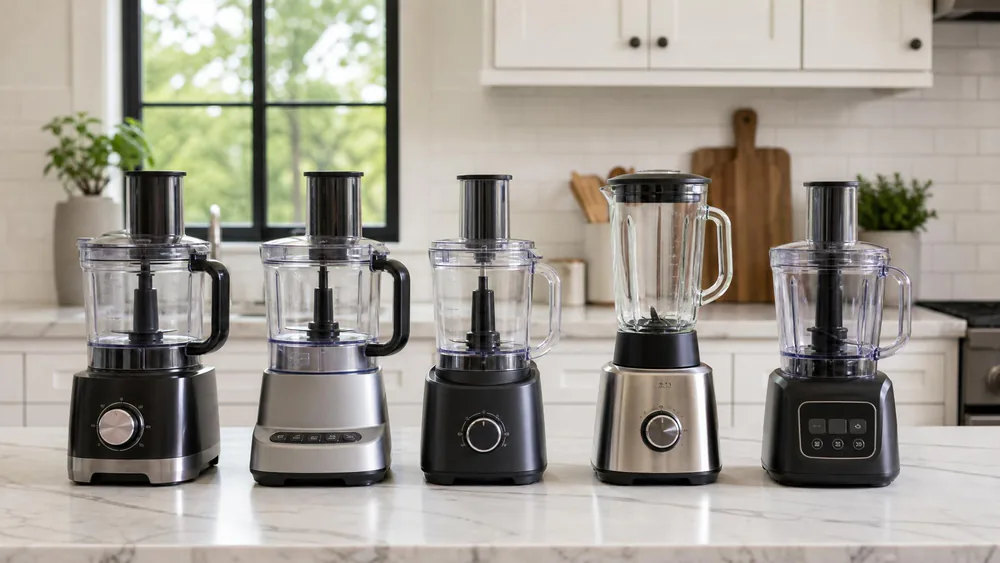
Decide which half you will use more before comparing wattage: a blender spins fast and loose for liquids, while a processor works slowly and deliberately on solids. The best food processors still make poor smoothies, and the best blenders still struggle to shred carrots. Blend daily and process occasionally, and buy blender-first; shred and slice weekly, and make sure the processor side carries real discs.
Attachments and Versatility
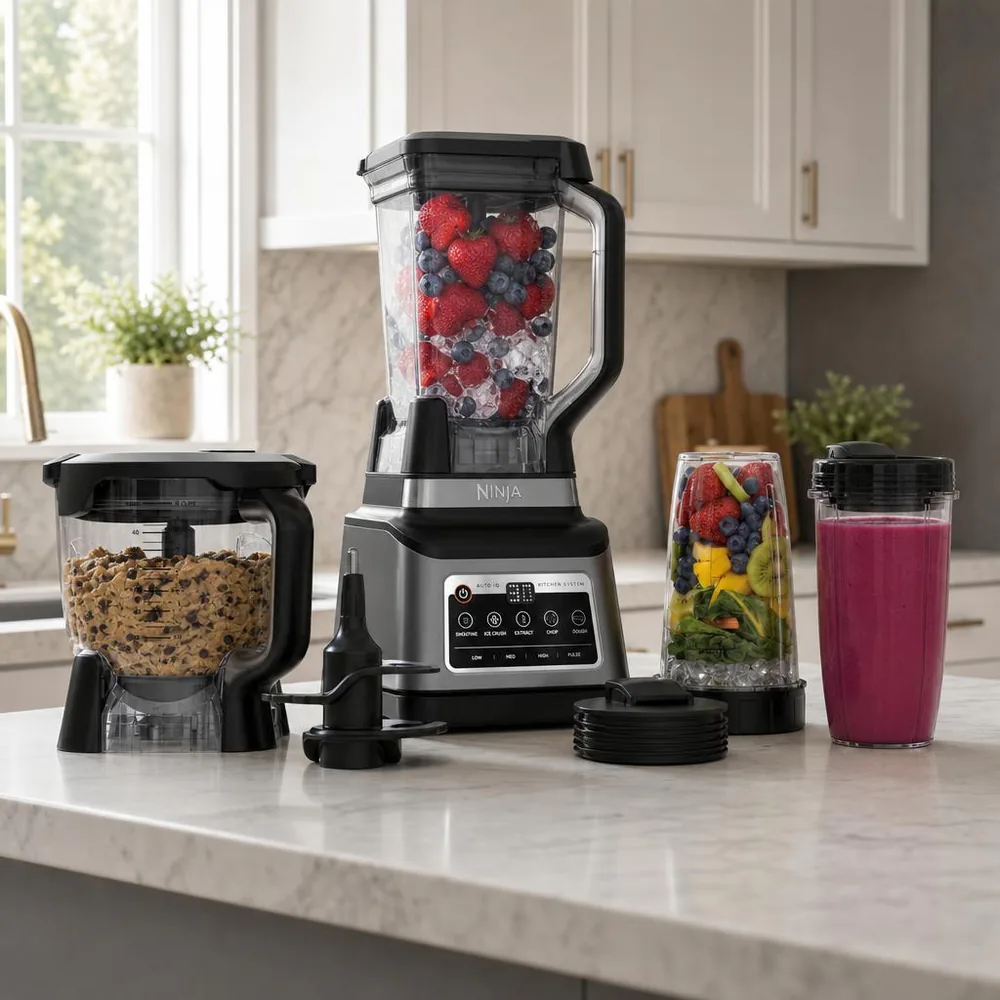
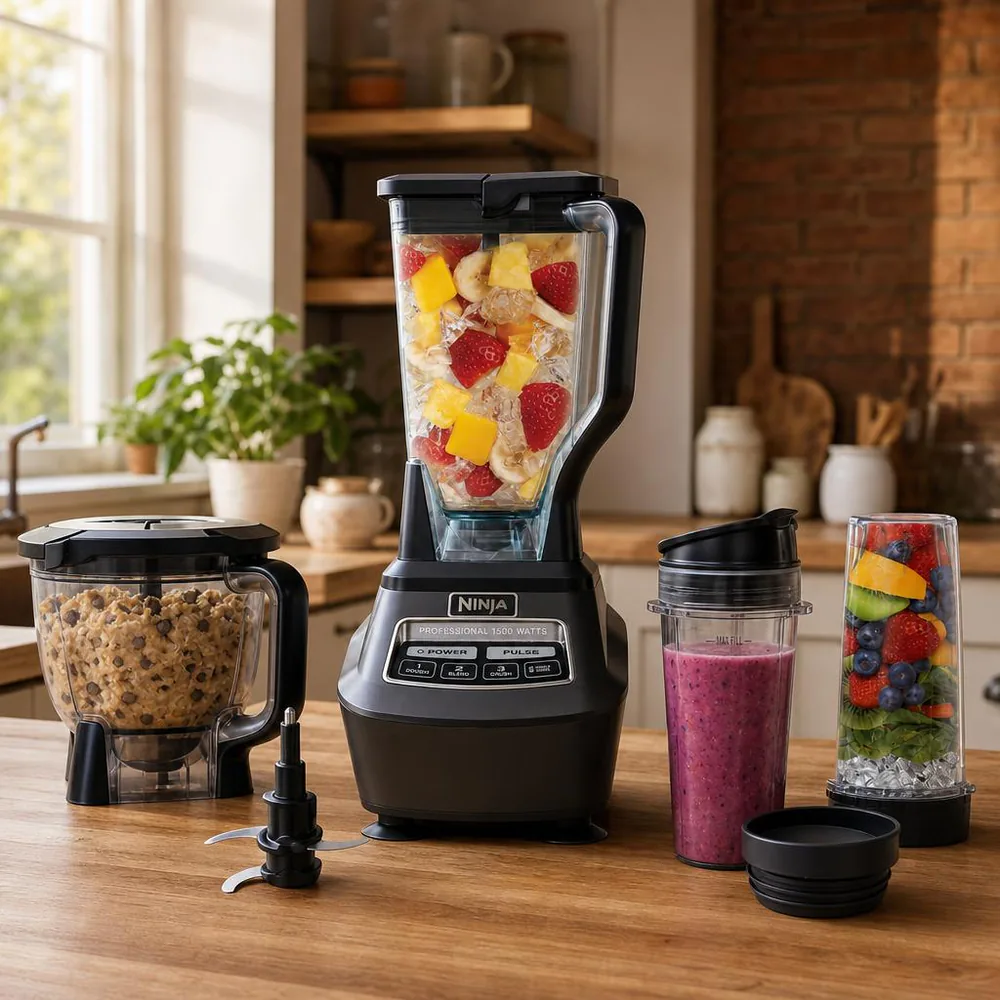
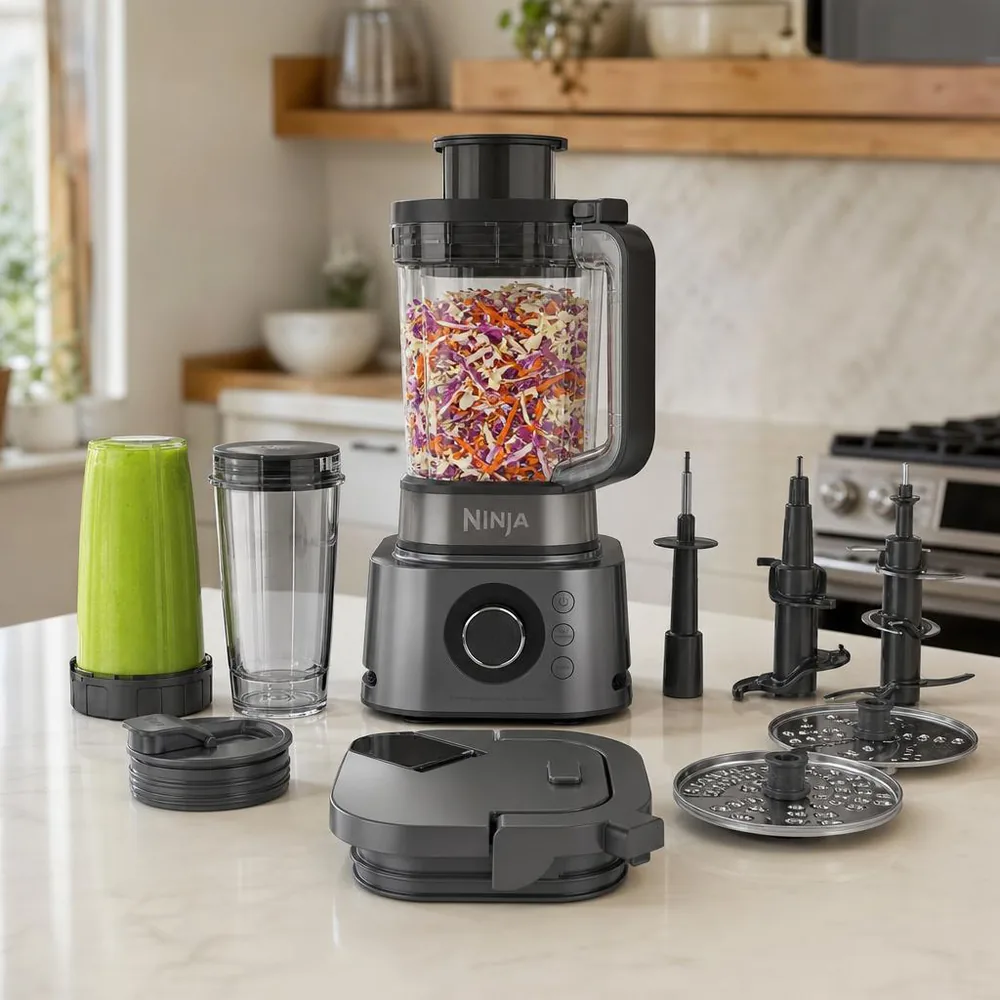
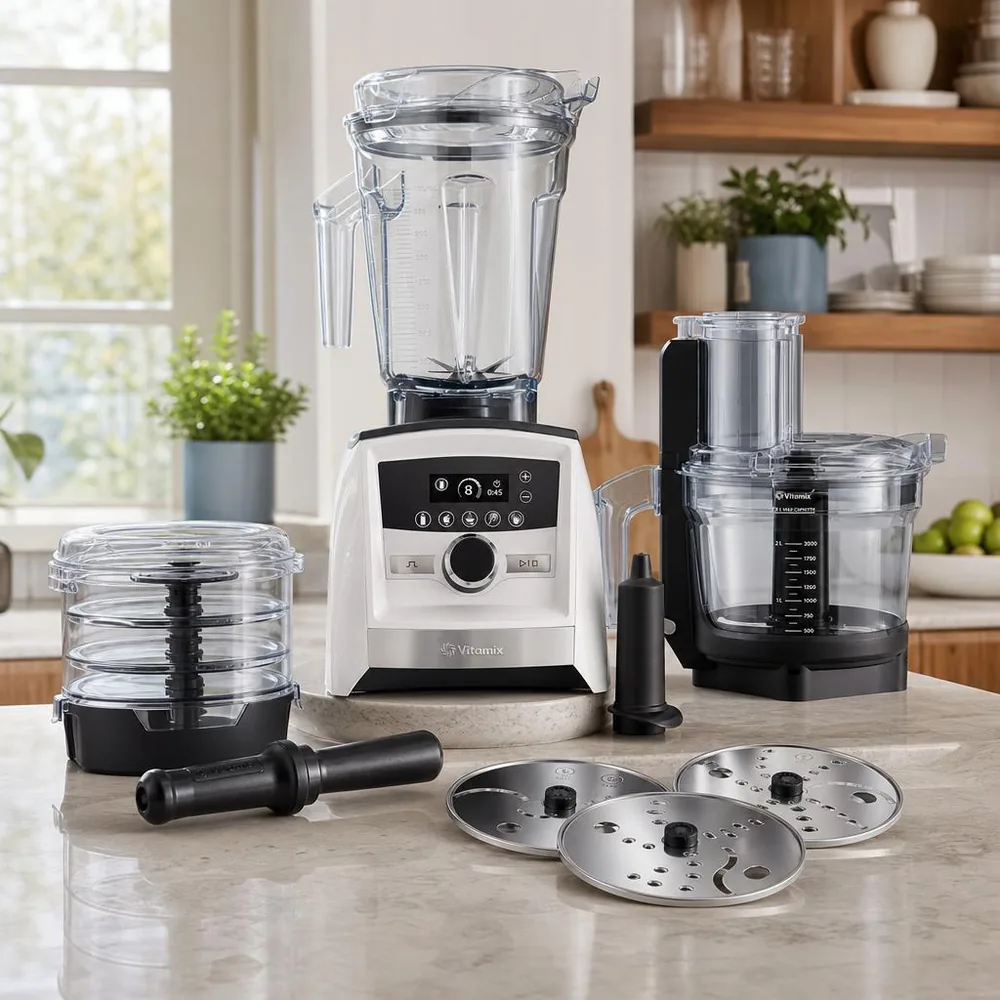
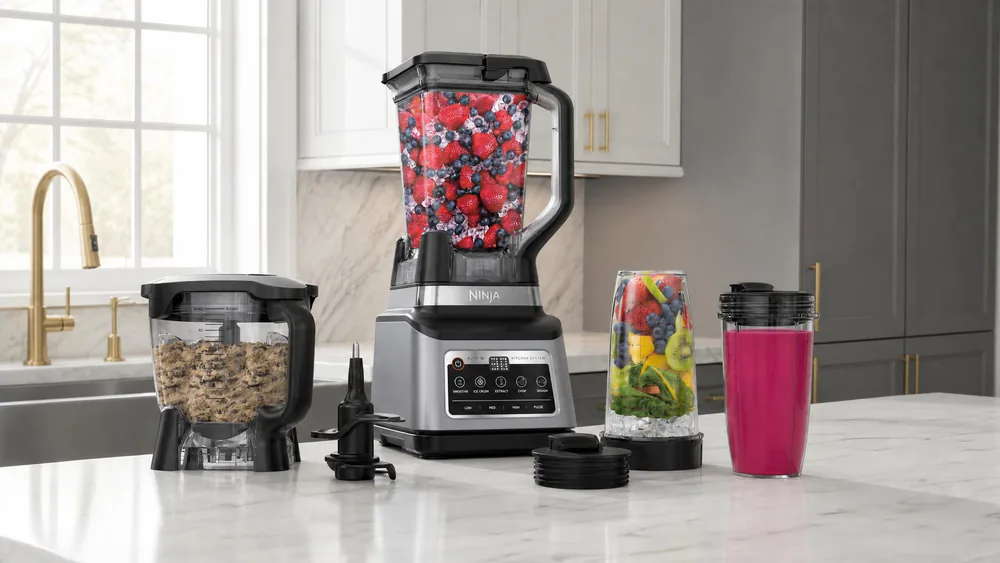
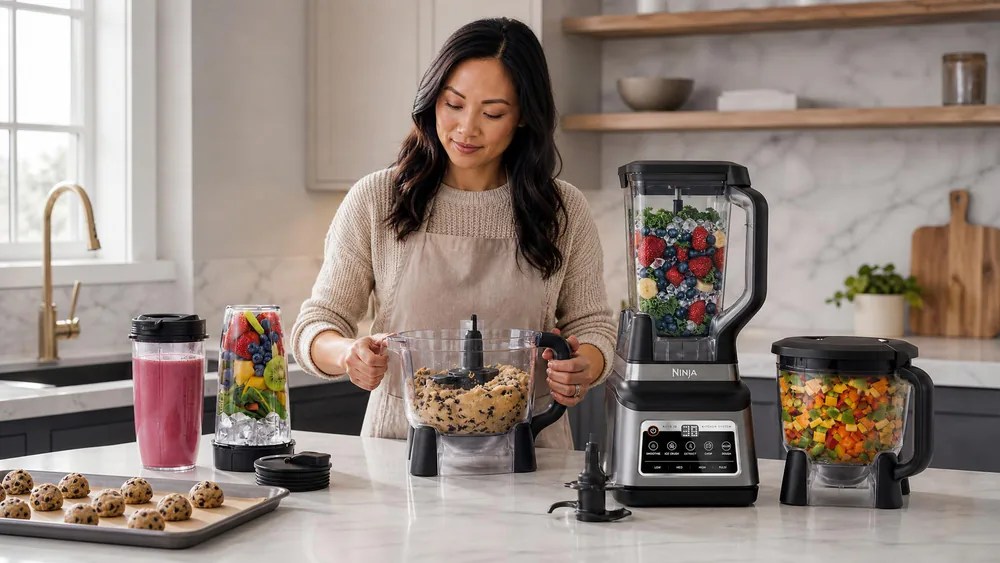
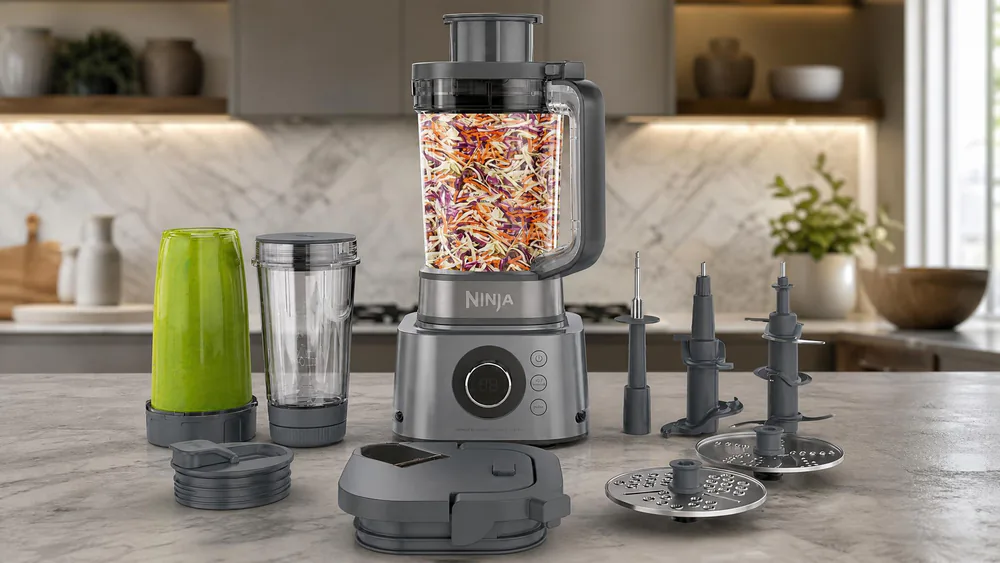
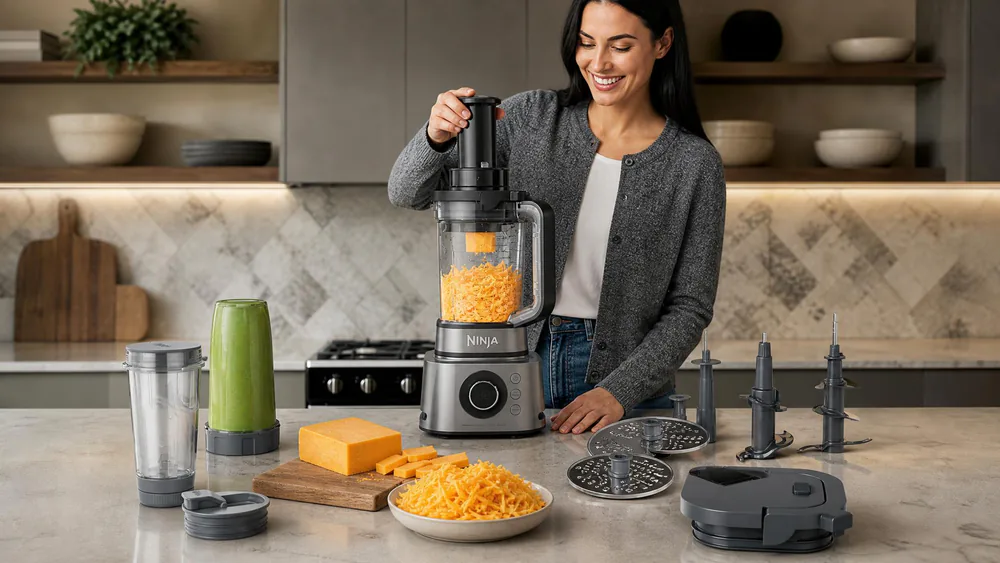
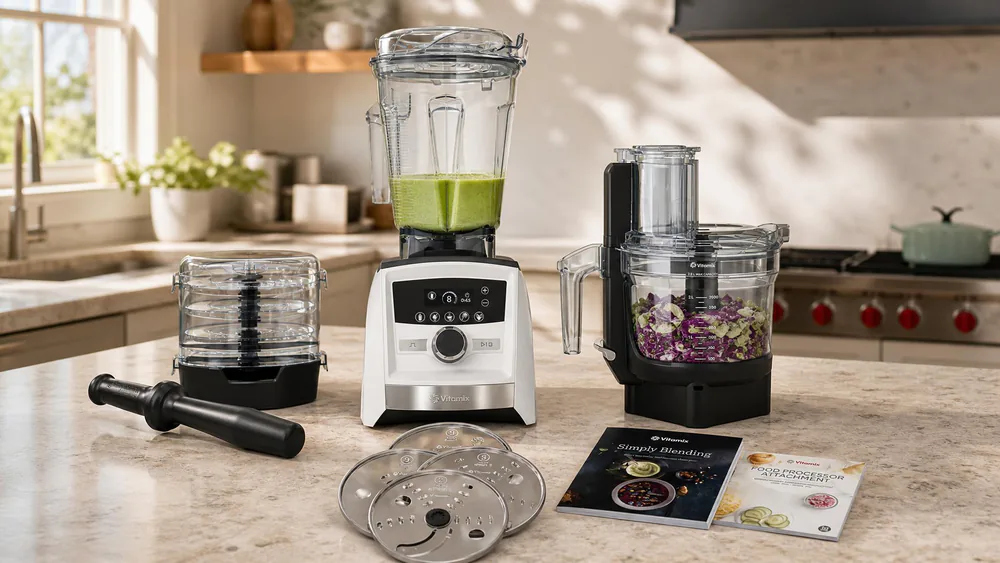
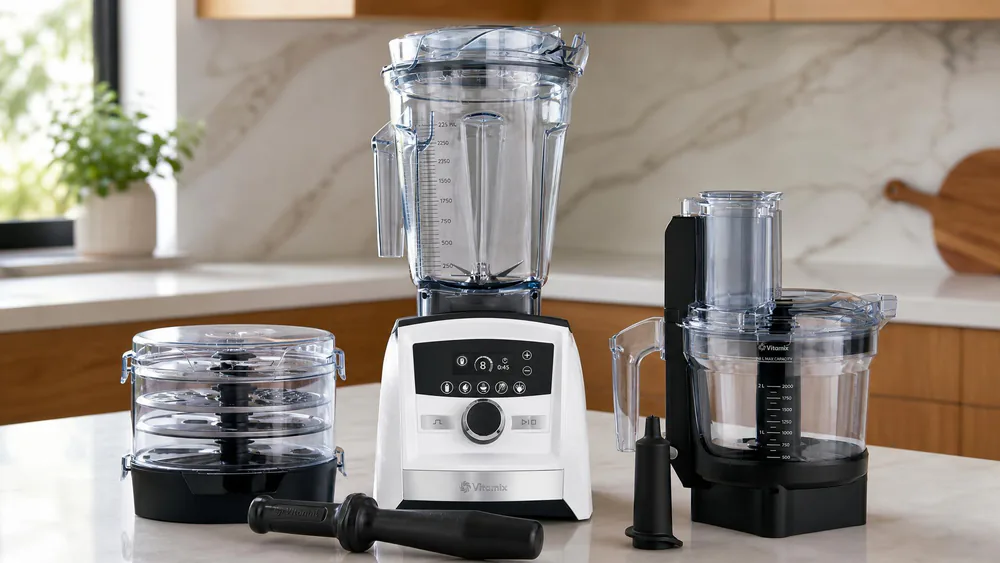
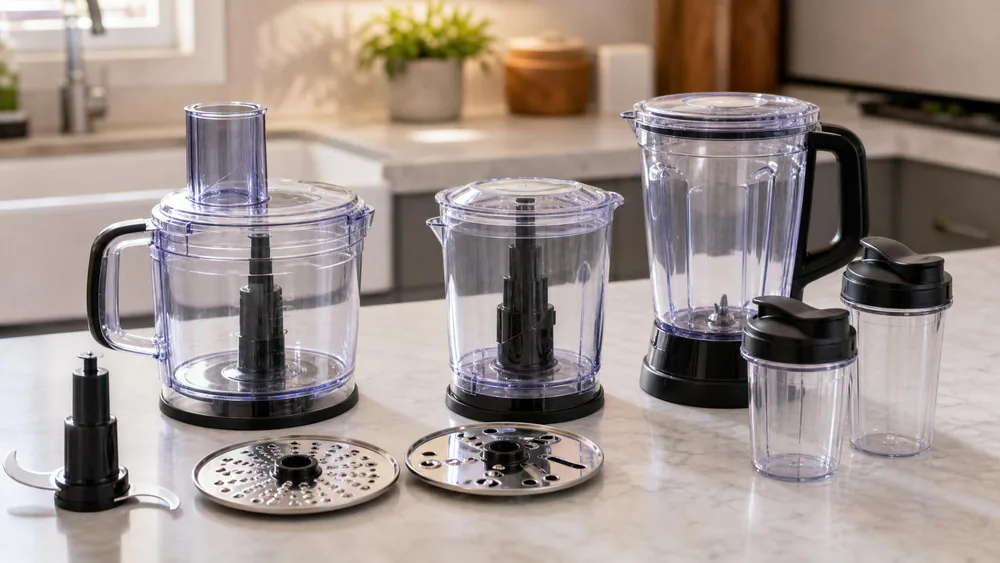
The attachments decide how versatile a combo really is. Slicing and shredding discs turn the processor side into a meal-prep station, which is why the SS401 and the SmartPrep outwork the others. Every extra cup is one more thing to store.
Ease of Cleaning and Maintenance
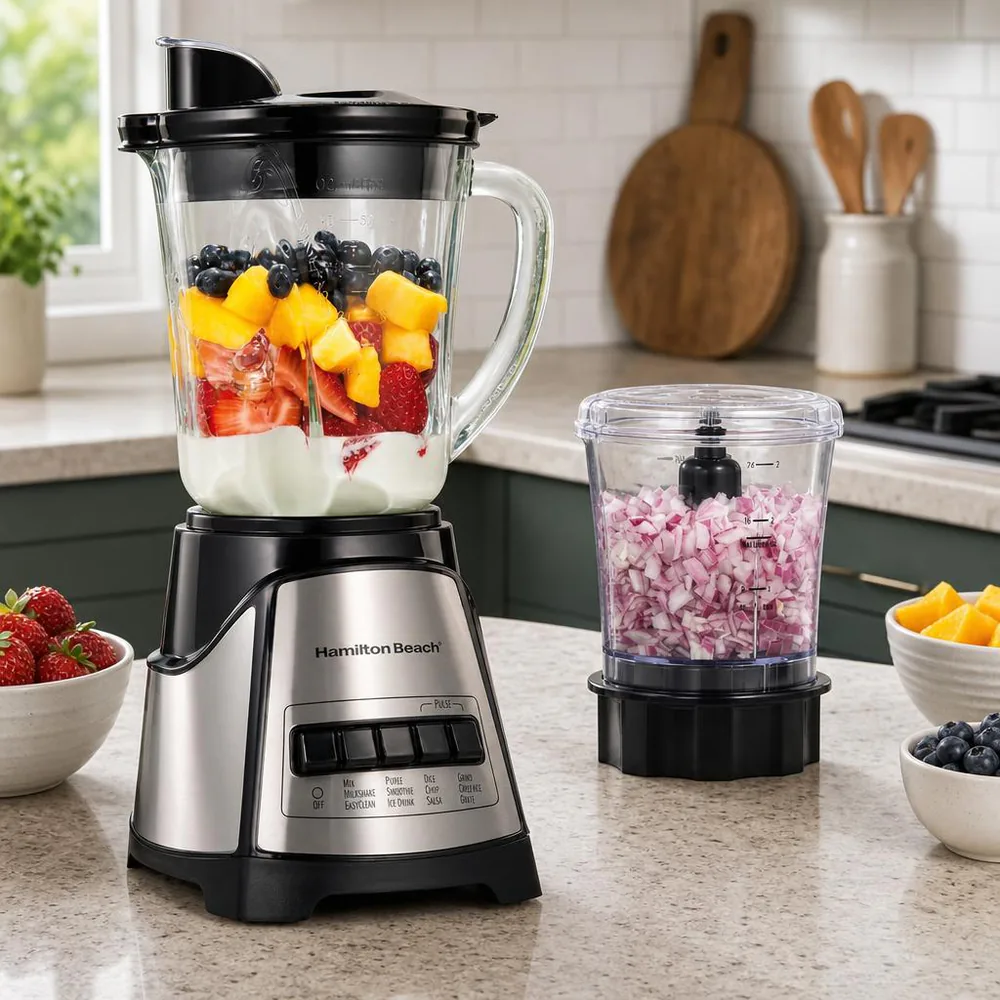
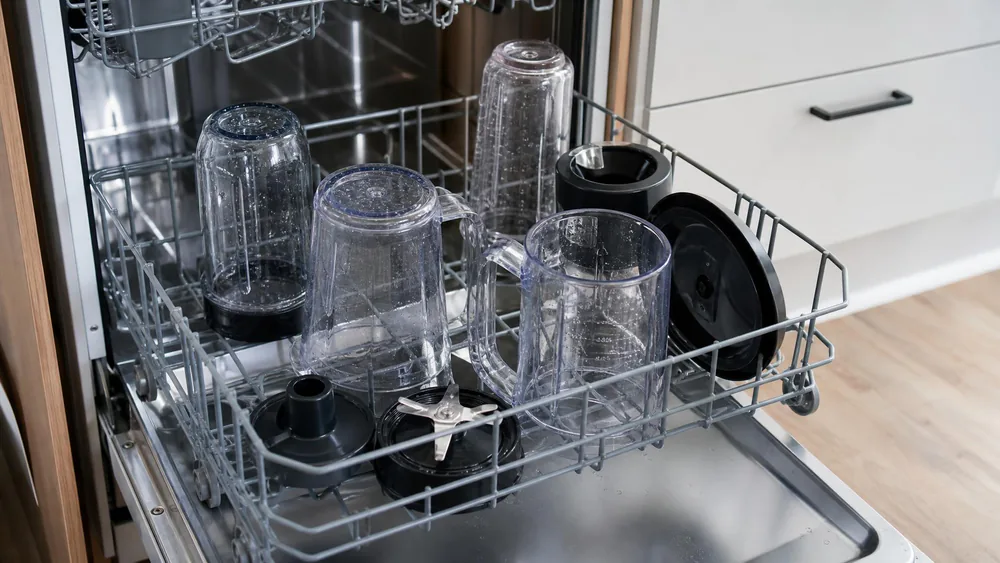
Cleanup friction is what kills combos in real kitchens, so look for dishwasher-safe jars, bowls, and blades. Watch the shapes too: overflow can collect in handles, and ridged glass is awkward to hand-wash. The warranty is a maintenance signal, with 1-year terms the norm, the Hamilton Beach at 3 years, and Vitamix at 10.