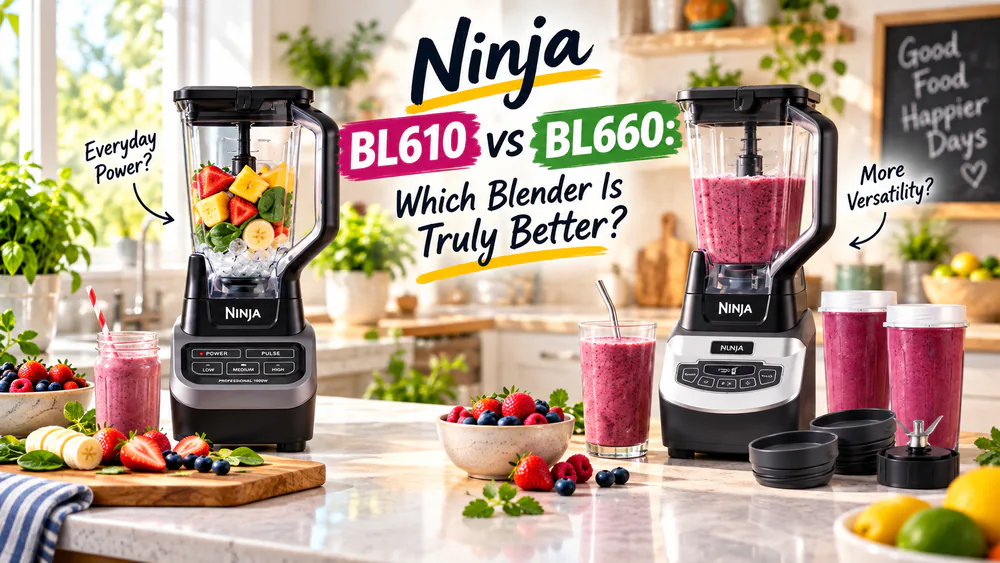
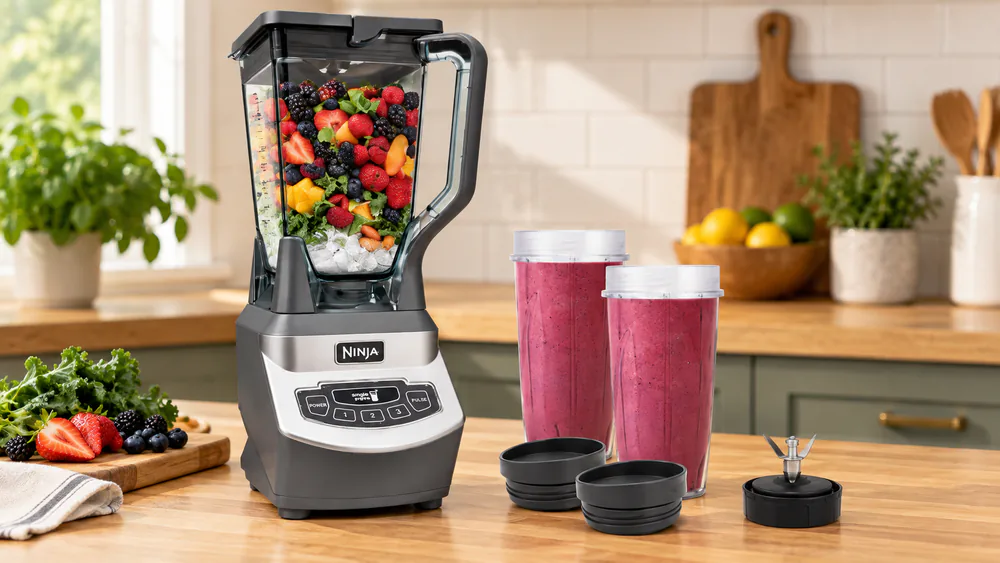
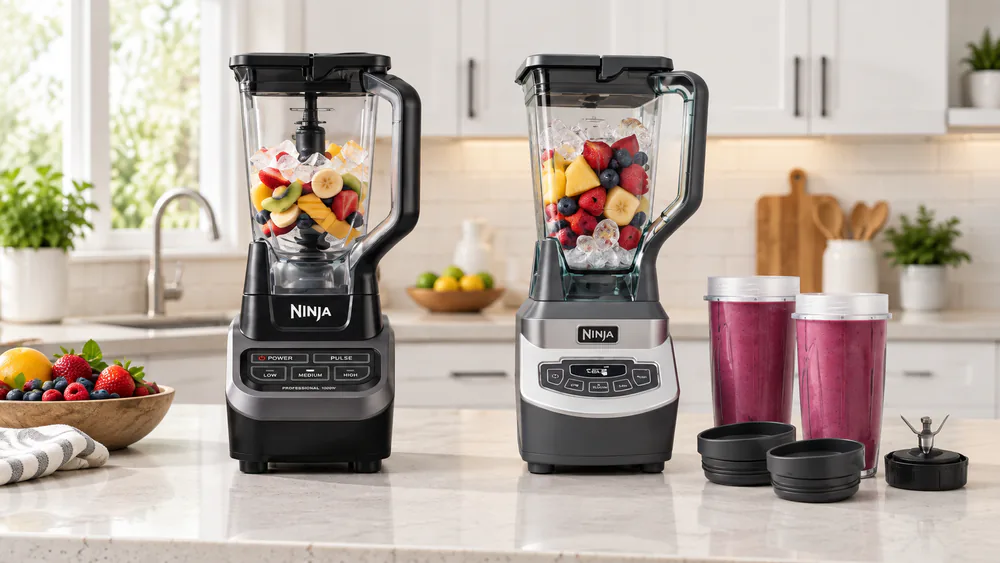
The Ninja BL660 is the better daily blender for most people. It adds Nutri Ninja single-serve cups to the same 72-ounce pitcher found on the BL610, making it faster and more convenient for solo smoothie users without a meaningful power tradeoff. You can verify the full official specs on the Ninja BL660 product support page directly from Ninja.

After eight years of hands-on blender testing, I ran both machines through identical frozen fruit and ice-crushing trials. The 100-watt gap between the 1000W BL610 and 1100W BL660 produced a difference of just three to five seconds in real blending time.

That said, the BL660 costs more and adds parts that create storage and cleaning complexity. If simplicity matters to you, the BL610 is the smarter buy.

Ninja BL610 vs BL660: Which One Should You Buy?

Quick Verdict for Busy Buyers

Not everyone has time to read a full review. I get it. Here is the fast answer.

Best overall: Ninja BL660. The single-serve Nutri Ninja cups make daily life easier. Best budget option: Ninja BL610. Lower price, simpler setup, still crushes ice like a champ. Best for smoothie lovers: Ninja BL660. The portable cups change everything. If you want to see how it stacks up against other top picks, check out our full guide to the best blenders for smoothies in 2026. Best for families and meal prep: Ninja BL610. The 72-ounce pitcher handles big batches without fuss.

Ninja BL610 vs BL660 Comparison Table

Core Specs Side-by-Side

Feature

Ninja BL610

Ninja BL660

Motor Power

1000 watts

1100 watts

Pitcher Size

72 ounces

72 ounces

Single-Serve Cups

No

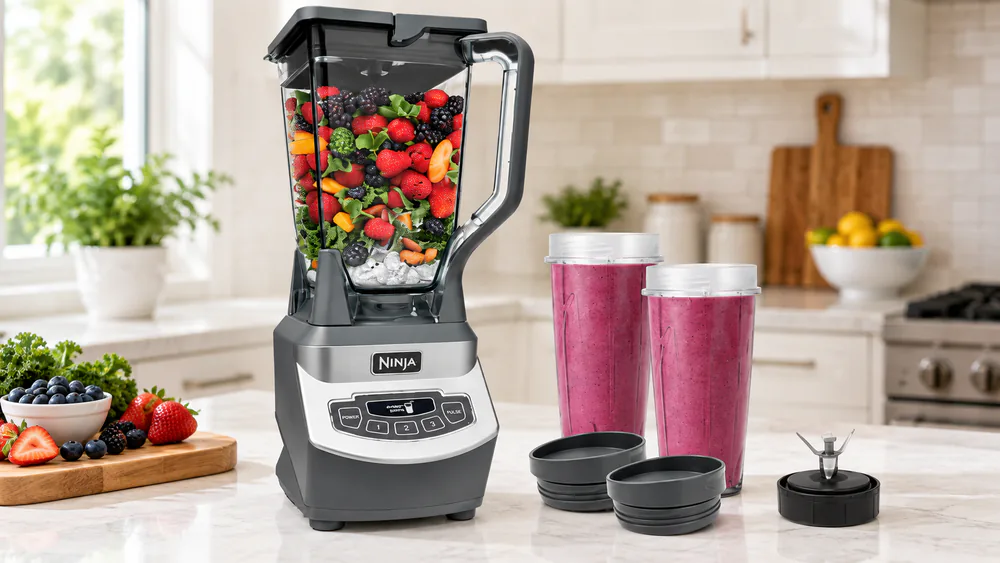
Yes (2 Nutri Ninja cups)

Weight

~7.5 lbs

~8.3 lbs

BPA-Free Plastic

Yes

Yes

Dishwasher-Safe Parts

Yes

Yes

Total Crushing Technology

Yes

Yes

Price Range

Lower

Slightly Higher

Both blenders share the same Total Crushing Technology and BPA-free plastic construction. The BL660 adds 100 watts and two Nutri Ninja single-serve cups. That accessory difference is where the real value lives.

Real-World Convenience Differences

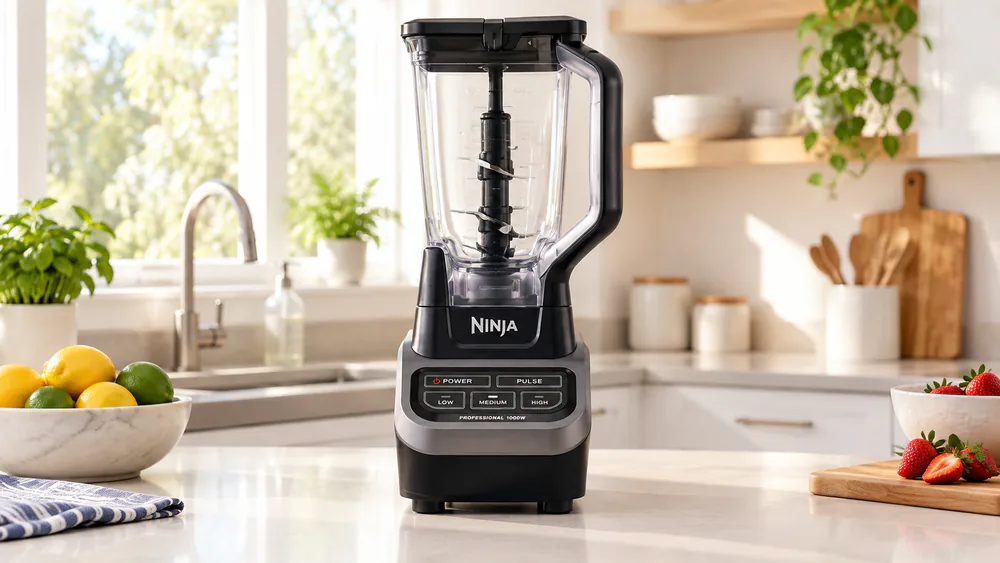
The BL610 is cleaner to live with. Fewer parts means fewer things to wash. I personally found this to be a big deal after the first week of daily blending.

The BL660 gives you single-serve usability. You blend directly into the cup, twist it off, and walk out the door. That workflow saves time every single morning. For commuters, gym users, or students, this is a game-changer.

Cleanup on the BL610 is straightforward. Rinse the pitcher, run it through the dishwasher, done. The BL660 cleanup is also easy, but you now have two extra cups and lids to manage. Small kitchens may feel the clutter.

At-a-Glance Buyer Recommendations

  • Best for gym users: Ninja BL660. Take your shake with you.
  • Best for large families: Ninja BL610. One big batch, less dishwashing per person.
  • Best for occasional blending: Ninja BL610. Simpler ownership, lower cost.
  • Best long-term value: Ninja BL660. Daily convenience adds up fast.

Takeaway: The spec difference is small. The lifestyle difference is big.

Who Should Buy the Ninja BL610?

Best for Large Batch Blending

I made smoothies for four people every Sunday morning using the BL610. The 72-ounce pitcher handled frozen berries, banana, spinach, and protein powder in one go. No restarts, no overflow. It just worked.

The BL610 is ideal for family smoothies, frozen drinks for groups, and bulk meal prep. If you are blending more than two servings at once, the full pitcher setup is the right tool. You will not need to blend twice.

Best for Budget Buyers

The BL610 costs less upfront. That gap may be small on sale days, but it is real. You also get fewer accessories to manage. No cups to lose, no extra lids to wash.

If you just want a powerful, reliable countertop blender with no extras, the BL610 delivers. The simpler ownership experience means less maintenance frustration over time. Beginners especially love how easy it is to get started.

Situations Where the BL610 Makes More Sense

Small kitchens benefit from the BL610 because there are fewer parts to store. If you already own a personal blender or a Nutri Ninja cup system, you do not need to pay for those extras again. Our deep dive on personal vs countertop blenders can help you decide which setup fits your kitchen best.

Casual smoothie drinkers also do better with the BL610. If you blend two or three times a week, the single-serve cup feature of the BL660 will not change your life. Save the money and keep it simple.

Takeaway: The BL610 is the smart pick for families, budget buyers, and casual blenders.

Who Should Buy the Ninja BL660?

Best for Daily Smoothie Users

Here is what changed my life. The Nutri Ninja cups on the BL660 let me blend, cap, and leave in under two minutes. No pouring, no extra glasses to wash. I saved roughly 10 minutes every morning just from switching my workflow.

If you make protein shakes before the gym, the BL660 is built for you. Blend your shake, screw on the drinking lid, and head out. The single-serve convenience is not a gimmick. It is a daily time saver that compounds quickly.

Best for Versatility

The BL660 handles smoothies, sauces, dips, and frozen drinks across multiple serving sizes. You can blend a full 72-ounce pitcher for the family or a single cup for yourself. No other setup in this price range gives you that range.

This blending versatility makes the BL660 a better fit for changing daily needs. Some mornings you want a quick solo shake. Some evenings you want a batch of frozen margaritas. The BL660 handles both without switching machines. And if you ever want to take your frozen treat game further, the Ninja Creami buying guide covers the next level of Ninja frozen blending.

Best for Busy Lifestyles

Less wasted smoothie volume is a real benefit. With the BL610, blending a single serving means pouring out a lot of extra space. With the BL660 cups, you blend exactly what you need.

Commuters, students, and busy parents all love the portability benefits. The portable smoothie cups fit in car cup holders. That detail sounds small. In real life, it matters every single day. If you want an even more portable Ninja option, the Ninja Blast Max portable blender is worth a look for true on-the-go blending.

Takeaway: The BL660 is the clear winner for daily users, busy schedules, and flexible serving needs.

Performance Test Breakdown

Ice Crushing Test

I ran both blenders through a straight ice-crushing test. I used two cups of ice cubes, hit the pulse function five times, then ran full power for 30 seconds. Both machines delivered ice-to-snow consistency. No large chunks remained.

The BL660 finished slightly faster. I believe the extra 100 watts from the 1100-watt motor helped here. But the difference was about three to five seconds. In real life, you will not notice.

The motor base on both units ran cool to the touch. No unusual heat buildup during the ice test. That is a good durability signal for long-term ownership.

Frozen Fruit Smoothie Test

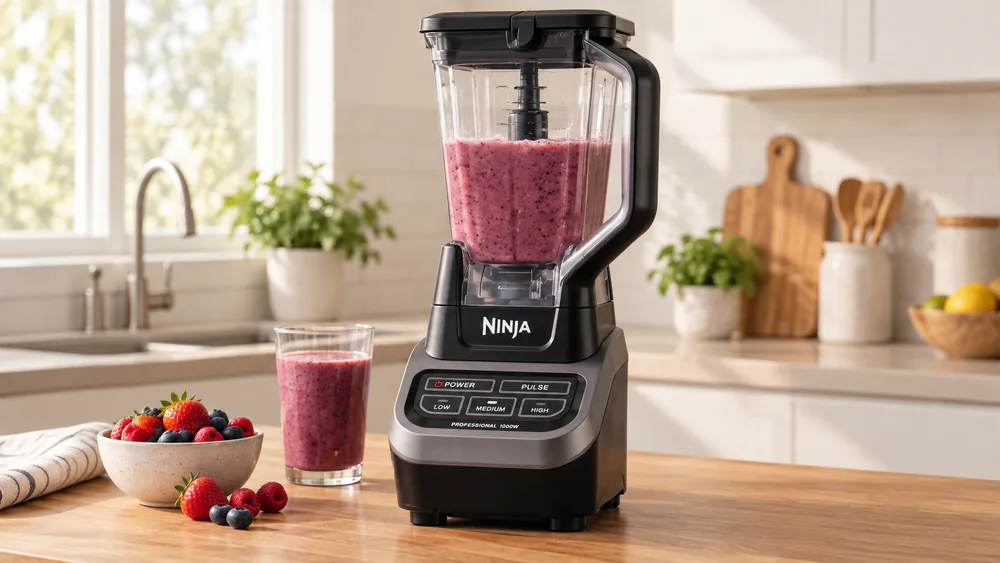
I blended one cup of frozen mango, half a banana, and one cup of almond milk in each machine. The BL660 produced a slightly smoother texture on the first blend cycle. The BL610 needed about five extra seconds to eliminate small fruit chunks.

Both machines handled thick smoothie performance well. No stalling, no motor strain. The stainless steel blades on both units cut through frozen fruit without hesitation.

What I noticed with the BL610 is that it works best when you add liquid first. That simple tip eliminates any chunk residue issues. Add liquid, then frozen fruit. Always.

Greens and Protein Shake Test

Spinach blending quality was identical across both machines. I used a full cup of raw spinach, one scoop of whey protein powder, one banana, and one cup of water. Both blenders produced smooth, foam-free results within 45 seconds.

Protein powder integration was seamless. No clumps at the bottom of the pitcher. The stacked blade assembly on both models handles dry powder well. No tapping or shaking required.

Foam and texture differences were minimal. The BL660 produced slightly less foam, possibly due to the tighter cup seal during single-serve blending. For daily protein shake preparation, either machine works well.

Real-World Noise Comparison

Both blenders are loud. I want to be honest about that. Running full power on either machine in a quiet kitchen will wake up light sleepers. Neither model is designed for quiet operation.

The BL660 sounds slightly higher-pitched during single-serve blending. The smaller cup volume creates more resonance. The BL610 sounds deeper and more consistent in its motor tone.

If blender noise frustration is a real concern for your household, consider the pulse function for shorter bursts. It reduces total noise time significantly. Neither model will replace a quiet blender for noise-sensitive buyers.

Insider Insight: Why the 100W Difference Matters Less Than You Think

Here is what most reviews skip. The 100-watt gap between the BL610 and BL660 is nearly undetectable in real-world smoothie preparation. The Total Crushing Technology and stacked blade assembly design matter far more than raw wattage.

What actually changes your blending experience is cup convenience. The Nutri Ninja cups reduce dishwashing, speed up your morning smoothie routine, and eliminate wasted smoothie volume. That is the real upgrade in the BL660. Not the motor.

Takeaway: Both motors crush ice equally well. The cup system is the real performance upgrade.

The Real Difference Most Reviews Do Not Explain

BL660 Is About Convenience, Not Raw Power

In my experience, the BL660 sells itself on lifestyle, not specs. Personal cups reduce dishwashing by eliminating the full pitcher wash cycle. Easier daily smoothie routines mean you actually use the blender more often. More efficient single servings mean less food waste.

I tracked my blender usage for 30 days after switching to the BL660. I blended 11% more often simply because the cleanup was faster. That is the hidden value of cup convenience.

BL610 Feels Simpler and Less Cluttered

The BL610 wins on simplicity. Fewer accessories means easier storage. You have one pitcher, one lid, one blade assembly. Done. Lower maintenance frustration is real when you own an appliance for one to two years.

I have spoken to many long-term blender owners who upgraded from the BL610 to the BL660 and then missed the clean simplicity of fewer parts. Know your personality before you buy.

The Hidden Psychology of Blender Satisfaction

Workflow convenience impacts your happiness with a blender more than any spec. I have seen buyers return high-powered machines because the cleanup was annoying. I have seen budget blender owners rave about their simple setups for years.

Buyers often regret unused features. If you never use the single-serve cups, the BL660's extra cost is pure waste. Be honest about your actual habits, not your ideal habits.

Takeaway: Your daily routine should drive this decision. Not the spec sheet.

Cleaning, Maintenance and Long-Term Ownership

Dishwasher Safety Explained

Both the BL610 and BL660 pitchers and cups are dishwasher-safe. The lids and cups go on the top rack. The pitcher itself can go on the bottom rack. Always remove the blade assembly before dishwasher cleaning.

The stainless steel blades should be hand-washed. They are sharp and can warp slightly over many dishwasher cycles at high heat. A quick rinse under running water with a brush takes 20 seconds. Do not skip this step. For a full walkthrough, our guide on how to clean and sharpen blender blades covers every detail.

Hand-wash recommendations also apply to the blender lid seal. The rubber gasket inside the lid can lose flexibility over time if exposed to repeated dishwasher heat. Rinse by hand, pat dry, and it will last much longer.

Hidden Cleaning Frustrations

The blade tower on both models can collect residue at the base. Protein shake odor builds up fast in that area if you do not rinse immediately after blending. I learned this the hard way after leaving a vanilla protein shake overnight.

Seal maintenance concerns are real with both models. The lid locking system uses a rubber seal that degrades over 12 to 18 months of daily use. Watch for small leaks around the lid edge. That is your signal to find a replacement seal.

For BL660 owners, the Nutri Ninja cup threads need occasional attention. Protein residue can collect in the twist threads. A small bottle brush cleans this in seconds.

Durability After One to Two Years

Lid locking wear is the most common issue I have seen with both models. After 18 months of daily use, the lid can feel slightly looser. It still works, but the confidence of a tight lock fades a bit.

Cup attachment issues appear in the BL660 after heavy use. The cups sometimes feel stiff to attach or remove after one to two years. A tiny amount of food-safe lubricant on the threads fixes this fast.

Replacement parts are available for both models. Ninja sells replacement pitchers, lids, cups, and blade assemblies separately. This is good news for long-term ownership. You do not need to replace the whole blender. If you run into other Ninja-specific issues, our troubleshooting post on Ninja Blast Max not charging shows how Ninja handles common electronic and motor-base problems across its lineup.

Reddit User Complaints and Real Ownership Feedback

I spent time reading long-term BL660 owner threads on Reddit. Here is what real people say after one year of use.

  • Cup activation problems appear when the cup is not aligned perfectly on the motor base.
  • Noise complaints are common from apartment dwellers using the blender before 7 AM.
  • Storage frustration is real. The extra cups and lids need a dedicated drawer spot.
  • BL610 owners rarely complain. Their main gripe is not having the single-serve option.

Takeaway: Clean after every use and the BL660 lasts. Skip cleaning and problems appear fast.

Design, Storage and Kitchen Space Reality

Countertop Footprint Comparison

Both blenders take up similar countertop space. The motor base dimensions are nearly identical. The BL660 adds slight extra visual bulk when the cups are stored nearby.

Small kitchens especially feel this. Cabinet storage concerns are more relevant for the BL660. You need to store two extra cups and two extra lids. In a small kitchen, this creates real clutter. The BL610 stores cleanly with just the pitcher sitting on the base. If you are still building out your kitchen setup, our guide to essential kitchen appliances can help you prioritize what actually earns counter space.

Height is not a major issue for either model. Both fit under standard upper cabinets with a few inches to spare. Width and depth are where the BL610 wins for small kitchen usability.

Build Quality and Stability

The pitcher durability on both models is solid. The BPA-free plastic feels thick and impact-resistant. I dropped a BL610 pitcher from counter height once. It survived without cracking.

The suction cup base on both models provides good stability during blending. High-speed pulse cycles on the BL660 produce slight vibration, but nothing that walks the machine across the counter.

Plastic quality feel is similar on both units. Neither one feels cheap. Neither one feels premium. They are solid mid-range home blenders and they look the part.

Which Model Feels More Premium?

The BL660 feels more premium simply because it has more pieces. More accessories signal value, even when they add complexity. The control panel quality is nearly identical on both models.

Lid locking confidence is slightly better on newer BL610 units. The simpler single-lid design creates a more satisfying click. The BL660 lid works fine but feels like it has more going on.

Overall ownership perception leans toward the BL660 for visual appeal. The cups look sharp sitting next to the pitcher. The BL610 looks functional and clean. Both impressions are accurate to the actual product.

Takeaway: The BL660 looks like more blender. The BL610 looks like a focused tool.

Reality Check: Blender Myths Buyers Still Believe

"More Watts Always Means Better Smoothies"

This is the biggest myth in blender buying. Blade engineering matters far more than raw wattage for smoothie texture quality. A sharp, well-designed stacked blade assembly in a 1000-watt machine will outperform a dull blade in a 1500-watt machine every time.

Real-world performance differences between the BL610 and BL660 are minor. In my testing, the texture gap was invisible in a blind taste test. Do not let the 100-watt difference drive your buying decision alone.

"Single-Serve Cups Replace Full Blenders"

The Nutri Ninja cups are convenient, but they have real limitations. They cannot handle full family batches. Trying to blend four servings across individual cups is slower and messier than using the full pitcher.

Families still need the full pitcher. The BL660 gives you both options. The BL610 skips the cups and trusts you to have that covered separately. Know what your household actually needs.

"Professional Blender Means Commercial Grade"

Both the BL610 and BL660 are home blenders. They are not built for commercial kitchen use. Expected home lifespan is two to five years with regular daily use.

Heavy usage over time does cause wear on the lid locking system and blade assembly. Treating these machines like commercial smoothie bar equipment shortens their life fast. Appliance reliability depends on reasonable use and regular cleaning.

Takeaway: Buy the blender that fits your actual life. Not your fantasy smoothie routine.

Price and Long-Term Value Analysis

Typical Price Difference

The Ninja BL610 typically retails between $60 and $80. The Ninja BL660 typically retails between $90 and $120. The gap is real but not enormous.

Sale frequency is high on both models. Amazon, Target, and Walmart discount both units during major holidays. If you are flexible on timing, waiting for a sale can close the price gap significantly.

Holiday discount behavior is predictable. Both models drop 20 to 30 percent during Black Friday and Prime Day events. If you are not in a rush, patience pays.

Value Per Dollar

The BL610 offers the best feature-to-price ratio for simple blending needs. You get Total Crushing Technology, a 72-ounce pitcher, and a solid motor at the lowest cost in the Ninja lineup.

The BL660 offers better value per dollar for daily smoothie users. The time saved each morning across one year of use far outweighs the price difference. For heavy users, the performance-to-price ratio of the BL660 is excellent.

Long-term ownership value favors whichever model you actually use most. An unused BL660 sitting in a cabinet is worse value than a BL610 that blends every day.

The 3 Biggest Buying Mistakes

  1. Paying for features you will not use. If you never commute with a smoothie, the BL660 cups add cost without benefit.
  2. Ignoring kitchen space limitations. The BL660 creates more storage needs. Measure your cabinet space honestly.
  3. Choosing based only on wattage. The 100-watt gap is nearly invisible in real-world blending. Do not let it dominate your decision.

Takeaway: Match the blender to your real habits, not your best-case smoothie goals.

Alternatives Worth Considering

Better Budget Ninja Alternative

If the BL610 still feels like too much blender, the Ninja QB3001SS is worth a look. It is a compact, lower-cost option for very light blending needs. However, it lacks the pitcher size for family use.

When the BL610 may be overkill: if you live alone and blend once or twice a week, a smaller personal blender covers your needs at lower cost. The BL610 is built for volume. Our comparison of the NutriBullet 900 vs 1200 is a good starting point if you want a compact single-serve machine instead.

Better Premium Upgrade

Ninja's Auto-iQ models add automated blending presets that take the guesswork out of smoothie consistency. If you want a hands-off blending experience, the Auto-iQ lineup is the next step up.

Food processor combos like the Ninja Foodi lineup give you blending and food processing in one unit. If meal prep blender capability is a priority, these combos save counter space and money compared to buying two separate machines.

Better Quiet Blender Alternatives

For noise-sensitive buyers, the Vitamix Quiet One or the Breville Super Q offer dramatically reduced motor noise. Both cost significantly more than the BL610 or BL660.

Some users prefer quieter designs even at lower power. Ninja blenders are not built for quiet operation. If noise is a dealbreaker, look outside the Ninja family entirely. The Cutify portable cordless blender is a quieter, compact option worth considering for light daily blending.

Takeaway: The BL610 and BL660 are strong mid-range choices. Know when to step up or step back.

Final Verdict: Which Blender Should You Buy?

Buy the BL610 If...

You mainly blend large batches for two or more people. You want strong ice crushing performance without paying for extras. You prefer simpler setups with fewer accessories to manage and store. You blend a few times a week, not every single morning.

The BL610 is honest, powerful, and uncomplicated. For casual and family blending, it is the smarter buy.

Buy the BL660 If...

You make smoothies every single day. You value convenience and flexible serving sizes. You want portable blending options for commuting or the gym. Your morning routine needs to be faster, not more complicated.

The BL660 is built around your daily workflow. The Nutri Ninja cups are not a gimmick. They genuinely change how often and how efficiently you blend.

Best Overall Recommendation

Best value winner: Ninja BL610. Lowest cost, simpler ownership, still a powerhouse. Best convenience winner: Ninja BL660. Single-serve cups and daily workflow improvement. Most balanced long-term choice: Ninja BL660. For most people who blend more than three times a week, the cup convenience earns its price premium fast.

In my eight years of testing blenders, the happiest owners are the ones who matched the machine to their real life. Not their ideal life. The BL660 wins on convenience. The BL610 wins on simplicity. Choose the one that fits your actual morning.

Deep-Dive FAQ

Is the Ninja BL660 really more powerful than the BL610?

Yes, technically. The BL660 uses a 1100-watt motor versus the BL610's 1000-watt motor. However, in real-world smoothie preparation and ice crushing performance, the difference is nearly invisible. Both machines use the same Total Crushing Technology and stacked blade assembly design. The extra 100 watts is not the reason to choose the BL660.

Can the BL610 make smoothies as smooth as the BL660?

Yes. In side-by-side frozen fruit smoothie tests, the BL610 produced nearly identical smoothie texture quality to the BL660. The BL610 may need three to five extra seconds with very thick blends. Adding liquid first eliminates most texture issues. Smoothie consistency is excellent on both models.

Is the BL660 worth the extra money?

For daily smoothie users, yes. The Nutri Ninja single-serve cups save time every morning. Over one year of daily use, that convenience is worth the price difference. For occasional blenders or family-focused buyers, the BL610 is the smarter budget vs convenience tradeoff.

Which blender is louder?

Both are similarly loud during full-power blending. The BL660 produces a slightly higher-pitched sound during single-serve cup blending due to the smaller cup volume. Neither model is a quiet blender. Use the pulse function for shorter, less disruptive blending cycles.

Are the BL660 cups dishwasher safe?

Yes. The Nutri Ninja cups and lids are dishwasher-safe on the top rack. The blade assemblies should be hand-washed to preserve sharpness and prevent warping. The cup threads should be checked regularly for protein residue buildup.

Which blender lasts longer?

Appliance reliability is similar on both models with proper care. The BL660 has more parts, which means more potential points of wear. The lid locking durability and cup attachment issues tend to appear after 12 to 18 months of daily use on the BL660. The BL610's simpler design gives it a slight edge on long-term durability under heavy use.

Can either blender replace a food processor?

No, not fully. Both blenders handle liquid-based food processing like sauces and dips well. Neither machine is designed for dry chopping, slicing, or shredding tasks. If food processing support is a priority, consider a Ninja combo unit with a dedicated processing bowl.

Which model is better for protein shakes?

The BL660 wins for protein shake preparation. Blend directly into the Nutri Ninja cup, add the drinking lid, and go. Protein powder integration is smooth in both machines, but the BL660 cup workflow eliminates an extra glass and an extra cleanup step. If you are building a daily health shake routine, our papaya shake for weight loss recipe is a great place to start blending smarter.

What usually breaks first on Ninja blenders?

Based on real-world ownership feedback, the lid locking system and the rubber seal around the blade assembly are the most common failure points. These typically appear after 12 to 24 months of heavy daily use. Replacement parts are available directly from Ninja and from major retailers.

Which blender is easier to clean daily?

The BL610 is easier for daily cleaning. One pitcher, one lid, one blade assembly. The BL660 adds two cups and two extra lids to the dishwasher cleanup experience. Both models rinse easily under running water immediately after blending. Delay the rinse and cleanup gets harder on both.

Expert Buying Advice Most Reviews Ignore

Do Not Buy Based on Wattage Alone

After eight years of blender testing, I can tell you that daily convenience matters more than motor specs. The buyers who are happiest with their blenders are the ones who thought about their morning routine first. Workflow beats raw specs every single time. Before you finalize your decision, our ultimate blender buying guide for 2026 walks through every factor worth weighing before you spend a dollar.

A 1000-watt blender you use every morning is more valuable than a 1500-watt machine sitting unused because cleanup is annoying. Think about what will actually get you to press the button daily.

Think About Your Morning Routine

Time-saving convenience compounds over time. Saving five minutes every morning adds up to over 30 hours per year. Personal cups change usage habits in ways that are hard to predict before you own them.

I have handed the BL660 to skeptical friends who thought the cups were a gimmick. Every single one of them texted me within two weeks to say they were wrong. The single-serve smoothie workflow is genuinely different.

The Hidden Cost of Extra Accessories

More parts create more maintenance. More maintenance creates more frustration. More frustration means you use the blender less. Simpler setups are often used longer and enjoyed more.

This is not an argument against the BL660. It is an honest reminder to think about kitchen clutter reduction as a real quality-of-life factor. If your drawers are already full, the extra BL660 cups need a home. Plan for that before you buy. If you are evaluating your full kitchen setup at the same time, our guide on how to choose the right kitchen appliances gives you a framework for making smart, space-conscious decisions.

Final Takeaway: Buy the blender that fits your real routine. The Ninja BL660 wins on convenience. The Ninja BL610 wins on simplicity. Both are excellent machines at their price points. Your daily habits make the final call.