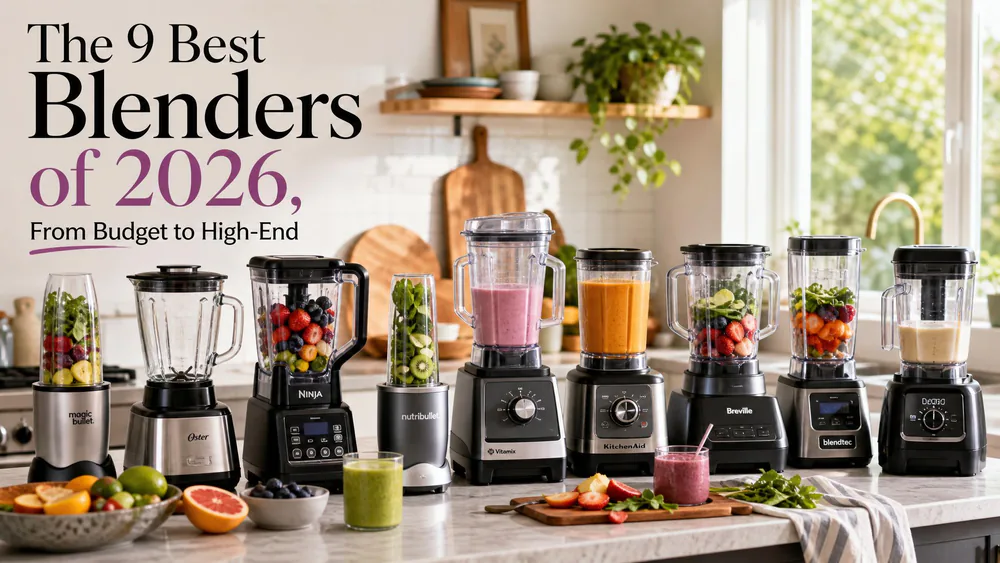
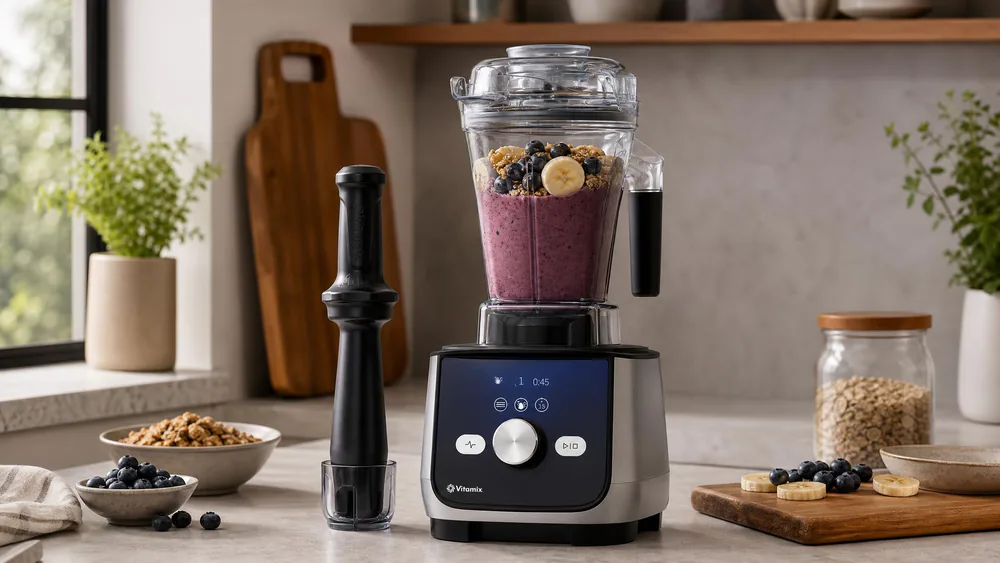
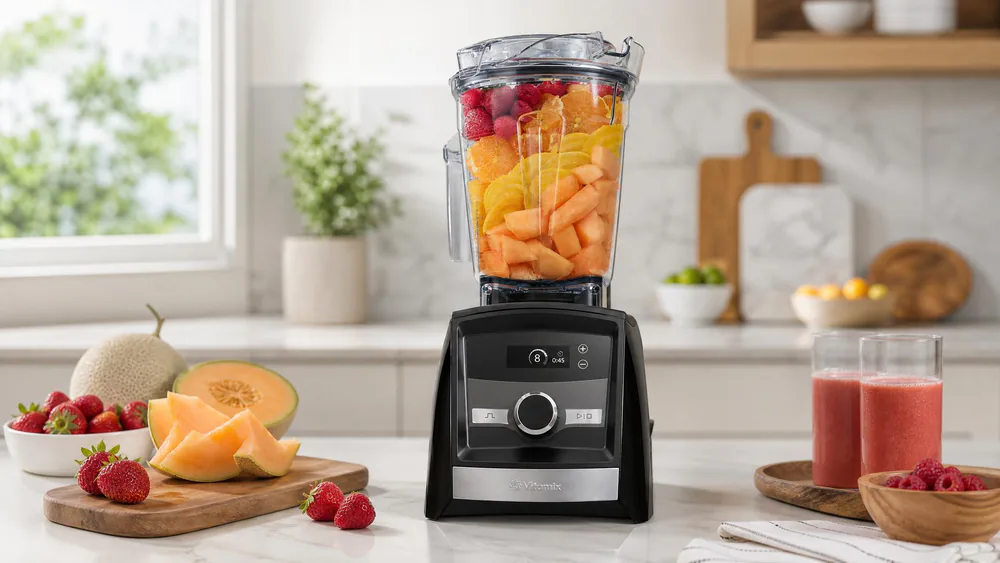
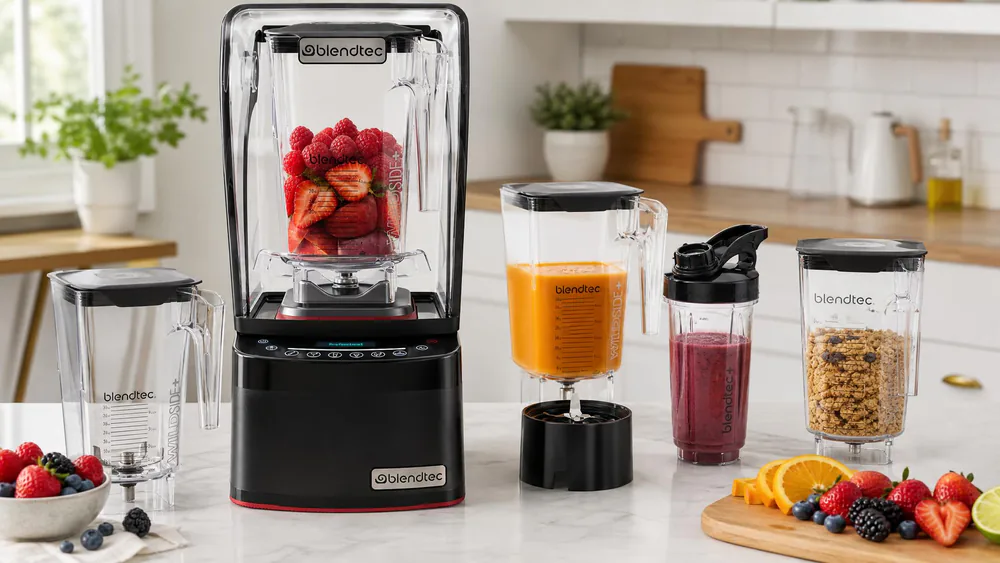
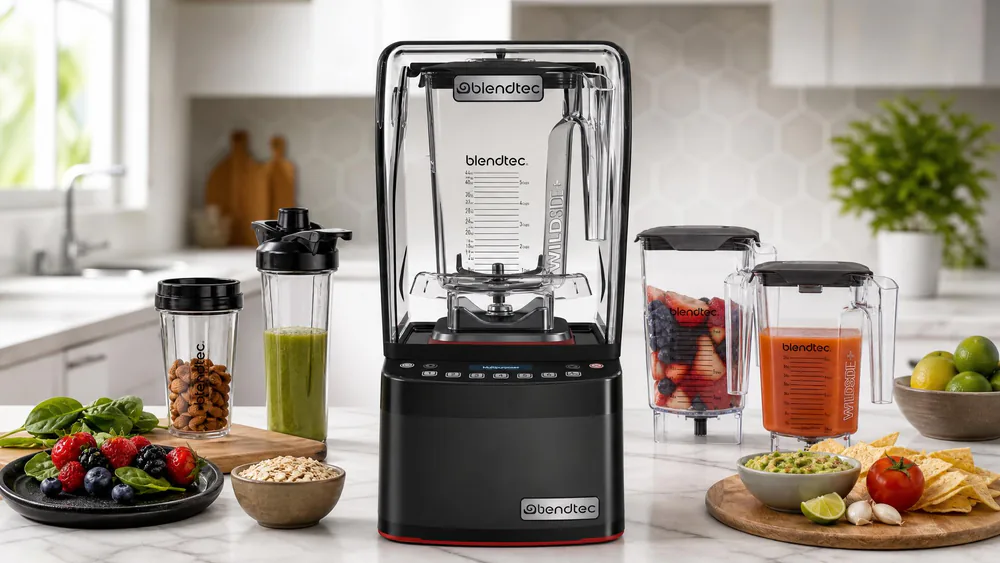
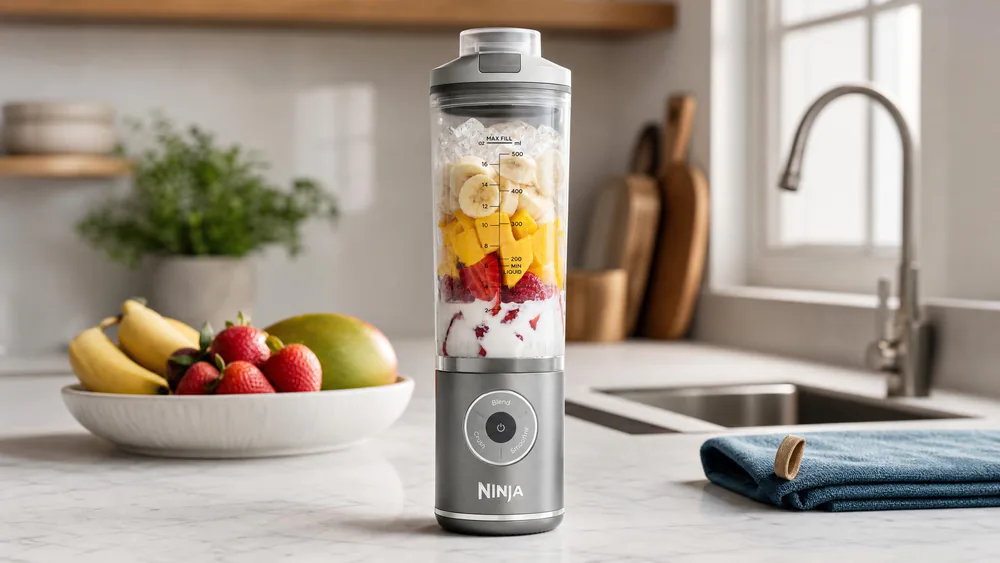
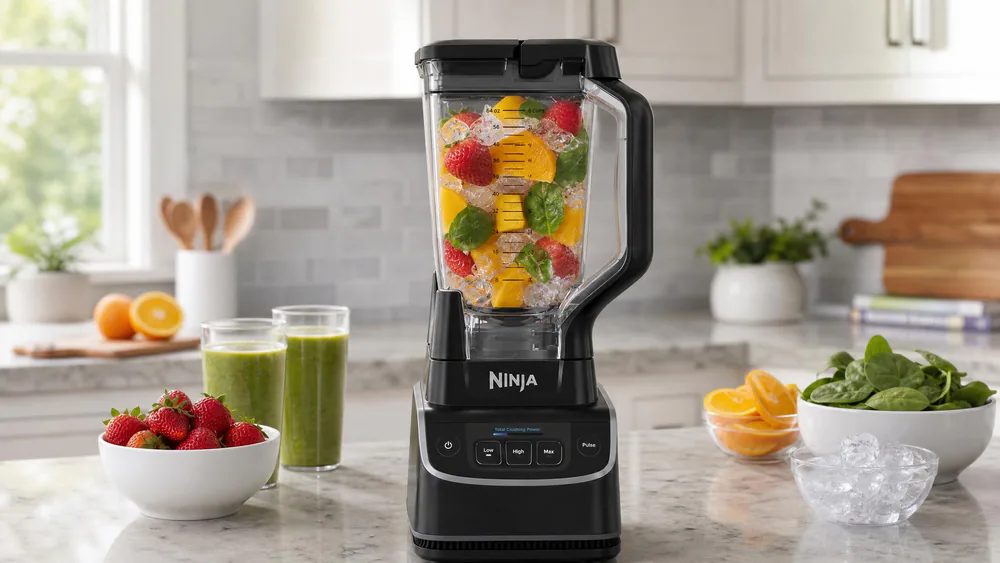
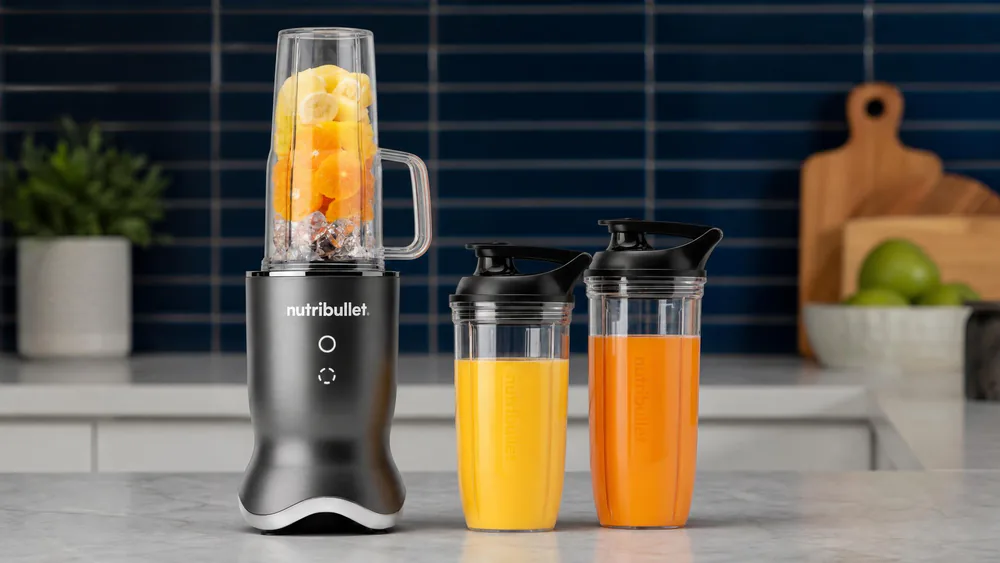
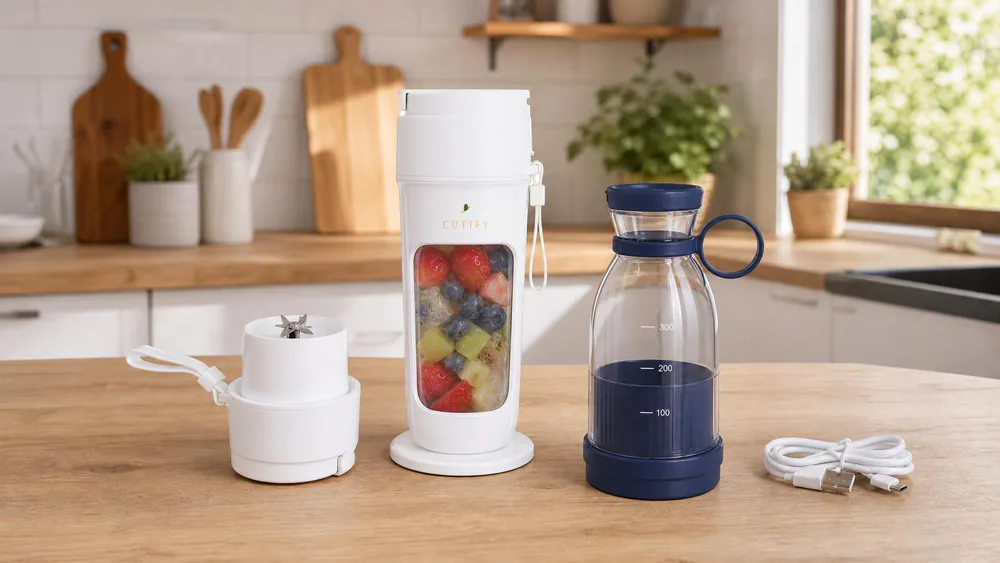
Nine winners aside, the market splits into a few decisions that matter more than brand.
Motor power and speed settings
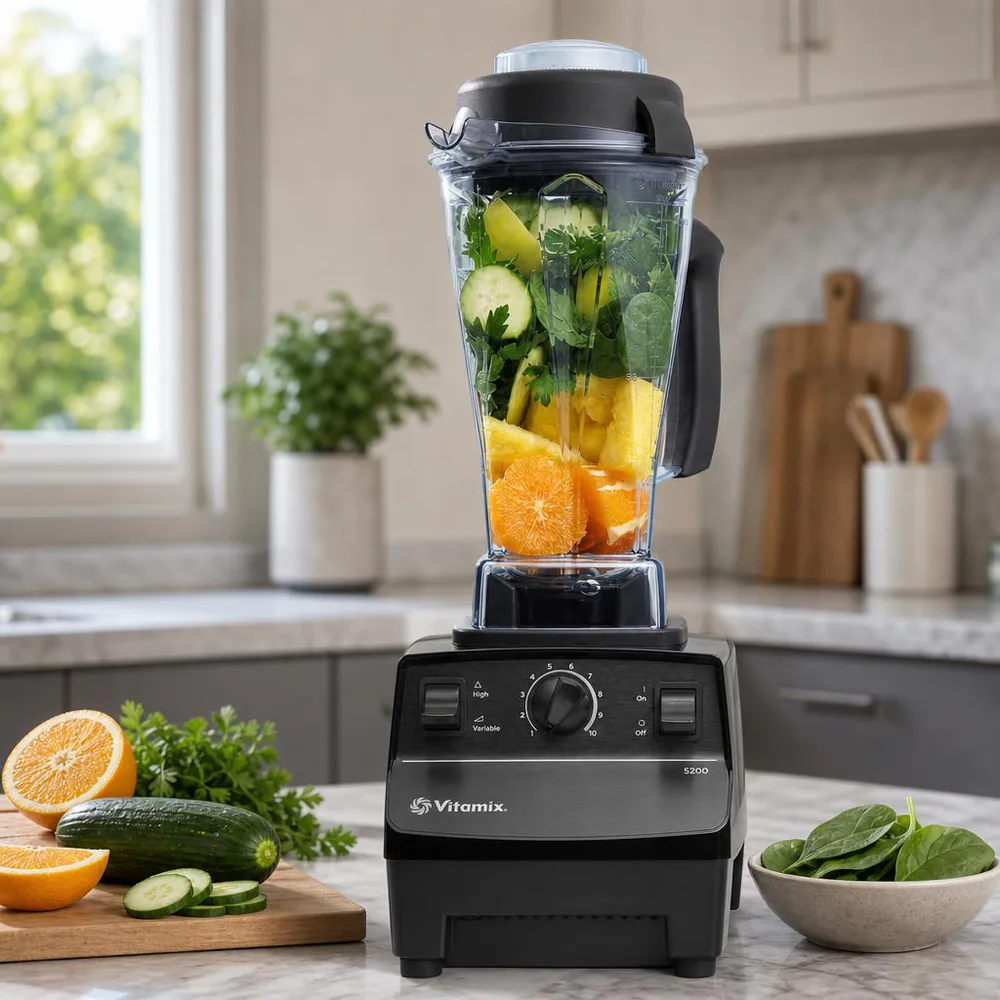
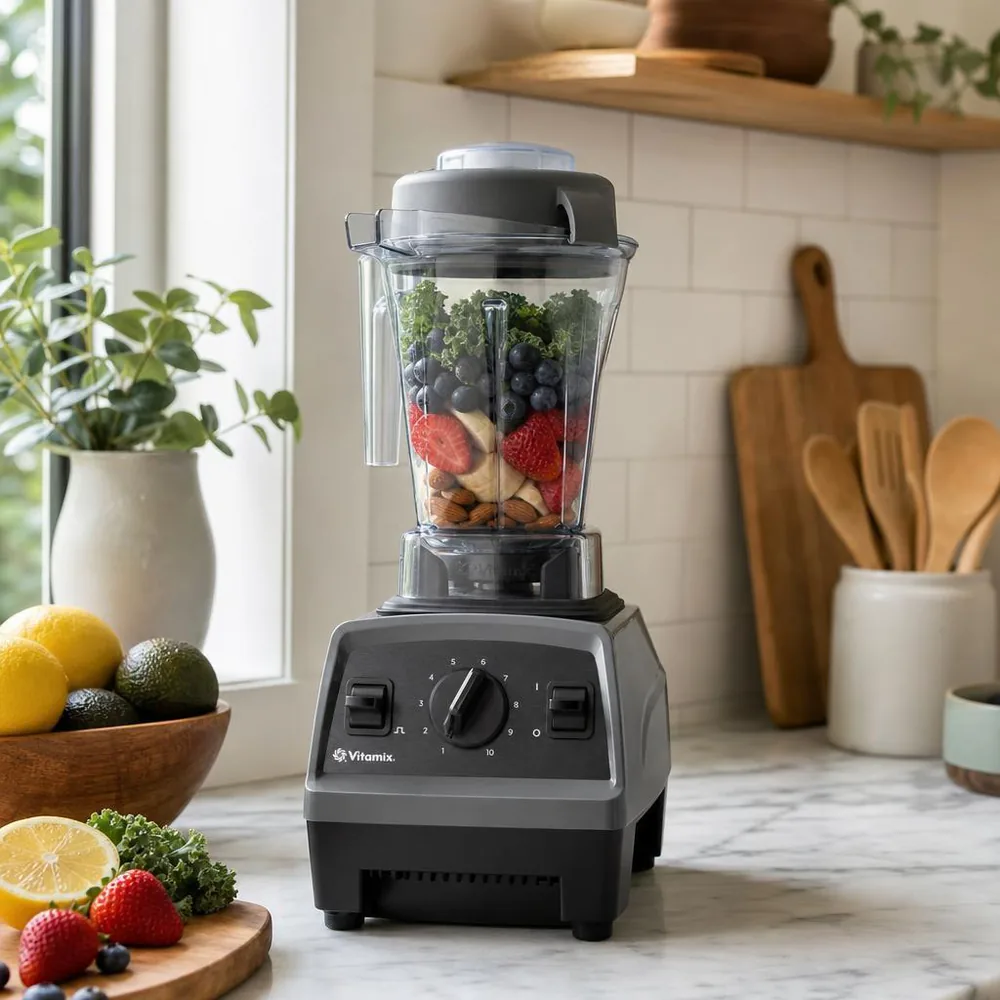
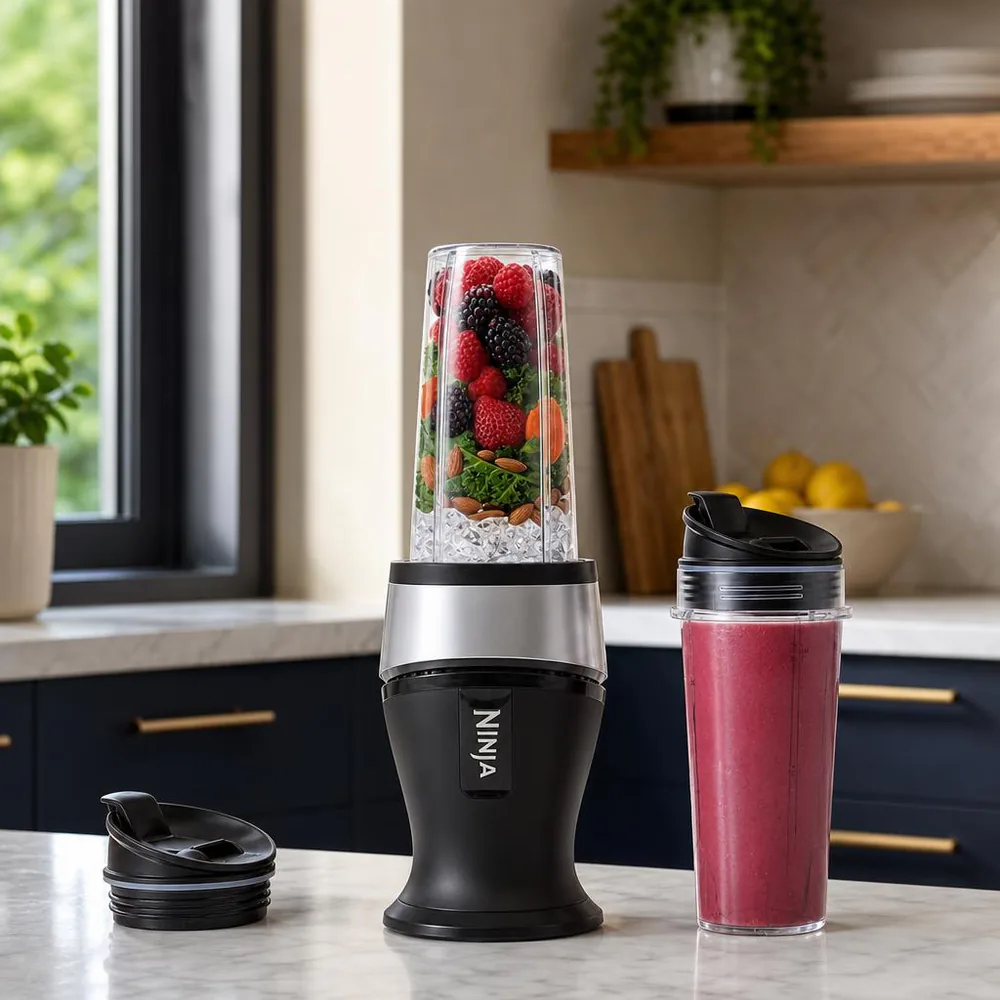
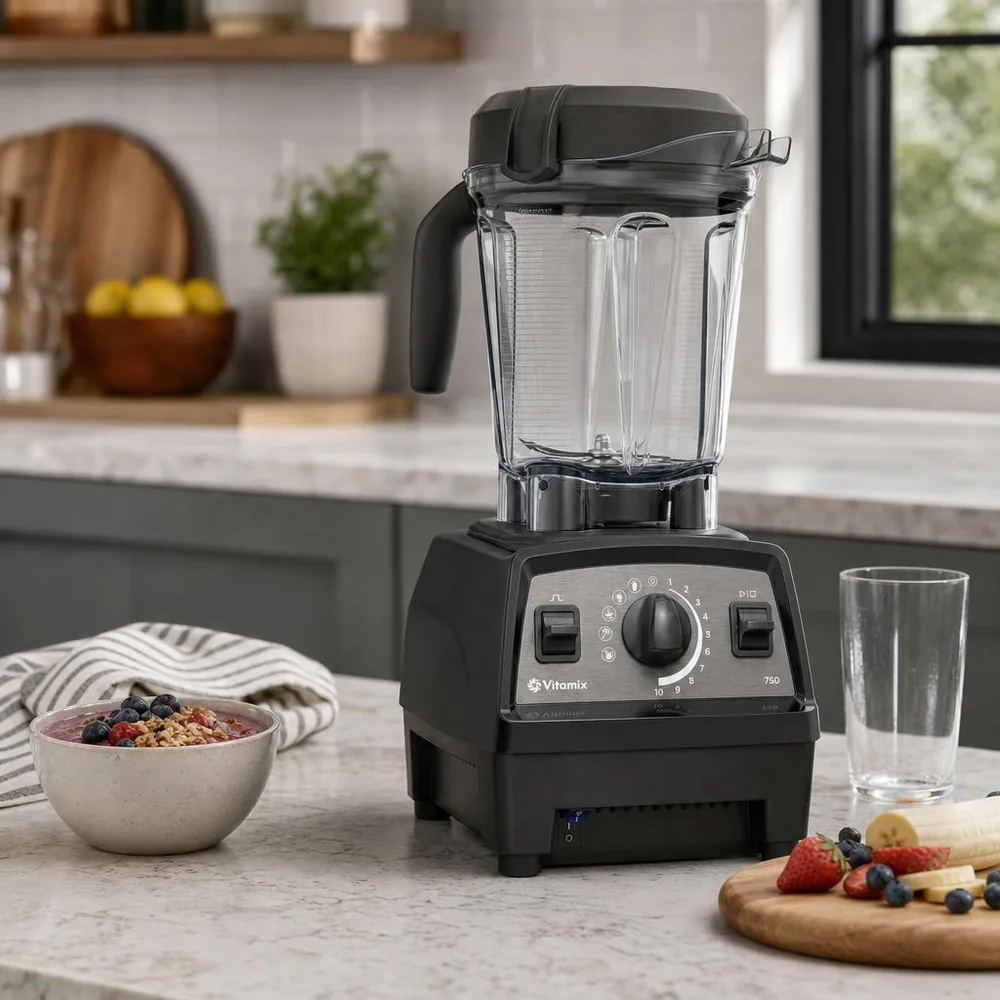
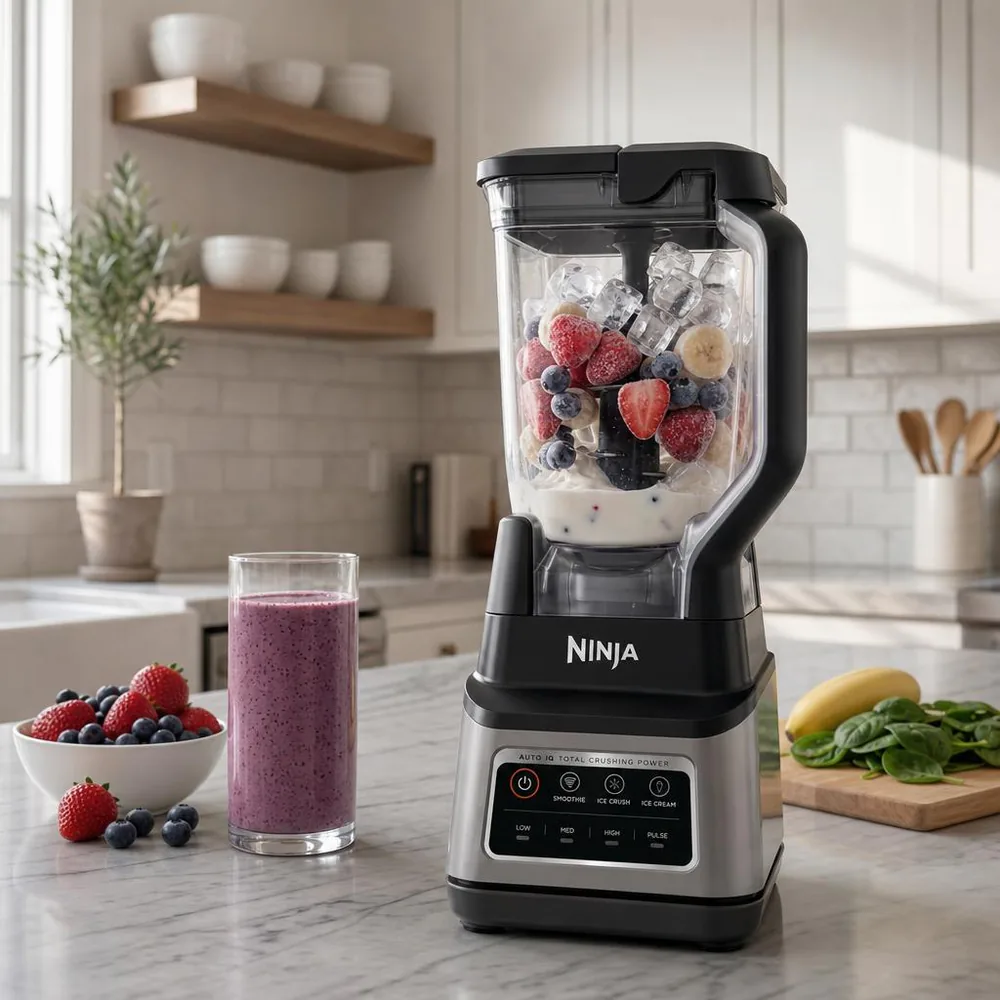
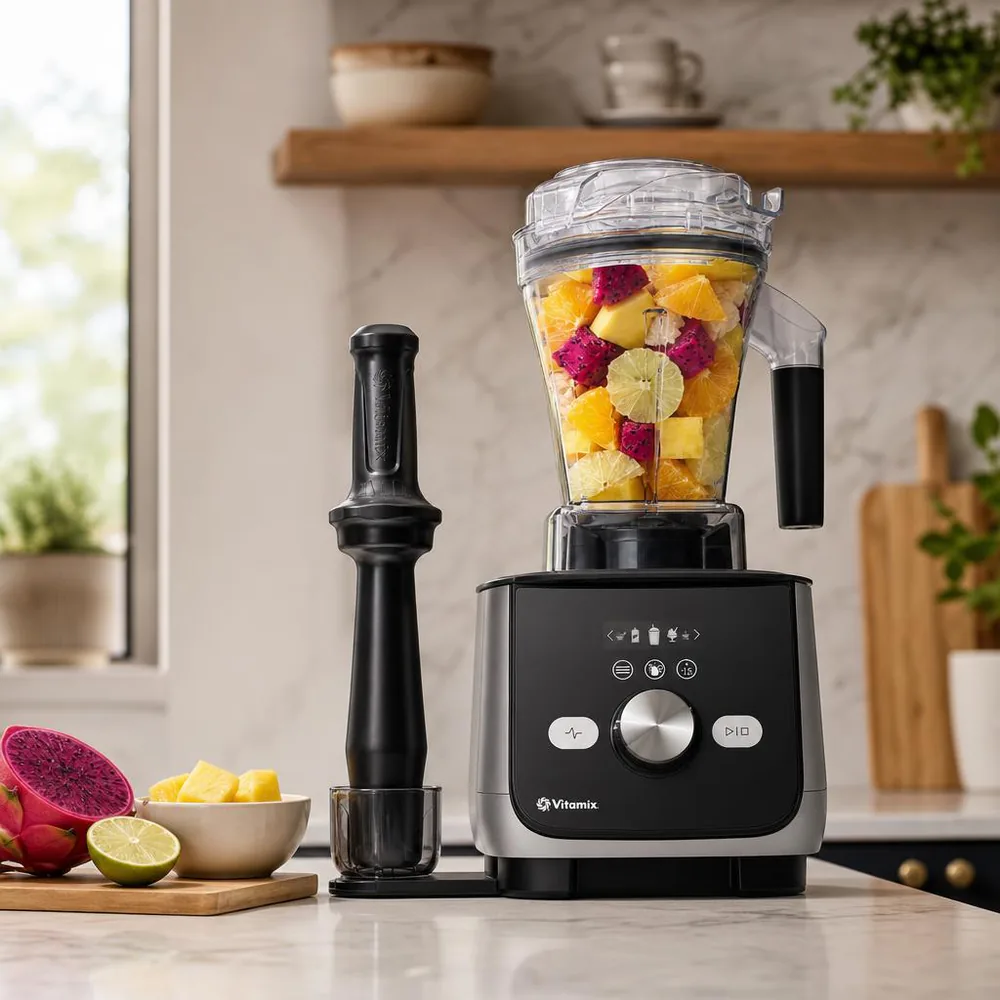
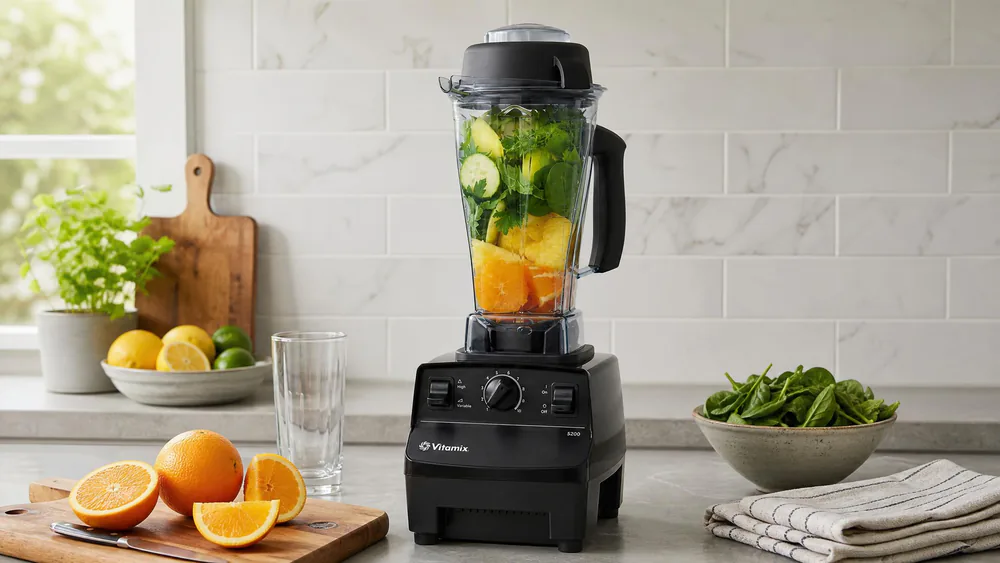
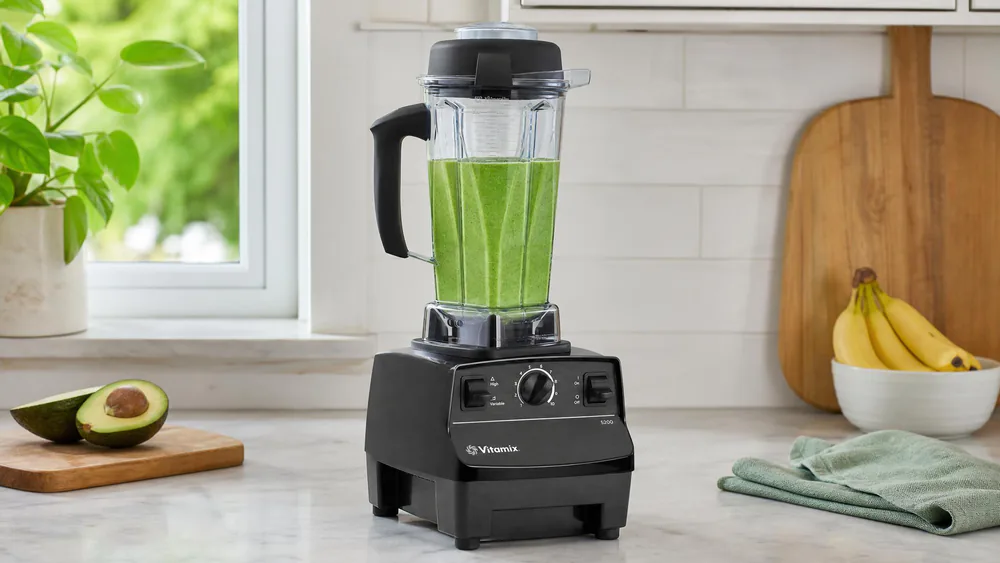
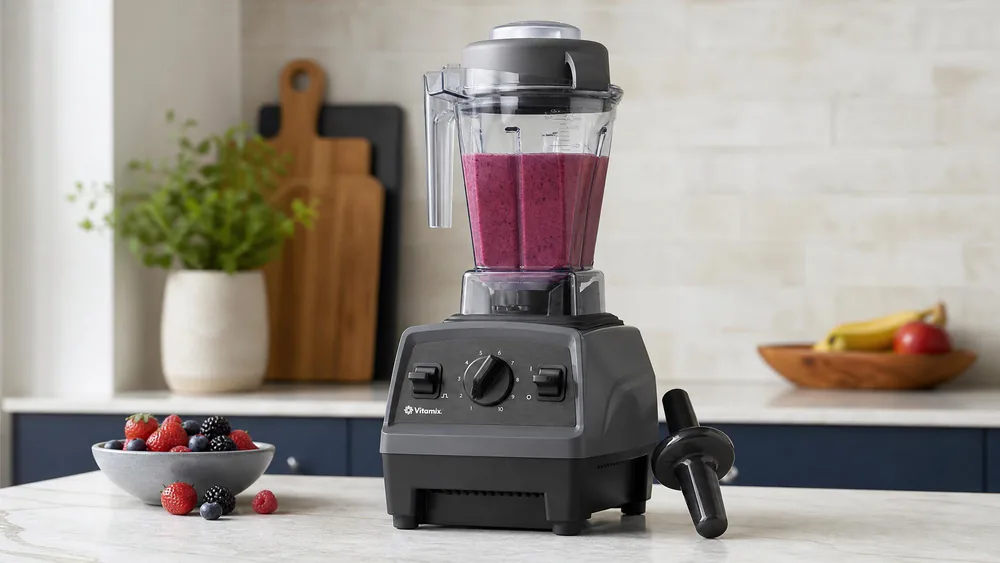
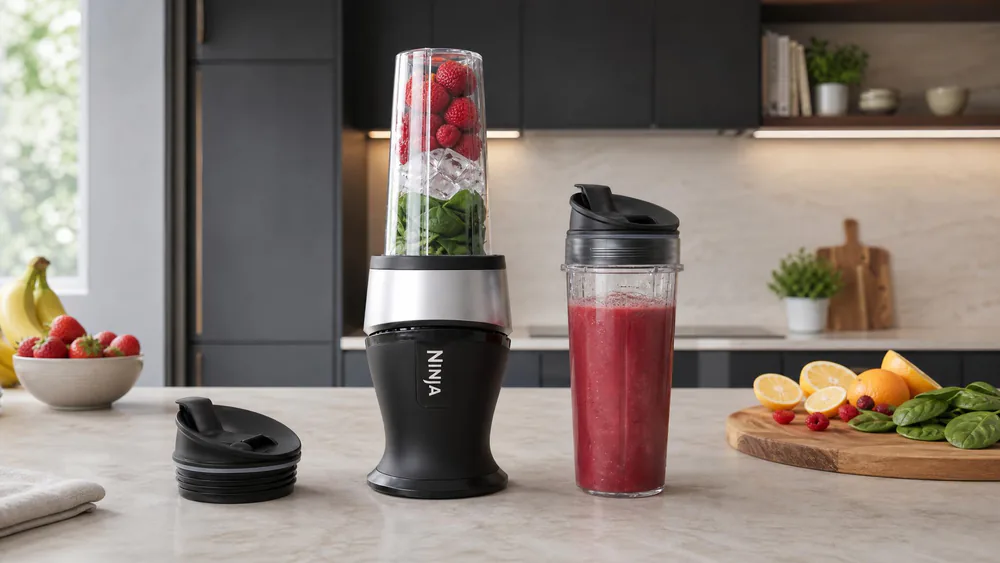
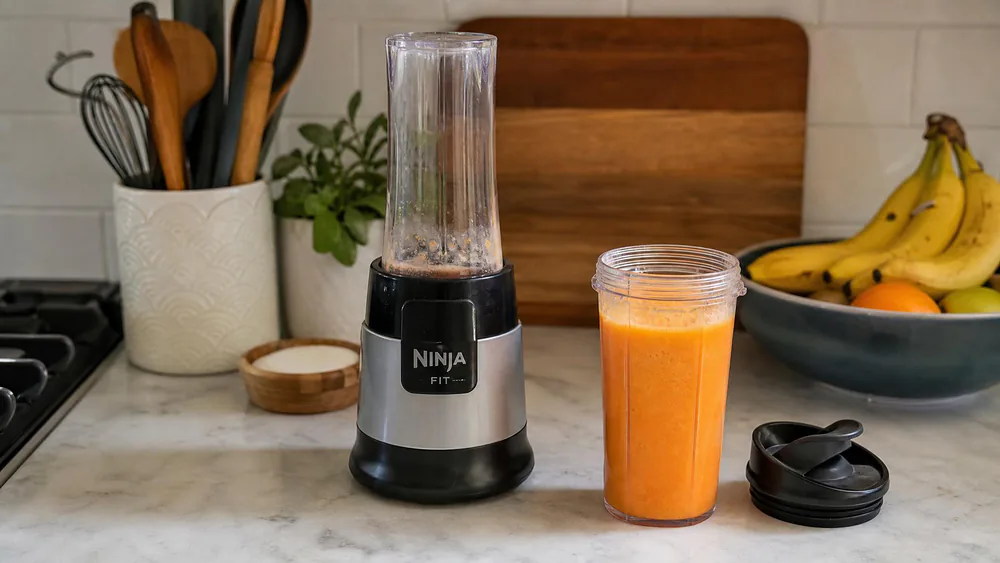
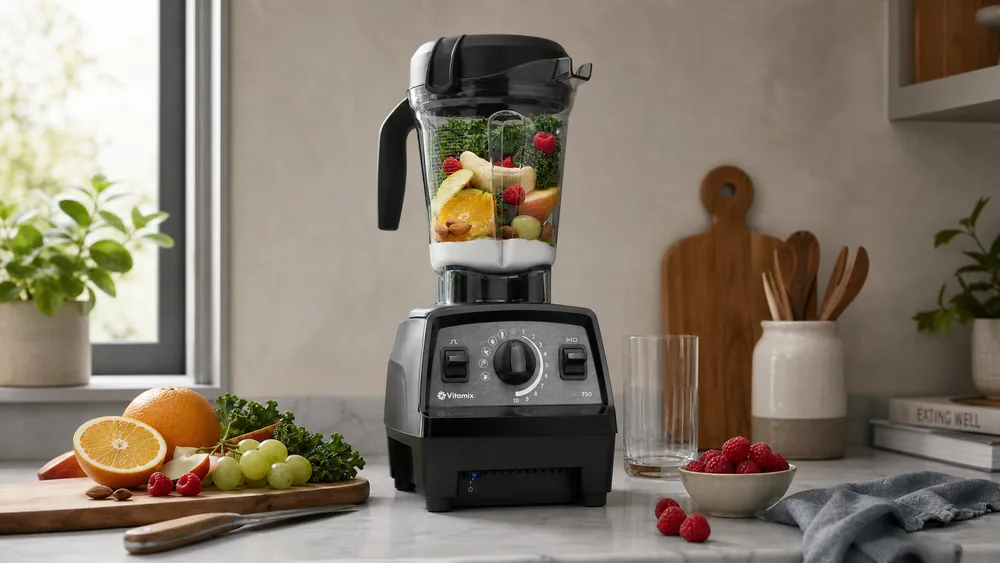
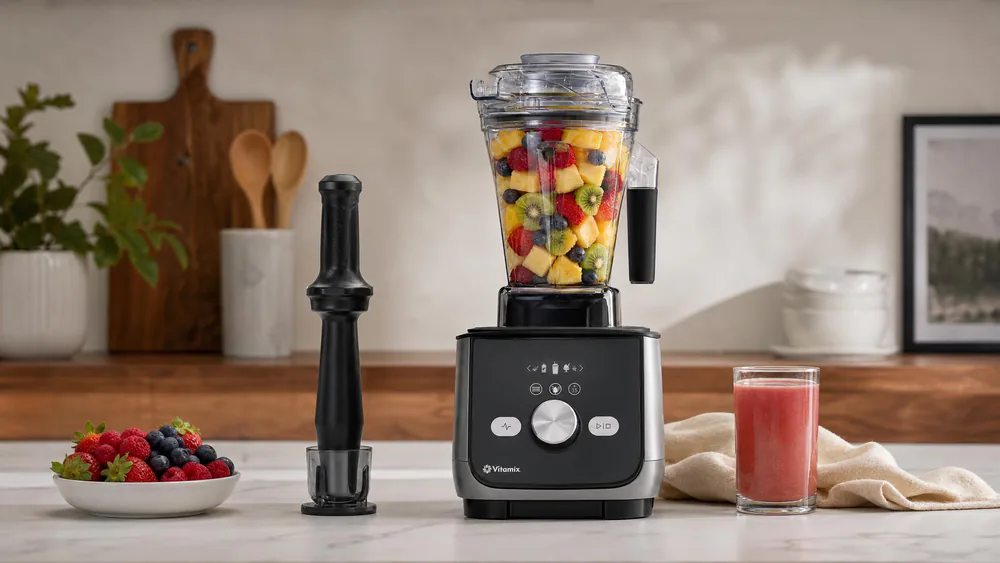
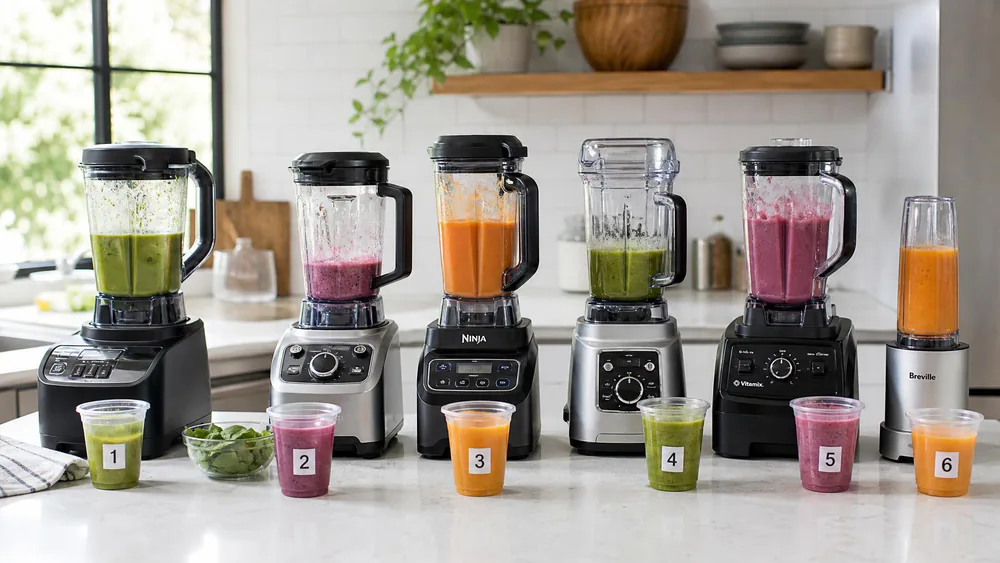
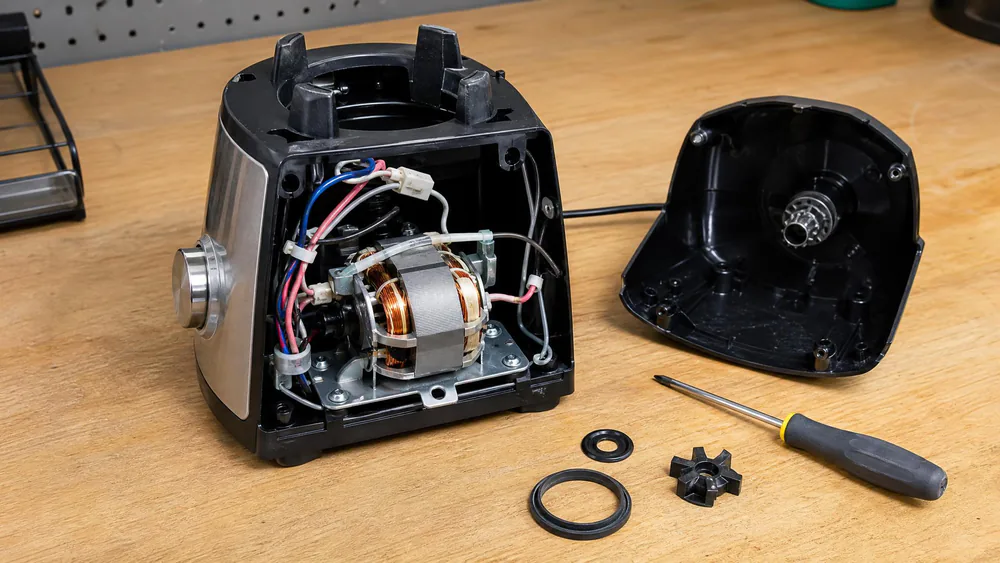
Horsepower and watts measure different things. Ninja quotes peak watts, 1100 to 1400 in this roundup. Those are rated figures, not a measured wall draw. Treat them as a comparison between models from the same brand. Vitamix and Blendtec quote horsepower, 2 to 2.2 HP here. It is a rating you can hold against a loaded jar. The practical floor is similar either way. About 900W, or a 2 HP equivalent, handles frozen fruit, ice, and greens in a full jar. Personal machines like the Ninja Fit get by on 700W in single cups, with more pulsing. Variable speeds matter more than top wattage for thick blends like hummus and nut butter. A tamper pushes those batches into the blades. That is why the 5200, the E310, and the Propel 750 all ship with one. Price tiers map cleanly. Under $100 buys a capable single-serve machine. $100 to $250 buys a full-size pitcher. $300 and up buys premium motors and long warranties.
Jar size, shape, and material
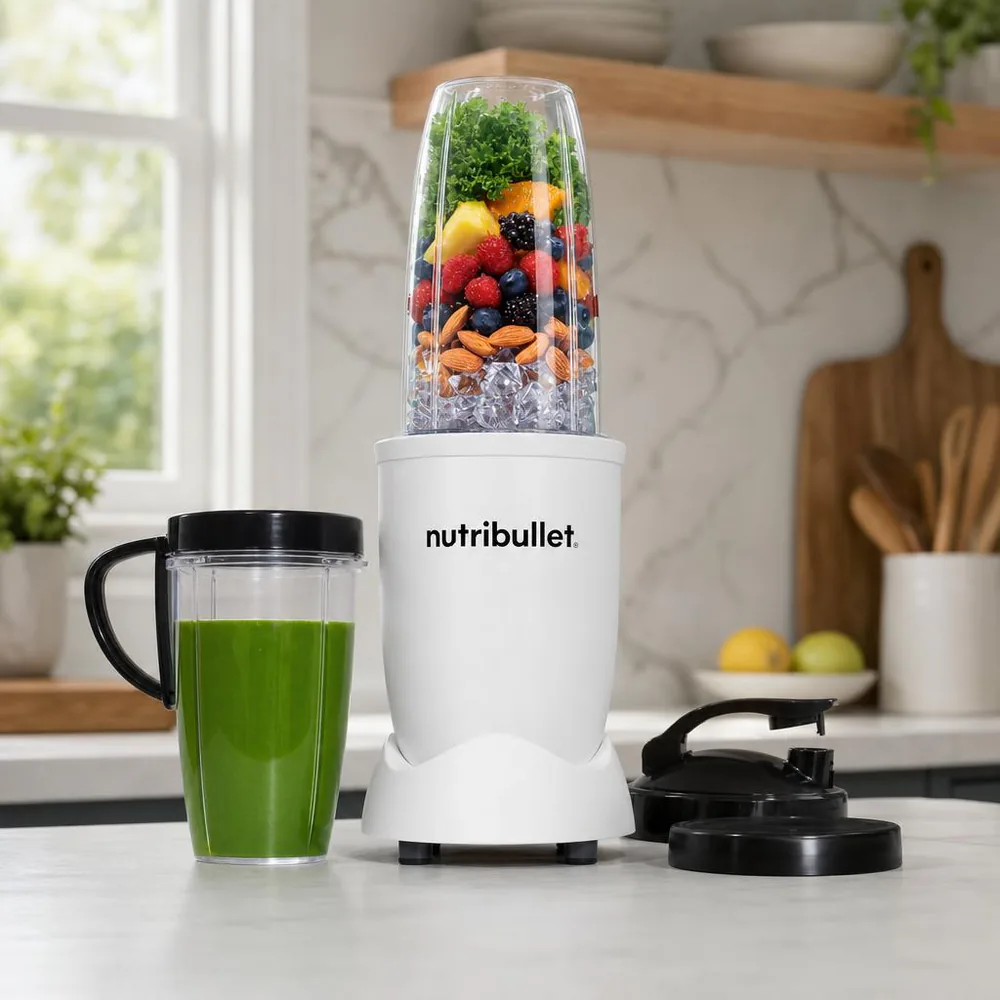
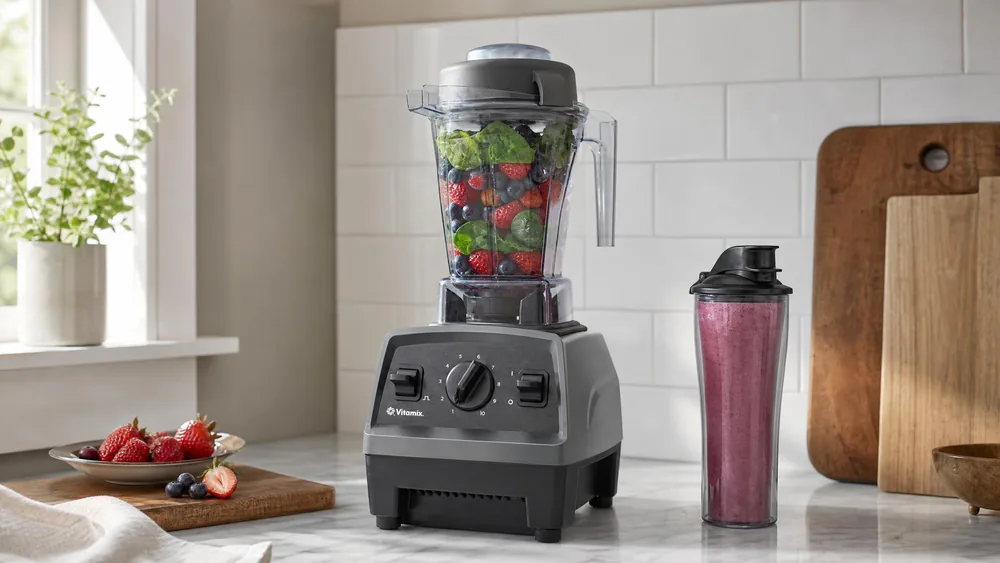
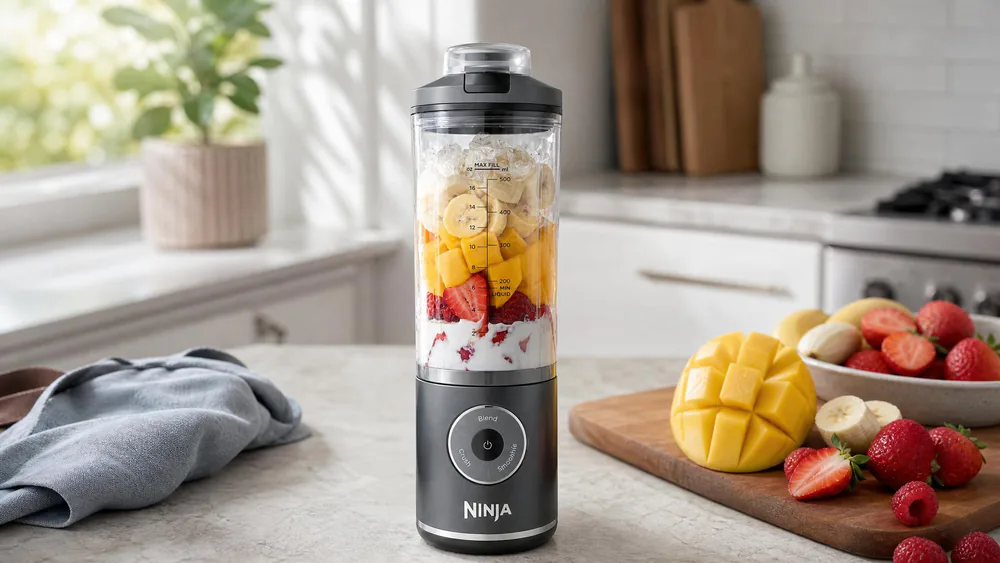
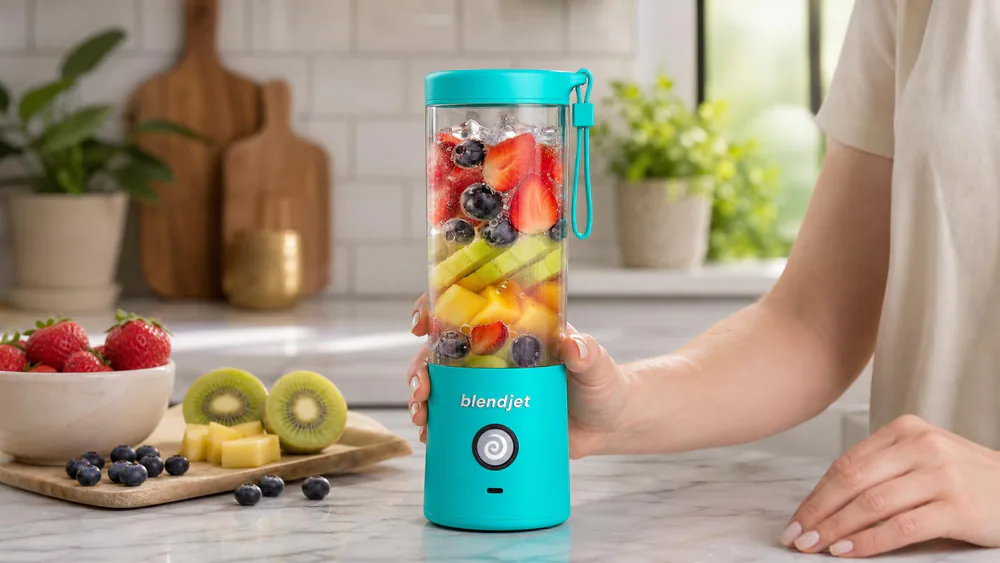
Capacity is the first question. Sixteen to 24 ounces suits one person. Thirty-two ounces makes a generous solo smoothie. Forty-eight ounces suits a couple. Sixty-four to 72 ounces covers a family or a party. The 72-ounce BN701 pitcher and the tall 5200 jar both need cabinet clearance. Low-profile jars like the Propel 750's became a selling point in our kitchen. BPA-free plastic keeps weight down. Glass resists scratches but adds pounds and can break. Plastic plus heat is the honest caveat from our tracking. Some Ninja pitchers crack in dishwasher drying cycles, so use the top rack with heated dry off. Want single-serve cups on a full-size Vitamix base? The personal cup adapter package fits newer bases. It turns the motor into a two-machine setup.
Presets and smart features
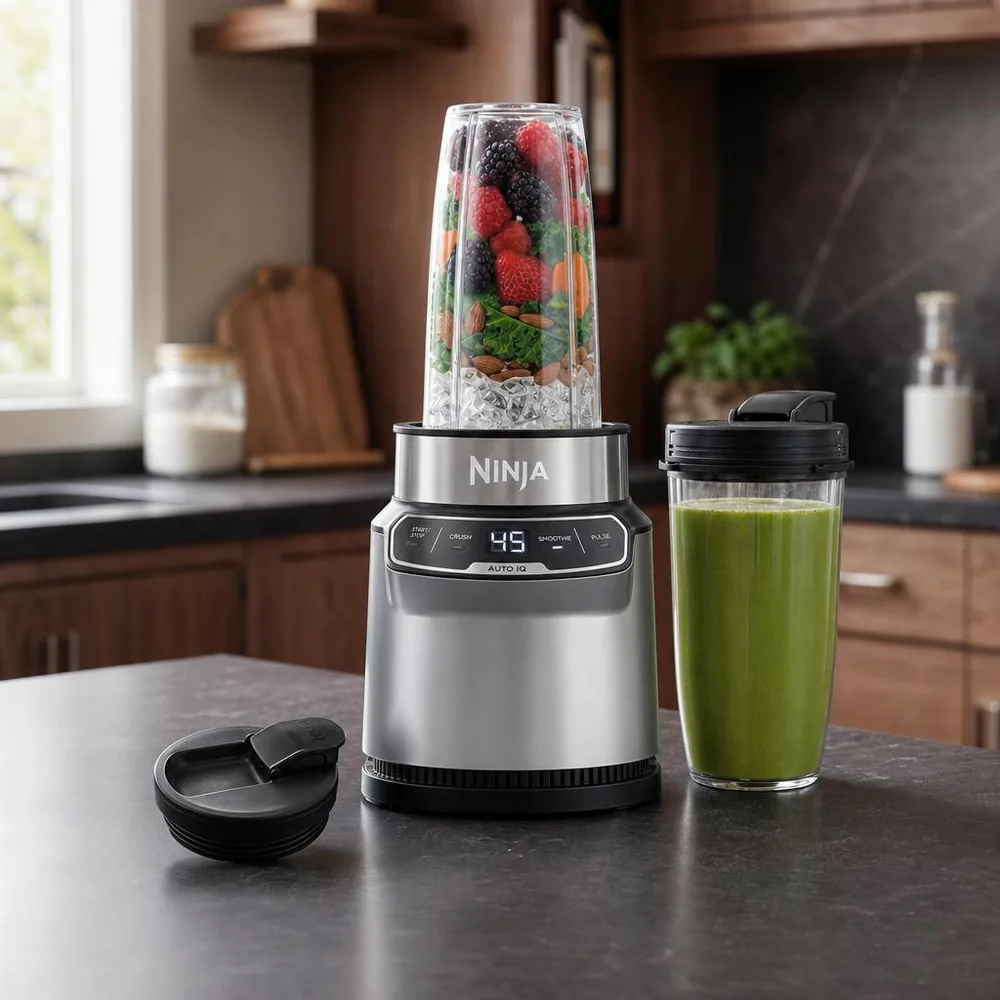
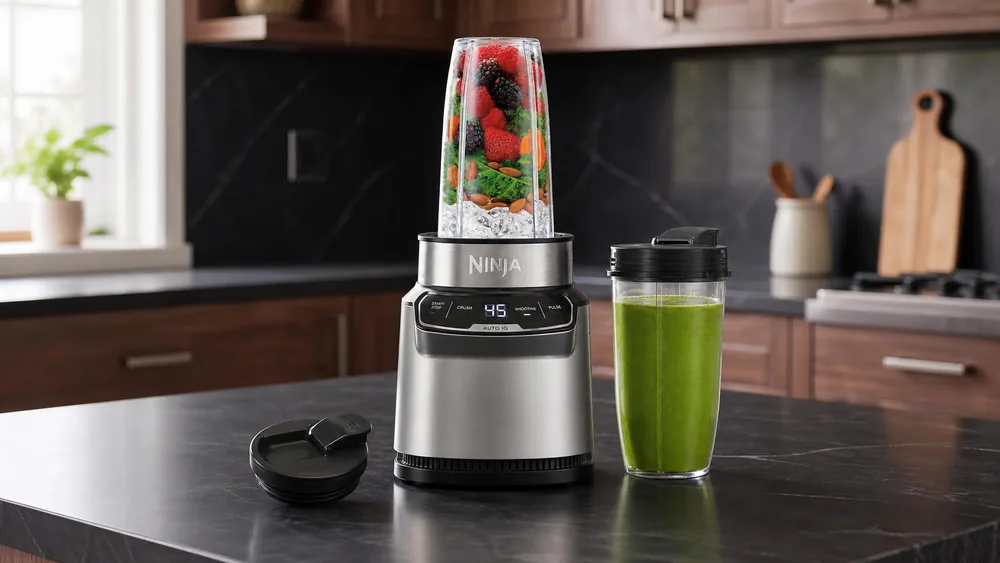
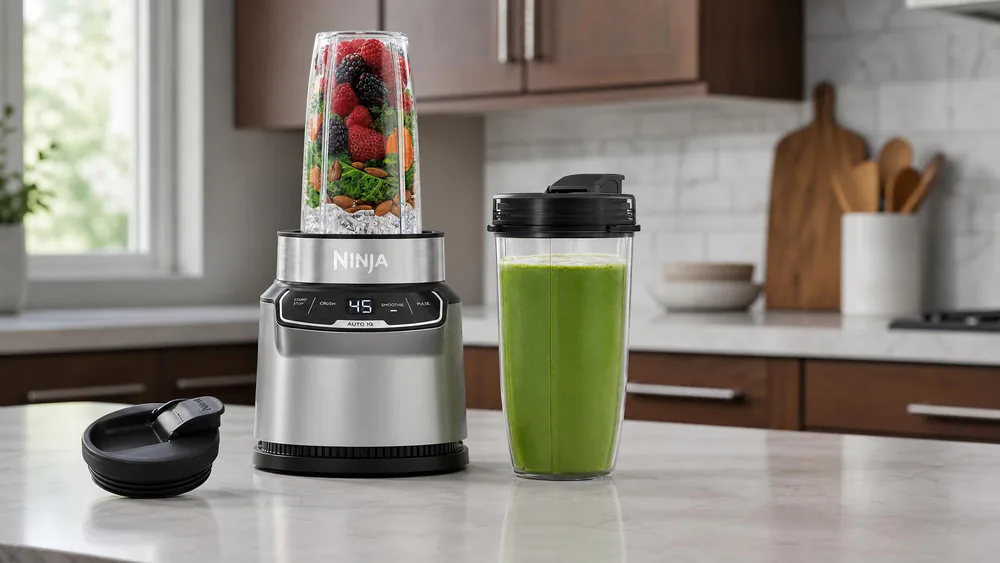
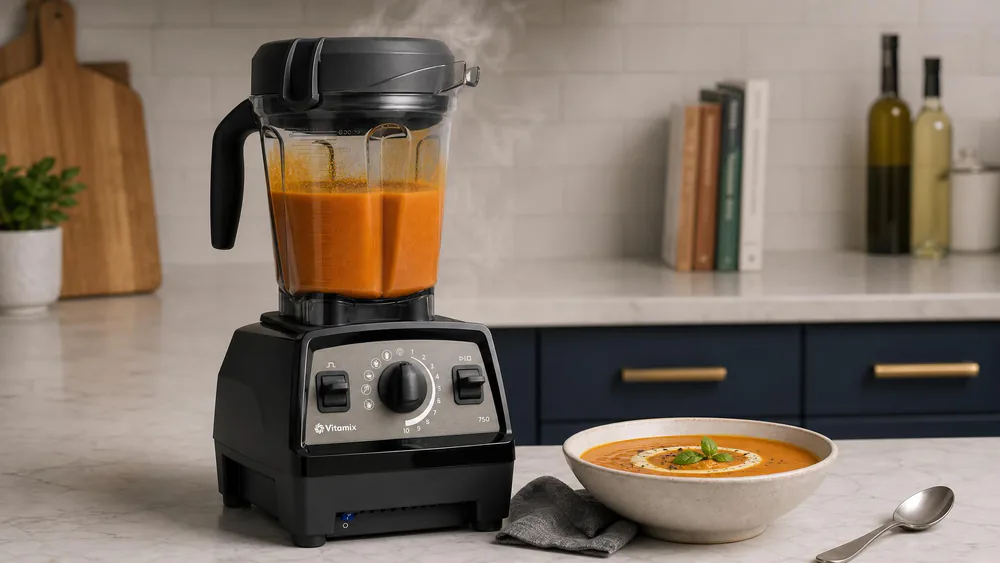
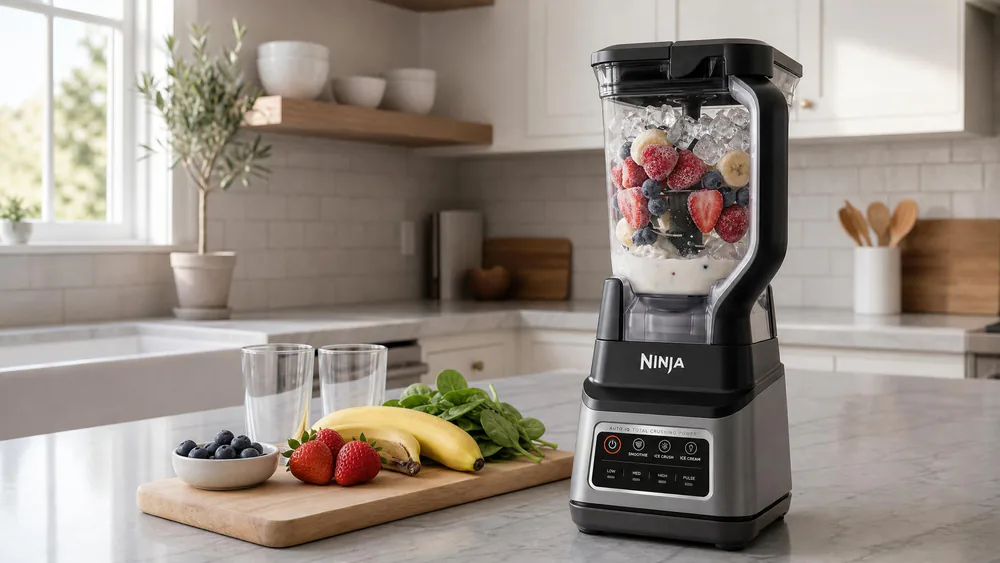
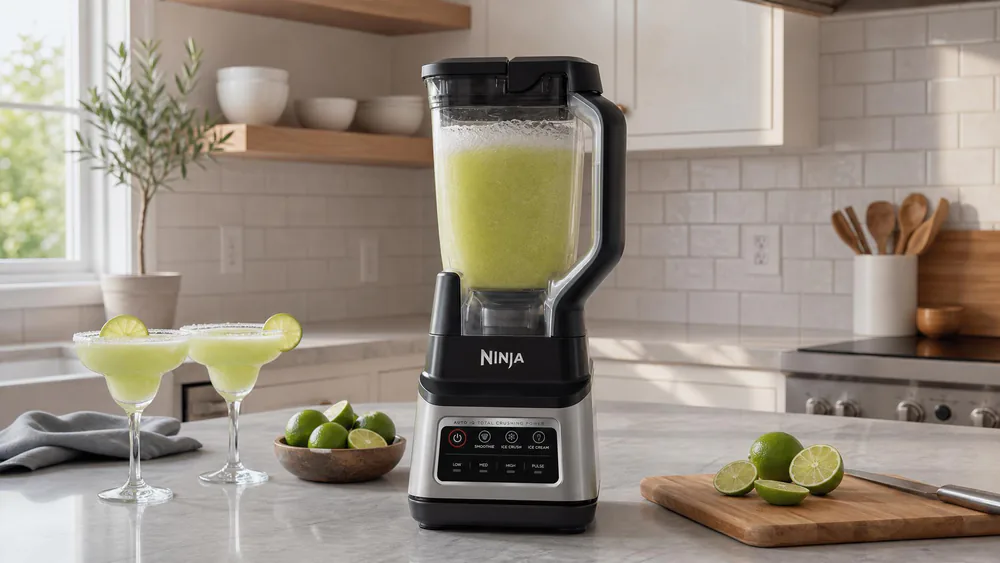
Presets are timed pulse patterns that run the blender for you. Ninja's Auto-iQ programs are genuinely useful, with two on the BN401 and three on the Blast Max and BN701. The BN701's Frozen Drinks program is the rare preset that works exactly as advertised. Vitamix goes further on the Propel 750 and Ascent X5 with recipe programs. Hot Soup runs a full heat-and-blend cycle in the jar. The Ascent A3300, by contrast, delivers its 17 programs through the Perfect Blend app rather than on the machine. Our take: presets are conveniences, not performance. Do not pay extra for program count alone.
Noise level
Blenders are the loudest small appliance in most kitchens. Independent measurements put most full-size machines in the low-to-mid 80s decibels at the counter. The same lab measured the Breville Super Q at 82.4 dB despite its noise-suppression marketing. The Cuisinart Hurricane Pro hit 86.4 dB, the loudest in that test. The Blendtec 800 is the outlier for the right reason. Its sealed sound enclosure measured about 67 dB, close to conversation level. The rest of our picks are loud but short. A 30-to-50-second smoothie is over before the noise becomes a problem. If you blend before anyone else wakes up, weigh run length and decibels together.
Warranty
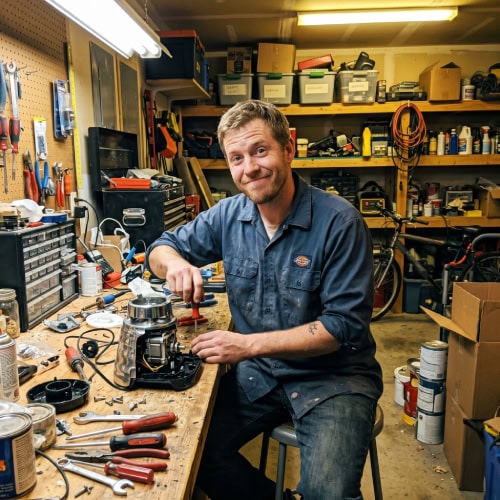
The warranty is the best single predictor of how long a blender will last. This roundup spans the range. Ninja carries one-year terms, standard for the category. NutriBullet does not publish its term. The Vitamix E310 gets five years. The 5200 and Propel 750 get seven. The Ascent X5 and Blendtec 800 get ten. From a repair bench perspective, that spread reflects parts policy. Vitamix sells motors and jars for years after purchase. A $70 blender is usually cheaper to replace than repair.
Ease of cleaning and storage
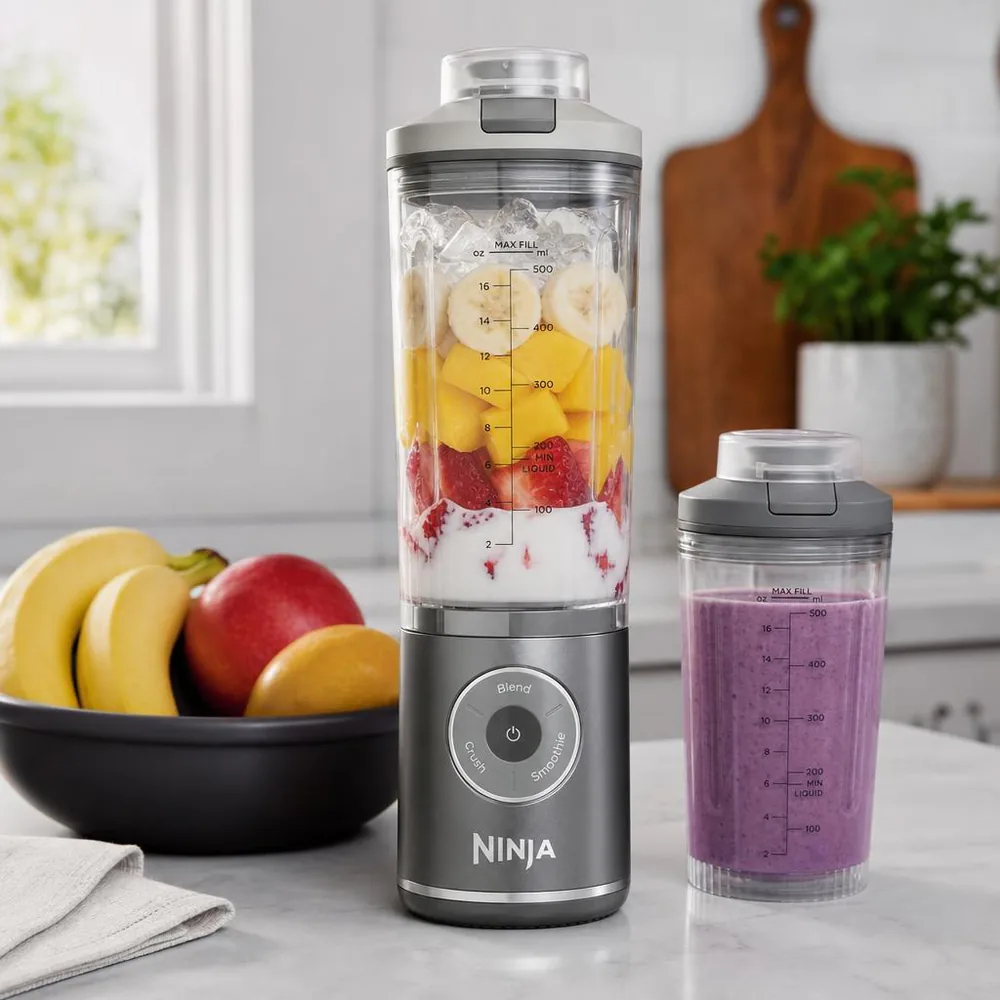
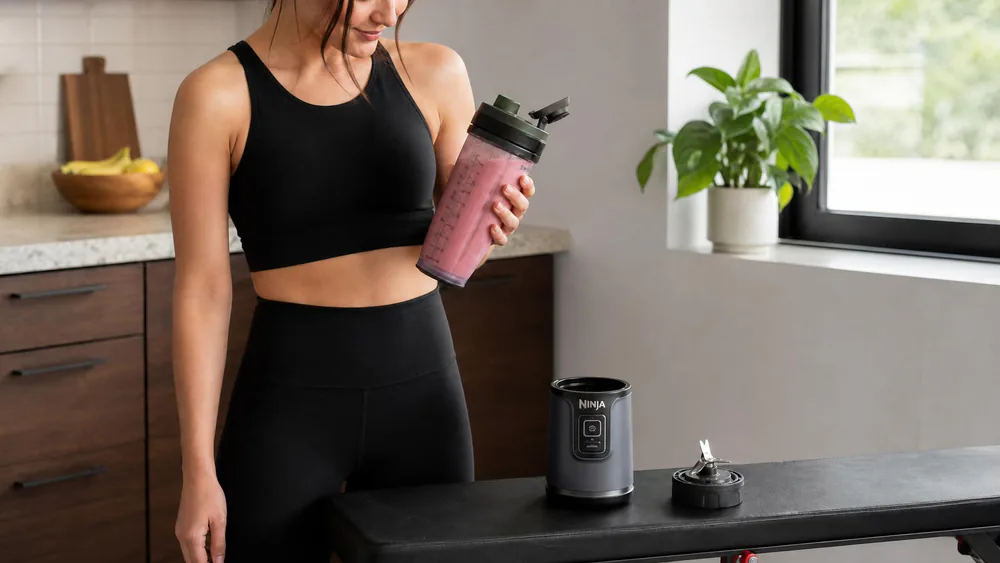
Every pick in this roundup cleans in minutes, but the fastest path differs. Vitamix machines self-clean in 30 to 60 seconds with warm water and a drop of dish soap. Personal cups twist off their blade assembly so the gasket can be rinsed. Most parts are top-rack dishwasher-safe with heated dry off. Storage is the other half. Low-profile jars clear standard cabinets. Tall jars like the 5200 need height. Cordless models like the Blast Max store in a drawer. If your blending is limited to dressings and single portions of soup, an immersion blender takes a fraction of the space. It is a different tool for a narrower job.