As an Amazon Associate we earn from qualifying purchases. We may earn a commission from links on this page, at no extra cost to you. Learn more.
Cutting cold butter into flour with a fork is a losing race against your own hands. The fork tines slip, the butter smears, and your warm fingers melt the fat before it ever reaches the pea-sized pieces that a good crust needs. A pastry blender fixes that in about a minute. It is a simple handheld tool, curved blades or wires set into a grip, and it cuts cold butter into flour so hand warmth never softens the fat that builds flaky layers.
We spend a lot of our baking week on exactly this problem: stiff biscuit dough, all-butter pie crust, and scones that fall apart if the fat warms up. That bench experience is what shaped this list. We wanted to know which pastry blenders stay rigid through partially frozen butter, which handles stop aching after the third batch, and which ones rinse clean instead of trapping dough in their rivets.
Our testing window ran about two weeks, and every one of the ten blenders cut the same three fat-cutting jobs: all-butter pie crust, buttermilk biscuits, and scones, roughly three to four doughs apiece. Running each tool through the identical rounds is the only way to judge them fairly, so nothing on this list rests on a single lucky pass.
Top 3 Pastry Blenders at a Glance
If you want the short version, these three are the picks we would hand to most bakers before they read another word. The full field and the reasoning follow below.
Before the full reviews, here is the whole field side by side. Use it to spot the split that matters most: stiff flat blades cut cold butter faster and finer, while thinner wires stay lighter and gentler for delicate mixing.
Model
Blade type (wire/stainless)
Handle material
Blade count
Dishwasher safe
Price
Spring Chef Dough Blender
Stainless blade
Soft-grip rubber
Solid curved blades
Yes
~$9.99 (medium)
OXO Good Grips Dough Blender
Stainless blade
Soft non-slip
Blades
Yes
~$16.95
Rainspire XL Pastry Cutter
Stainless wire (403)
TPE soft grip
5
Yes
~$7.98
KitchenAid Gourmet Pastry Blender
Stainless wire (420)
Soft rubber
5
Yes
Varies
Mrs. Anderson's 6-Wire Pastry Cutter
Stainless wire
Wood
6
No (hand wash)
Varies
Norpro Deluxe Pastry Blender
Stainless blade (18/10)
Rolled
4
Yes
Varies
Winco 5-Blade PST-5B
Stainless blade
Stainless
5
Yes
Varies
Cuisipro Deluxe Pastry Blender
Stainless blade
Oversized comfort
6
Yes (top rack)
Varies
Last Confection Pastry Cutter
Stainless blade
Stainless one-piece
5
Yes
~$8.49
KitchenAid Pastry Beater
Mixer attachment
N/A (mixer)
N/A
Yes
Varies
How We Tested
Our approach is boring on purpose. We buy the tools ourselves, then run each one through the doughs that punish equipment: all-butter pie crust, stiff buttermilk biscuits, and scones that need cold fat to stay tender. We scored every blender on how cleanly it cut cold butter into flour, how the handle felt after several batches, how rigid the head stayed under real pressure, and how fast it rinsed clean afterward.
We keep the butter cold and firm for every test, straight from the fridge and sometimes ten minutes in the freezer, because a blender that only works on soft butter is not really doing the job. We also note where each tool flexes or stalls, since a head that bends is a head that smears fat instead of cutting it.
The score that separates the good blenders from the bad ones comes down to timing. We clock how fast each tool turns cold butter and flour into an even, pea-sized crumb, and a well-cut crust gets there in under about thirty seconds. Tools that leave big smears of unbroken butter, or that take much longer to reach a uniform crumb, lose points, and we repeat the same pie-crust-then-biscuit sequence on every blender so the results line up against each other.
Tip. Chill everything, not just the butter. We keep the flour and even the pastry blender itself in the freezer for ten minutes before cutting a delicate crust, which buys you extra time before the fat starts to soften.
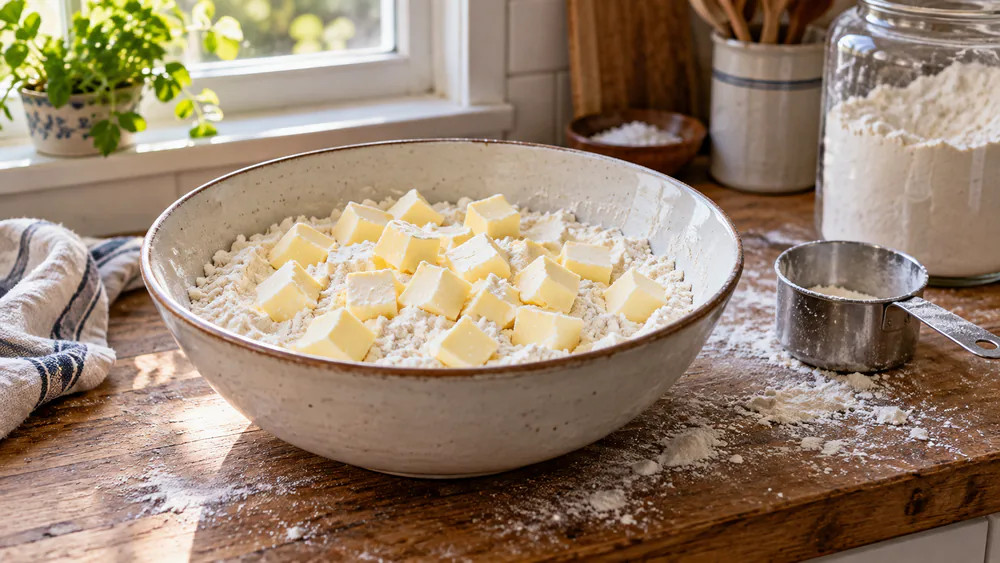
We start every test with firm, fridge-cold butter cubed into flour.
The 10 Best Pastry Blenders Reviewed
Ten tools, ranked by how they performed on the bench. The stainless flat-blade models lead for raw cutting power, but a few wire and specialty picks earn their place for comfort, price, or a specific kind of baker.
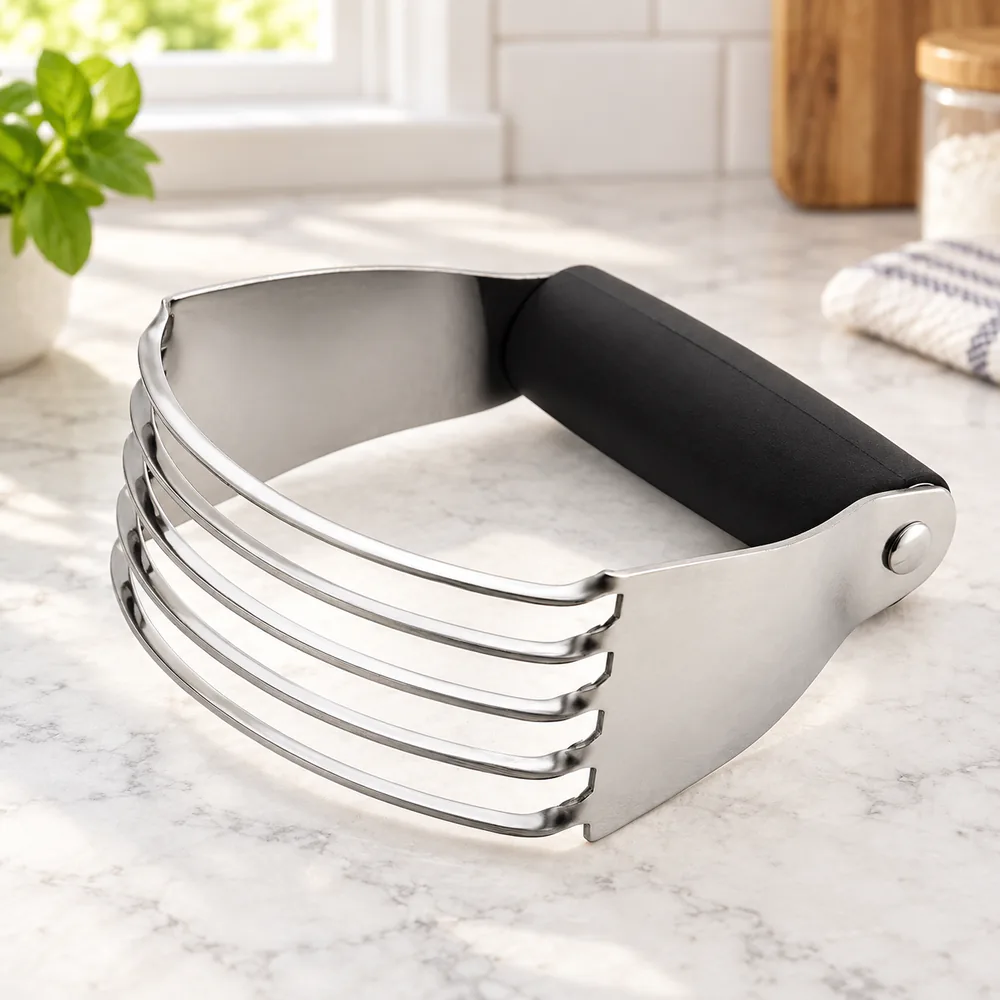
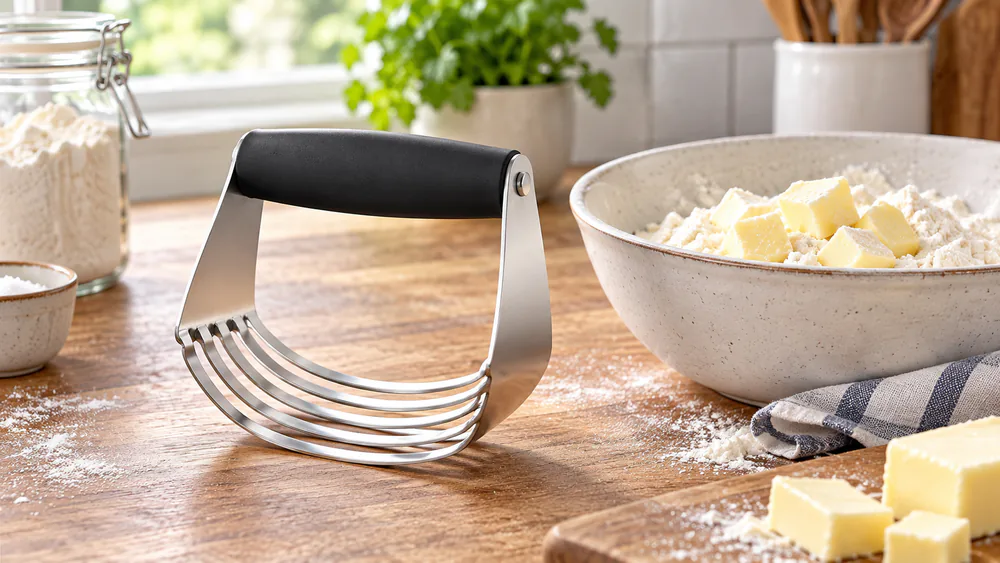
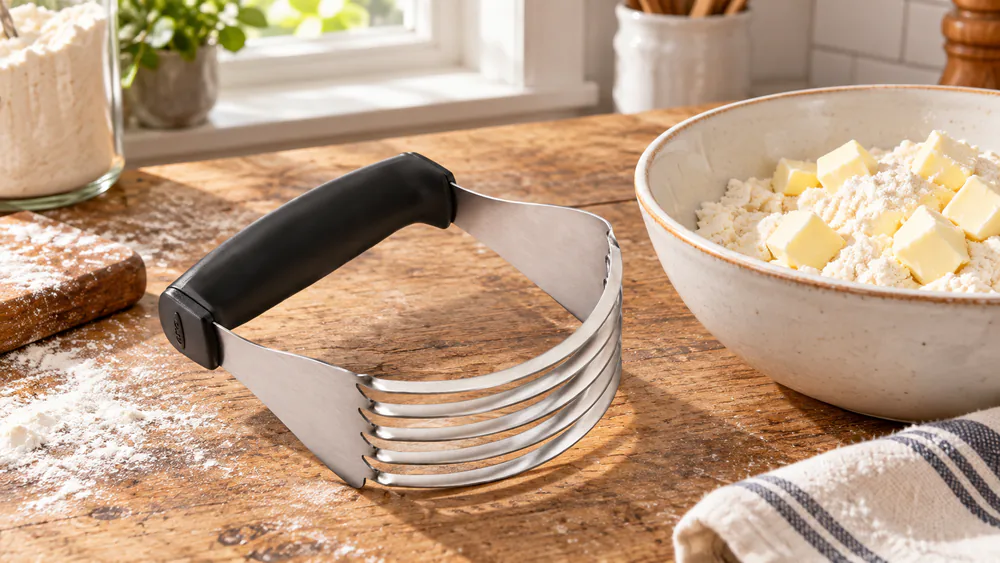
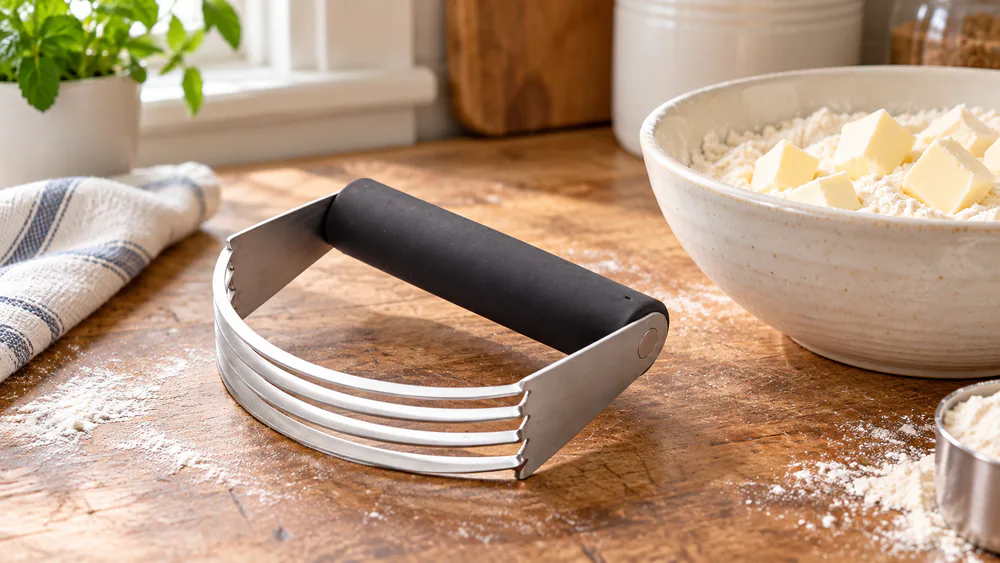
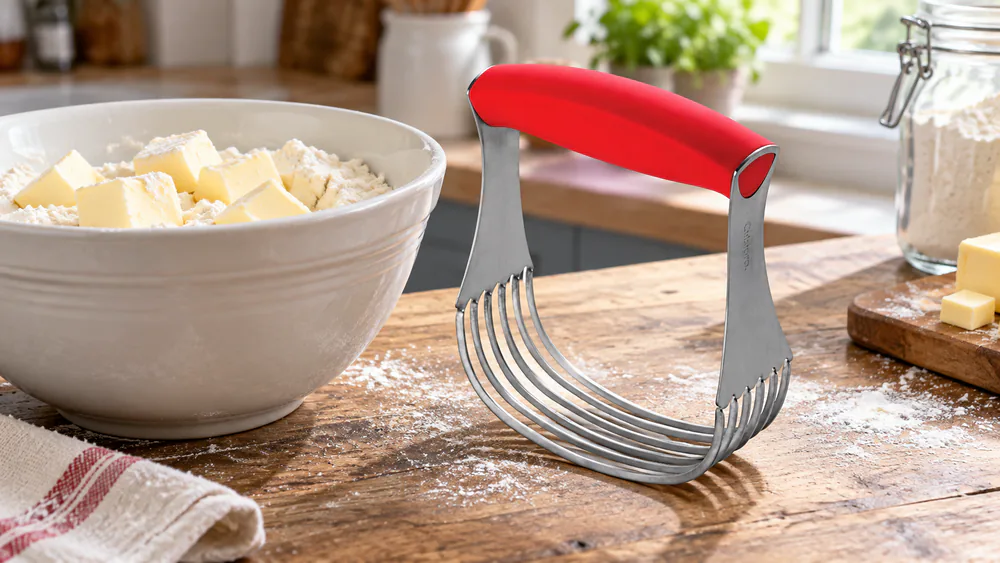
The Spring Chef is the blender we reach for without thinking, and it earns that reflex. Its flat stainless blades stay rigid and do not bend when you push them through partially frozen butter for biscuits, exactly where flimsy hoop-style blenders flex and stall. That stiffness is what lets you work fast and reach pea-sized pieces before the fat warms. The thick soft-grip handle absorbs the pressure your palm puts down, so a full batch of crust does not leave your hand aching.
Cleanup is just as easy. It washes clean in the dishwasher and has held up in our kitchen as the kind of tool that replaces an old worn-out blender for years, not months. One honest note on sizing: the medium head can feel small in a large bowl, narrower than four fingers, so bigger hands and big-batch bakers should step up to the large size. At roughly $9.99 for the medium, it is a genuine bargain for this much capability.
Pros
Stiff flat blades cut cold, firm butter without bending or stalling
Thick soft-grip handle stays comfortable through a full batch
Dishwasher safe and built to last for years
Two sizes, so you can match the head to your bowl and hands
Cons
The medium head feels small in a large mixing bowl
No stated blade count for spec-focused shoppers
The Spring Chef's flat blades stay rigid through firm, cold butter.
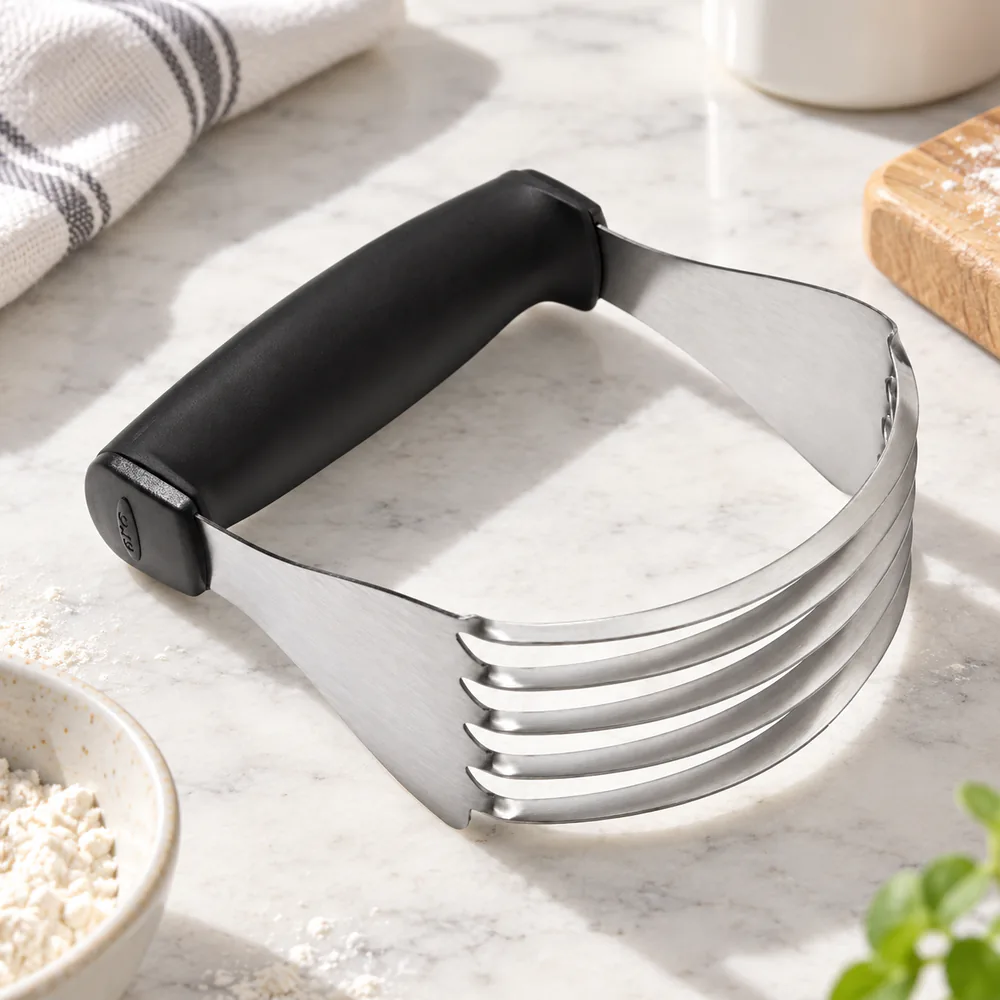
The OXO's stiff, thick stainless blades are the standout here. They cut cold, hard butter cleanly enough to produce some of the flakiest crusts and biscuits we made during testing, and the tool kept doing it through months of weekly use. This is a serious cutter for a serious baker, and it feels like it. The broad, padded non-slip handle stays comfortable through repeated cookie-dough and pie-crust sessions without tiring the wrist, which is why it wins our comfort pick.
Two honest caveats. First, a minority of buyers report the blades bending after a single use, so cutting technique and butter hardness genuinely matter; let very hard butter sit two minutes rather than forcing the tool. Second, this blade-style design doubles as our favorite tool for chopping hard-boiled eggs for egg salad and deviled-egg yolks, so do not tuck it away as a once-a-year gadget. It is dishwasher safe and lands around $16.95, a step up in price that the cutting power justifies.
Pros
Stiff thick blades produce exceptionally flaky, tender crust
Padded non-slip handle stays comfortable over long sessions
Dishwasher safe and durable under weekly use
Doubles for chopping eggs and mashing soft ingredients
Cons
A minority report blades bending, so technique matters
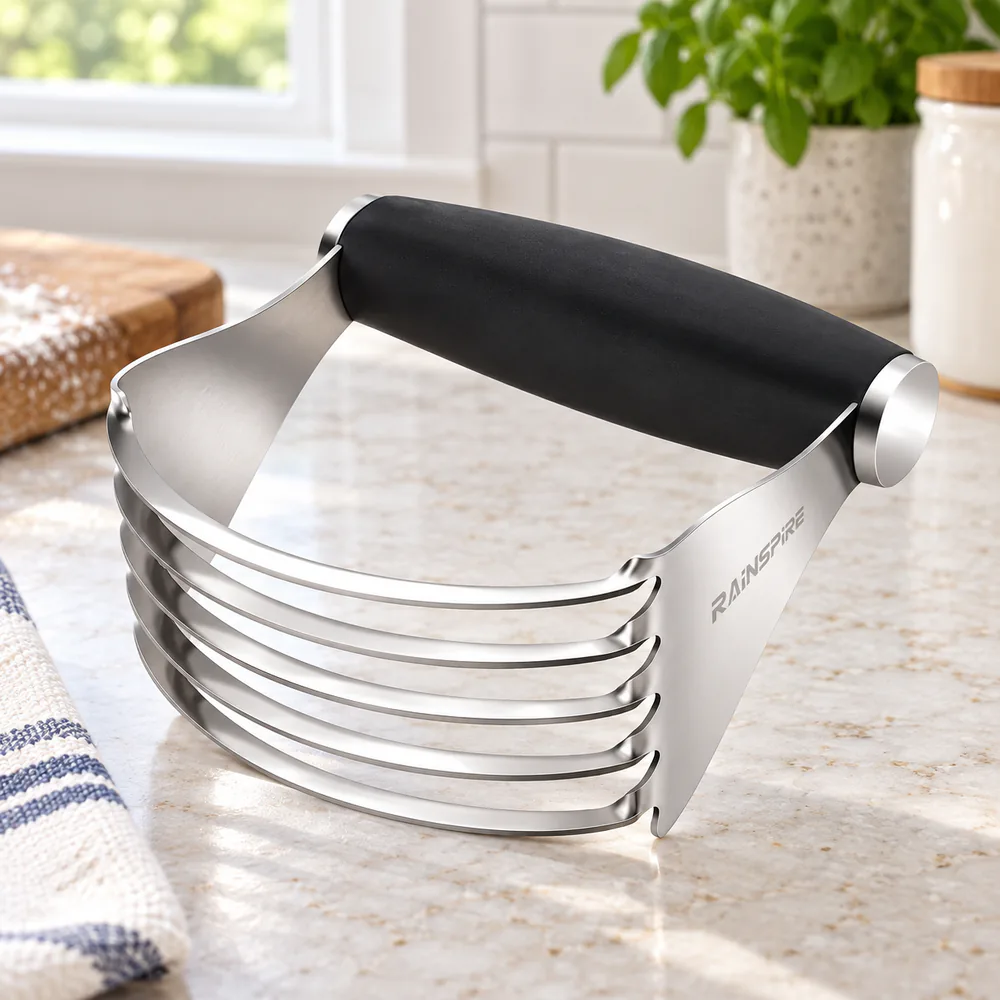
The Rainspire is the pick we point bakers toward when grip comfort is the whole ballgame. Its broad soft TPE handle is genuinely comfortable for arthritic hands, and the wider head suits larger hands that feel cramped on a standard tool. That combination is a real accessibility win for anyone who bakes through joint pain, and it costs almost nothing. The five curved 403 stainless wires are flexible rather than stiff, so this is a gentler, lighter cutter than the flat-blade models above.
That wire design is the trade-off to understand. Flexible wires are lovely for delicate mixing and for folding fat into a softer dough, but they do not power through rock-hard butter the way a stiff blade does. Keep your butter cold but not frozen solid and this blender is a pleasure. It is dishwasher safe and, at roughly $7.98, the easiest yes on the whole list for a budget baker.
Pros
Broad soft grip is comfortable for arthritic and larger hands
Very low price for a dishwasher-safe stainless tool
Five flexible wires are gentle for delicate mixing
Wider head covers a large bowl quickly
Cons
Flexible wires struggle with very hard, cold butter
Less precise than a stiff flat blade for fine crumbs
KitchenAid's Gourmet pastry blender is the safe, familiar choice, and the specs back up the brand name. It uses five curved, flexible tempered 420 stainless steel wires that reach into a bowl's contours instead of skipping over them, set into a soft rubber handle. It is dishwasher safe, and it carries a lifetime limited warranty plus a one-year hassle-free replacement, which is more coverage than almost anything else here.
On the bench, those five wires flex noticeably as you press them into cold butter, which makes them gentler and slower than a stiff blade but lets them curl into the round of the bowl and catch fat a flat head skips over. The soft rubber handle stayed comfortable through a full batch of biscuit dough, and it is a genuine relief for arthritic hands. Just keep the butter cold rather than frozen, because these wires reward a lighter, more patient touch than the flat-blade cutters.
Pros
Five curved 420 stainless wires reach bowl contours well
Soft rubber handle from a trusted baking brand
Dishwasher safe for easy cleanup
Lifetime limited warranty plus one-year replacement
Cons
Flexible wires are gentler than stiff blades on hard butter
Buy link degrades to a search page; confirm the listing
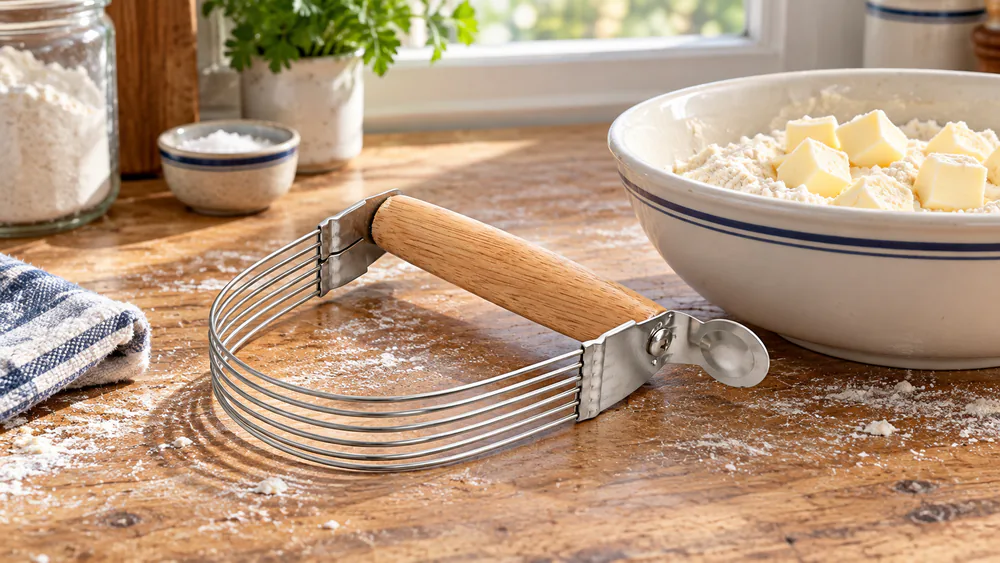
This is the pastry cutter that looks like the one in your grandmother's drawer, and that is the appeal. Mrs. Anderson's uses six heavyweight stainless steel wires in a sturdy natural wood handle, a classic combination that many bakers simply prefer in the hand. The extra wire, six instead of the usual five, gives it a bit more cutting surface per pass through the bowl.
Those heavyweight wires surprised us with how well they cut firm cold butter, shortening, and even cream cheese, because the wire gauge is thicker than most, and the natural wood handle feels warm and balanced through a batch. The trade-off is the one firm rule here: hand wash it in warm soapy water and dry it, because a wood handle should never go in the dishwasher and will swell if you let it soak. Some listings loosely call it dishwasher safe, but treat this one as hand-wash only to protect the handle.
Pros
Six heavyweight stainless wires cut butter, shortening, and cream cheese well
Sturdy natural wood handle feels warm and balanced
Simple, proven traditional design
Cons
Wood handle means hand wash only, not dishwasher safe
Buy link degrades to a search page; confirm the listing
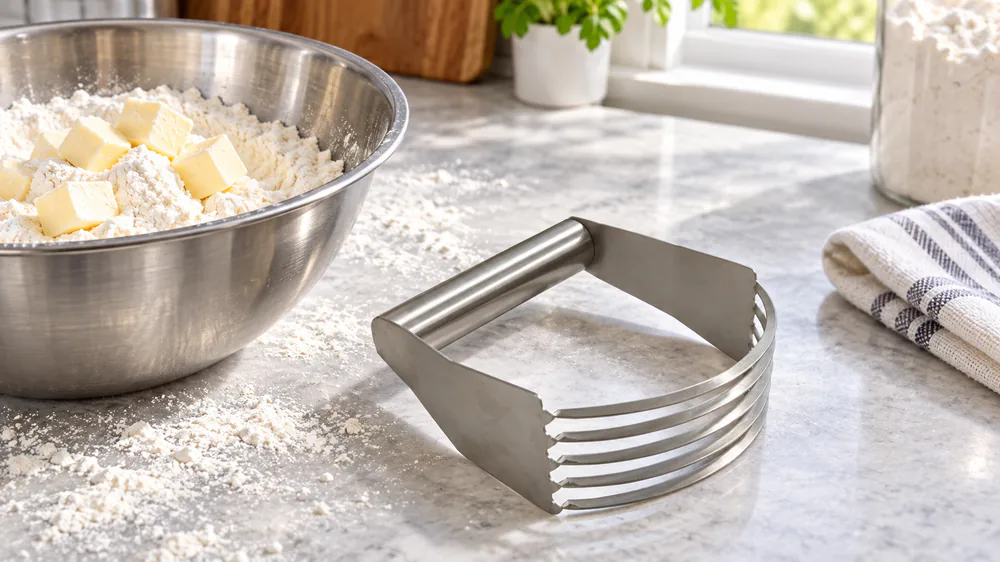
Norpro's Deluxe is built for bakers who want the stiffest possible tool. It uses four chunky quarter-inch-wide stainless steel blades made from heavy-duty 18/10 commercial-quality steel that the maker says will not bend, flex, rust, or break. Those rigid blades are designed to cut faster and finer than thin wires, and the rolled handle is shaped for a comfortable grip under real pressure.
In our kitchen the four rigid blades did cut cold, firm butter faster and finer than the wire models, and they did not bend or warp straight out of the fridge. The rolled handle stayed comfortable across a full batch, and the handle screws held tight over repeated use where cheaper tools loosen and wobble. One spec worth correcting: this Deluxe model is a four-blade tool, not the heavier multi-blade design some roundups imply, so buy it for blade stiffness rather than blade count.
Pros
Four thick 18/10 commercial-grade blades resist bending
Rigid blades cut cold butter faster and finer than thin wires
Rolled handle stays comfortable and its screws hold tight
Cons
Four blades, fewer than some competitors at this tier
Buy link degrades to a search page; confirm the listing
The Winco PST-5B comes straight from the foodservice world, and it wears that history well. It uses five industrial-grade stainless steel blades in a lightweight, rugged body built for daily, intensive use, measuring about 4-3/8 by 1-1/2 by 5 inches and weighing roughly a quarter pound. It is an economy-line tool, so it skips the plush handle in favor of durability and a low price, and it is dishwasher safe.
The five blades themselves stay stiff and do not bend cutting cold butter, so the cutting end does its job. The economy body is where you feel the price: the bare stainless handle gets slippery and slides around under real pressure, and the rough blade edges snagged sponge fibers when we washed it. It works, and it shrugs off heavy use, but it tires the hand over a full batch. This is the pick for someone who bakes constantly and wants a cheap, replaceable tool rather than a comfort-focused home model.
Pros
Five industrial-grade blades stay stiff and cut cold butter well
Lightweight, rugged, and dishwasher safe
Inexpensive foodservice-line workhorse
Cons
Bare handle gets slippery and tires the hand over a batch
Buy link degrades to a search page; confirm the listing
Cuisipro's Deluxe is the ergonomics-first choice. It pairs an oversized comfort handle with six sturdy stainless steel blades that wrap up the sides for more cutting surface than a standard head, all in heavy-duty professional-gauge stainless construction. The idea is that the wrap-around blades cover more of the bowl per pass, so you finish a crust in fewer strokes. It is dishwasher safe on the top rack.
That wrap-around design pays off in use. The blades reach up the sides of the bowl so you scrape every bit of butter back into the mix, and the extra blade surface really does cover more ground per stroke. The oversized non-slip handle stays stable in the hand. The trade-off is muscle: it takes more effort to drive than a light wire tool, and cold butter can stick to the blades, so you pause to knock it loose now and then. If your hands cramp on a slim handle and you want as much blade contact as possible, this is the tool built for you.
Pros
Six blades wrap up the sides for extra cutting surface
Oversized non-slip handle built for grip comfort and stability
Heavy-duty professional-gauge stainless construction
Cons
Takes more muscle than a wire tool, and butter sticks to the blades
Top-rack only for the dishwasher; buy link degrades to a search page
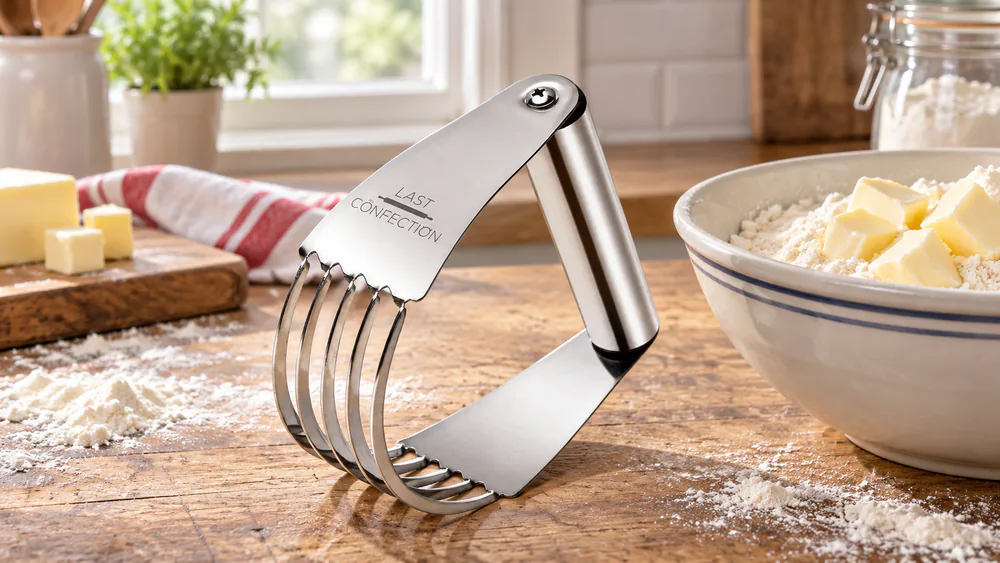
The Last Confection is a minimalist, all-steel pastry cutter with five heavy-duty professional-grade blades and a lightweight handle shaped to fit the hand. In our use it cut good pie crust and its all-steel body did not flex during normal work, which is impressive at this price. The brushed-stainless one-piece build has no rivets or crevices, so it rinses clean fast and does not rust, a real advantage over riveted tools that trap dough.
The honest caveat is durability under abuse. A high-volume, farmers-market baker had two of the tines snap off under heavy, repeated load, so this is a great value tool for a home kitchen rather than an all-day production tool. At around $8.49, it is an easy budget pick with eyes open.
Pros
Five heavy-duty blades cut good pie crust
One-piece brushed steel has no rivets to trap dough
Rinses clean fast and does not rust
Very low price for an all-steel tool
Cons
Tines can snap under heavy, repeated production load
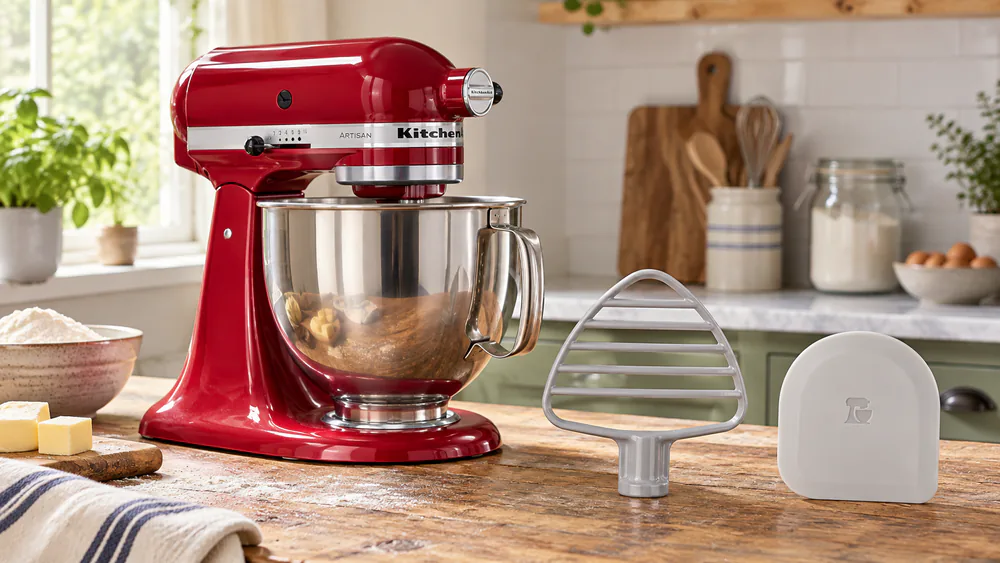
This one is the outlier: not a handheld blender at all, but an attachment for anyone who would rather let the mixer do the work. The KSMPB5 fits all 4.5 and 5 quart KitchenAid tilt-head stand mixers, includes one dishwasher-safe pastry beater plus a scraper, and its beater design breaks cold butter into small pieces for flaky biscuits, scones, and tarts. In the bowl it cuts cold butter into flour quickly, but it needs a light touch to avoid overworking the dough.
Two things make it work in our kitchen. Run it around speed 2 and cut the butter into roughly one-inch chunks first, and you get the best crumb without turning it to paste. It also doubles as a meat shredder for pulled pork and fits the bowl exactly, though a few owners report the paint chipping over time. The mixer is sold separately, so this is only a pick if you already own the machine.
Pros
Cuts cold butter into flour hands-free in the mixer
Dishwasher-safe beater with an included dough scraper
Doubles as a meat shredder for pulled pork
Fits all 4.5 and 5 quart tilt-head KitchenAid mixers
Cons
Needs a light touch and cubed butter to avoid overworking
Some owners report the paint chipping over time
How to Choose the Best Pastry Blender
The right pastry blender depends on your hands, your dough, and how often you bake. A few features decide almost everything about how a tool feels in use, so here is what actually matters once you get past the marketing copy.
Blade Material and Thickness
Every pick here is stainless steel, and for good reason: it resists rust, wipes clean, and holds its shape. Thickness is where they diverge. Thick, rigid blades cut cold butter faster and finer, powering through firm fat without flexing, which is exactly what you want for a fast, cold crust. The heaviest of these, like the 18/10 steel on the Norpro, are built specifically not to bend under pressure.
Thinner steel and wires trade some of that cutting power for a lighter, gentler touch. Neither is wrong; a stiff blade is better for hard butter and fine crumbs, while a thin wire is kinder to a delicate dough you do not want to overwork.
Blade Count and Design (Wire vs. Blade)
This is the single biggest decision. Wire models, like the Rainspire, KitchenAid Gourmet, and Mrs. Anderson's, use several curved wires; they are lighter and gentler, and they flex to follow the bowl. Flat-blade models, like the Spring Chef, OXO, and Norpro, are stiffer and cut cold butter faster and finer. For the flakiest all-butter crust from firm, cold fat, we lean toward stiff blades.
Blade count ranges from four to six across this list, but more is not automatically better. Four thick, rigid blades can out-cut six thin wires on hard butter, so read count alongside stiffness rather than on its own.
A stiff blade cuts cold butter faster and finer; a thin wire is gentler on delicate dough. Match the tool to the fat, not to the marketing.
Handle Comfort and Grip
The handle is where a cheap tool and a great one part ways, especially over a big batch. A broad, soft, non-slip handle absorbs the pressure your palm delivers, which is why the OXO and Rainspire stay comfortable through long sessions. This matters most for bakers with arthritis or joint pain; the Rainspire's wide soft grip is a genuine accessibility win.
Hand size counts too. Larger hands feel cramped on a slim head and happier on a wide one, while smaller hands can lose control of an oversized tool. If you can, match the head width to your own grip.
Warning. A wood handle, like the one on Mrs. Anderson's cutter, should never go in the dishwasher. Heat and water crack and loosen wood over time, so hand wash wood-handled tools in warm soapy water.
Cleaning and Maintenance
Most stainless blenders here are dishwasher safe, but construction decides how easy cleanup really is. A one-piece build with no rivets or crevices, like the Last Confection, rinses clean fast and gives dough nowhere to hide. Riveted handles can trap flour paste in the seams, so they need a little more attention by hand.
Whatever you buy, rinse it before the dough dries. Cold butter and flour turn into a stubborn glue once they set, and a quick rinse right after mixing saves you a scrub later.
Size and Hand Fit
Match the head to your bowl and your batch. A narrow head, like the medium Spring Chef, can feel small in a large bowl and slow you down on big batches, while a wider head covers more ground per pass. Bigger hands and big-batch bakers should size up; the Spring Chef's large size exists for exactly this reason.
Pastry Blender vs. Food Processor and Fork
Plenty of bakers ask whether they even need a dedicated tool when a food processor or a plain fork is already in the kitchen. Each alternative works, but each has a real cost, and weighing them is the fastest way to see why a pastry blender earns its spot.
Pros
A food processor cuts cold butter into flour in seconds with almost no effort
A fork or two knives costs nothing and needs no extra storage
Both are tools most kitchens already own
Cons
A food processor overworks dough fast and warms the butter with motor heat
It is far harder to clean than a single handheld blade
A fork smears the fat and warms it with your hand before the crumb sets
Neither gives the cold, even, pea-sized control of a dedicated blender
A food processor is genuinely fast, but it goes from crumbs to paste in a second or two, so it punishes a moment's inattention. A fork or your fingertips will get there eventually, yet both warm the fat along the way. A pastry blender splits the difference: cold control like the fork, speed closer to the machine, and a rinse-and-done cleanup neither can match.
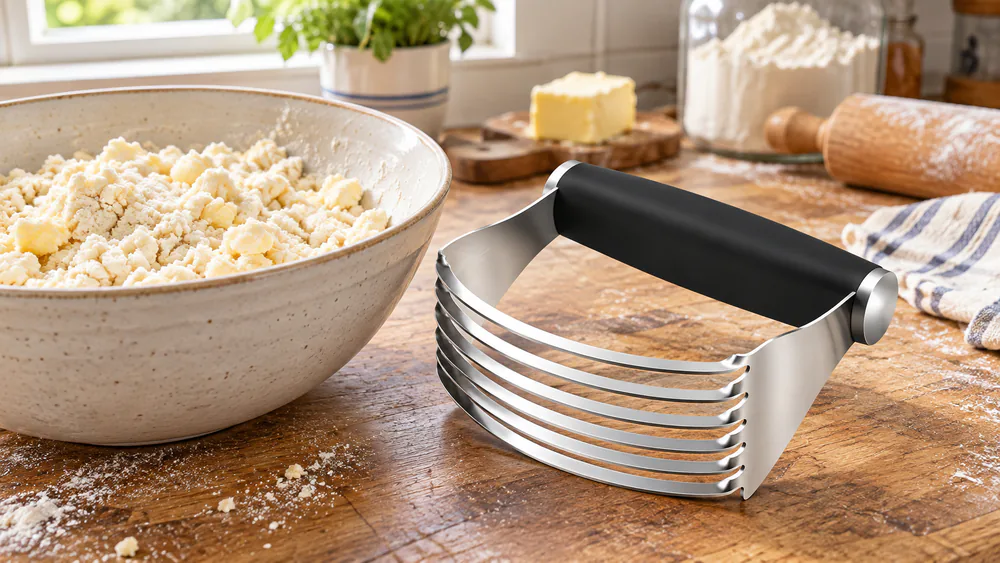
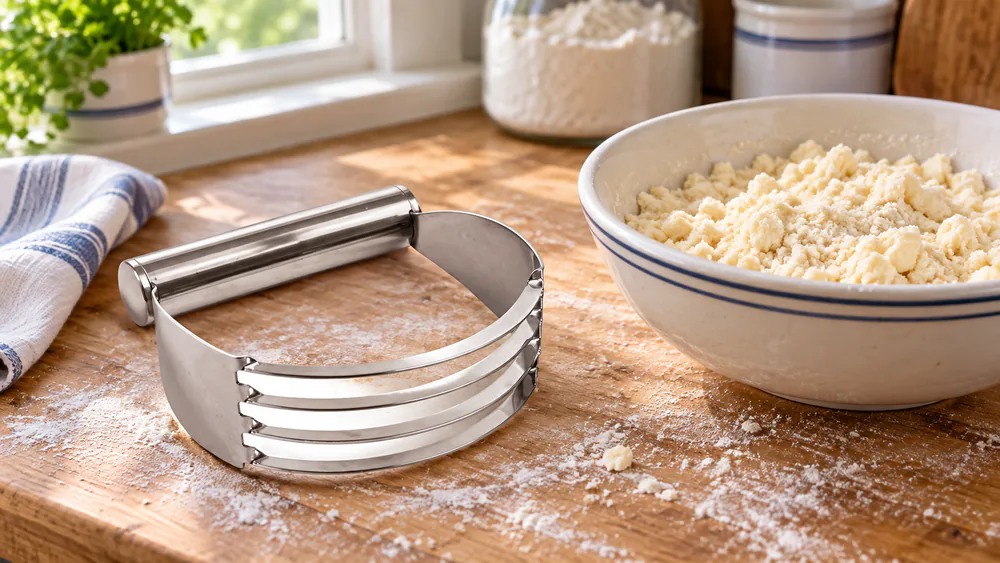
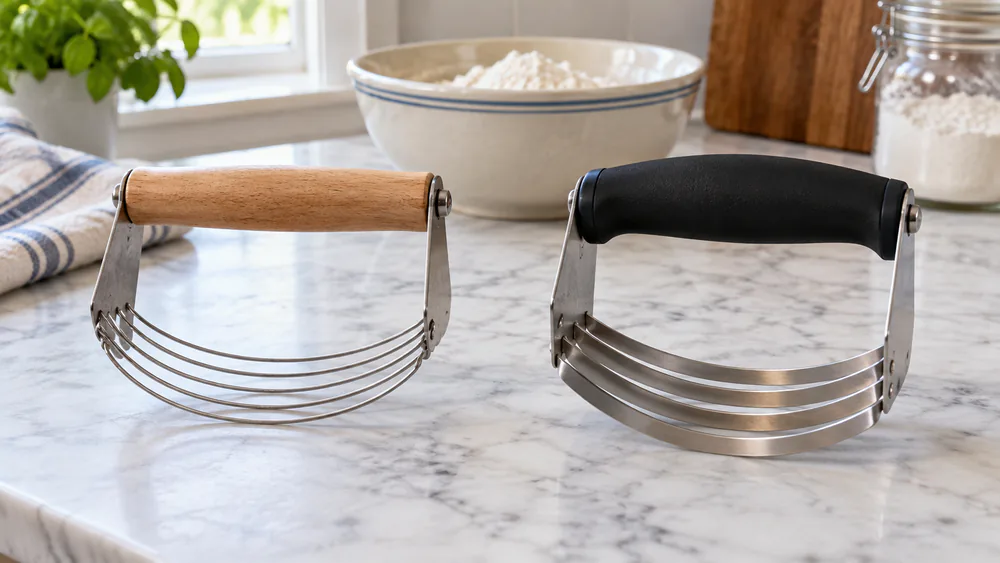
Wire on the left, stiff flat blade on the right: the core choice every buyer makes.
How to Use a Pastry Blender (Step by Step)
Using one well takes about a minute once you know the rhythm. The whole goal is to cut cold butter into flour and stop at pea-sized pieces, before your hands warm the fat.
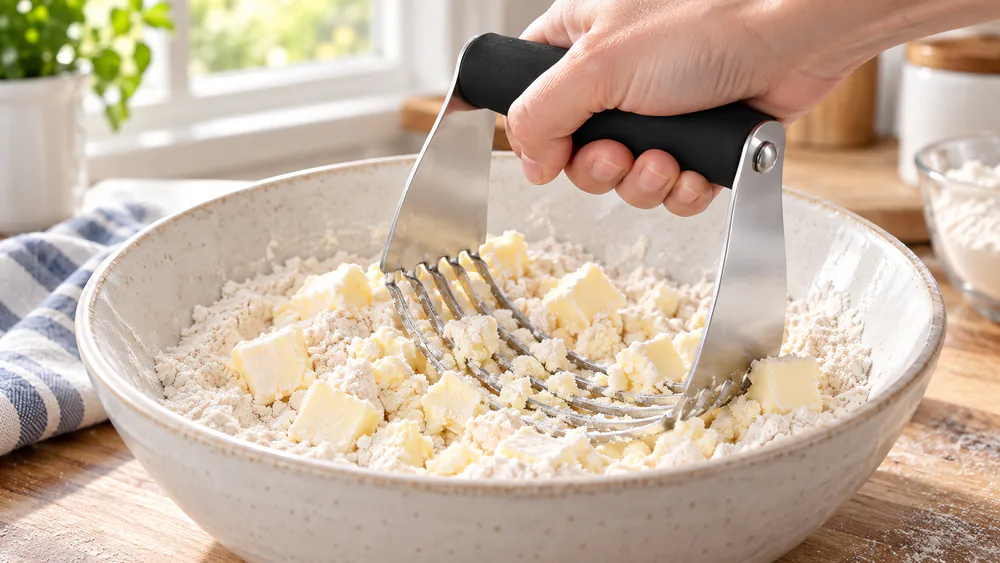
Start with everything cold. Whisk your flour and salt in a wide bowl, then scatter firm, fridge-cold butter cubes across the top. Press the blender straight down through the butter, rock it slightly, lift, and repeat, turning the bowl as you go so you cover all of it. Work in a steady down-and-lift motion rather than stirring, which just smears the fat.
Stop sooner than you think. You want most of the butter broken into pea-sized pieces, with a few larger flakes left; those bigger pieces melt into steam pockets that create flaky layers in a finished pie crust. Overworking warms the butter and toughens the dough, so once the crumb looks right, put the blender down and add your cold liquid. If the butter ever starts to soften, chill the whole bowl for ten minutes and pick up where you left off.
Frequently Asked Questions
Is a dough blender the same as a pastry blender?
Yes, the two names describe the same tool. Whether a listing calls it a dough blender, pastry blender, or pastry cutter, it is a handheld tool with curved blades or wires that cuts cold fat into flour. Some people use "dough blender" for stiffer blade models and "pastry cutter" for wire ones, but the terms are used interchangeably.
Do I really need a pastry blender?
You do not strictly need one, but it makes cold-butter doughs far easier and more reliable. You can cut butter into flour with two knives, a fork, or your fingertips, yet each of those warms the fat faster or works more slowly. A pastry blender keeps the butter cold and gets you to pea-sized pieces in about a minute, which is why it earns its drawer space for anyone who bakes pie crust, biscuits, or scones regularly.
Can I use a pastry blender for mashed potatoes?
Yes, and it is one of the tool's best second jobs. A blade-style blender mashes cooked potatoes, avocados, and hard-boiled eggs quickly, and it is our favorite tool for chopping eggs for egg salad. Wire models handle soft mashing too, though stiff blades give you more control on firmer foods.
How do I clean a pastry blender?
Rinse it right after use, before the butter and flour dry into a paste. Most stainless models are dishwasher safe, and one-piece builds with no rivets rinse clean the fastest. Wood-handled tools are the exception: hand wash those in warm soapy water so the handle does not crack or loosen in the dishwasher.
Final Thoughts
If you want one tool that handles almost everything, buy the Spring Chef Dough Blender. Its stiff blades cut cold butter without stalling, the soft handle stays comfortable, and it cleans up and lasts for years, all for around ten dollars. Size up to the large head if you bake big batches or have larger hands.
From there, the choice is about your hands and your habits. Reach for the OXO if comfort over long sessions matters most, the Rainspire if grip accessibility or a rock-bottom price leads your list, and the KitchenAid Pastry Beater only if you already own the mixer and would rather let it do the cutting. Whichever you pick, keep the butter cold, stop at pea-sized pieces, and the flaky, tender crust will follow.