
Recipes
21 Best Ramen Recipes for Every Craving

As an Amazon Associate we earn from qualifying purchases. We may earn a commission from links on this page, at no extra cost to you. Learn more.
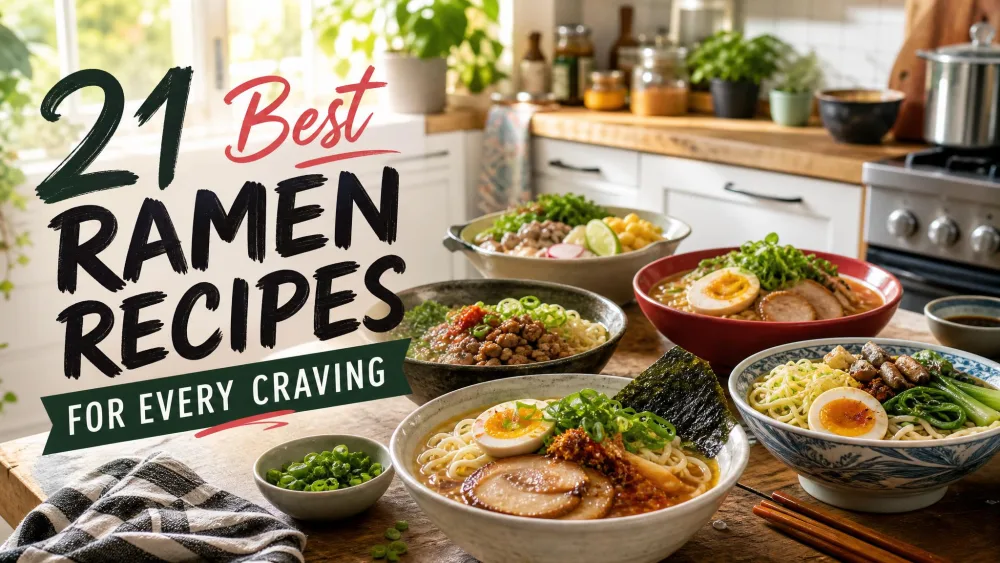
Ramen is comfort food at its most generous: a hot bowl of springy noodles, deep broth, and toppings you can make your own. For a lot of us it started as a college staple, a folded packet and a dusty seasoning sachet. The gap between that instant packet and a real, slurp-worthy bowl is smaller than it looks. You do not need a restaurant kitchen or an all-day simmer to get there.
We cook for a family of five, and ramen is a regular part of our weeknight dinner rotation. Over months of building bowls from scratch and from shortcuts, we learned which recipes earn their place and which are best saved for a slow weekend. This roundup gathers our 21 favorites across every craving, from classic shoyu to spicy tantanmen to a five-minute instant upgrade.
21 Best Ramen Recipes
These are the bowls we come back to, grouped loosely from classic broths to quick weeknight fixes. Fresh ramen noodles hold a far better springy bite than dried, so we reach for them when we can. When only dried are on hand they still work; the texture just lands a little softer.
Classic Shoyu Ramen
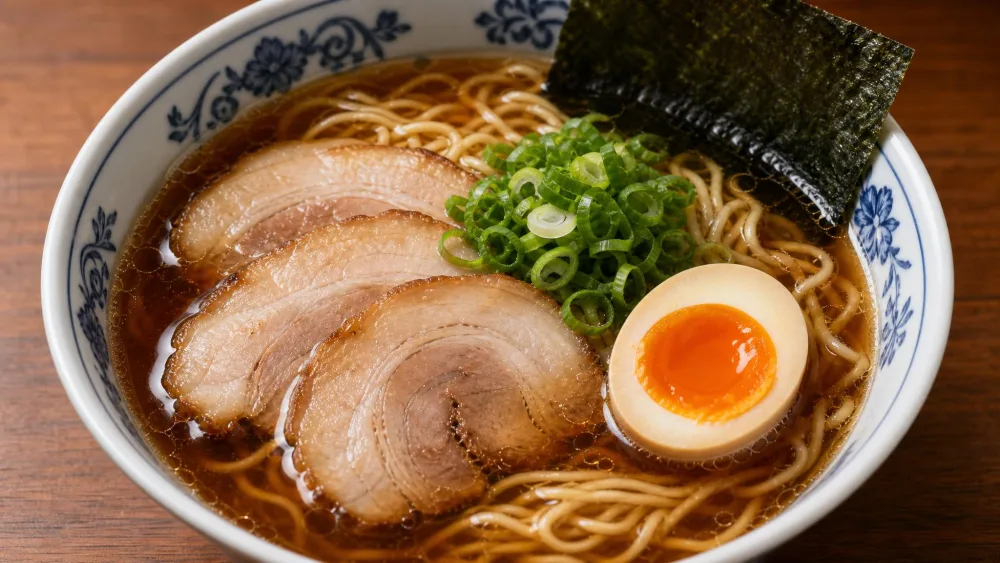
Shoyu is the classic Tokyo style, and it is where we send anyone building their first real bowl. A soy-sauce tare boosts the salt and umami, and the broth stays clear and brown. A Tokyo-style shoyu ramen needs roughly 30 minutes of active time, which makes it far more weeknight-friendly than its reputation suggests.
Rich Miso Ramen
Miso ramen was developed in Sapporo, Hokkaido, and reached national prominence around 1965. The miso paste gives the broth a deep, nutty body that feels hearty without being heavy. A weeknight miso ramen comes together in about 30 minutes over a pork-and-chicken broth, and it rewards a spoon of extra miso if you like it bolder.
Tip. Whisk the miso into a ladle of warm broth before stirring it into the pot. It dissolves smoothly and never clumps at the bottom of the bowl.
Creamy Tonkotsu Ramen
Tonkotsu is the milky, opaque bowl people fall in love with at restaurants. It is a broth category, not a tare: pork or chicken bones are boiled at high heat for hours into a rich paitan broth that originated in Kyushu. A shortcut tonkotsu broth can be made in about 3 hours using a pressure cooker instead of an all-day simmer.
Shio (Salt) Ramen
Shio is the oldest of the four ramen styles, and it shows off good stock. A salt-based tare rounded out with kombu and niboshi gives you umami without muddying the color, so the broth stays clear and light. This is the bowl we make when we want something delicate rather than rich.
Spicy Miso Ramen
Take the Sapporo classic and layer in chili oil or a spoon of chili bean sauce, and you have our favorite cold-weather bowl. The miso stands up to heat better than a lighter broth, so the spice reads as warmth rather than a sharp burn. Add ground pork and a scatter of corn for a full weeknight dinner.
Tantanmen (Dan Dan Ramen)
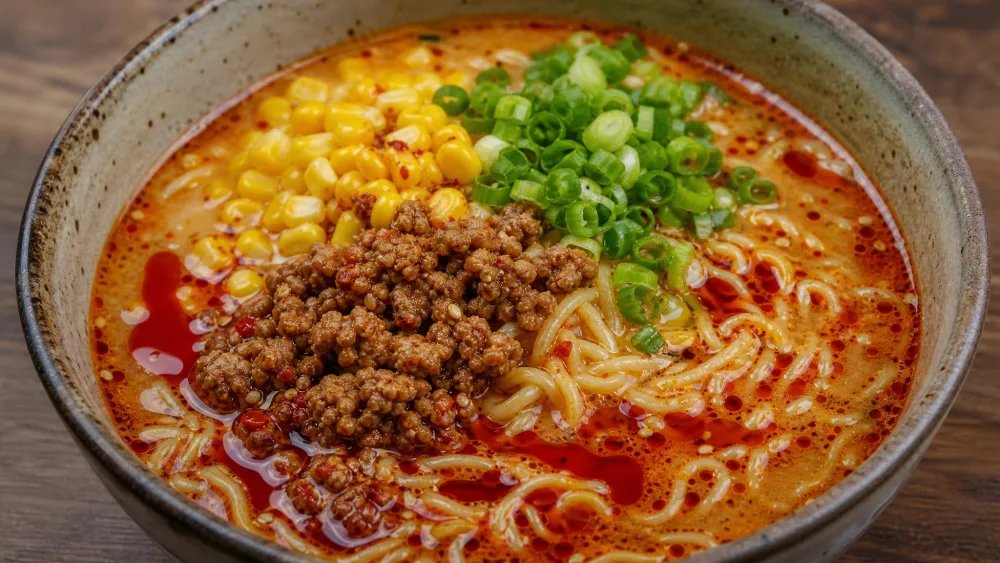
Tantanmen is the ramen cousin of dan dan noodles: a sesame-rich, spicy broth built on chili bean sauce and ground pork. The sesame paste gives it a creamy body that balances the heat beautifully. It is one of the most crave-worthy bowls on this list, and it comes together faster than tonkotsu.
Chicken Ramen
A good chicken ramen is the weeknight workhorse of this whole roundup. A chicken-based broth is lighter and quicker than pork bone, and it takes a shoyu or shio tare cleanly. We poach chicken thighs right in the broth, then slice them over the finished bowl.
Vegetarian / Vegan Ramen
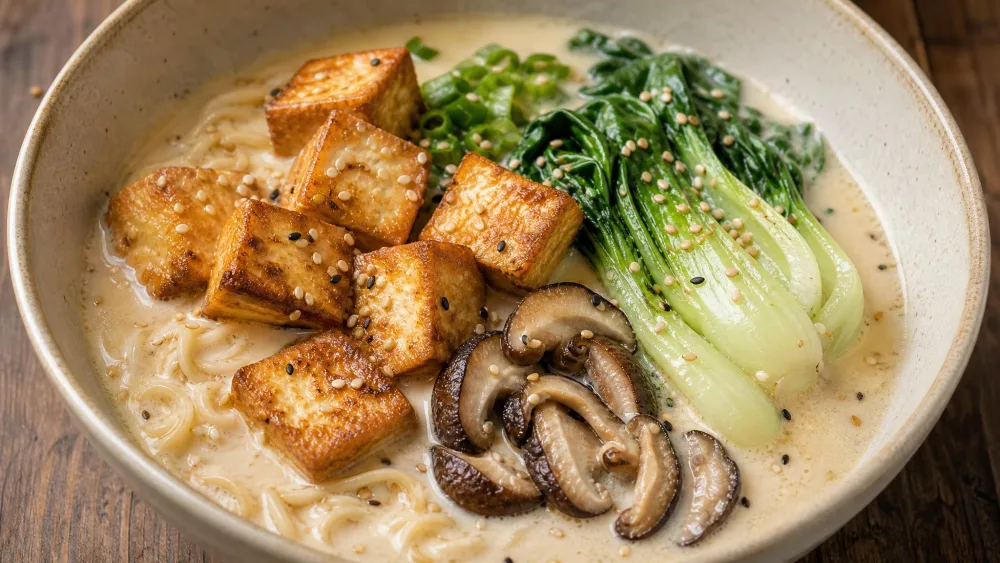
You can build a genuinely rich meatless bowl without missing the pork. Vegetarian and vegan ramen leans on soy milk, miso, sesame paste, chili bean sauce, and mushrooms for depth, and crispy tofu adds protein. The soy milk in particular gives you that creamy, restaurant-style mouthfeel.
Seafood Shio Ramen
A clear shio broth is the perfect canvas for shellfish. We add clams or shrimp near the end so they poach gently and lend the stock a sweet, briny edge. Because the broth stays light, the seafood flavor comes through clearly instead of getting buried.
Cold Ramen (Hiyashi Chuka)
When it is too hot for a steaming bowl, hiyashi chuka is the answer. Chilled noodles are dressed in a tangy soy-and-vinegar sauce and crowned with cold toppings: shredded egg, cucumber, ham, and tomato. It is refreshing, fast, and a different way to use ramen noodles in summer.
Tsukemen (Dipping Ramen)
Tsukemen serves the noodles and the broth separately, so you dip each bite into a concentrated, intensely flavored sauce. The broth is thicker and saltier than a standard bowl because it only ever coats the noodles. It keeps the noodles springy since they never sit in hot liquid.
Quick Weeknight Instant-Ramen Upgrade
Even a plain instant packet transforms with a few pantry moves. An egg, some greens, a spoon of miso, and a drizzle of chili oil turn the dusty sachet into a real bowl, and an upgraded instant-ramen bowl can be ready in about 10 minutes.
Tip. Cook the noodles in your own broth or salted water, not the seasoning water. Then season to taste. You control the salt instead of the factory doing it for you.
Garlic Shrimp Ramen
This is our fastest crave-worthy bowl: garlic shrimp ramen finishes in 15 minutes or less. Sear the shrimp in plenty of garlic and butter, then build a quick broth around them. It lands somewhere between ramen and a garlic-butter noodle bowl, and it is impossible to stop eating.
Curry Ramen
Curry ramen bridges two comfort foods: Japanese curry and a hot noodle bowl. The broth turns thick, golden, and gently spiced, clinging to every noodle. It is filling and kid-friendly, which is why it earns a regular spot in our rotation.
Mazesoba (Brothless Ramen)
Mazesoba skips the broth entirely. You toss the noodles with a concentrated tare, ground pork, egg yolk, and a pile of aromatics, then mix everything at the table. It is bold, savory, and the bowl we make when we want ramen flavor without simmering a stock.
Tan-men (Vegetable-Loaded Ramen)
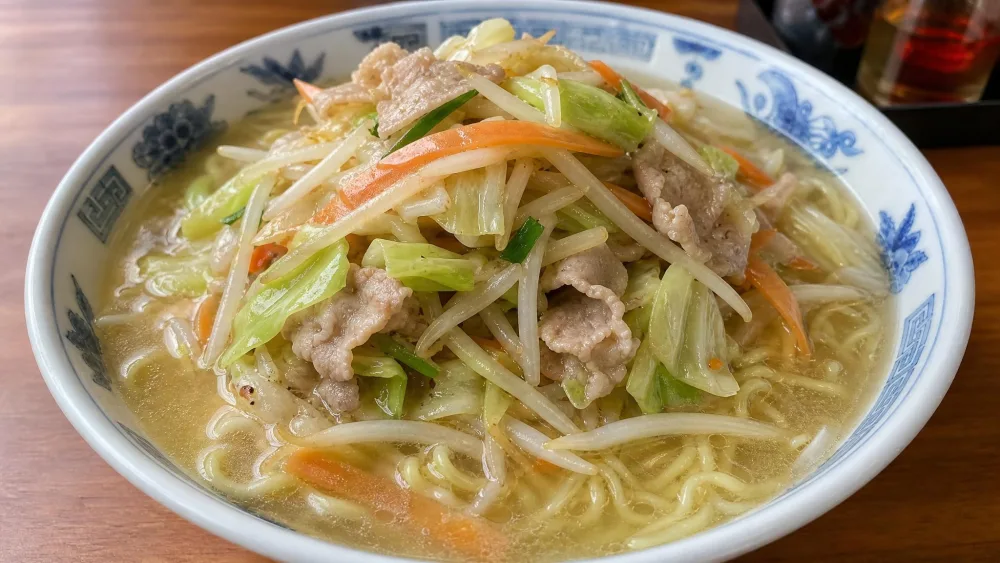
Tan-men is a stir-fried vegetable ramen: cabbage, bean sprouts, carrots, and pork cooked hot and fast, then piled over noodles in a light salt broth. It is our favorite way to clear the crisper drawer, and the vegetables stay bright and crisp-tender.
Kimchi Ramen
Kimchi and shiitake mushrooms give instant or fresh noodles a tangy, funky depth with almost no effort. The fermented kimchi does the heavy lifting, adding acidity and heat at once. Stir in a little of the kimchi brine for extra punch. It is a five-ingredient bowl that tastes like far more.
TikTok-Style Instant Ramen
The viral instant upgrade is worth the hype. Everything-bagel seasoning, a little brown sugar, and soy sauce turn a plain packet into something sticky, savory, and addictive. It is a fun bowl to make with kids, and it proves how far a few pantry staples can stretch.
Gochujang Spicy Ramen
For Korean-leaning heat, gochujang and gochugaru bring a deep, slightly sweet chili flavor that is rounder than straight chili oil. Stir the gochujang into the broth so it melts evenly, then top with a soft egg and scallions. It is our pick when we want spice with real backbone.
Birria-Style Fusion Ramen
This is the indulgent one. Birria-style and other heavy fusion ramens run genuinely spicy and rich, so we treat them as an occasional treat rather than a light weeknight bowl. The deeply spiced, beefy broth is a project, but it delivers a knockout bowl for a slow weekend.
Butter Corn Miso Ramen
The Hokkaido classic finishes a hot miso bowl with a pat of butter and a scoop of sweet corn. The butter melts into the broth and turns it silky, while the corn adds little bursts of sweetness. It is pure comfort in a bowl, and the recipe our kids request most.
The 4 Ramen Broth Styles (Shoyu, Miso, Shio, Tonkotsu)
Most home ramen comes down to four classic styles, and understanding them makes every recipe above easier to riff on. Three of them, shoyu, shio, and miso, are defined by their tare, the concentrated seasoning sauce that flavors the bowl. The broth is the separate stock base, and the two are combined only at serving. Tonkotsu is the odd one out: it names a broth, not a tare.
| Style | Seasoning base | Broth clarity | Flavor | Home effort | Regional home |
|---|---|---|---|---|---|
| Shoyu | Soy-sauce tare | Clear, brown | Savory, balanced umami | About 30 min active | Tokyo |
| Shio | Salt tare | Clearest, light | Delicate, light | Light | Oldest style |
| Miso | Miso paste | Opaque, hearty | Deep, nutty, robust | About 30 min | Sapporo, Hokkaido |
| Tonkotsu | Pork-bone broth (paitan) | Milky, opaque white | Rich, fatty, pork-forward | 3 hr (pressure cooker) to all-day | Kyushu |
Note. Tare and broth are two different things. The tare is the salty, umami-rich seasoning in the bottom of the bowl. The broth is the stock you pour over it. Nailing that distinction is the single biggest step toward restaurant-style bowls at home.
Best Ramen Toppings & Add-Ins
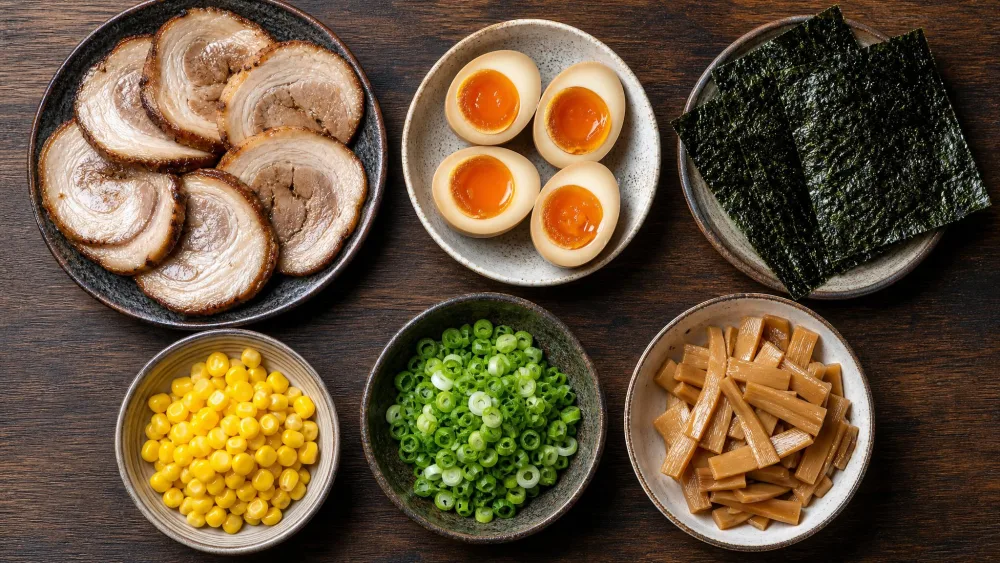
Toppings are where a bowl becomes yours. The classics are chashu (braised pork), ajitama (marinated egg), menma (bamboo shoots), nori, and negi (green onion). From there, we reach for corn, butter, wakame, mushrooms, bok choy, and bean sprouts depending on the broth. The trick is contrast: something rich, something crisp, something fresh, and something salty in every bowl.
The marinated egg deserves special attention, so we gave it its own tips below. Even a quick bowl jumps in quality with a soft egg, a handful of greens, and a drizzle of good chili oil.
The Perfect Ramen Egg (Ajitama)
A jammy marinated egg is the topping people notice first. Soft-boil the eggs exactly 7 minutes for a jammy yolk, going 6 to 6.5 minutes for runnier or 8 to 9 minutes for custardy, and start timing when the first egg hits the water. Then chill them in an ice bath for 15 minutes to stop the cooking and ease peeling.
The ice bath is the make-or-break step in our kitchen. Peel too early or skip the chill and the jammy white tears; a few dunks in the ice water loosens the shell so it slips off in one strip. Older eggs peel more cleanly than fresh, which is a handy trick worth remembering.
Timing the soak matters more than most people expect. Marinate peeled eggs at least 8 hours or overnight, but no longer than 12 to 24 hours. Leave them in the marinade past a day and they turn noticeably too salty and rubbery.
How to Make Ramen Broth from Scratch
Homemade broth sounds intimidating, but it follows a simple logic. You are building a stock base and a tare separately, then marrying them in the bowl. For a quick bowl, a chicken or pork-and-chicken stock simmered while you prep toppings is plenty. For a tonkotsu, you commit to hours of high-heat boiling to pull the collagen into that signature milky broth.
Here is what surprised us most: you do not need an all-day tonkotsu to get a satisfying bowl. A 30-minute miso or shoyu broth reads as restaurant-ish once the tare and toppings are dialed in. Save the marathon simmers for weekends, and lean on faster broths on busy nights.
Tip. Store leftover broth smart. Kept in an airtight container, it holds up for roughly 3 to 4 days in the fridge, though meat-based broths spoil faster, so trust your nose and eyes before reheating. For longer storage, freeze it, where it keeps for about 1 to 3 months.
Tips for Building the Perfect Bowl
The single biggest shift in our ramen was making the components ahead. Prepping the broth, marinated eggs, and chopped toppings in advance is what turns a multi-hour project into a weeknight-doable bowl. Once the parts are ready, assembling a bowl is fast, which is exactly how restaurants keep pace.
Order matters at the finish, too. Warm the bowl, spoon in the tare, pour the hot broth, then add drained noodles and toppings last so they stay bright. Work quickly once the noodles are cooked; they keep softening in hot broth, and a springy bite is worth protecting.
Making the components ahead is the whole game. Once the broth, eggs, and toppings are prepped, a restaurant-style bowl comes together in minutes.
What Makes a Great Bowl of Ramen
A great bowl is about balance, not about a single hero ingredient. The broth carries the depth, the tare sets the seasoning, the noodles bring the springy bite from their kansui (the alkaline mineral water that gives ramen noodles their yellow hue), and the toppings add contrast. When those four elements are in tune, even a simple bowl sings.
That balance is also why we do not chase difficulty for its own sake. A dialed-in 30-minute miso can satisfy more than a rushed tonkotsu. Cook to the time you actually have, season with intention, and finish with care. That is the whole secret.
Frequently Asked Questions
What noodles work best for ramen?
Fresh ramen noodles hold a far better springy bite than dried, thanks to the kansui that gives them their firm chew. When only dried are on hand they still work; the texture just lands a little softer. Cook them just to al dente since they keep softening in hot broth.
Can I make ramen broth ahead of time?
Yes, and we recommend it. Making the broth ahead is what turns a multi-hour project into a weeknight bowl. It keeps roughly 3 to 4 days refrigerated and freezes well for a month or more, so a big batch pays off across several dinners.
How do I make instant ramen taste better?
Skip the seasoning-packet-only approach. Cook the noodles in your own broth or salted water, then add a soft egg, some greens, a spoon of miso, and a drizzle of chili oil. An upgraded bowl comes together in about 10 minutes.
Is ramen vegetarian or vegan adaptable?
Absolutely. A meatless bowl builds richness from soy milk, miso, sesame paste, chili bean sauce, and mushrooms, with crispy tofu for protein. The soy milk in particular delivers that creamy, restaurant-style body without any pork.
How long should I marinate a ramen egg?
Marinate peeled soft-boiled eggs at least 8 hours or overnight, but no longer than 12 to 24 hours. Past a day they turn too salty and rubbery, so timing the soak matters more than people expect.
Final Thoughts
The best part of cooking ramen at home is how flexible it is. You can commit to a weekend tonkotsu or upgrade a packet in 10 minutes, and both count as a real bowl. Start with a style that matches your craving, prep your components ahead, and protect that springy noodle bite. Do that, and every one of these 21 recipes is well within reach on a normal weeknight.
Read next
Ready to upgrade your kitchen?
From weekend tonkotsu to a ten-minute packet upgrade, the right gear makes every bowl easier. Explore our guides and get fresh recipes in your inbox.