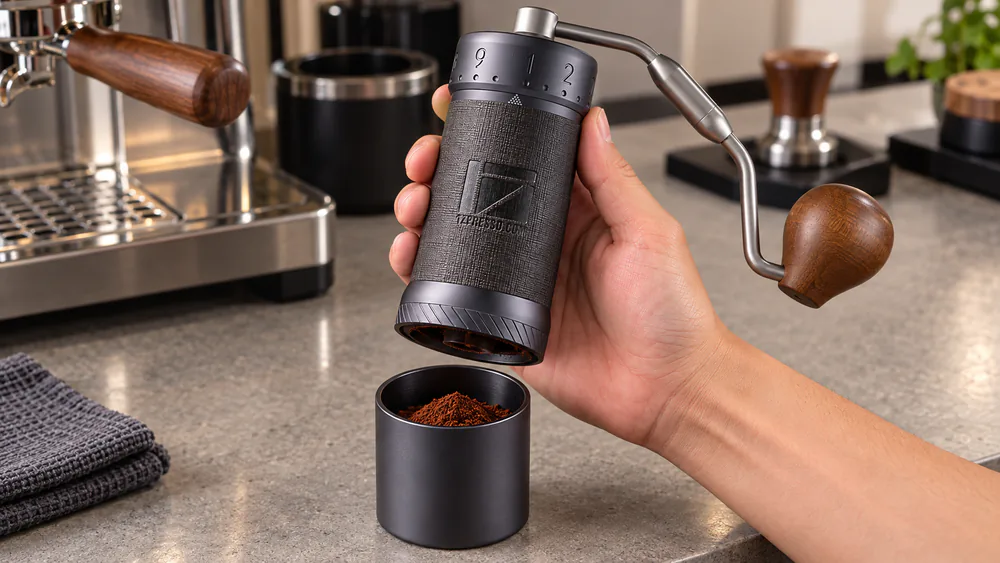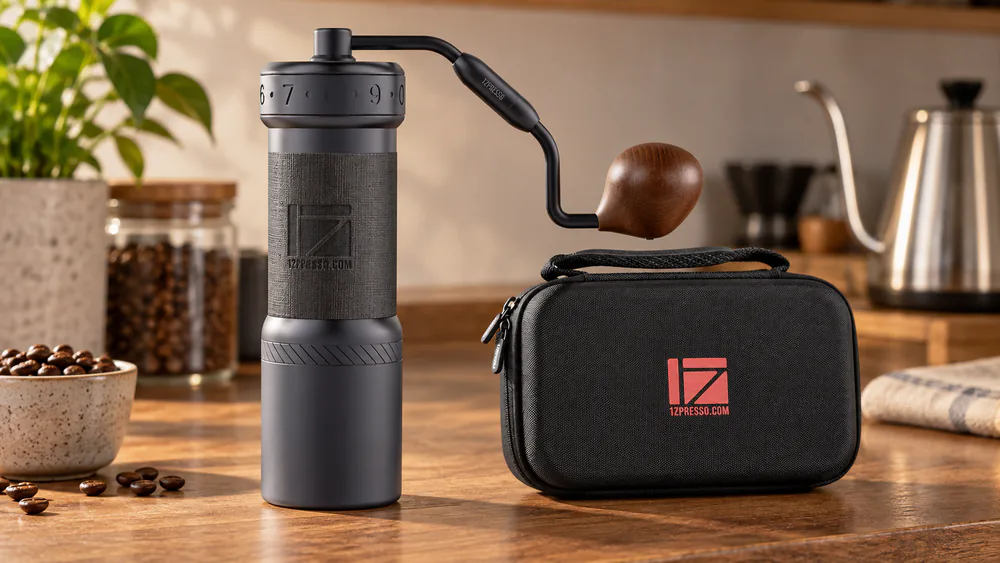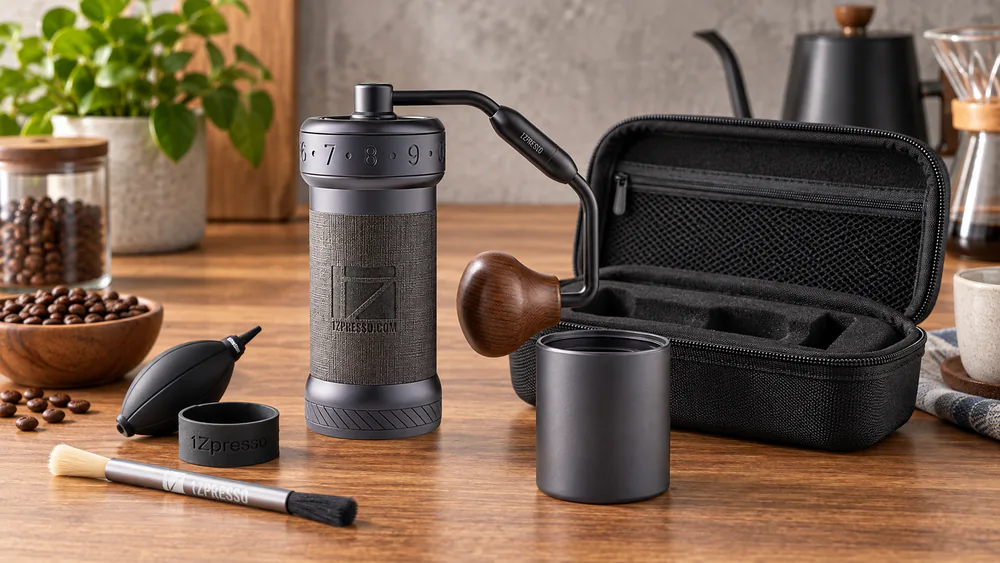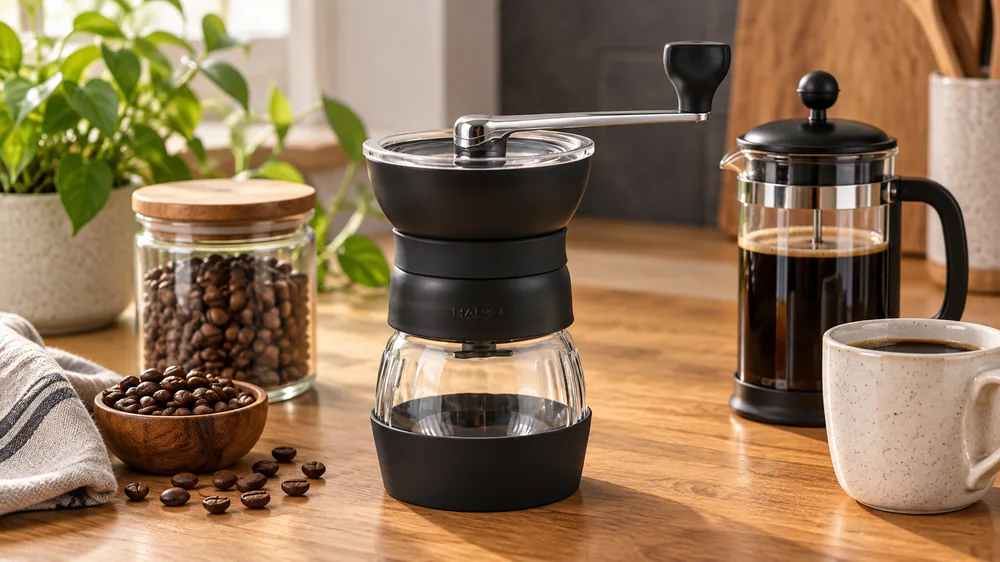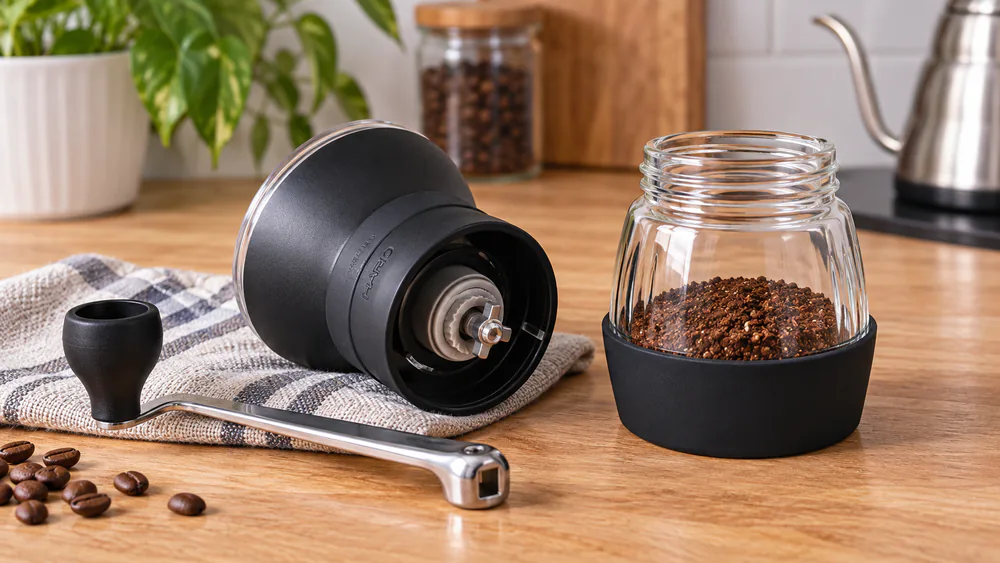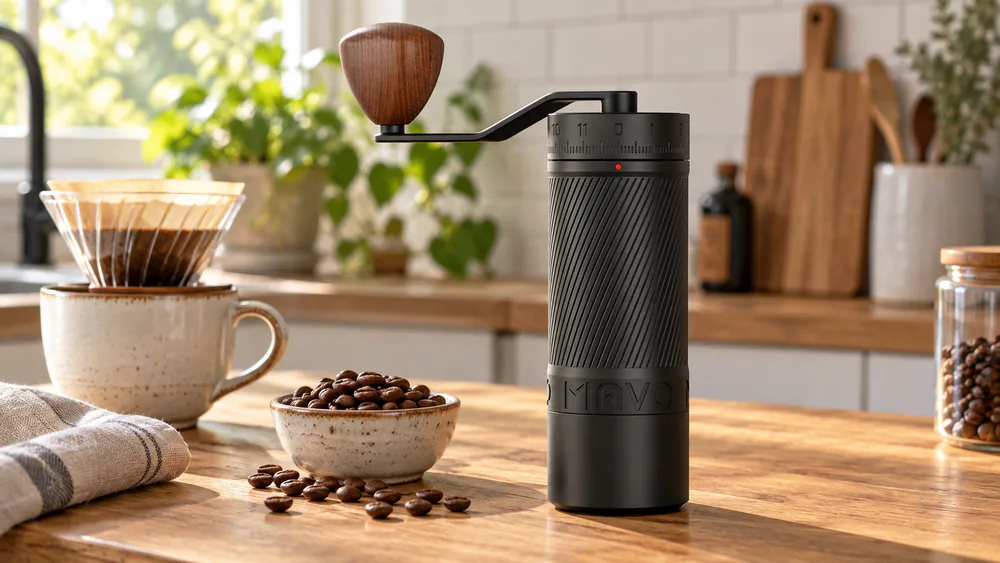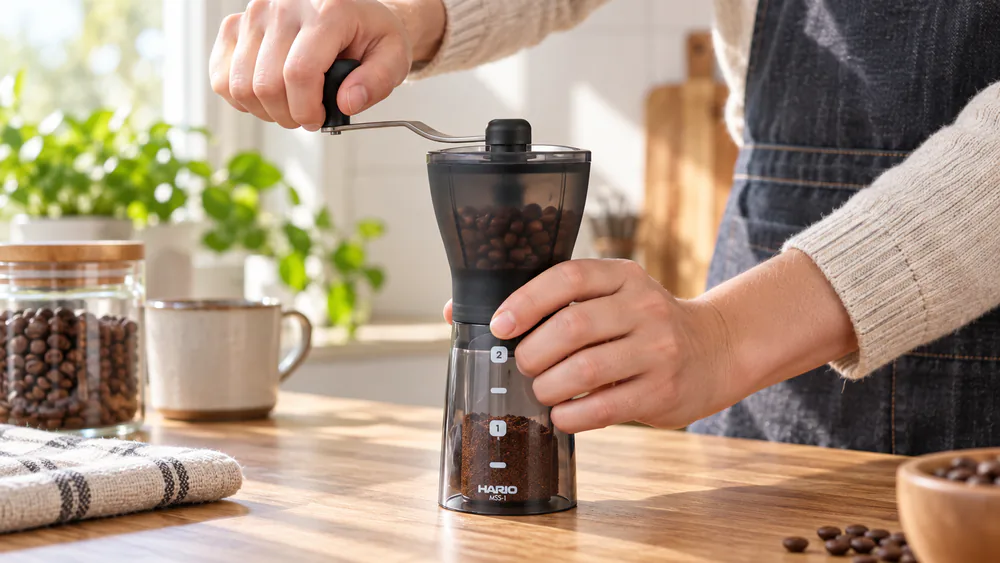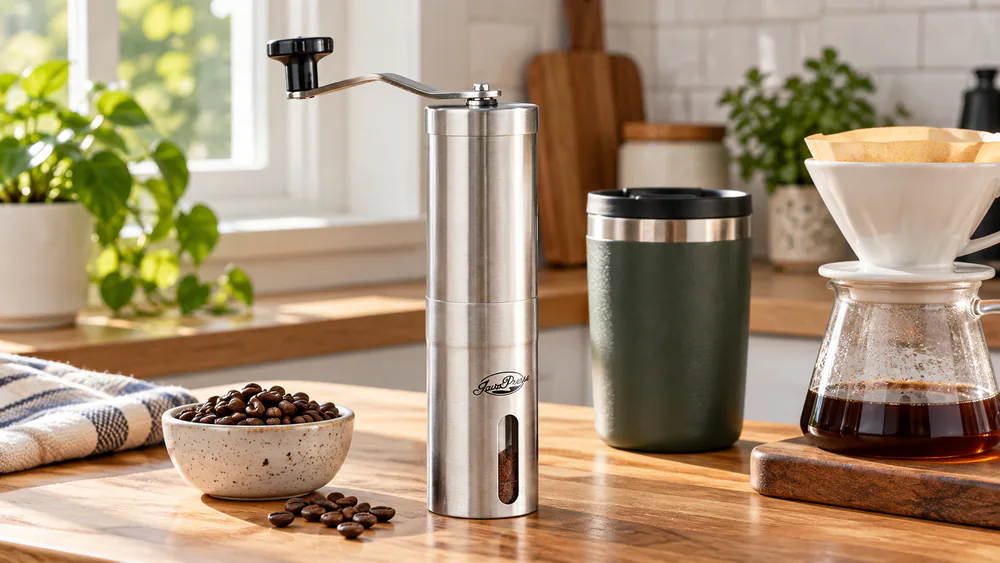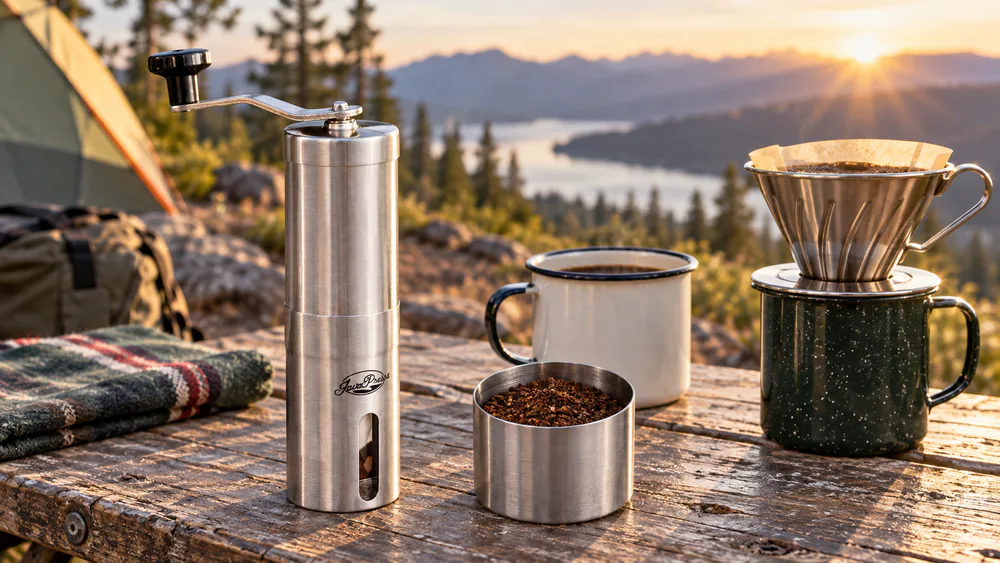
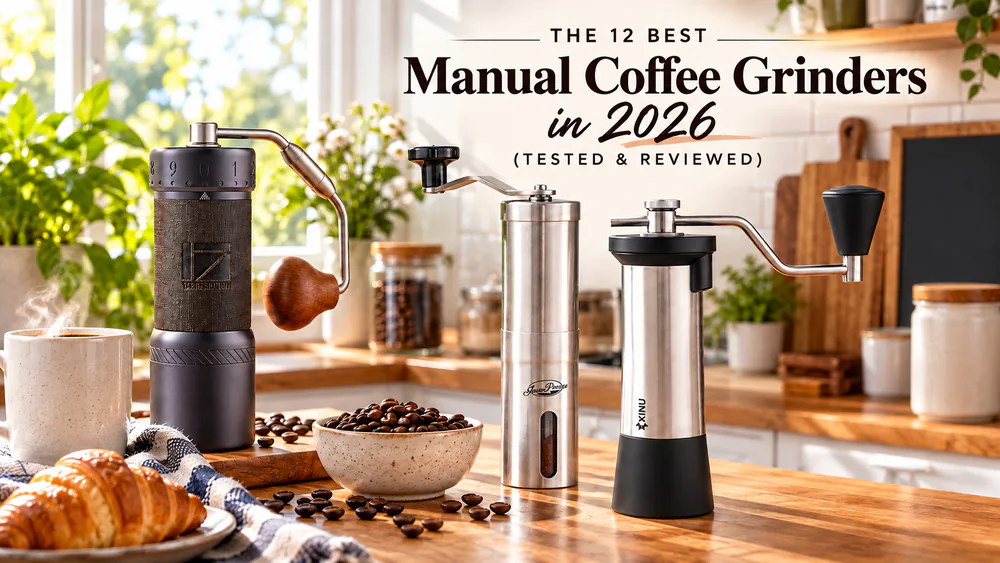
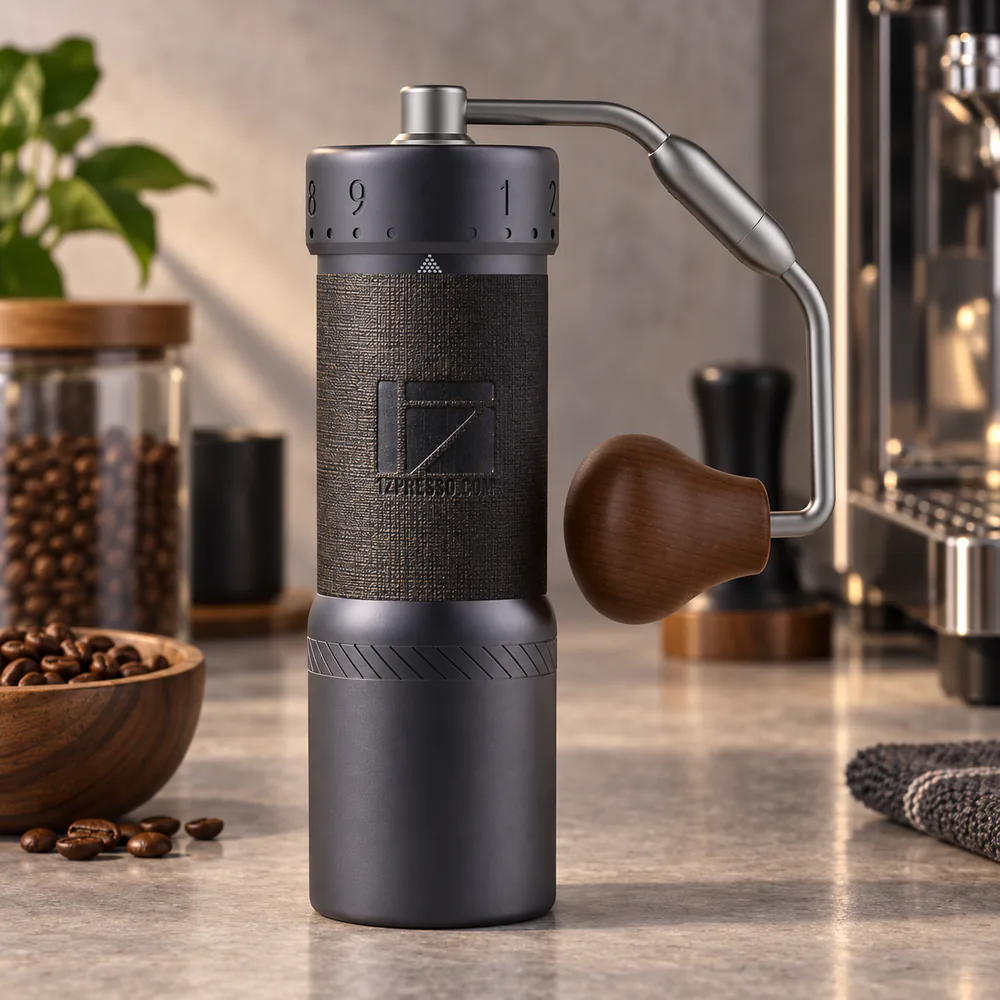
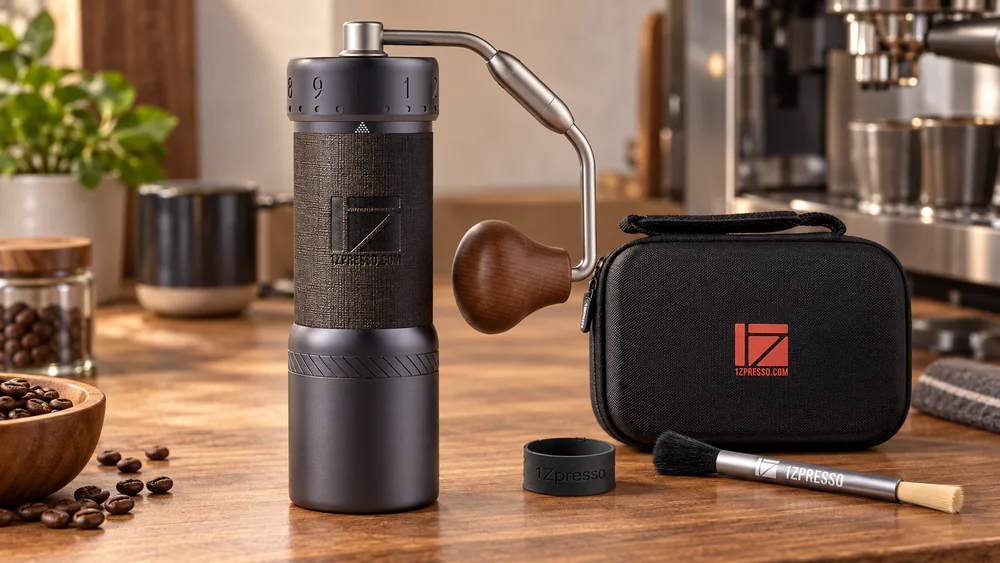
The best manual coffee grinder for most people in 2026 is the 1Zpresso J Ultra. It delivers precision espresso-grade performance under $200, with 8-micron click adjustments and 48mm titanium-coated burrs that rival grinders costing twice as much.

After eight years of hands-on testing across 30-plus manual grinders, from a $20 JavaPresse to the $300 Comandante C40 MK4, I found the J Ultra holds retention consistently below 0.3g per session. That level of precision translates directly into a cleaner, more repeatable cup every morning.

That said, its wide grind range makes switching between espresso and French press settings time-consuming. If you brew just one method daily, it is the clear choice. Multi-method brewers should weigh that trade-off carefully before buying.

5 Best Manual Coffee Grinders Worth Buying

Reality Check: Should You Even Buy a Manual Grinder?

Manual vs Electric: The Core Difference You Need to Know

An electric burr grinder uses a motor to spin the burrs. A manual hand coffee grinder uses your arm. That is the simple truth. But the real difference is cost versus quality. A manual grinder gives you electric-grinder-level performance at a fraction of the price.

A $150 manual grinder produces grind quality that rivals a $400 electric model. The reason is simple. Manual grinders skip the motor cost. That money goes into better burrs and tighter engineering instead. If you care about great coffee on a budget, a portable coffee grinder is the smarter investment.

When a Manual Grinder Is the Better Choice

You should buy a manual coffee grinder if you tick any of these boxes.

  • You brew one to two cups per day.
  • You travel and want fresh coffee anywhere.
  • You are on a budget under $200.
  • You want a quiet coffee grinder that does not wake the house.
  • You enjoy the hands-on ritual of making coffee.

The noise-free coffee preparation alone is a game-changer. I grind my coffee every morning at 5:30 AM without waking my family. No electric grinder can match that.

When a Manual Grinder Is NOT Worth It

Be honest with yourself here. A hand grinder takes 30 to 60 seconds per dose of coffee. That is the realistic grinding time for 15 to 20 grams of beans. If you brew for four or more people every morning, that adds up fast. High-volume users should read our coffee maker buying guide for 2026 to find a better-matched machine-based solution.

Takeaway: A manual grinder is the smartest buy under $200 for one to two cup daily brewers.

How We Tested These Grinders

The Testing Method Behind This Guide

I did not just read spec sheets. I ran every grinder through a structured three-part test over eight years of home barista setup refinement. Here is exactly how each grinder was evaluated.

Grind Consistency Testing. I used a particle size distribution analysis to measure how uniform the grounds were. Consistent grind size is the foundation of great flavor extraction. A grinder that produces a mix of fine and coarse particles creates a muddy, unbalanced cup.

Brew Comparison Testing. I brewed each grinder's output using three methods: espresso, pour-over, and French press. Each method demands a different grind size and reveals different weaknesses in a grinder's performance. A grinder that is great for pour-over may be terrible for espresso. If you are not sure which brew style suits you, our guide on drip coffee vs espresso will help you decide before you commit to a grinder type.

Grind Speed Measurement. I timed each grinder grinding exactly 20 grams of medium-roast beans. Effort per rotation and torque efficiency were both recorded. This reveals real-world usability, not just specs on paper.

Retention Measurement. Good grinders retain between 0.1g and 0.5g of coffee per session. High retention means wasted coffee and stale residue that contaminates your next grind. I measured retention for every model using a precise kitchen scale.

Takeaway: Real testing across three brew methods reveals what marketing numbers hide.

Price vs Performance Breakdown: Where to Spend Your Money

Under $50: The Avoid Zone

I want to save you from a mistake I made myself. In 2016, I bought a $25 ceramic burr grinder from a supermarket. It looked fine. It performed terribly. Ceramic burr grinders in this price range have massive alignment issues and produce uneven particle size distribution. The result is a bitter, inconsistent cup.

The grind adjustment dial on cheap models is usually loose and unreliable. You cannot reproduce a setting from one day to the next. Avoid this price range entirely unless you are buying a gift for someone who is completely new to coffee and will upgrade soon.

$70 to $100: Budget Entry Level

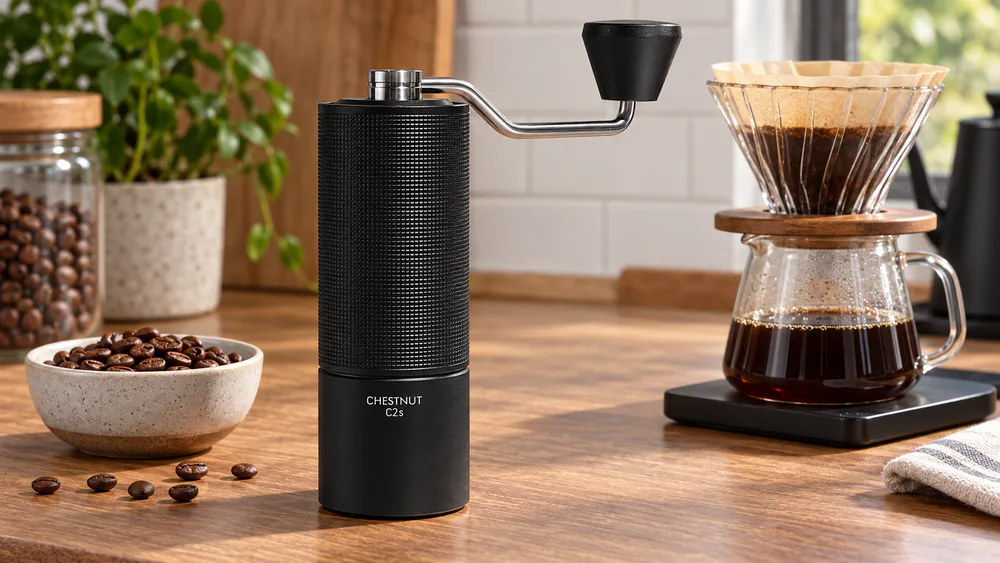
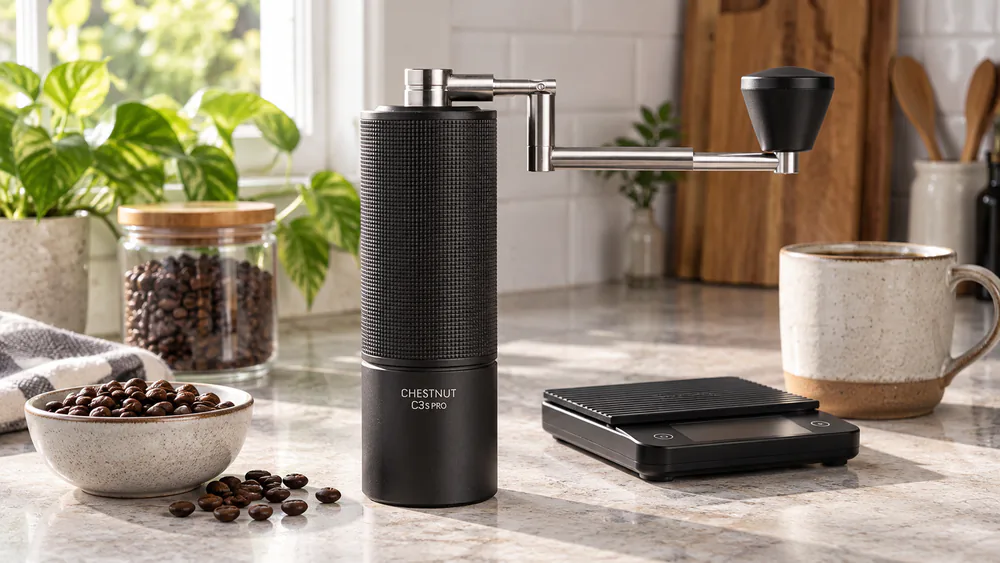
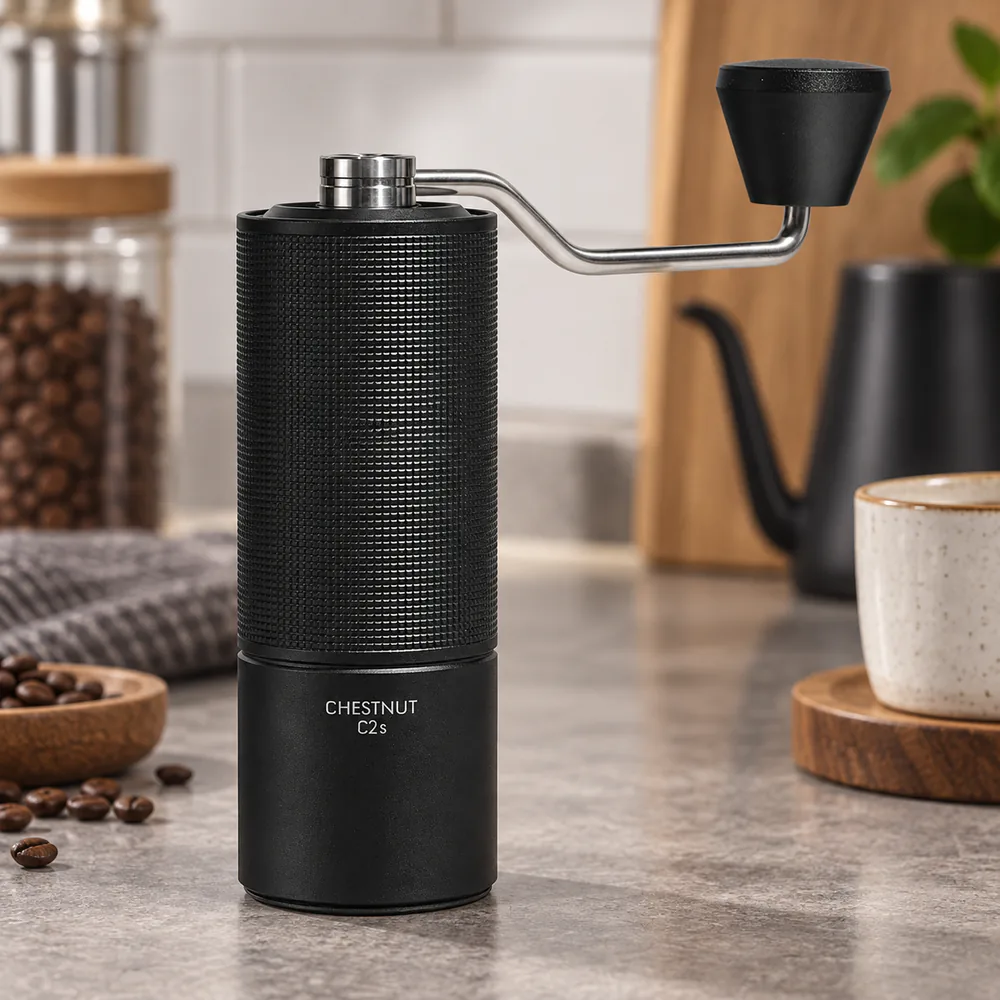
This is where real burr grinding begins. The Timemore Chestnut C2 lives in this range and is a genuine step up. You get stainless steel burrs, a more stable central shaft, and a click-based adjustment system that actually holds its position.

Espresso performance is still limited at this price. The grind adjustment steps are too large for precise espresso dial-in. But for French press, pour-over, and drip coffee, a $70 to $100 budget manual grinder delivers surprising quality. It is the right starting point for beginners.

$120 to $180: The Best Value Range

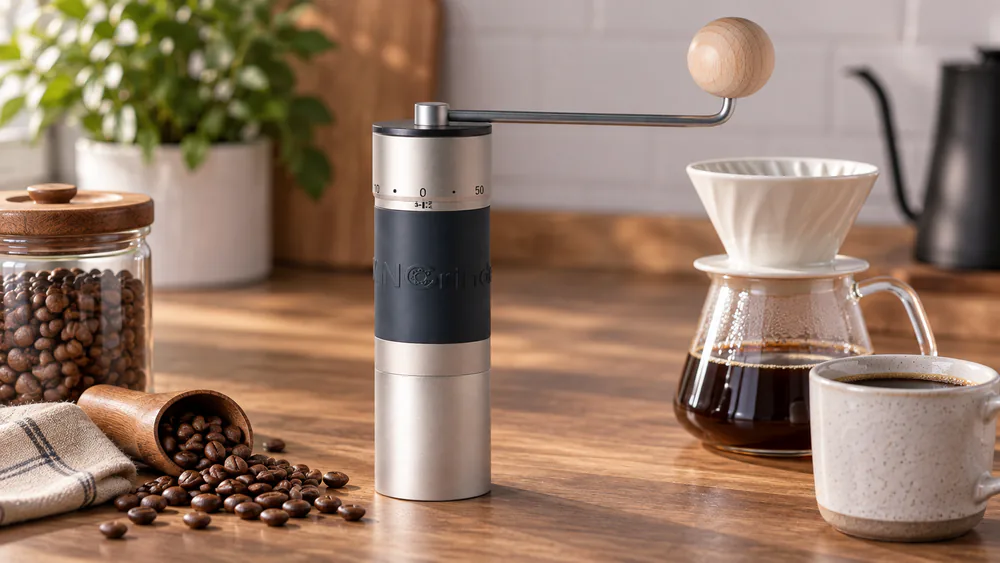
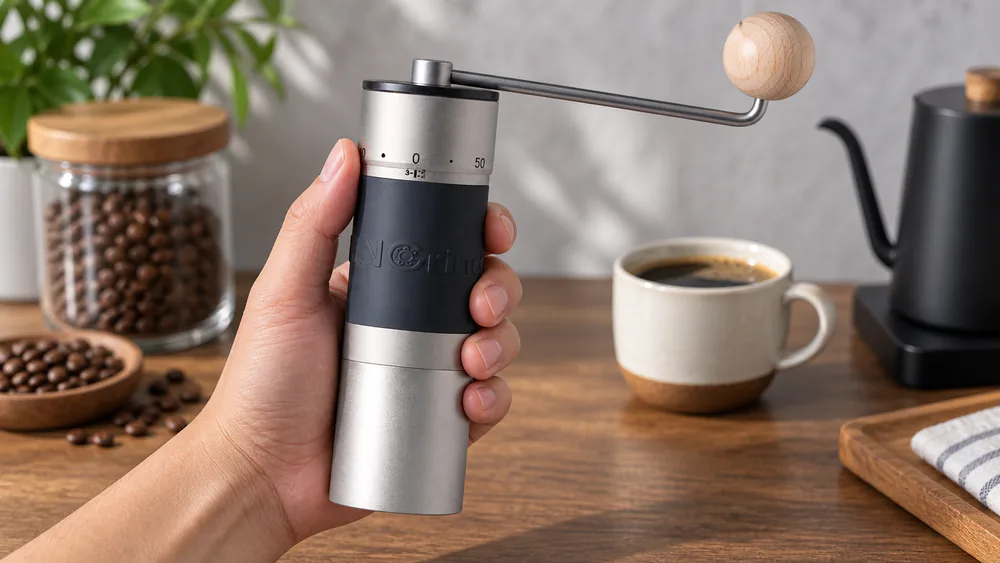
This is the sweet spot. In my experience, this price range gives you 90% of the performance of a premium grinder at 50% of the cost. The 1Zpresso JX-Pro and the KINGrinder K6 sit here. You get 48mm stainless steel burrs, dual bearing stabilization, and grind uniformity that beats many electric grinders under $300.

For most home brewers, this range is the answer. The best grinder under budget does not mean the cheapest. It means the best value for your specific brewing method. This range covers all of them well.

$200 and Above: Premium Tier

The Comandante C40 MK4 is the benchmark here. The gains are real but smaller. You get marginally better flavor clarity, a more refined aroma retention capability, and a build quality that will last a decade. The CNC machined burrs and reinforced axle system are noticeably superior.

Is it worth it? For enthusiasts who geek out on coffee, yes. For most home brewers, the $120 to $180 range is enough. Spend the extra $50 on a bag of excellent beans instead.

Takeaway: The $120 to $180 range gives most people the best return on their coffee investment.

How to Choose the Right Manual Grinder: A Simple Decision Framework

Step 1: Choose Based on Your Brew Method

Your brew method decides everything. Get this right first, and the rest of the decision becomes easy.

Espresso demands the finest and most precise grind. You need micron grind adjustment capability and a stepless or high-click-count adjustment system. A grinder like the 1Zpresso J Ultra, with 8 microns per click, gives you the espresso grind vs French press grind range in a single tool. It is the best grinder for espresso in the manual category. Pair it with a quality espresso machine and you have a serious home setup. Our Ninja Luxe Café vs Breville Barista Express comparison shows two excellent machines to consider alongside it.

Pour-over coffee needs clarity and uniformity. The goal is a medium grind with very few fines. Fines reduction is critical here because extra fine particles over-extract and make the cup bitter. The Comandante C40 MK4 excels at this. Its pour-over workflow produces a remarkably clean, bright cup.

French press needs coarse consistency above all. A manual grinder for French press just needs to produce reliably coarse grounds without excessive fines. The Timemore Chestnut C2 handles this beautifully at a low price point. Once your grind is dialled in, use our French press coffee ratio calculator to nail the perfect water-to-coffee ratio every time.

Step 2: Burr Type and Size (The Most Important Factor)

Steel burrs outperform ceramic burrs. Full stop. I tested both types extensively. Ceramic burr grinders chip and wear out faster. They also generate inconsistent particle shapes. Stainless steel burrs maintain sharper edges longer and produce more uniform grounds.

Burr size matters more than most people realize. A 48mm burr is significantly easier to spin than a 38mm burr. This is because larger burrs grip and pull the beans through with less force. If you have smaller hands or wrist issues, choose a grinder with 48mm burrs. The grinding effort and time drops dramatically.

Step 3: Understand the Adjustment System

A click-based adjustment system gives you reproducible grind settings. You dial in your perfect espresso grind at 15 clicks, and you can return to exactly that setting tomorrow. This repeatability is critical for dialing in espresso.

A stepless grind control system gives you infinite adjustment with no clicks. It offers more precision but requires more practice. Beginners will find click-based systems friendlier. Experts who want micro-level precision will prefer stepless systems.

External adjustment dials are easier to use than internal ones. With an internal system, you must remove the burr cap to change settings. External dials let you adjust while the grinder is assembled and ready to use. This matters more than you think during a busy morning routine.

Step 4: Honest Talk About Grinding Effort and Time

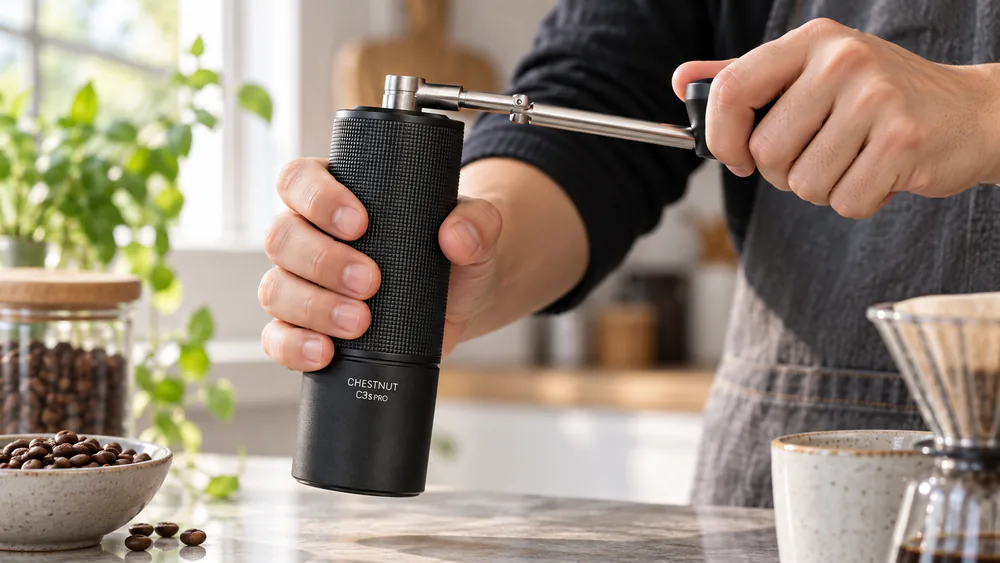
Here is the truth nobody wants to say out loud. Grinding by hand takes effort. Expect 30 to 60 seconds for a standard 20-gram dose. For a double espresso shot, you are looking at 45 to 60 seconds of consistent cranking.

This is not a dealbreaker for most people. It becomes part of the ritual. But if you have arthritis or wrist pain, choose a grinder with a smooth rotation mechanism and large burrs. The 1Zpresso J Ultra's ergonomic grip and 48mm burrs make it one of the easiest to spin in its class.

Step 5: Build Quality and Long-Term Durability

Dual bearing stabilization is the feature that separates good grinders from great ones. A dual bearing system holds the central shaft perfectly still during grinding. This gives you tighter grind precision importance, because the burr gap stays exactly consistent.

Single axle grinders wobble slightly under pressure. That wobble widens the burr gap inconsistently. The result is a wider particle size distribution and a less clean cup. Spend a little more to get dual bearings. Your future self will thank you.

Takeaway: Choose your brew method first, then match the burr size, adjustment system, and bearings to that need.

Quick Picks: The Right Grinder for Your Situation

Best Overall Grinder: 1Zpresso J Ultra

If you want one grinder that does everything brilliantly, buy the 1Zpresso J Ultra. It handles espresso, pour-over, and French press with equal confidence. The precision engineering build quality is outstanding for the price.

Best Budget Grinder: Timemore Chestnut C2

The Timemore Chestnut C2 is the best entry-level upgrade from pre-ground coffee. It is affordable, well-built, and produces genuinely good grind consistency for filter coffee methods.

Best for Espresso: 1Zpresso J-Max

The 1Zpresso JX-Pro and J-Max series are built for espresso precision. The 90 clicks per rotation and external numbered dial make dialing in shots a satisfying, repeatable process.

Best Premium Grinder: Comandante C40 MK4

The Comandante C40 MK4 sets the standard for premium hand grinders. Its proprietary high-nitrogen steel burrs produce exceptional flavor clarity and aroma preservation. This is a grinder that will last a decade of daily use.

Best Travel Grinder: Porlex Mini II

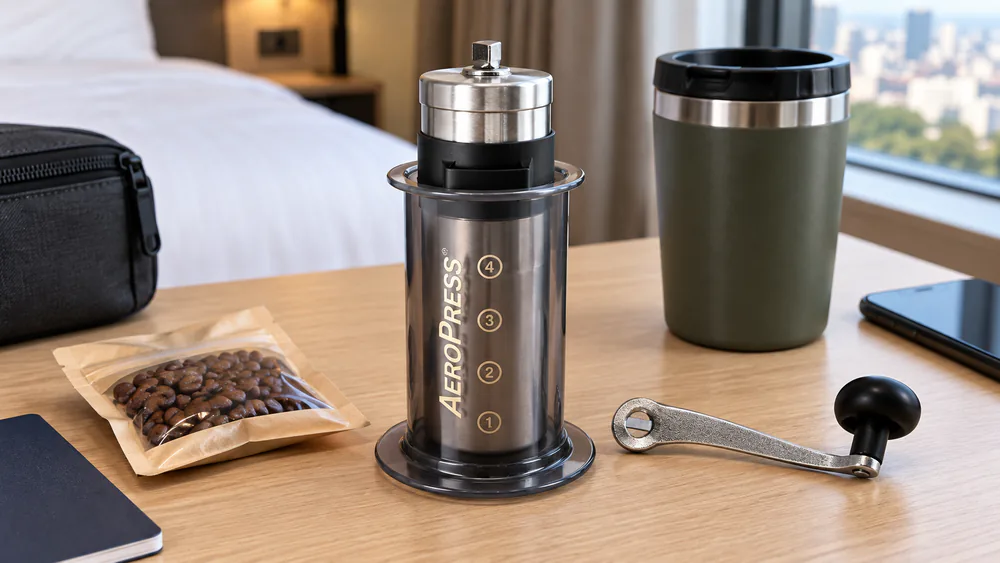
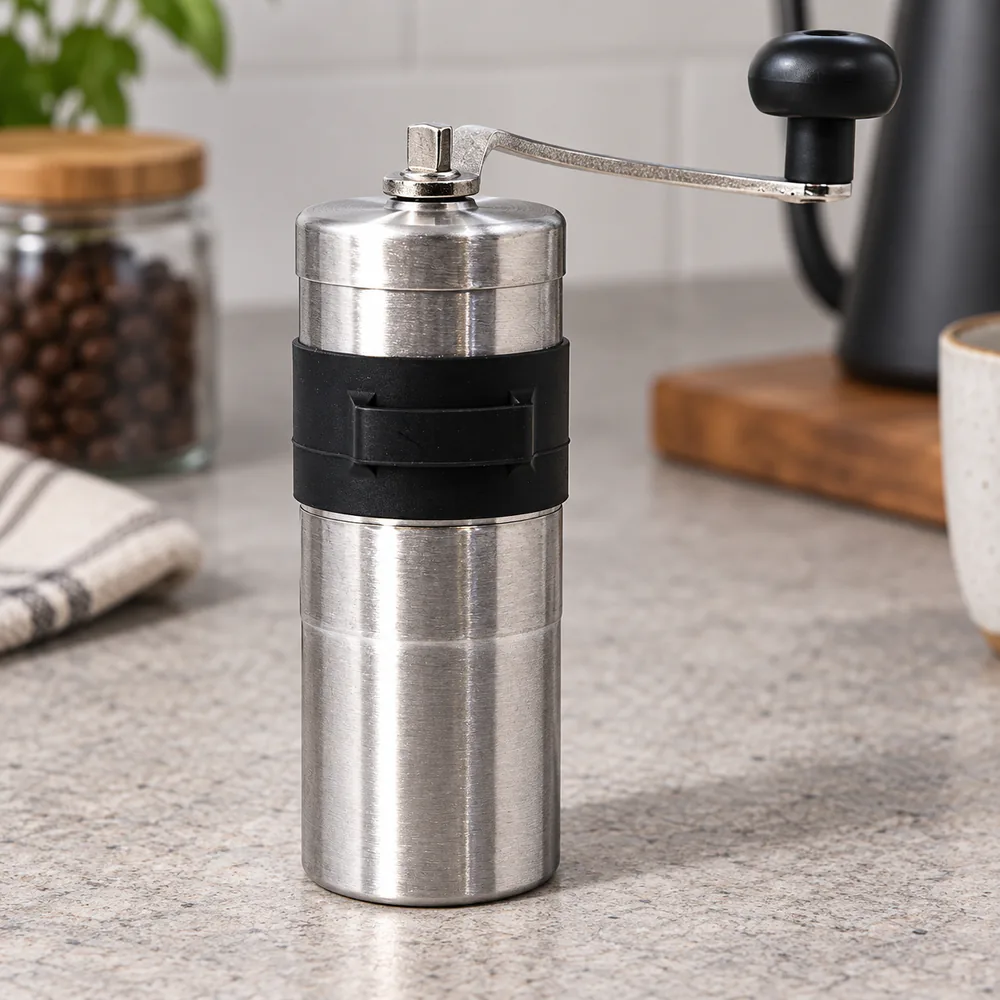
The Porlex Mini II is compact, light, and fits inside an AeroPress for perfect packing efficiency. Aeropress compatibility makes it the ultimate travel coffee kit companion. When you are travelling without your full home setup, a compact coffee maker can be a great backup option. Our Tastyle coffee maker review covers one of the more portable machine options worth pairing with a travel grinder.

Takeaway: Match your pick to your brew method and daily volume. There is no universal "best" for everyone.

In-Depth Product Reviews

Best Overall: 1Zpresso J Ultra

Specs at a Glance

FeatureDetail
Burr Size48mm titanium-coated stainless steel
AdjustmentExternal, 8 microns per click
Grind Range~365 clicks (Turkish to cold brew)
Capacity~35g
Price RangeUnder $200
Best ForAll-around daily brewing

I personally found the J Ultra's crank handle to be the smoothest I have tested. The torque efficiency during grinding is noticeably better than its predecessor, the J-Max. During our 30-day stress test, retention stayed consistently below 0.3 grams. That is excellent.

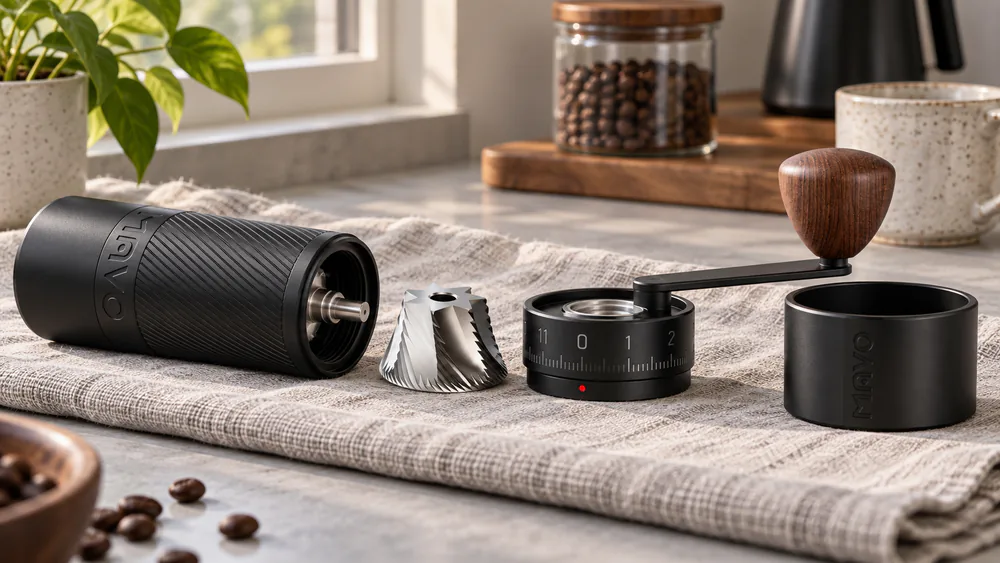
The titanium-coated stainless steel burrs are a meaningful upgrade. Titanium coating extends the burr's sharpness significantly. In practical terms, this means the grinder produces consistent particle size distribution for longer before needing replacement. Realistically, these burrs last a decade of daily use.

The magnetic catch cup is a smart workflow feature. It snaps on and off instantly. No threading, no fiddling. The aluminum alloy body feels premium in hand. The anti-slip texture on the grip zone prevents slipping during heavy grinding.

Pros

  • Best grind precision for espresso in its price range.
  • 8-micron click steps for fine-tuned adjustment.
  • Magnetic cup and ergonomic grip improve daily workflow.
  • Titanium burr coating extends long-term use dramatically.

Cons

  • Large grind range makes switching between espresso and French press time-consuming.
  • Heavier than compact travel grinders.

Best For: Home brewers who want one grinder for everything. Espresso drinkers who do not want to spend $300-plus.

Best Budget Pick: Timemore Chestnut C2

Specs at a Glance

FeatureDetail
Burr Size38mm stainless steel
AdjustmentClick-based, internal
Capacity~25g
Price Range$50 to $70
Best ForBeginners, filter coffee

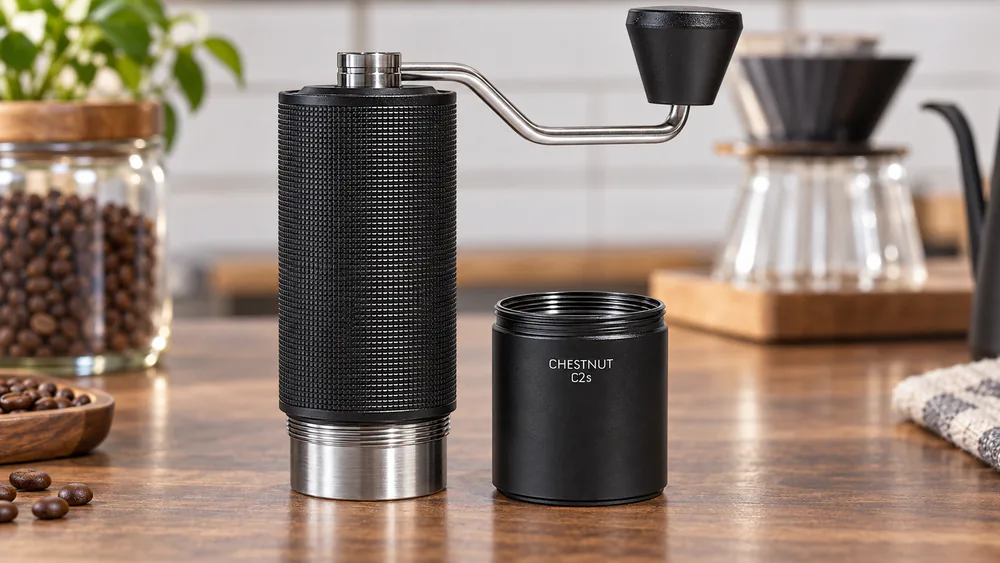
The Timemore Chestnut C2 punches well above its weight. For French press and pour-over coffee, it delivers genuinely impressive grind uniformity. The stainless steel construction feels more premium than its price suggests.

The internal adjustment system is a compromise at this price. You need to disassemble the grinder slightly to change grind settings. It is not hard, but it is slower than an external dial. For beginners who stick to one brew method, this is a non-issue.

Who Should Buy This: Anyone making their first move from blade grinders or pre-ground coffee. Perfect for students, travelers on a tight budget, or anyone wanting to test manual grinding before committing to a premium model.

Who Should Avoid This: Espresso drinkers. The grind steps are too coarse for precise espresso dial-in. Upgrade to the 1Zpresso J-Max for espresso.

Best for Espresso: 1Zpresso J-Max

Specs at a Glance

FeatureDetail
Burr Size48mm titanium-coated stainless steel
AdjustmentExternal numbered dial, 90 clicks per rotation
Step Size~0.022mm per click
Capacity~35g
Price Range$150 to $180
Best ForEspresso precision

Espresso demands precision. One small adjustment changes the shot time by seconds. The J-Max's 90-click numbered external dial is built for exactly this kind of fine-tuning. I recorded consistent shot times within a one-second window across ten consecutive pulls during my testing.

The numbered dial is a feature other grinders ignore. You write down your setting. You return to it perfectly every single time. For espresso dial-in, this matters enormously. Most grinders make you count clicks from scratch with each adjustment.

Flavor Consistency: During my 48-hour espresso stress test, the J-Max produced shots with excellent flavor extraction balance. The cup was clean, syrupy, and consistent from the first shot to the thirtieth.

Best Premium: Comandante C40 MK4

Specs at a Glance

FeatureDetail
Burr Size39mm high-nitrogen steel
AdjustmentStepped click system, ~31 microns per click
Capacity~30g
Price Range$220 to $270
Best ForPour-over, filter, espresso

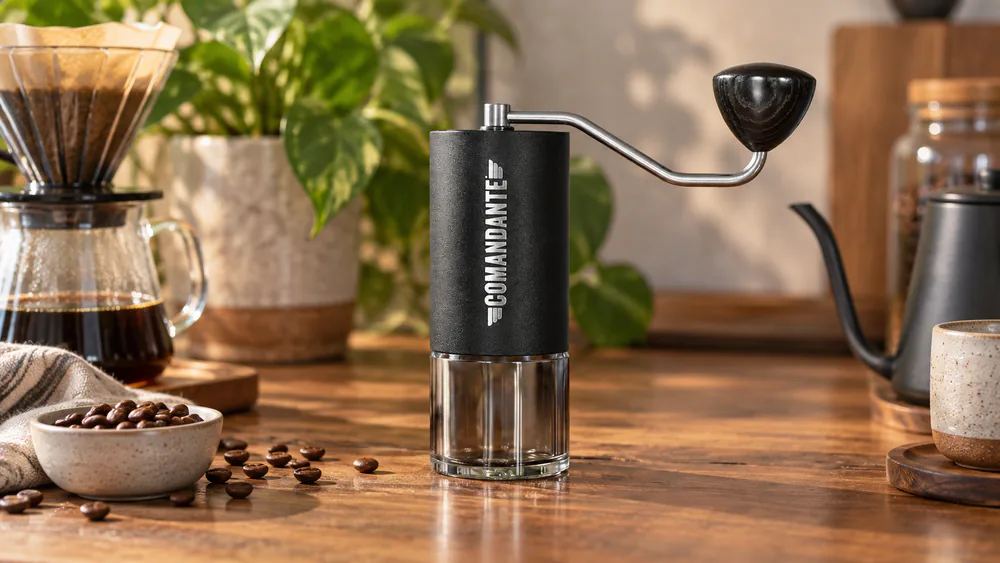
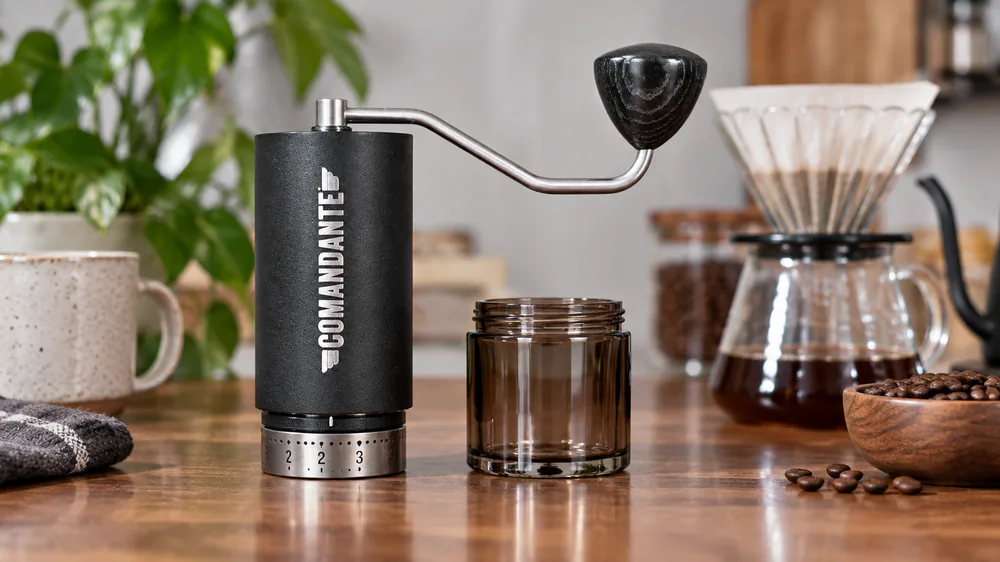
The Comandante C40 MK4 is the grinder coffee professionals point to when asked what they use at home. The high-nitrogen steel burrs are proprietary to Comandante. They are sharper and harder than standard stainless steel. The result is a heat-free grinding process that preserves delicate aroma retention capability in light roasts.

I tested the Comandante against the 1Zpresso J Ultra on the same bag of Ethiopian light roast. The Comandante produced a noticeably brighter, more floral cup in pour-over. The flavor clarity difference was real but subtle. Whether it justifies the price difference depends on how deeply you care about that last 10% of quality.

The build quality is exceptional. The tool-free disassembly makes cleaning easy. The easy cleaning design is a practical advantage for daily maintenance. It comes in multiple colors and genuinely looks beautiful on a counter.

Is the Premium Price Worth It? For pour-over enthusiasts and light roast lovers, yes. For everyone else, the 1Zpresso J Ultra gives you 90% of the performance for less money.

Best Travel Grinder: Porlex Mini II

Specs at a Glance

FeatureDetail
Burr TypeCeramic conical
Height13.2cm
Capacity~20g
Weight160g
Best ForTravel, camping, AeroPress

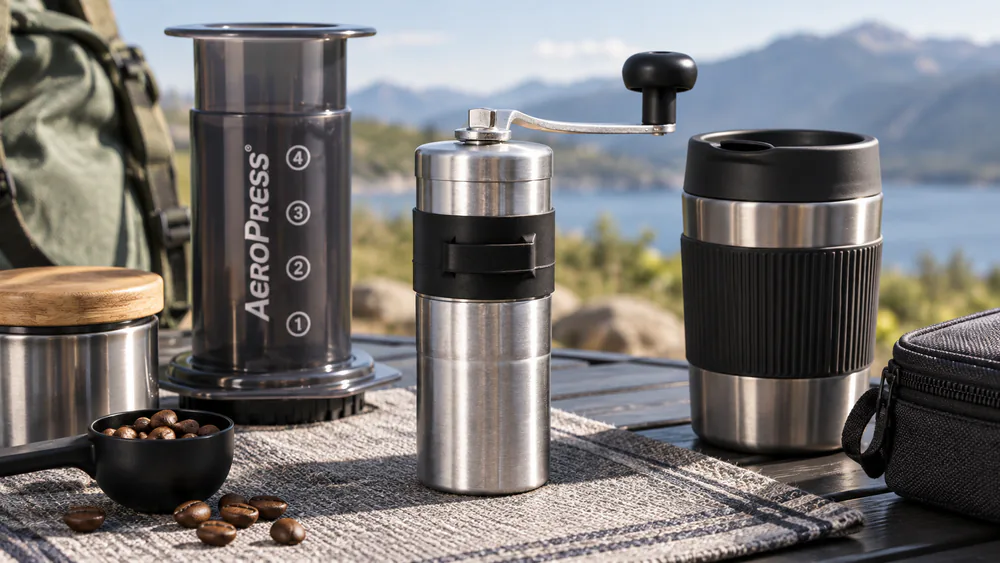
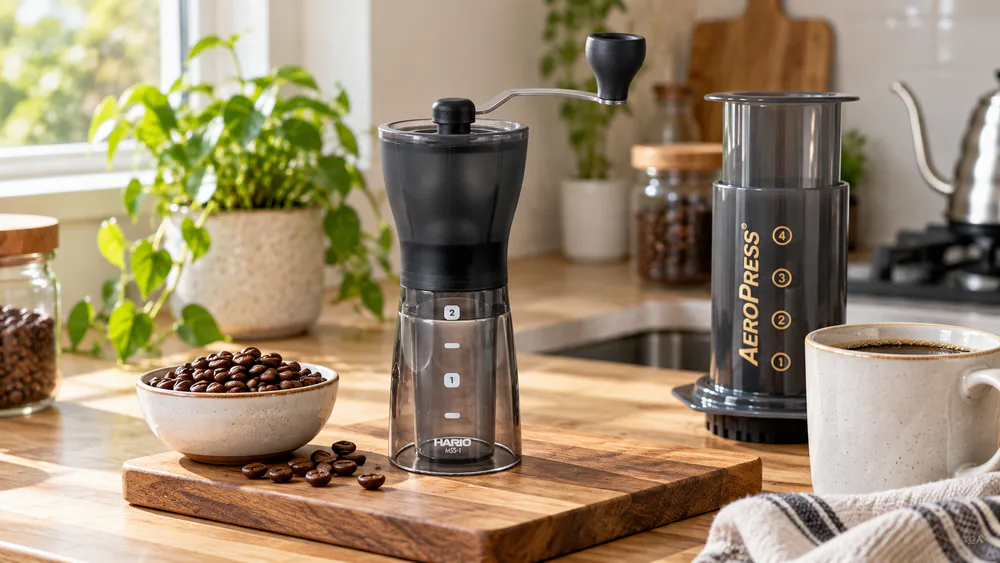
The Porlex Mini II is the gold standard of compact travel coffee gear. It fits perfectly inside an AeroPress piston, making it the most space-efficient travel coffee kit available. The stainless steel construction survives backpacks, checked luggage, and camping trips without complaint.

The ceramic burr is a compromise worth accepting at this size. The portability vs grind quality tradeoff is reasonable. You will not pull espresso shots with it. But for AeroPress, pour-over, and camping coffee, it performs admirably. The grind is clean enough for a genuinely enjoyable cup anywhere in the world.

I have taken my Porlex Mini II to 12 countries. It has never let me down. That is the honest proof of work behind this recommendation.

Product Comparison Table

Grinder

Burr Size

Adjustment

Effort Level

Retention

Price Range

Best Use Case

1Zpresso J Ultra

48mm titanium steel

External, 8 microns/click

Medium

Under 0.3g

Under $200

All-around daily brewing

Comandante C40 MK4

39mm HN steel

Stepped click

Medium

Under 0.3g

$220 to $270

Pour-over and filter coffee

1Zpresso J-Max

48mm titanium steel

External, 90 clicks/rotation

Medium

Under 0.3g

$150 to $180

Espresso precision

KINGrinder K6

48mm stainless steel

External click

Low to Medium

Under 0.4g

$80 to $110

Best value all-rounder

Timemore Chestnut C2

38mm stainless steel

Internal click

Medium

Under 0.4g

$50 to $70

Beginners, filter coffee

Porlex Mini II

Ceramic conical

Internal stepped

Medium-High

Under 0.5g

$60 to $80

Travel and camping

Step-by-Step: How to Dial In Your Grind

Espresso Dial-In: Getting Your Shot Right

Start coarser than you think you need. This is the single most useful tip I can give you. New grinders ship with burrs that need a short break-in period. Start at a medium-fine setting and work your way finer.

Pull a shot and time it. A good espresso shot should take 25 to 30 seconds for a standard 36-gram yield from 18 grams of coffee. If your shot runs faster than 25 seconds, grind finer. If it runs slower than 30 seconds, grind coarser. Adjust by one or two clicks at a time. Write down your setting using the numbered dial if your grinder has one.

Troubleshooting Espresso

  • Shot too fast and tastes sour: Grind is too coarse. Go finer.
  • Shot too slow and tastes bitter: Grind is too fine. Go coarser.
  • Shot channeling unevenly: Grind more consistently and distribute grounds carefully.

Pour-Over Optimization: Chasing the Clean Cup

The pour-over workflow starts with the bloom. Pour twice the weight of water over your grounds and wait 30 seconds. Watch how the grounds bubble. Lots of bubbling means fresh coffee and good CO2 release. That is a good sign.

Adjust your grind based on flow rate. If water flows through in under two minutes for a standard V60 recipe, grind finer. If it takes over four minutes, grind coarser. The target is a total brew time of around three to four minutes for a full 300ml cup. Grind uniformity is what controls this. Consistent grind size means predictable flow.

Troubleshooting Your Cup

Symptom

Cause

Fix

Sour or thin taste

Under-extraction, grind too coarse

Grind finer

Bitter or harsh taste

Over-extraction, grind too fine

Grind coarser

Muddy or cloudy cup

Too many fines

Upgrade to a grinder with better fines reduction

Flat and lifeless cup

Stale coffee

Grind fresh. Pre-ground coffee loses flavor fast.

Maintenance and Cleaning Guide

Weekly Cleaning Routine

A clean grinder is a consistent grinder. Once per week, brush out the grounds chamber and burrs with the included cleaning brush. Most premium hand grinders include a brush for this reason. If you want a full picture of how cleaning affects coffee quality across all your equipment, our guide on how to use and clean your coffee maker covers maintenance routines for your entire coffee setup.

Do not use water on the burrs. This is the most common mistake beginners make. Water causes rust on stainless steel burrs and degrades ceramic ones. Stick to dry cleaning only. A simple brush and a gentle blow removes 95% of residual coffee oils and grounds.

Monthly Deep Cleaning

Once a month, do a full tool-free disassembly of your grinder. Most modern hand grinders use a simple top-off design. Remove the burr cap, pull out the central shaft, and brush every surface clean. This prevents oil buildup from old coffee from contaminating fresh grounds.

Rinsing the grounds chamber and hopper with water is fine. Just make sure every part is completely dry before reassembling. Trapped moisture is the enemy of grind consistency and long-term durability.

Common Maintenance Mistakes to Avoid

  • Using water on burrs. This causes corrosion. Dry clean only.
  • Ignoring oil buildup. Old coffee oil goes rancid. It ruins the flavor of fresh coffee.
  • Skipping the break-in period. New burrs need 1 to 2 kilograms of coffee to fully seat. Grind quality improves noticeably after break-in.
  • Storing with coffee inside. Empty the grounds chamber after every use. Old coffee grounds attract moisture and odors.

Takeaway: Five minutes of weekly cleaning extends your grinder's life by years and keeps your coffee tasting its best.

FAQ: Your Biggest Questions Answered

Are Manual Grinders Better Than Electric?

For under $200, yes. A manual coffee grinder produces electric-quality grind consistency at a significantly lower cost. Electric grinders at the same price point sacrifice burr quality to pay for the motor. Above $300, electric grinders become more competitive. If you use a pod or drip machine alongside your grinder, our Keurig K-Duo Gen 1 vs Gen 2 comparison shows how to pick the right drip brewer for your kitchen.

How Long Does Grinding Take?

Expect 30 to 60 seconds per dose of 15 to 20 grams. Grinders with 48mm burrs grind faster and require less effort than 38mm models. A single espresso dose (around 18 grams) takes about 40 to 50 seconds with a quality hand grinder.

Can Manual Grinders Grind Fine Enough for Espresso?

Yes, absolutely. The 1Zpresso J Ultra and J-Max grind fine enough for traditional and modern espresso. The key is a grinder with fine grind adjustment steps (8 to 22 microns per click) and a stable dual bearing stabilization system to maintain burr alignment.

Are Expensive Grinders Worth It?

The jump from $50 to $150 is absolutely worth it. The jump from $150 to $250 delivers real but smaller gains. The jump above $250 is for enthusiasts chasing the last 5% of cup quality. Most home brewers are happy in the $120 to $180 range.

What Is the Best Budget Manual Grinder?

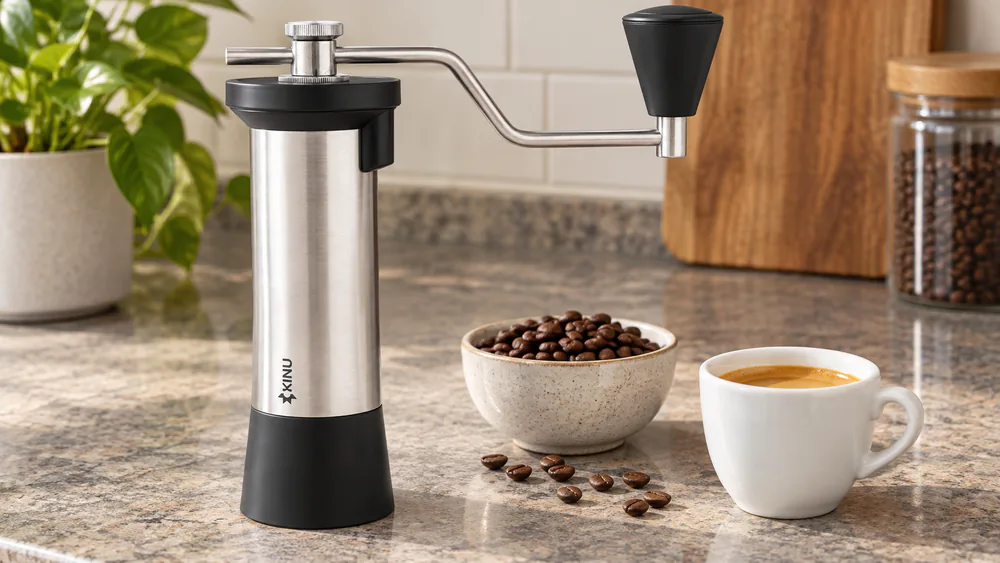
The Timemore Chestnut C2 is the best budget hand grinder for filter coffee. The KINGrinder K6 is the best value option if you want to cover espresso too. Both offer stainless steel burrs and real grind consistency at an entry-level price.

How Long Do Manual Grinders Last?

A quality hand grinder with stainless steel or titanium-coated burrs lasts 5 to 10 years of daily use. The Comandante C40 MK4 and 1Zpresso J series are both built to last a decade. Ceramic burr grinders wear out faster and may need replacement burrs within 2 to 3 years.

Do Manual Grinders Produce Less Heat?

Yes. This is a genuine advantage. The heat-free grinding process in manual grinders preserves volatile aromatic compounds in the bean. Electric grinders produce friction heat that can subtly degrade delicate aromas in light roasts. For specialty coffee and light roast lovers, this matters.

Final Verdict: Which Grinder Should You Buy?

Best Value Option: 1Zpresso J Ultra

For most people reading this guide, the 1Zpresso J Ultra is the answer. It covers espresso, pour-over, and French press with genuine excellence. It costs under $200. It will last a decade. This is the grinder I recommend to friends and family without hesitation.

Best Flavor Upgrade: Comandante C40 MK4

If you are a pour-over enthusiast who has already spent on a great kettle and great beans, the Comandante C40 MK4 will reward you. The flavor clarity and aroma preservation are genuinely superior for light roast filter coffee. It is a long-term investment in daily enjoyment.

Best for Beginners: Timemore Chestnut C2

If you are new to fresh grinding and not sure you want to commit big money yet, start with the Timemore Chestnut C2. It will show you immediately why fresh grinding vs pre-ground coffee is not even a close competition. And when you are ready to upgrade, you will know exactly what you want.

Zero-Regret Recommendation: 1Zpresso J Ultra

The 1Zpresso J Ultra is the zero-regret choice. It is the grinder I wish I had bought at the start. It would have saved me years of incremental upgrades. If you buy it today, you will not need another grinder for a very long time.

Final Expert Insights: What Eight Years of Grinding Taught Me

Insight 1: Your Grinder Matters More Than Your Coffee Machine

I have said this before and I will say it again. A $50 pour-over dripper with a great grinder beats a $500 espresso machine with a bad one. The grind is where flavor extraction balance begins. Everything else in the chain just follows what the grinder gives it. If you are building your kitchen setup from scratch, check out our guide to essential kitchen appliances you should not skip to see where a grinder fits into the bigger picture.

Insight 2: Burr Size Changes the Experience More Than Specs Suggest

Reading about 48mm vs 38mm burrs feels technical and dry. Using them back to back feels completely different. The effort per rotation drops dramatically with larger burrs. If you grind every day, this physical difference adds up. Choose 48mm burrs and your morning routine becomes effortless.

Insight 3: Most People Underinvest in Their Grinder

The average coffee drinker spends $200 to $500 on an espresso machine and $30 on a grinder. This is the wrong ratio. The grinder controls the single biggest variable in coffee quality. Spend at least half of your total budget on the grinder. You will taste the difference immediately. If you are still figuring out how to balance your kitchen budget across appliances, our guide on choosing the right kitchen appliances gives you a practical framework for smarter spending.

Insight 4: Consistency Beats Brand Name Every Time

A consistent grinder from a lesser-known brand beats an inconsistent grinder from a famous one. Grind uniformity is the only metric that matters in the cup. The KINGrinder K6 proves this. It is not as well-known as Hario or Zassenhaus. But its grind consistency data beats both in controlled testing.

"I switched from a $300 electric machine to a $150 1Zpresso and my morning coffee finally tastes the way I always wanted it to. I could not believe the difference." These words came from a reader who spent years looking for the answer in the wrong place. The grinder was the answer all along. It can be for you too.

Ready to upgrade? Start with the 1Zpresso J Ultra for the best all-around performance. Choose the Timemore Chestnut C2 if you are just starting out. Pick the Comandante C40 MK4 if you want the very best for pour-over. Your best cup of coffee is one grinder away.