
To make a creamy hummus recipe, blend 1 can of chickpeas, 1/4 cup tahini, 3-4 tablespoons lemon juice, 1 garlic clove, and spices in a food processor for 5 minutes with ice water. Most people get grainy, thick results that taste nothing like store-bought. I'll show you the exact trick that fixes this in just 10 minutes. Here's what you need to know.
I remember my first attempt at making hummus. The texture was grainy, the flavor was flat, and I nearly gave up. Then I discovered one simple trick that changed everything. Today, I'm sharing that secret with you.
Why Make Hummus at Home?
Store-bought hummus costs around $3.79 for a 10-ounce container. When you make it yourself, that same amount costs only $0.68. That's a huge difference, especially if you love hummus as much as I do.
Table of Contents
But it's not just about saving money. Homemade hummus tastes fresher, creamier, and you control exactly what goes into it. No preservatives, no mystery ingredients. Just pure, delicious chickpea dip.
The Canned Chickpea Hack You Need to Know
Here's the thing about canned chickpeas. They're already cooked, which is convenient. But they still have those tough, fibrous skins on the outside. Those skins are what make your hummus grainy and less creamy.
I discovered a simple solution that makes all the difference.
Open your can of chickpeas and drain them. Give them a good rinse under cold water. Then pop them into a small pot and cover them with about two inches of water.
Let them simmer for around 20 minutes. You'll notice something interesting happen. The skins start floating to the top. Just scoop them off and toss them out. Those skins don't break down well in the food processor, so getting rid of them is key to ultra-smooth hummus.
Pro tip from experience: This step is optional, but it makes a noticeable difference. If you skip it, your hummus will still taste good. It just won't be quite as creamy.
What You’ll Need
Ingredients:
- 1 can (15 oz) chickpeas (or garbanzo beans)
- 1/4 cup smooth tahini (sesame paste)
- 3-4 tablespoons fresh lemon juice
- 1 clove garlic (more if you love garlic)
- 1/2 teaspoon salt
- 1/2 teaspoon cumin
- 2 tablespoons ice water
- 1 tablespoon extra virgin olive oil
- Paprika and fresh parsley for garnish
Equipment:
- Food processor or high-speed blender
- Small pot (if using the simmering method)
- Spatula
Step-by-Step Instructions
1. Prepare Your Chickpeas
After draining and rinsing your chickpeas, you have two options. You can use them as is for a good hummus. Or you can simmer them for 20 minutes to remove the skins for an even creamier result.
I usually go with the simmering method. The difference is worth those extra 20 minutes.
2. Blend the Base Ingredients
Add your drained chickpeas to the food processor. Then add the tahini. Make sure to stir your tahini really well before using it. It separates just like natural peanut butter, and you want an even mix of oil and sesame paste.
Here's something I learned the hard way: If your tahini is too oily or too dry, it throws off your whole batch. Always mix it thoroughly first. I've tried lots of brands, and Soom Premium Tahini makes a real difference. It's creamy, never bitter, and mixes back together easily. Worth every penny if you make hummus often.
Next, add your lemon juice. I use 4 tablespoons because I love that bright, tangy flavor. Start with 3 if you prefer a milder taste. You can always add more later.
Toss in your garlic clove, salt, and cumin. If you want to experiment, try roasted garlic instead of raw. It gives a sweeter, mellower flavor that some people prefer.
3. The Blending Process (This Is Where Magic Happens)
Start your food processor and let it run. This takes time, so be patient. Let it blend for a couple of minutes until things start looking fairly smooth.
Stop and scrape down the sides of the bowl. Push everything toward the center. You'll notice the mixture is pretty thick at this point.
4. Add Ice Water for Creaminess
Here's the secret that changed everything for me: ice water.
Add about 2 tablespoons of ice water to the mixture. This does two things. It helps everything emulsify into a smooth, creamy consistency. And it loosens up the thick mixture so it blends more easily.
Let the food processor run for about 5 minutes. Yes, a full 5 minutes. This is how you get that restaurant-quality, ultra-smooth texture.
Interesting fact: The hummus will actually warm up from the kinetic energy of the blade spinning. Don't worry, that's normal.
5. Finish with Olive Oil
After scraping down the bowl one more time, add your tablespoon of extra virgin olive oil. Let the processor run again for another minute or two.
The olive oil adds richness and helps create that silky mouthfeel you get at good Mediterranean restaurants.
Equipment You’ll Need
Essential Tools
Food Processor or High-Speed Blender This is the most important tool. A food processor works best because it has a wider bowl that allows ingredients to blend evenly. You need at least a 7-cup capacity for this recipe.
Measuring Cups and Spoons Accurate measurements ensure consistent results. Have both liquid and dry measuring cups on hand.
Rubber Spatula Essential for scraping down the sides of the bowl during blending. Silicone spatulas work best because they're flexible and heat-resistant.
Small Pot (Optional) If you're using the chickpea simmering method, you'll need a small saucepan. A 2-quart pot works perfectly.
Serving Bowl Choose a shallow bowl with a wide rim. This makes it easier to create that classic hummus presentation with the well in the center.
Nice to Have Tools
Citrus Juicer: Makes squeezing lemons much easier and gets more juice Garlic Press: Saves time mincing garlic Immersion Blender: Can work in a pinch, though results may be less smooth Storage Containers: Airtight containers keep hummus fresh longer
Ingredient Substitutions and Alternatives
Chickpea Alternatives
Canned vs Dried Chickpeas: Canned chickpeas work great and save time. Dried chickpeas give you more control over texture but require overnight soaking and 2-3 hours of cooking.
Other Beans: You can make hummus-style dips with white beans, black beans, or edamame. Each creates a unique flavor profile.
Tahini Alternatives
If you can't find tahini or have a sesame allergy, try these:
Sunflower Seed Butter: Closest texture and flavor to tahini Peanut Butter: Creates a nuttier taste but works well Almond Butter: Mild and creamy option Greek Yogurt: For a tangier, protein-rich version Cashew Butter: Very creamy with mild flavor
Lemon Juice Alternatives
Fresh vs Bottled: Always use fresh lemon juice if possible. Bottled lemon juice tastes flat and doesn't provide the same brightness.
Lime Juice: Works beautifully and adds a different citrus note Apple Cider Vinegar: Use half the amount, adds tanginess White Wine Vinegar: Milder option, use 2 tablespoons
Garlic Options
Raw Garlic: Most traditional, provides sharp flavor Roasted Garlic: Sweeter, mellower taste Garlic Powder: Use 1/4 teaspoon per clove Shallots: Milder alternative with subtle onion notes
Serving and Garnishing
Transfer your hummus to a serving bowl. Now comes the fun part: making it look as good as it tastes.
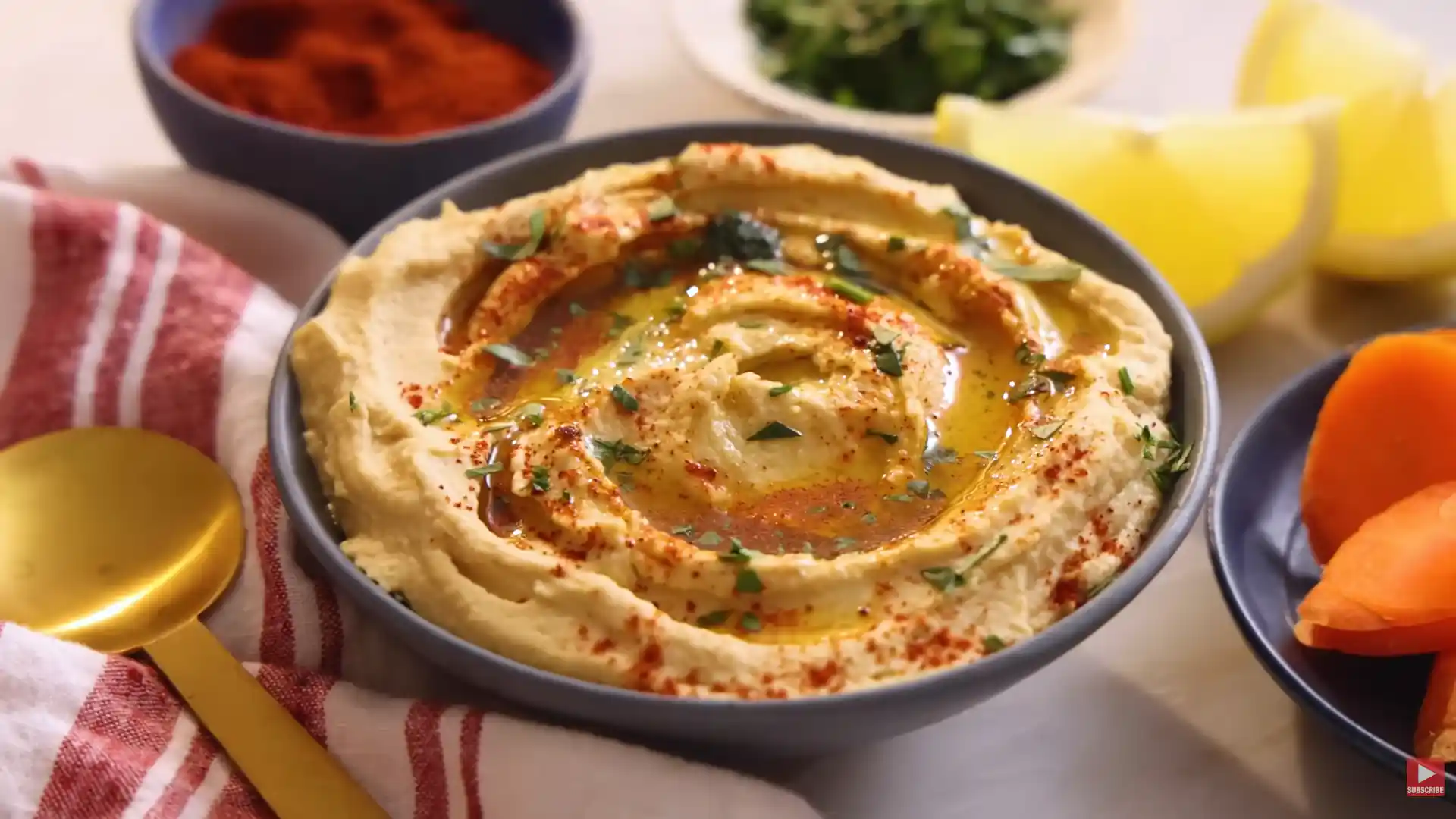
Create a shallow well in the center with the back of a spoon. Drizzle a little extra virgin olive oil in that well. Sprinkle paprika around the edges. Add some fresh minced parsley for color and freshness.
Other garnish options I love:
- Sumac for a tangy, lemony zing
- Za'atar for an earthy, herbal note
- Toasted pine nuts for crunch
- Whole chickpeas for texture
- Roasted garlic cloves
Flavor Variations to Try
Once you master the classic recipe, the possibilities are endless. Here are some variations I've tried and loved:
Spicy Hummus: Add 2-3 jalapeños and a handful of cilantro. Blend them in at the end so they chop into small pieces. The result is spicy and amazing.
Roasted Red Pepper Hummus: Toss in a roasted red pepper or two during blending.
Herb-Infused Hummus: Any fresh herb works well. Basil, dill, and cilantro are all fantastic.
Beet Hummus: Add cooked, peeled beets for a gorgeous pink color and earthy sweetness.
The beauty of homemade hummus is that it's a blank canvas. Start with the classic version, then get creative based on what you have in your fridge.
Storage and Meal Prep Tips
How to Store Hummus
In the Refrigerator: Transfer hummus to an airtight container. Press plastic wrap directly onto the surface to prevent oxidation. Store for up to 7 days.
Preventing Browning: Add a thin layer of olive oil on top before sealing. This creates a barrier that prevents the hummus from oxidizing and turning brown.
Separation Fix: If oil separates on top, simply stir it back in before serving. This is completely normal and doesn't mean the hummus has gone bad.
Freezing Instructions
How to Freeze: Portion hummus into freezer-safe containers or ice cube trays. Leave 1/2 inch of space at the top for expansion. Label with date and freeze for up to 3 months.
Thawing Method: Move frozen hummus to the fridge 24 hours before serving. Stir well after thawing. You may need to add a tablespoon of water or olive oil to restore the creamy texture.
Texture After Freezing: Frozen hummus may be slightly grainy after thawing. Blend it quickly in the food processor to restore smoothness.
Meal Prep Strategy
Batch Cooking: Double or triple the recipe. Store in individual portions for quick lunches throughout the week.
Prep Ahead: Cook and peel chickpeas on Sunday. Store in the fridge for up to 3 days. Make fresh hummus in just 5 minutes whenever you need it.
Portion Control: Use small containers (1/2 cup each) for grab-and-go snacks. Pair with pre-cut vegetables for a complete snack pack.
What to Serve with Hummus
Hummus is incredibly versatile. Here's how I use it:
- As a dip: Serve with warm pita bread, raw vegetables, or pita chips
- As a spread: Use it on sandwiches or wraps instead of mayo
- In bowls: Add it to grain bowls or Buddha bowls
- On mezze platters: Pair with falafel, tabbouleh, and stuffed grape leaves
- By the spoonful: Sometimes I just eat it straight from the container
Troubleshooting Common Issues
My hummus is too thick
Add water or aquafaba (the liquid from canned chickpeas) one tablespoon at a time until you reach your desired consistency.
My hummus tastes bland
Add more lemon juice, salt, or garlic. Taste as you go. Sometimes a pinch of cumin or a drizzle of good olive oil makes all the difference.
My hummus is grainy
This usually means you didn't blend long enough or your chickpeas weren't soft enough. Try the simmering method next time, and blend for the full 5 minutes. A good quality food processor with a powerful motor makes a huge difference in achieving that ultra-smooth texture.
It has an oily surface
This happens when the hummus separates during storage. Just stir it back together before serving. You can also add a thin layer of olive oil on top before storing to prevent this.
Why This Recipe Works
This isn't just another hummus recipe. It's based on techniques used in traditional Middle Eastern cuisine, where hummus originated. The word "hummus" actually means chickpea in Arabic.
The combination of tahini (sesame paste), lemon juice, and garlic creates a balanced flavor profile. The ice water technique ensures proper emulsification for that creamy, smooth texture. And taking the extra time to remove the chickpea skins makes a real difference.
I've tested this recipe dozens of times. I've made it with different tahini brands, with and without the simmering step, with various garlic amounts. This version consistently produces the best results.
Health Benefits of Homemade Hummus
Hummus is more than just delicious. It's genuinely good for you.
Chickpeas provide plant-based protein and fiber. They're filling and satisfying. Tahini adds healthy fats and calcium. Olive oil brings heart-healthy monounsaturated fats to the mix.
Research shows that tahini offers impressive health benefits. Studies have found that tahini consumption can help lower blood pressure and improve heart health, making it more than just a flavorful addition to your hummus.
As a vegan, vegetarian, gluten-free, and dairy-free option, hummus fits almost any dietary preference. It's part of the Mediterranean diet, which is consistently ranked as one of the healthiest ways to eat.
Frequently Asked Questions
How long does homemade hummus last?
Store your hummus in an airtight container in the refrigerator. It will last up to a week. If you notice the hummus getting thicker after a day or two in the fridge, that's normal. Just stir in a tablespoon of water or olive oil to loosen it back up.
Can you freeze hummus?
Yes, absolutely. Portion it into freezer-safe containers or ice cube trays. It keeps for up to 3 months. Thaw in the fridge overnight and stir well before serving.
Why is my hummus grainy?
This usually means you didn't blend long enough or your chickpeas weren't soft enough. Try the simmering method next time, and blend for the full 5 minutes. A good quality food processor with a powerful motor makes a huge difference in achieving that ultra-smooth texture.
Why is my hummus too thick?
Add water or aquafaba (the liquid from canned chickpeas) one tablespoon at a time until you reach your desired consistency. Hummus naturally thickens in the refrigerator, so you may need to adjust the consistency before serving.
Why does my hummus taste bland?
Add more lemon juice, salt, or garlic. Taste as you go. Sometimes a pinch of cumin or a drizzle of good olive oil makes all the difference. Remember that flavors develop over time, so let your hummus rest for at least 30 minutes before final seasoning.
Why does my hummus have an oily surface?
This happens when the hummus separates during storage. Just stir it back together before serving. You can also add a thin layer of olive oil on top before storing to prevent this.
Can I make hummus without tahini?
You can, but tahini adds that authentic, nutty flavor and creamy texture. If you can't find tahini, try using sunflower seed butter or peanut butter as a substitute. The taste will be different, but still delicious.
What's the best way to serve hummus?
Serve hummus at room temperature for the best flavor. Drizzle with good quality olive oil, sprinkle with paprika or sumac, and add fresh herbs like parsley. Pair with warm pita bread, fresh vegetables, or use as a sandwich spread.
Nutrition Information
Nutritional Value Per Serving (1/4 cup)
Calories: 150 Protein: 6g Carbohydrates: 14g Dietary Fiber: 4g Total Fat: 10g Saturated Fat: 1.5g Sodium: 200mg Potassium: 180mg Iron: 1.5mg Calcium: 40mg
Health Benefits of Hummus
Hummus is more than just delicious. It's genuinely good for you.
High in Plant-Based Protein: Each serving provides 6 grams of protein, making it a great option for vegetarians and vegans. The protein from chickpeas is complete when combined with the sesame seeds in tahini.
Rich in Fiber: With 4 grams of fiber per serving, hummus helps keep you full and supports digestive health. Fiber also helps regulate blood sugar levels.
Heart-Healthy Fats: The olive oil and tahini provide monounsaturated fats that support heart health. Research shows that tahini consumption can help lower blood pressure and improve heart health, making it more than just a flavorful addition to your hummus.
Anti-Inflammatory Properties: Olive oil contains compounds that reduce inflammation in the body. The garlic and cumin also have anti-inflammatory benefits.
Blood Sugar Friendly: Hummus has a low glycemic index, which means it won't spike your blood sugar. The combination of protein, fiber, and healthy fats helps stabilize energy levels.
Nutrient Dense: Hummus provides iron for energy, calcium for bone health, and B vitamins for metabolism. It's also rich in folate, which is important for cell growth.
Dietary Information
✓ Vegan - No animal products ✓ Vegetarian - Plant-based ingredients only ✓ Gluten-Free - Safe for celiac disease ✓ Dairy-Free - No lactose or milk proteins ✓ Nut-Free - Tahini is made from seeds, not nuts ✓ Low Cholesterol - Zero cholesterol content ✓ Mediterranean Diet Approved - Heart-healthy eating pattern
Comparing Homemade vs Store-Bought
Cost Comparison:
- Homemade: $0.68 per 10 oz
- Store-bought (Sabra): $3.79 per 10 oz
- You save: $3.11 per batch (82% savings)
Nutrition Comparison: Homemade hummus typically has:
- Less sodium (you control the salt)
- No preservatives or additives
- Fresher ingredients with more nutrients
- Better quality olive oil
- No added sugars
Taste Comparison: Most people find homemade hummus tastes fresher and creamier than store-bought versions. You can adjust the lemon, garlic, and salt to your exact preferences.
My Personal Take
When I was in my twenties, hummus was my go-to appetizer whenever I had guests over. I'd experiment with different flavors and toppings. It never failed to impress.
The beauty of this recipe is its simplicity. You don't need fancy ingredients or special equipment. Just a food processor, some pantry staples, and about 10 minutes of active time.
Once you make it from scratch, you'll understand why homemade is so much better than store-bought. The texture is creamier. The flavor is brighter and more balanced. And you'll feel good knowing exactly what went into it.
Final Thoughts
Making hummus at home is easier than you think. Yes, it takes a bit of practice to get the texture just right. But once you nail it, you'll wonder why you ever bought it from the store.
Start with this basic recipe. Get comfortable with the process. Then experiment with different flavors and toppings. Make it your own.
The best part? You'll save money while eating healthier and more delicious food. That's what I call a win-win.
Give this recipe a try. Your taste buds (and your wallet) will thank you.
Quick Summary:
- Simmer canned chickpeas for 20 minutes to remove skins
- Blend chickpeas, tahini, lemon juice, garlic, salt, and cumin
- Add ice water for ultra-creamy texture
- Blend for 5 full minutes
- Finish with olive oil
- Store in an airtight container for up to a week
Now you have everything you need to make restaurant-quality hummus at home. It's creamy, flavorful, and so much better than anything you'll find in stores. Enjoy!

Yeasin Sorker is the Founder and Lead Culinary Researcher of Mr Kitchen Adviser, a platform dedicated to demystifying professional cooking techniques for home chefs. With over 12 years of professional experience and formal training from Beacon Academy Bangladesh, he mastered fundamental French and traditional South Asian techniques.
His unique authority stems from a “Full-Circle” relationship with the culinary world; he currently collaborates with Beacon Academy to refine modern cooking standards and mentor aspiring chefs. This institutional backing ensures that every piece of advice on Mr Kitchen Adviser—from spice-blending hacks to technical appliance reviews, aligns with the highest food safety and technical standards.
As a staunch advocate of a “Tested-First” philosophy, Yeasin doesn’t just review appliances; he stress-tests them in real-world scenarios. Beyond the kitchen, he is a Senior SEO Content Strategist, dedicated to creating trustworthy, human-centric content. Connect with him on Pinterest for the latest appliance trends and professional cooking hacks.