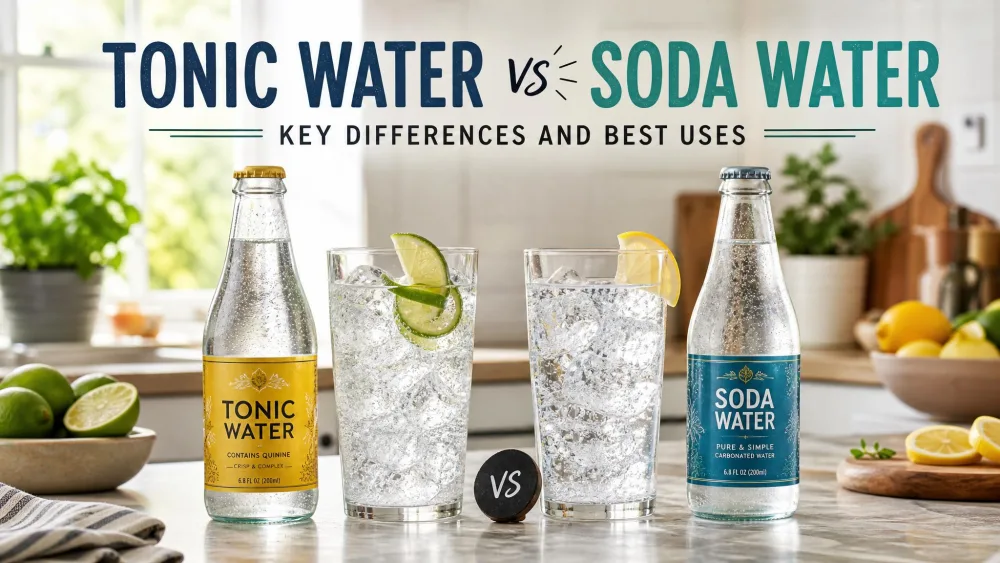
Soda water is plain carbonated water with zero calories and no added flavor. Tonic water contains quinine and sugar, delivering 80 to 130 calories per serving and a distinct bitter-sweet taste that makes it a very different drink.

After 8 years of kitchen work and hands-on cocktail mixing, I once grabbed soda water instead of tonic for a gin and tonic. My guest noticed immediately. That single swap taught me how much quinine and sugar change a drink's entire flavor balance.

Tonic water is not a daily hydration drink. Its sugar content rivals many sodas, so it belongs in your cocktail glass, not your water bottle.

Soda water and tonic water bottles side by side on a kitchen counter showing similar packaging

Soda Water vs Tonic Water: Quick Answer

The Simplest Explanation

Let me break this down like I am talking to my 10-year-old neighbor.

Soda water is just water with bubbles. It has no flavor and no sugar. You can drink it every day without worrying about calories or added ingredients.

Tonic water is also bubbly. But it has quinine added to it. Quinine comes from tree bark and gives tonic water its famous bitter taste. Sugar is then added to balance that bitterness.

One is basically fancy water. The other is closer to a flavored soft drink.

Takeaway: Soda water is neutral and calorie-free. Tonic water is bitter-sweet and calorie-heavy.

Quick Comparison Table

Feature

Soda Water

Tonic Water

Taste

Neutral and crisp

Bitter-sweet

Calories

Usually 0

Usually 80 to 130

Sugar

None

Often high

Quinine

No

Yes

Best Use

Hydration and mixers

Cocktails

Keto Friendly

Usually yes

Often no

Hydration-Friendly

Yes

Less ideal

Why They Are Commonly Confused

I get this question all the time. Here is why so many people mix them up.

Both drinks are clear and fizzy. They often come in similar bottles at the grocery store. Restaurants sometimes say "sparkling water" for both without being specific.

The word "water" in tonic water tricks people into thinking it is a plain, healthy drink. It is not. It is a flavored soft drink with real sugar and a distinct bitter taste.

Takeaway: Similar looks and similar packaging cause most of the confusion between these two drinks.

What Is Soda Water?

Soda water is carbonated water. That is it. Carbon dioxide gas gets forced into water under pressure. This creates the bubbles you feel on your tongue.

Some versions also include small amounts of mineral salts. These give the drink a very light, clean flavor that plain water does not have.

Ingredients in Soda Water

Most soda water contains three things.

  • Carbonated water
  • Mineral salts like potassium sulfate
  • Sodium bicarbonate (in some versions)

These ingredients are simple and safe. They add tiny amounts of sodium, but nothing that affects most people's health goals.

Takeaway: Soda water ingredients are minimal, clean, and easy to understand.

Taste and Mouthfeel of Soda Water

The taste is crisp and clean. There is a very slight mineral finish on the back of your tongue. Some people describe it as "tingly."

The bubbles feel lighter than tonic water in most cases. It does not leave any lingering sweetness or bitterness. This neutrality is exactly what makes it such a great cocktail mixer and daily hydration tool.

Takeaway: Soda water tastes clean and neutral, making it versatile for almost any use.

Types of Soda Water

Not all soda water is the same. Here are the three main types you will find in stores.

Club Soda

Club soda has added minerals like potassium bicarbonate and sodium chloride. This gives it a very slight salty taste. Canada Dry Club Soda is a well-known example. It works well in cocktails because the minerals add a tiny bit of body.

Seltzer Water

Seltzer is the purest form. It is just water with carbonation. No minerals are added. The taste is completely neutral. It is the best choice if you want a truly flavorless sparkling drink.

Sparkling Mineral Water

This type gets its minerals naturally from underground springs. Topo Chico Mineral Water and Perrier Sparkling Water are two popular examples. The mineral profile varies by brand and gives each one a unique flavor character. If water quality at home matters to you, this guide on inline water filters for refrigerators is worth reading.

Takeaway: Club soda, seltzer, and sparkling mineral water all fall under the soda water family but taste slightly different.

Soda Water Nutrition Facts

  • Calories: Zero
  • Sugar: Zero
  • Carbohydrates: Minimal to none
  • Sodium: Trace amounts in some brands

This nutritional profile makes soda water ideal for people watching calories, following a keto diet, or managing diabetes.

Takeaway: Soda water is one of the most diet-friendly beverages you can drink.

Common Uses for Soda Water

I use soda water almost every day in my kitchen. Here are the most popular ways to enjoy it.

  • Vodka soda (low-calorie cocktail classic)
  • Mojitos with fresh mint and lime
  • Whiskey highballs
  • Daily hydration for people who find still water boring. If you are curious how water coolers and dispensers work, that guide covers the full hydration setup.
  • Sparkling drink alternatives to sugary sodas

Takeaway: Soda water is flexible, calorie-free, and works in almost any drink situation.

What Is Tonic Water?

Tonic water is a carbonated soft drink that contains quinine. Quinine is a compound originally extracted from the bark of the cinchona tree. It has a naturally bitter taste.

Sugar is added to balance the bitterness. This is why tonic water has real calories and a sweet-bitter flavor profile that soda water completely lacks.

Why Tonic Water Contains Quinine

Here is a history lesson that most people never learn.

British soldiers in India during the 1800s mixed quinine with water to fight malaria. Quinine was an effective treatment at that time. The taste was extremely bitter, so soldiers added gin and sugar to make it drinkable.

That is exactly how the gin and tonic pairing was born.

Today, the FDA regulates how much quinine can go into tonic water. Modern amounts are far too low to treat any illness. It is purely a flavoring agent now.

Takeaway: Quinine gives tonic water its bitter taste and has a fascinating historical backstory tied to medicine and cocktails.

Tonic Water Taste Profile

Tonic water has a bitter-sweet taste with a citrus-like bitterness underneath. It is complex and botanical in a way that soda water is not.

Premium craft tonic brands like Fever-Tree Premium Indian Tonic Water enhance this with higher-quality botanical ingredients. The bitterness is cleaner and more refined compared to budget options.

Schweppes Tonic Water and Q Spectacular Tonic Water each offer their own spin on the classic bitter-sweet balance.

Takeaway: Tonic water delivers a complex bitter-sweet flavor that plain soda water simply cannot match.

Why Tonic Water Has Sugar

Quinine is aggressively bitter on its own. Sugar is added to make the drink enjoyable. This creates the cocktail structure that makes a gin and tonic taste so balanced and refreshing.

Unfortunately, that sugar comes with a calorie cost. Most regular tonic waters behave more like a soda than a health drink when it comes to sugar content.

Takeaway: Sugar in tonic water is there to balance the quinine bitterness, but it raises the calorie count significantly.

Tonic Water Nutrition Facts

  • Calories: 80 to 130 per 12 oz
  • Sugar: 20 to 32 grams per serving
  • Carbohydrates: Similar to soda
  • Quinine: Present in regulated amounts

Diet tonic water uses artificial sweeteners instead of sugar. This cuts calories dramatically while keeping the bitter-sweet flavor.

Takeaway: Regular tonic water has as many calories as many sodas. Diet versions offer a lower-calorie alternative.

Types of Tonic Water

Regular Tonic

Traditional tonic with full sugar content. Best for classic cocktails where you want authentic bitter-sweet flavor.

Diet Tonic

Uses artificial sweeteners. Calories drop to near zero. Good for calorie-conscious choices without sacrificing the tonic flavor you love.

Premium Craft Tonic

Brands like Fever-Tree use better botanicals and cleaner bitterness. The carbonation is finer and more elegant. These are the best options for high-end gin and tonic pairings.

Takeaway: Choose regular tonic for classic cocktails, diet tonic for lower calories, and craft tonic for premium drinking experiences.

Common Uses for Tonic Water

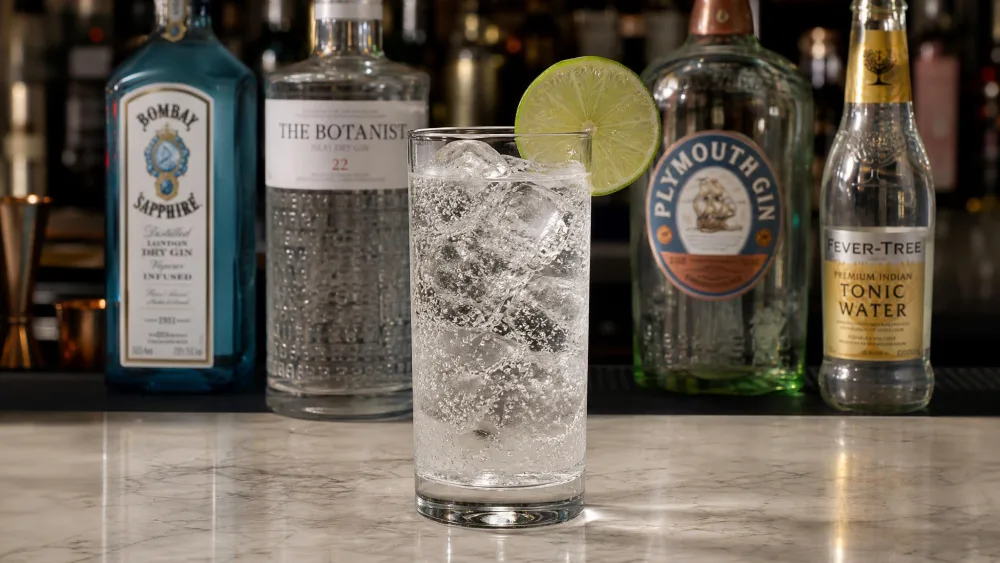
  • Gin and tonic (the most iconic pairing)
  • Vodka tonic
  • Botanical mocktails
  • Any drink where bitter-sweet complexity is the goal

Takeaway: Tonic water shines in cocktails, especially alongside gin.

Soda Water vs Tonic Water: The Biggest Differences

This is the section most people need. Let me lay it out clearly.

Ingredients Comparison

Soda water has water, carbonation, and sometimes trace minerals. Tonic water has water, carbonation, quinine, and sugar.

Reading the label is the fastest way to tell them apart. If you see quinine or high fructose corn syrup on the label, you have tonic water in your hand.

Takeaway: The label never lies. Check for quinine and sugar to identify tonic water instantly.

Taste Comparison

Soda water tastes neutral. Tonic water tastes bitter and sweet. This difference is massive when you are mixing drinks.

Soda water lets the spirit shine. It does not fight with the flavor of your vodka or whiskey. Tonic water changes the entire flavor profile of a cocktail. It adds its own bitterness and sweetness to the mix.

Takeaway: Use soda water when you want the spirit to lead. Use tonic water when you want a complex flavor partnership.

Calories and Sugar Comparison

This is where the health difference becomes very clear.

Soda water has zero calories. You can drink it all day with no impact on your weight or sugar intake.

Tonic water has 80 to 130 calories per serving. Regular tonic packs as much sugar as many soft drinks. Over time, those calories add up significantly.

Takeaway: Soda water wins the calorie battle by a wide margin.

Hydration Comparison

Soda water hydrates you effectively. The carbonation does not reduce how well your body absorbs the water. Drinking sparkling water is just as hydrating as still water.

Tonic water is less ideal for hydration. The sugar content changes how efficiently your body processes fluids. It also adds unnecessary calories if your goal is simple hydration.

Takeaway: For daily hydration, soda water is the clear winner.

Cocktail Performance Comparison

In my experience, choosing the right mixer changes everything about a cocktail.

Soda water works best with spirits that have delicate flavors. Vodka soda, for example, lets you taste the vodka clearly. The bubbles add texture without interfering with the flavor. For home bartenders who also blend their drinks, this complete blender buying guide for 2026 covers everything you need to set up a proper home bar station.

Tonic water changes the game entirely. It adds bitterness, sweetness, and botanical complexity. A gin and tonic tastes like a whole new drink because of the tonic, not just the gin.

Takeaway: Your mixer choice defines your cocktail. Pick based on whether you want the spirit or the mixer to lead the flavor.

Which One Is Healthier?

Weight Loss Comparison

Soda water is the clear winner for weight loss. Zero calories means zero impact on your daily intake.

Swapping tonic water for soda water in your cocktails can save you 80 to 130 calories per drink. If you have two drinks at dinner, that is up to 260 calories saved from one simple swap.

I started recommending this swap to friends who were trying to cut back. Almost all of them were surprised at how little the taste changed in most drinks.

Takeaway: Choosing soda water over tonic water is one of the easiest low-calorie drink swaps you can make.

Diabetes Considerations

People managing blood sugar need to be careful with tonic water. The sugar content in regular tonic is significant and can cause blood sugar spikes.

Diet tonic water is a better option for diabetics. The artificial sweeteners do not raise blood sugar the same way. Always read the label to confirm which sweeteners are used.

Soda water has no sugar and is generally safe for people managing diabetes.

Takeaway: Check the label carefully. Diabetics should choose soda water or diet tonic to stay safe.

Is Quinine in Tonic Water Safe?

The quinine in modern tonic water is safe for most people. According to Medical News Today, the FDA has approved quinine in carbonated beverages at up to 83 parts per million, and requires manufacturers to list it clearly on the label. This is a very small amount.

However, some people should be cautious. Quinine can interact with certain medications, including blood thinners. Pregnant women are often advised to limit quinine intake.

If you have any medical concerns, check with your doctor before drinking tonic water regularly.

Takeaway: Tonic water quinine is safe in moderation for most healthy adults. Check with a doctor if you take medications.

Is Soda Water Bad for You?

I hear this myth constantly. People worry that fizzy water causes bloating, damages teeth, or contains harmful sodium levels. Let me clear this up.

Bloating from soda water is usually temporary and minor. It is not harmful. Dental concerns apply mainly to acidic beverages. Soda water has very low acidity compared to sodas or citrus drinks.

Sodium levels in most soda water brands are extremely low. They do not pose a risk for most people.

Takeaway: Soda water is safe for daily drinking. The common concerns about it are mostly myths.

Best for Everyday Drinking

Soda water wins for routine, everyday use. It hydrates you, has no calories, and supports health goals across the board.

Tonic water is best enjoyed in moderation. It is a treat drink or a cocktail ingredient, not a daily beverage.

Takeaway: Drink soda water daily. Enjoy tonic water occasionally.

Can You Substitute Soda Water for Tonic Water?

This is one of the questions I get asked most often at home dinner parties.

When the Substitution Works

Some drinks handle the swap just fine.

  • Highball cocktails with whiskey or rum
  • Mocktails where you add your own bitters or citrus
  • Low-calorie cocktail versions where flavor complexity is less important

In these cases, the neutral flavor of soda water can work well. You might add a squeeze of lime or a dash of bitters to compensate. If you are building mocktails or frozen drinks at home, knowing whether a personal blender or countertop blender suits your style is a useful decision to make first.

Takeaway: Soda water can replace tonic water in simple, flexible drinks with minor adjustments.

When the Substitution Fails

Some drinks absolutely require tonic water. A classic gin and tonic is the best example.

The gin and tonic depends on the bitter-sweet balance that tonic water creates. Swapping in soda water gives you a gin and soda. It is a totally different drink. The flavor balance disappears completely.

Takeaway: Never substitute soda water in a gin and tonic. The bitter flavor from quinine is essential to the recipe.

Best Alternatives to Tonic Water

If you want a lower-calorie option with some flavor complexity, try these.

  • Bitter lemon soda (adds bitterness without as much sugar)
  • Sparkling water with a few drops of cocktail bitters
  • Zero-sugar tonic water (diet tonic from premium brands)

Takeaway: Zero-sugar tonic is the best alternative when you want the tonic flavor without the calories.

Best Alternatives to Soda Water

If you are out of soda water, these work as substitutes.

  • Canada Dry Club Soda (very similar, with minerals)
  • Seltzer water (pure carbonation, no minerals)
  • Perrier Sparkling Water or Topo Chico Mineral Water (natural carbonation)

Takeaway: Club soda and seltzer are the closest substitutes for plain soda water.

Insider Bartender Insight

Professional bartenders rarely swap soda water for tonic water without thought. Here is why.

Carbonation texture matters. Tonic water often has a finer, smaller bubble structure. This creates a different mouthfeel in the glass. Soda water carbonation is usually coarser and more aggressive.

The fizzy drink texture changes how the flavors hit your palate. Small differences in carbonation create big differences in the drinking experience.

Takeaway: Carbonation quality and bubble size affect taste. Professionals treat these two drinks as completely separate tools.

Soda Water vs Club Soda vs Sparkling Water vs Tonic Water

People get lost in the grocery beverage aisle all the time. I have been there myself, standing with three similar bottles wondering which is which.

Club Soda vs Soda Water

Club soda and soda water are almost the same thing. The key difference is minerals. Club soda has added minerals like potassium bicarbonate. This gives it a slightly fuller, slightly salty taste.

For most drinks, they work interchangeably. Canada Dry Club Soda is a widely trusted example of this category.

Takeaway: Club soda is soda water with added minerals. Both work the same in most drinks.

Sparkling Water vs Soda Water

Sparkling mineral water gets its carbonation and minerals from natural underground springs. Soda water gets its carbonation artificially added.

The flavor difference can be noticeable. Perrier Sparkling Water and Topo Chico Mineral Water each have a distinctive mineral profile that artificial soda water lacks.

Takeaway: Sparkling mineral water has a richer, more complex flavor than artificially carbonated soda water.

Tonic Water vs Sparkling Water

This comparison trips people up most often. Sparkling water has no calories, no sugar, and no quinine. Tonic water has all three.

The "water" in tonic water makes people assume it is a health drink. It is not. It is a soft drink with quinine flavoring.

Takeaway: Sparkling water is a health-friendly choice. Tonic water is a flavored soft drink.

Easy Memory Tricks

Here is how I remember which is which at the grocery store.

  • If the label says quinine, it is tonic water.
  • If it has calories listed above zero, it is probably tonic.
  • If it tastes bitter, it is tonic water.
  • If it tastes like nothing, it is soda water, seltzer, or sparkling water.

Takeaway: Check for quinine and calories on the label. That tells you everything you need to know.

Reality Check: Biggest Myths About Soda Water and Tonic Water

I have heard all of these myths in real kitchens. Let me clear them up once and for all.

Myth 1: "Tonic Water Is Healthy"

Tonic water sounds healthy because it has the word "water" in the name. It is not a health drink. Regular tonic water contains 20 to 32 grams of sugar per serving. That is comparable to many sodas.

The quinine content is not high enough to offer any medical benefit. Think of tonic water as a flavored soft drink, not a wellness choice.

Takeaway: Tonic water is a treat, not a health drink.

Myth 2: "All Fizzy Waters Taste the Same"

This is completely false. I can taste the difference between Perrier, Topo Chico, plain seltzer, and tonic water in a blind test every single time.

Minerals create flavor. Quinine creates bitterness. Carbonation levels change the texture. Each fizzy beverage has its own personality.

Takeaway: Fizzy drinks are not interchangeable. Flavor differences are real and noticeable.

Myth 3: "They Are Fully Interchangeable"

Swapping soda water for tonic water in a gin and tonic is like swapping lemon juice for orange juice in a lemonade. The drink will exist, but it will not taste right.

Cocktail chemistry depends on the specific bitter-sweet balance that tonic brings. Soda water cannot replicate that.

Takeaway: These are two different tools. Use the right one for each job.

Myth 4: "Tonic Water Prevents Malaria"

Modern tonic water contains a fraction of the quinine used in historical malaria treatment. You would need to drink an unsafe amount to get any medicinal effect.

This is strictly a historical connection. Today, quinine in tonic water is purely a flavoring agent.

Takeaway: Do not count on tonic water for any health treatment. See a doctor instead.

Best Use Cases for Each Drink

Best for Cocktails

Use tonic water for gin and tonic pairings. The bitter-sweet profile from brands like Fever-Tree Premium Indian Tonic Water or Q Spectacular Tonic Water creates the perfect balance for gin's botanical flavors.

Use soda water for vodka soda, whiskey highballs, and any drink where you want the spirit to be the star.

Takeaway: Match your mixer to your spirit. Tonic for gin. Soda for neutral spirits.

Best for Weight Loss

Soda water wins this category easily. Zero calories, zero sugar, zero compromise.

Build a vodka soda with fresh citrus and you have a refreshing summer drink under 100 calories. The same drink with tonic water adds 80 to 130 calories instantly. If weight loss is your bigger goal, you might also enjoy this guide on low-calorie papaya shake for weight loss as a healthy drink alternative.

Takeaway: Soda water is the ultimate calorie-conscious choices for cocktail lovers.

Best for Hydration

Soda water is your go-to for daily hydration. Drink it plain, add a slice of cucumber, or squeeze in some citrus for an alcohol-free refreshment that satisfies without any sugar.

Tonic water is not a hydration drink. The sugar changes the fluid balance equation and adds unnecessary calories.

Takeaway: Reach for soda water whenever hydration is the goal.

Best for Mocktails

Both can work beautifully in mocktail preparation. Soda water pairs well with citrus fruits, herbs, and fruit juices. It stays neutral and lets fresh ingredients shine. If you blend your mocktails, check out this guide on the best blenders for smoothies and drinks to find the right tool for the job.

Tonic water adds its own bitter-sweet character to mocktails. A tonic with elderflower syrup and cucumber is a sophisticated alcohol-free drink.

Takeaway: Use soda water for fruit-forward mocktails. Use tonic for botanical and bitter mocktails.

Best for Keto Diets

Soda water is almost always keto-friendly. Zero carbs and zero sugar make it an easy yes.

Check tonic water labels carefully. Regular tonic has 20 to 32 grams of carbs per serving. That can knock someone out of ketosis quickly. Diet tonic water with artificial sweeteners is a safer keto-friendly option.

Takeaway: Soda water is the safe keto choice. Always read the tonic water label before assuming.

Expert Buying Guide

After years of grocery beverage comparison and home bartending, here is exactly what I recommend. Having the right tools in your kitchen makes a real difference. This guide on essential kitchen appliances for every home covers the full setup if you are building out your space.

Choose Soda Water If You:

  • Want daily hydration with zero calories
  • Are managing your weight or following a keto diet
  • Prefer a neutral flavor that does not compete with other ingredients
  • Are making simple cocktails or mocktails
  • Have diabetes or are monitoring blood sugar

Takeaway: Soda water is the everyday, all-purpose choice for health-conscious drinkers.

Choose Tonic Water If You:

  • Enjoy bitter-sweet flavor complexity
  • Are making gin and tonic cocktails
  • Want a more interesting, standalone sparkling drink
  • Prefer the flavors that premium brands like Fever-Tree bring to the glass

Takeaway: Tonic water is a flavor tool. Use it when you want complexity, not just carbonation.

What to Check on Labels

Beverage label reading saves you from surprises. Here is what to look for every time.

  • Sugar content: Anything above 0 grams means it is not plain soda water.
  • Artificial sweeteners: Diet tonic uses these. Know what you are comfortable consuming.
  • Sodium levels: High sodium can be a concern for people managing blood pressure.
  • Botanical ingredients: Premium tonic brands list their botanicals. More detail usually means higher quality.
  • Quinine: If you see this, you have tonic water in your hand.

Takeaway: Three seconds of label reading saves you from accidentally choosing the wrong drink.

Premium Tonic Brands Worth Knowing

Fever-Tree Premium Indian Tonic Water is widely considered the gold standard. The bitterness is clean and the carbonation is fine. It makes gin and tonic pairings taste noticeably better.

Q Spectacular Tonic Water uses organic agave instead of high fructose corn syrup. It is slightly less sweet and has a cleaner finish.

Schweppes Tonic Water is the classic, widely available option. It is sweeter and works well in standard cocktails.

Each brand brings a different level of bitterness, sweetness, and carbonation texture to the glass. The glass you serve in also matters more than people realize. Bodum double wall glasses keep your drinks at the perfect temperature longer, which is a game changer for both tonic and soda-based cocktails.

Takeaway: Fever-Tree is the top pick for premium home bartending. Schweppes works well for everyday use.

Frequently Asked Questions

Is tonic water the same as soda water?

No. Soda water is plain carbonated water with zero calories. Tonic water contains quinine and sugar, giving it a bitter-sweet taste and 80 to 130 calories per serving. They look similar but taste and behave very differently.

Why is tonic water bitter?

Tonic water is bitter because it contains quinine. Quinine is a compound originally extracted from the cinchona tree. Historically used to treat malaria, it is now used as a flavoring agent in regulated amounts. Sugar is added to balance the bitterness.

Does soda water contain sugar?

No. Plain soda water contains zero sugar. Always check the label to confirm, but true soda water, seltzer, and sparkling mineral water are all sugar-free.

Can diabetics drink tonic water?

Regular tonic water contains significant sugar and can spike blood sugar. Diabetics should choose soda water or diet tonic water with artificial sweeteners. Always read labels carefully and consult a doctor if unsure.

Is tonic water healthier than soda?

Not necessarily. Regular tonic water has similar sugar and calorie content to many sodas. Diet tonic has fewer calories but still contains quinine. Soda water is the healthier choice for low-sugar beverages.

Which is better with gin?

Tonic water is far better with gin. The bitter-sweet flavor from quinine creates the classic gin and tonic balance. Soda water with gin produces a much flatter, less interesting drink.

Is club soda the same as soda water?

Very similar, but not identical. Club soda has added minerals like potassium bicarbonate that give it a slightly salty flavor. Soda water may or may not have added minerals. In most drinks, they work the same way.

Can you drink tonic water daily?

Not recommended for daily use. The sugar content is too high for regular consumption without health consequences. Soda water is a much better choice for everyday drinking.

Does soda water cause bloating?

Soda water can cause minor, temporary bloating for some people. This is because swallowed carbon dioxide gas needs to escape. It is not harmful. Drinking slowly and in smaller amounts reduces this effect.

Is diet tonic healthier?

Diet tonic has far fewer calories than regular tonic. However, it still contains quinine and artificial sweeteners. It is a better option for calorie-conscious choices, but soda water remains the healthiest sparkling drink option overall.

Can kids drink tonic water?

Tonic water contains quinine, which is not recommended for children in large amounts. Diet tonic also contains artificial sweeteners that are not ideal for kids. Plain soda water or sparkling mineral water is a much safer choice for children.

Does tonic water hydrate you?

Tonic water provides some hydration because it contains water. However, the sugar content makes it less efficient for hydration than plain soda water. For true hydration, soda water is a much better choice.

Final Verdict: Which One Should You Choose?

After 8 years of kitchen work, cocktail mixing, and beverage testing, here is my honest final answer.

Choose Soda Water If:

  • You want effective daily hydration
  • You are counting calories or following a low-sugar diet
  • You drink fizzy beverages every day
  • You are building simple, clean cocktails or mocktails
  • You are on a keto diet or managing diabetes

Soda water wins for health, flexibility, and everyday use. It is the kind of drink you can reach for without a second thought.

Choose Tonic Water If:

  • You love the bitter-sweet flavor complexity
  • You are making gin and tonic cocktails
  • Flavor experience matters more than calorie count
  • You are exploring botanical mocktail preparation

Tonic water wins for cocktail flavor and drinking experience. It is a specialist tool, not an everyday drink.

Bottom-Line Recommendation

Soda water wins for health and versatility. It is the smarter choice for daily drinking, weight management, and sugar-conscious consumption.

Tonic water wins for cocktail flavor, specifically in gin pairings. Brands like Fever-Tree Premium Indian Tonic Water and Q Spectacular Tonic Water deliver a premium experience that soda water simply cannot replicate.

Know what you want from your drink before you pour. The right choice is the one that fits your goal. And if you are still building out your kitchen for drinks and cooking alike, this guide on how to choose the right kitchen appliances is a smart next read.

A friend of mine switched from gin and tonic to vodka soda three nights a week and told me it was the easiest change she ever made for her health. She saved hundreds of calories a month without feeling like she was missing out.

That is the power of knowing the difference. Now you do.

Takeaway: Soda water for health. Tonic water for flavor. Know your goal and choose accordingly.