As an Amazon Associate we earn from qualifying purchases. We may earn a commission from links on this page, at no extra cost to you. Learn more.
If you have ever watched a centrifugal juicer choke on a bunch of celery, you know the problem: stalks tangle in the blades, the pulp comes out wet, and the glass ends up half full. Celery is one of the hardest things to juice, so the real question is which machine can handle the fiber.
The routine is the point. A daily 16-ounce glass of plain celery juice, about 33 calories per 8-ounce cup, survives only if the machine stays easy to feed and quick to clean. The celery juice studies mostly look at celery's own nutrients, but the machine question is one we can settle.
So we put eight of the most popular juicers through the same battery: whole stalks where the chute allowed them, measured yields, timed cleanups, and noise runs. Here are the eight we would buy in 2026, ranked for yield and cleanup.
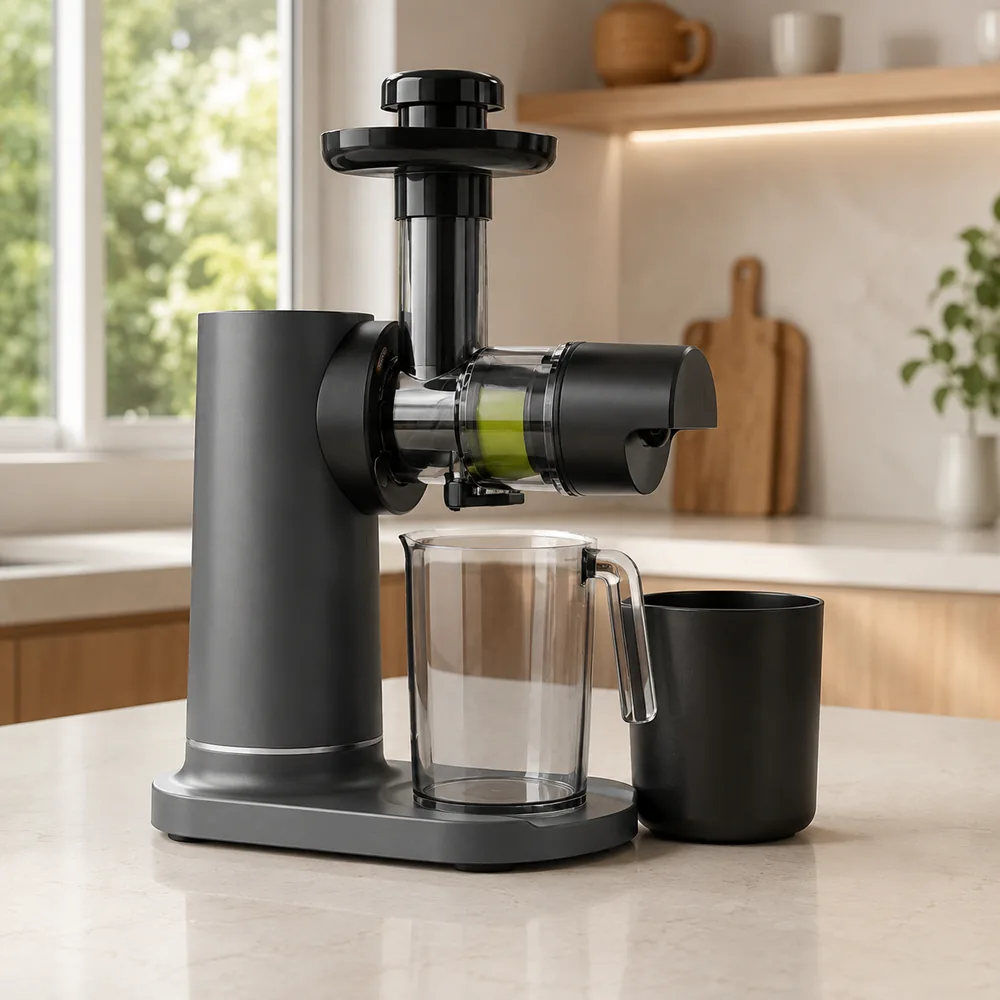
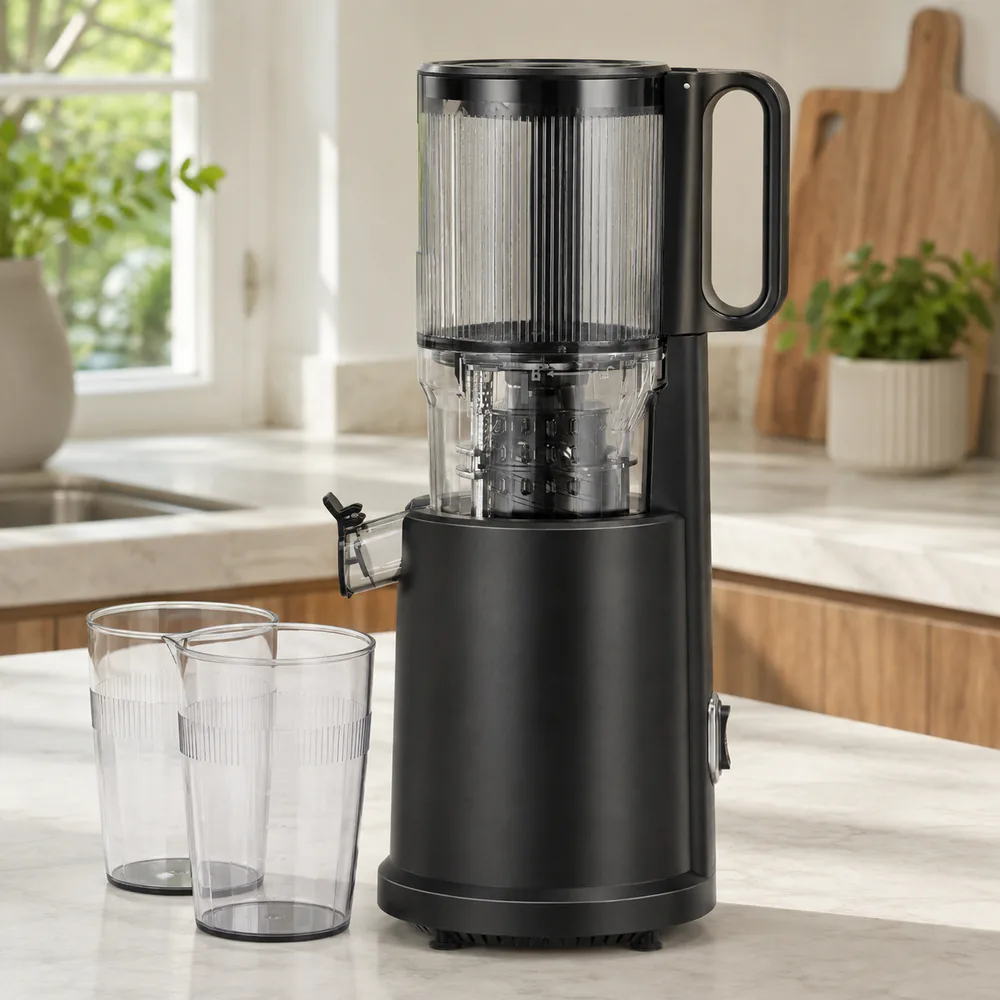
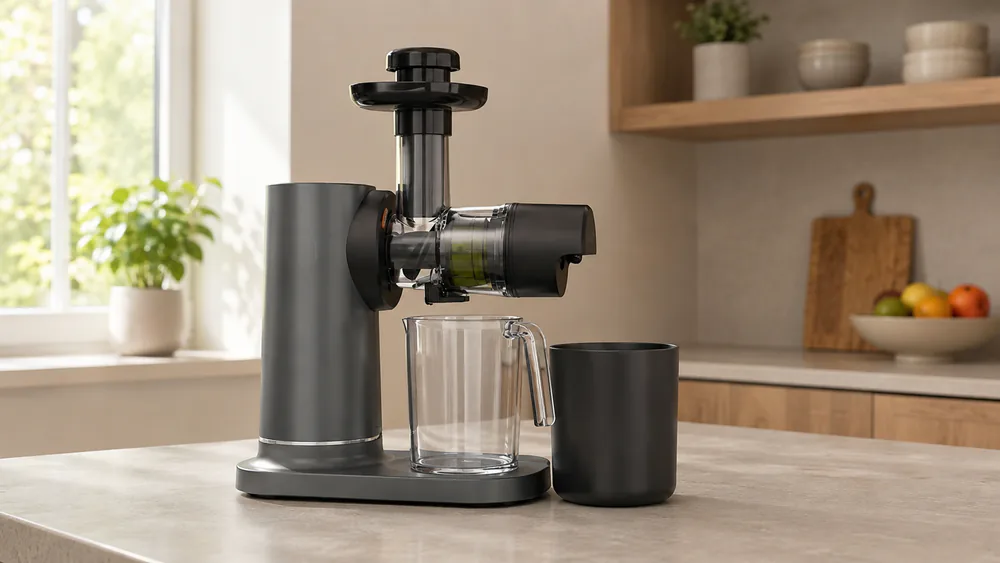
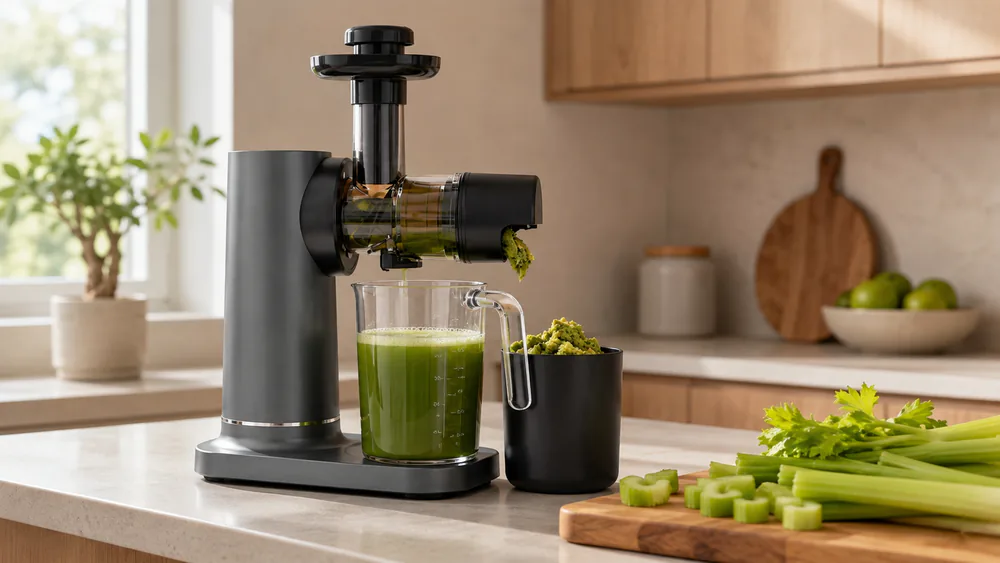
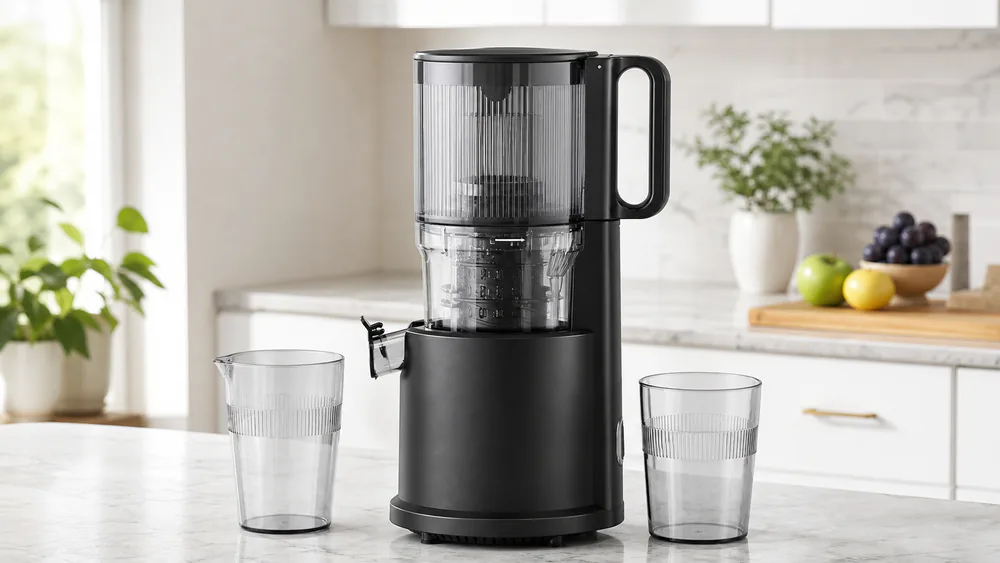
The best overall pick for most celery-juice routines, and the easiest of the eight to live with.
Pros
Pulp comes out noticeably dry
Few parts, all top-rack dishwasher safe
Compact footprint for most counters
Cons
Whole stalks need prep cuts
Squeals on harder produce like apples
Overstuffing still jams it
The Daily-Routine Test
Every stalk needs a 3 to 4 inch cut before the small feed opening takes it, and prep is the slow part of the morning. Once fed, the pulp came out dry, and the few parts rinsed clean in minutes. Leafy greens jam it if you overfeed, so we fed at a steady pace, and the Ninja NeverClog JC151 held its place on the counter even at speed.
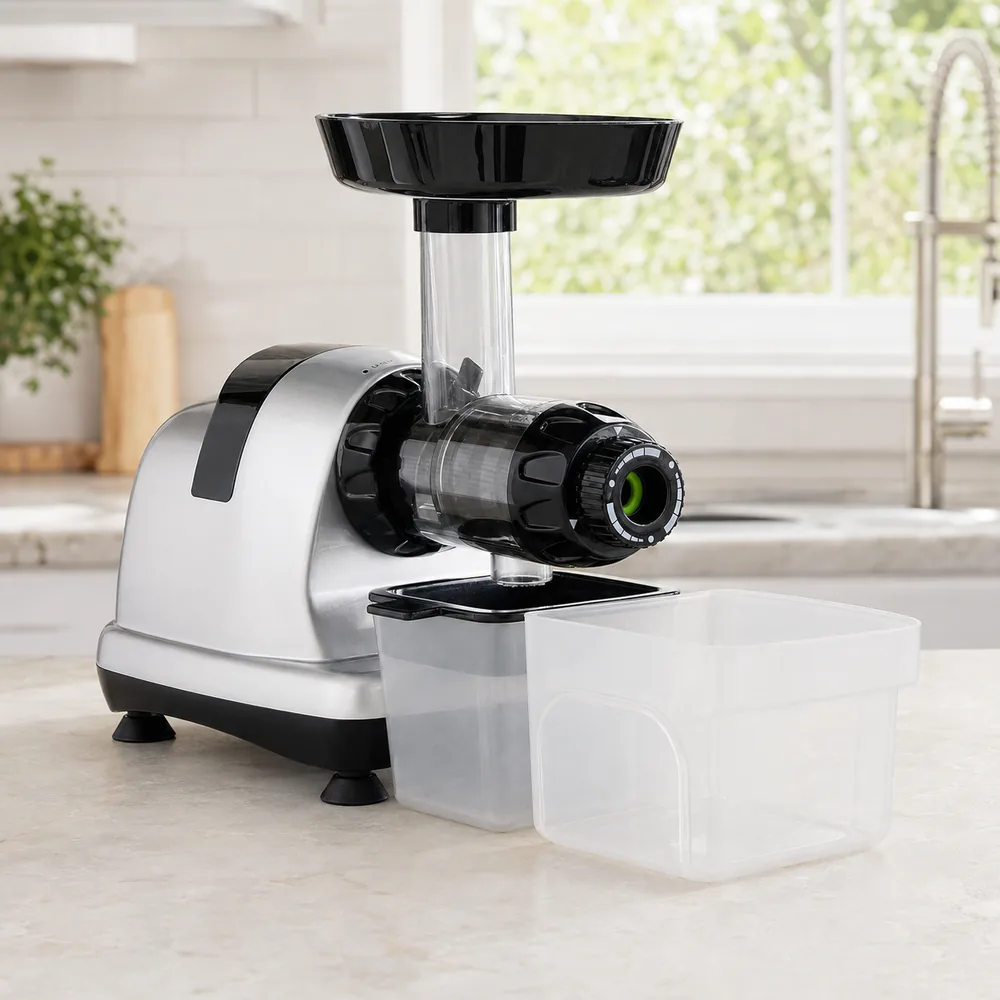
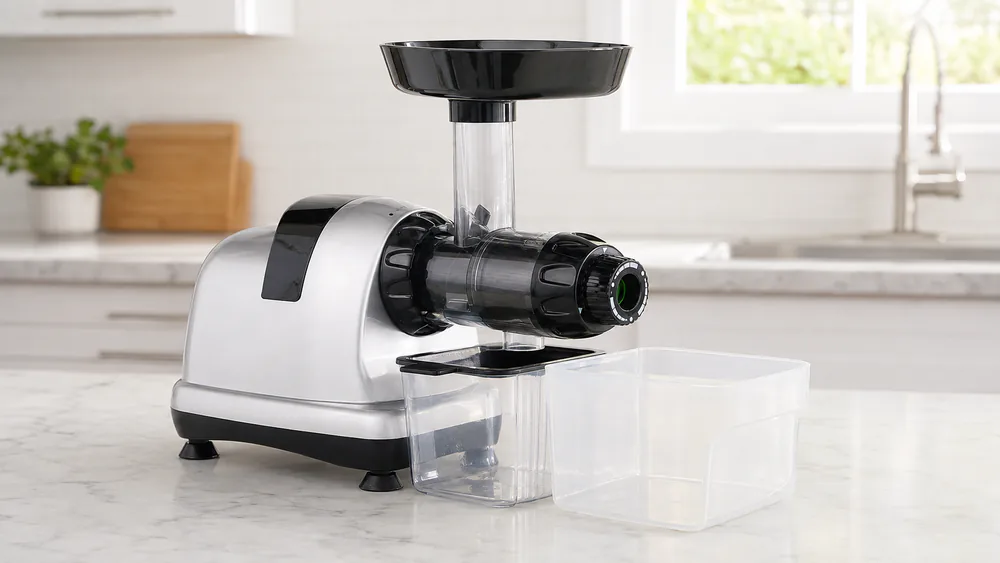
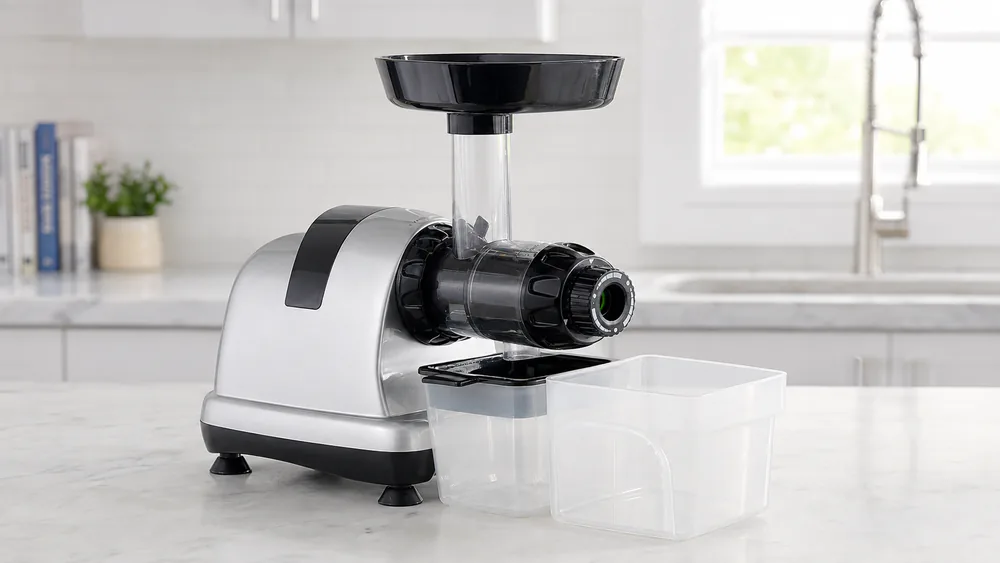
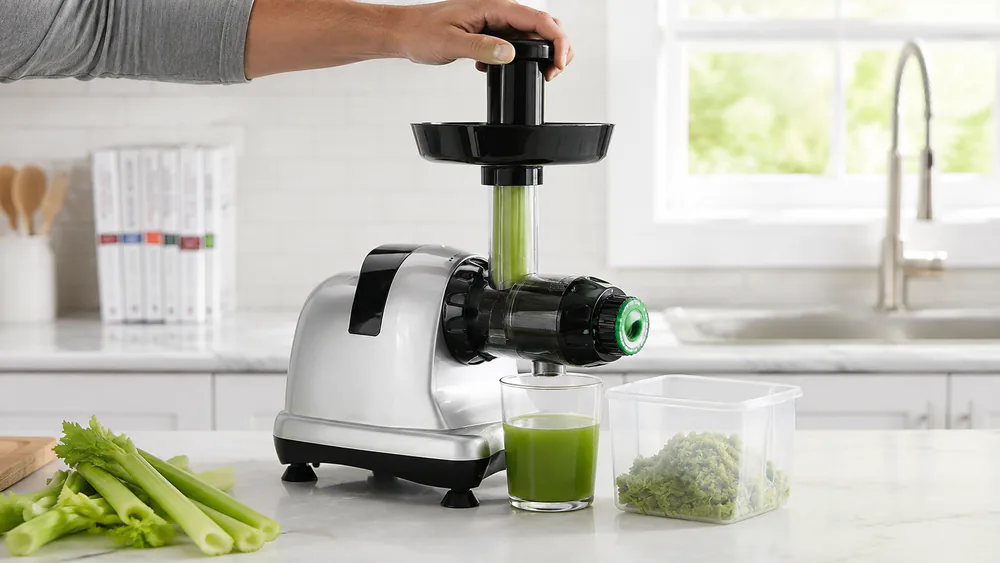
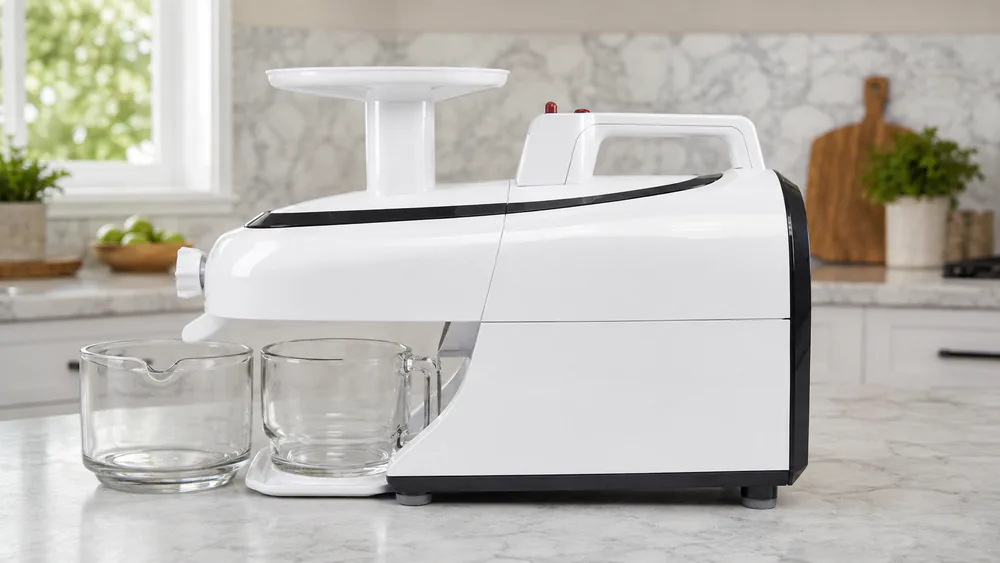
2. Omega MM1500 (Best for Whole Celery Stalks)
Type & speed: Horizontal masticating (cold press), 200W, 80 RPM
Chute & price: About 2 in (50 mm); whole stalks via the green celery cap; about $241.20
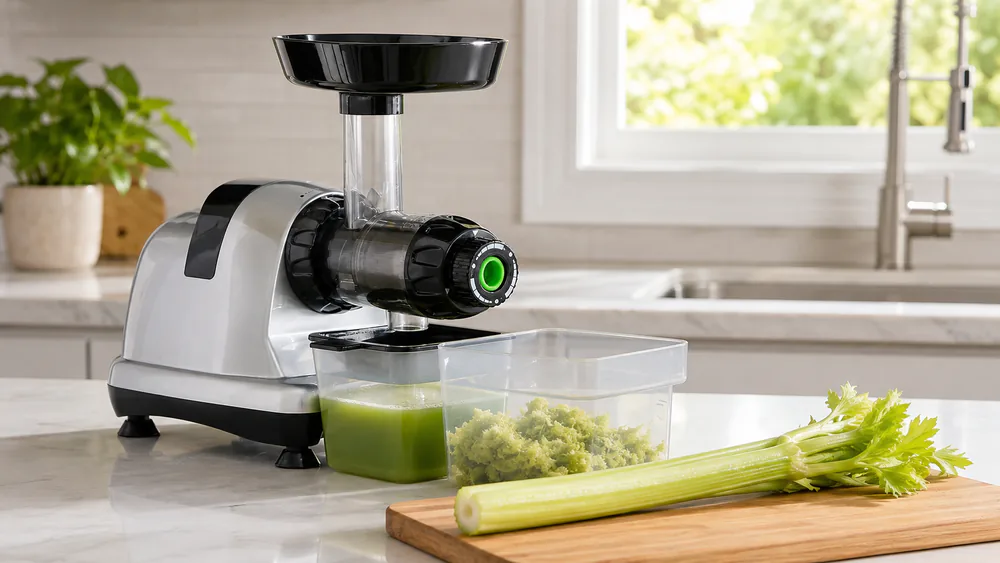
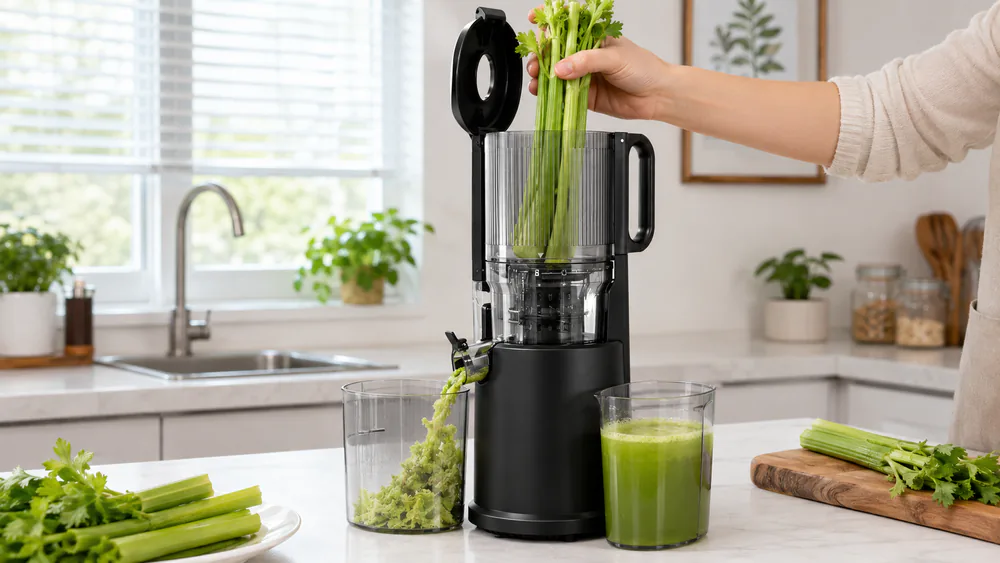
Where the Ninja asks for prep cuts, this machine feeds whole stalks and squeezes visibly more juice from each one.
Pros
Whole-stalk celery feeding via the green end cap
Gets visibly more juice from each stalk
15-year warranty, the longest of the eight
Cons
Price sits above the Ninja
The motor housing connection can fail under heavy daily use
The Four-Year Durability Test
Longevity is the headline: our long-term Omega MM1500 units have run a quart of juice a day for four years straight, with zero issues. The green cap holds each stalk longer, and the extra press time shows in the glass. The motor housing connection is the one part that has failed under heavy daily use. It carries Omega's 15-year warranty.
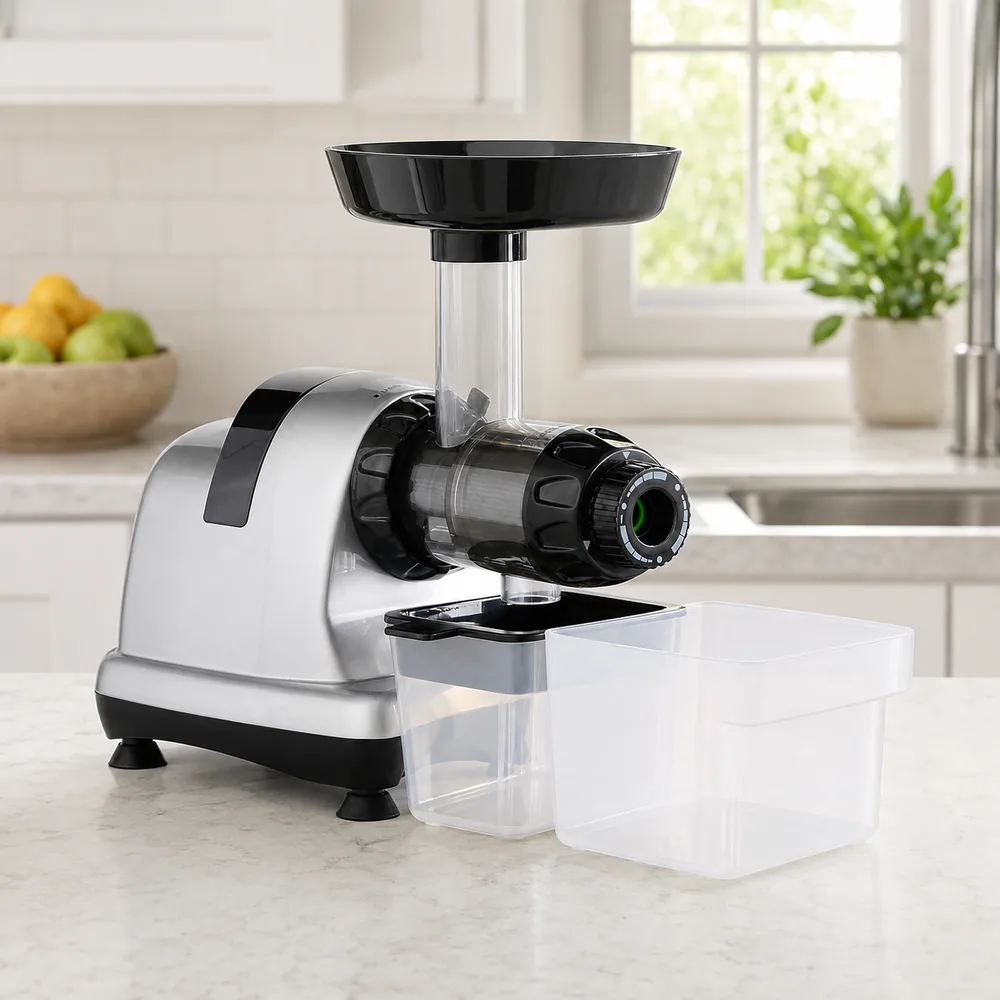
3. Omega MM900HDS (Best High-Yield, the "Medical Medium" model)
Type & speed: Low-speed masticating, 200W, 80 RPM
Chute & price: Whole stalks via the celery cap; about $208 street (list $359.95)
Where the MM1500 is the long-haul pick, this is the yield-first machine: developed with Anthony William for the daily 16 oz routine, with uneven quality control as the honest caveat.
Pros
Whole stalks go through easily, no backing up
Super dry pulp session after session
15-year parts and performance warranty (USA/Canada)
Cons
QC is uneven: early gasket trouble on a few units, years of use on most
White mineral film on parts needs a deeper clean
The Whole-Stalk Yield Test
Whole stalks went through the green cap without backing up, and the pulp landed so dry it barely clung to the screen. The first teardown is stiff until you push parts out from the silver shaft; then it cleans fast. A few Omega MM900HDS units in our tracking showed gasket or end cap trouble early, while most ran for years.
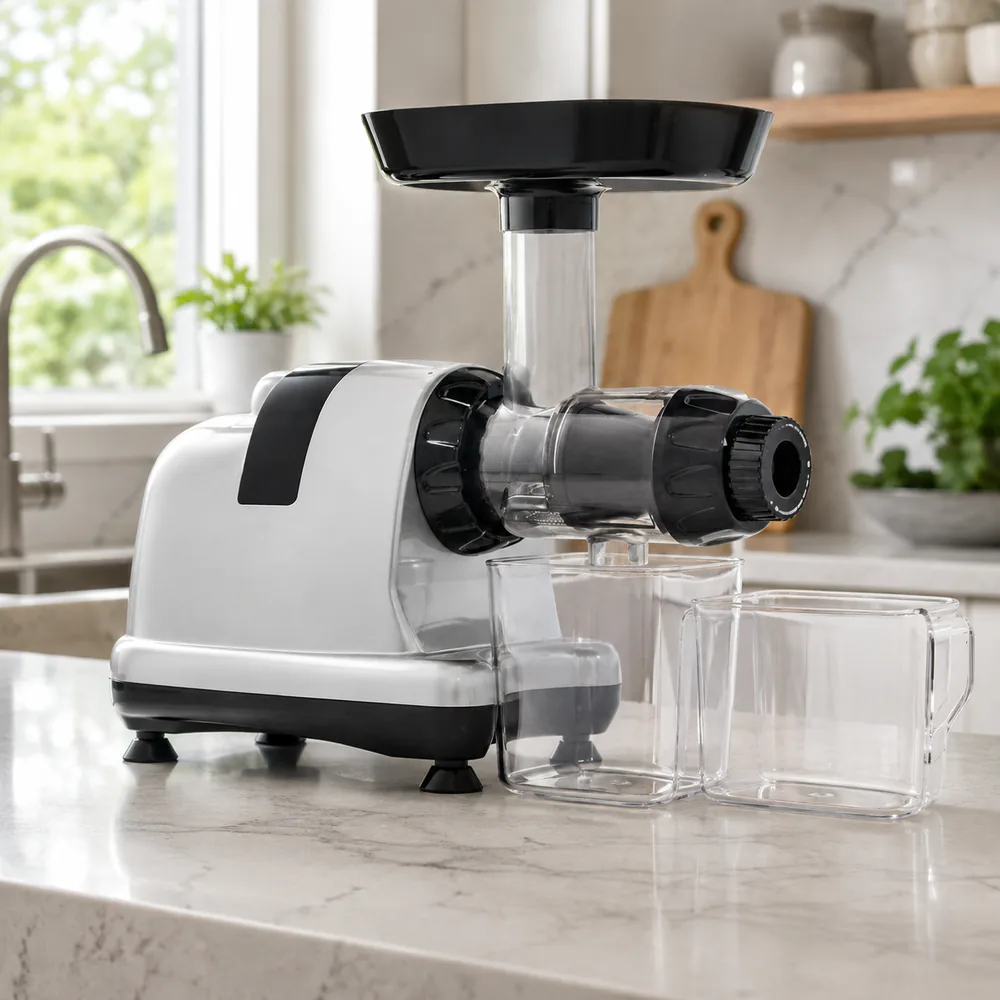
4. Omega J8006HDS (Best Dual-Stage Masticating)
We ran a full session at 5 am, and nothing stirred in the next room.
Type & speed: Horizontal slow masticating, 200W, 80 RPM
Chute & price: About 1.5-inch, so plan 2 inch cuts; about $199.99 street (list $289.99)
Where the MM900 feeds whole stalks, this one asks for knife work, and it is the pick when the session has to stay quiet.
Pros
Quiet enough for a 5 am session
Pulp comes out very dry
Automatic pulp ejection for continuous sessions
Cons
Narrow intake demands a lot of chopping
Hand wash only
The auger is the part we logged failures on
The Pre-Dawn Noise Test
The pulp came out very dry, and automatic pulp ejection kept the session moving. The narrow intake demands 2 inch cuts on every stalk, so a 16 oz glass starts with the knife. The auger is the part our durability tracking flagged, the one caveat against an otherwise quiet Omega J8006HDS.
Where the Omegas ask $200 or more, this is the cheapest route to masticating extraction, with plastic parts and an uneven pace as the honest tradeoffs.
Pros
5.4-inch chute fits whole stalks uncut
Quiet running at a claimed 58-60 dB
Rinse-clean disassembly in under two minutes
Cons
Plastic parts can crack under normal use
Pace is uneven: some sessions take 30 minutes for 16 oz
No published warranty terms
The Whole-Stalk Chute Test
Cleanup was the highlight on the Aobosi Slow Masticating: parts apart and rinsed in under two minutes, and the pulp came out dry when the session ran clean. We logged cracks in the plastic housing during normal use, so the build is the tradeoff for the price. A 16 oz glass took from a quick session to a full 30 minutes. The 30 percent yield claim is a manufacturer figure; the direction is right, the number is marketing.
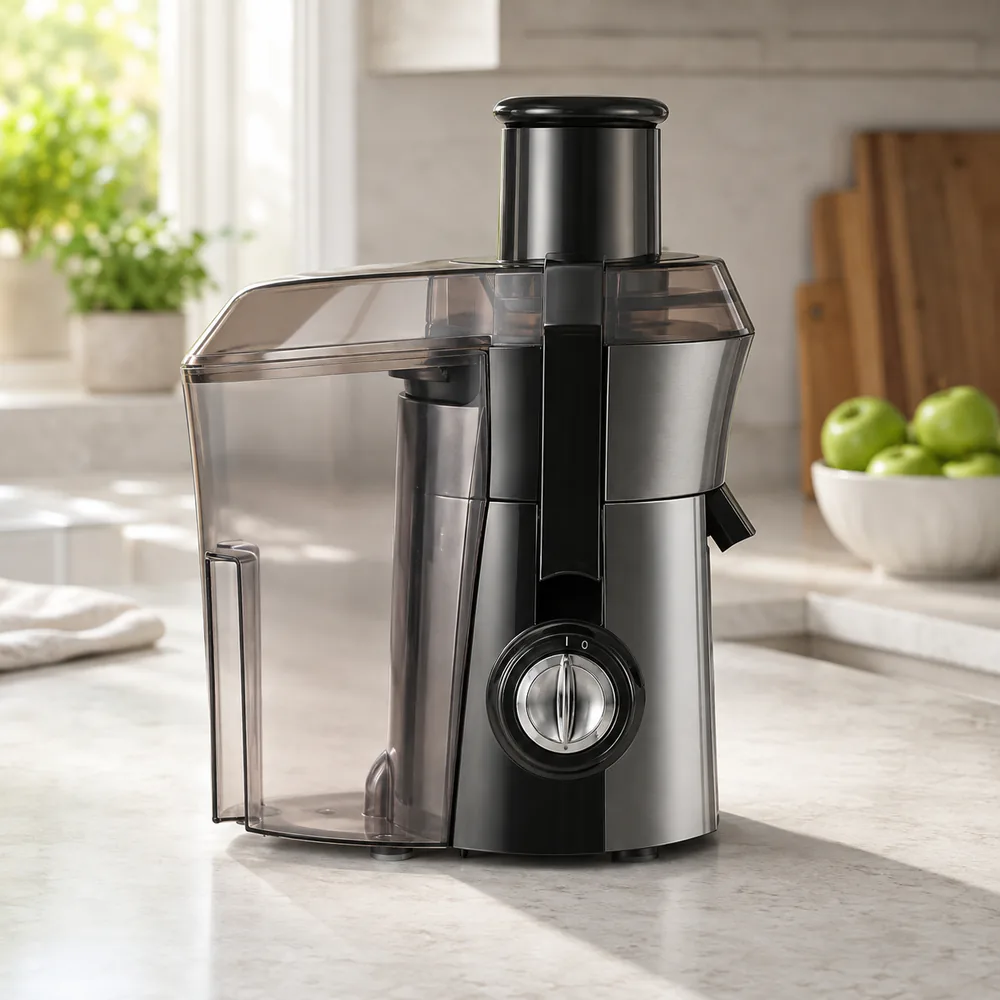
6. Hamilton Beach 67601A (Best Budget Centrifugal)
Type & speed: Centrifugal extractor, 800W, single speed
Chute & price: 3-inch Big Mouth, whole bunch fits; 80 oz pulp bin; about $74.95; 3-year warranty
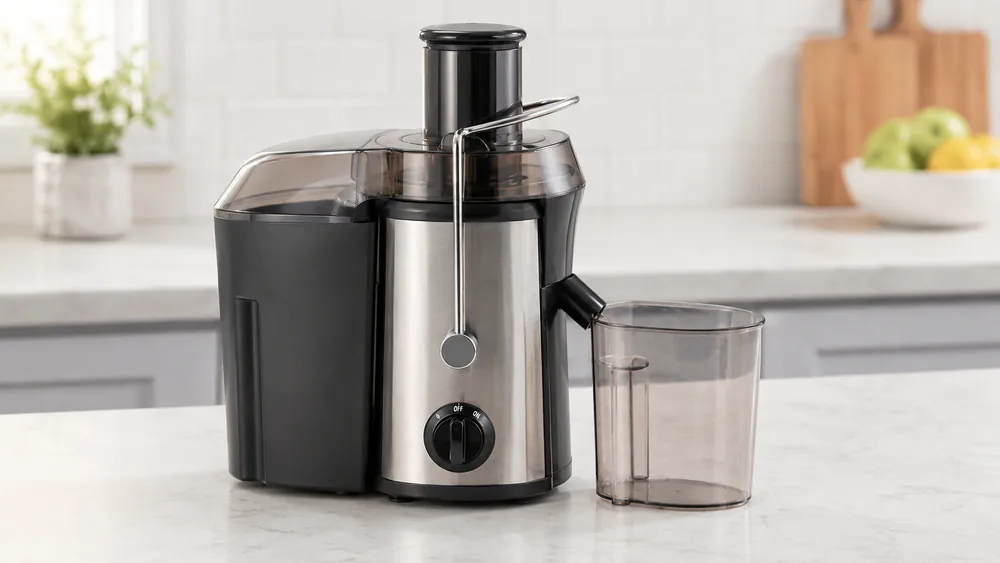
Where the Aobosi presses slowly, this one shreds fast: the honest gateway pick at about $75, if you can live with the noise.
Pros
About $75, the cheapest pick of the eight
3-inch chute handles a whole bunch uncut
Fastest cleanup of the eight
Cons
Loud, with vibration that walks across the counter
More juice left in the pulp than any masticating machine
Discontinued, so availability varies by retailer
The Gateway Test
The Hamilton Beach 67601A is the machine to test the habit with: a whole bunch of celery drops through the Big Mouth chute uncut, and the dishwasher-safe parts make cleanup quick. It is loud, and at speed it can jump on the counter. Yield was a coin flip: some batches came out dry, others left juice behind, the classic centrifugal tradeoff.
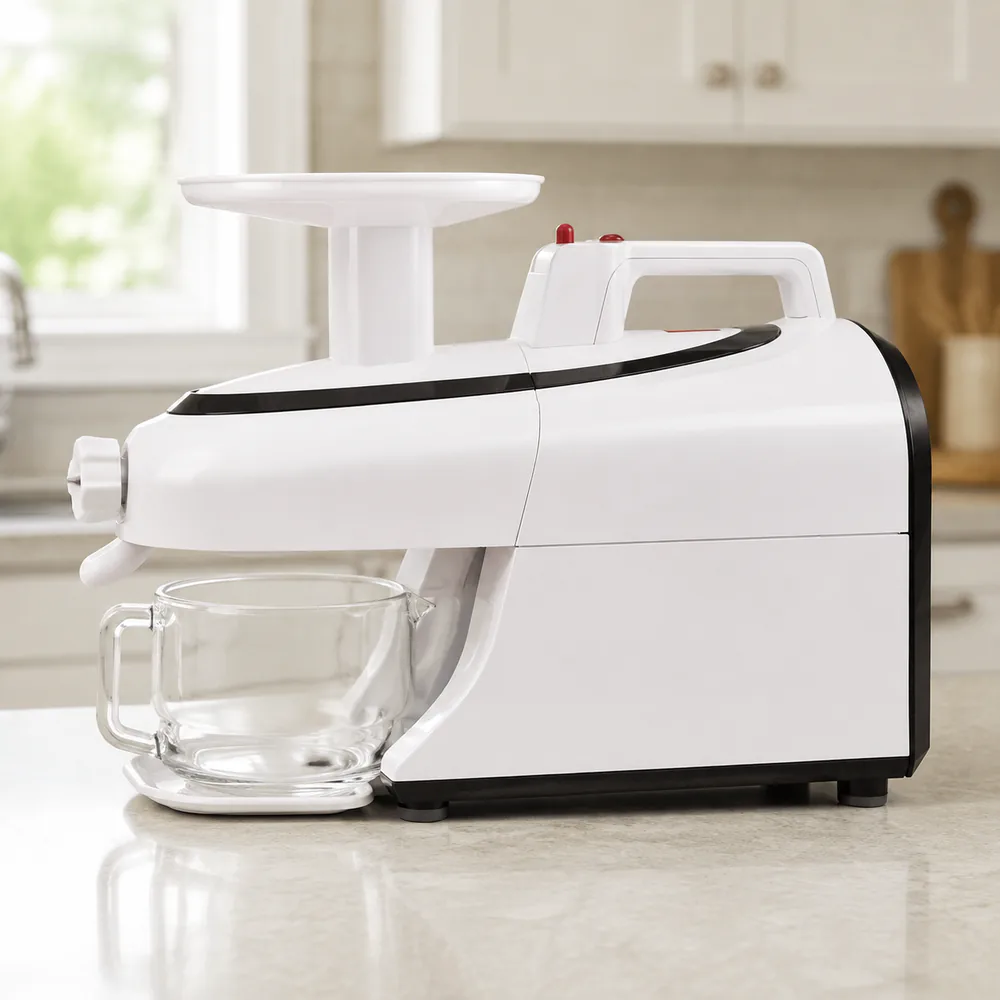
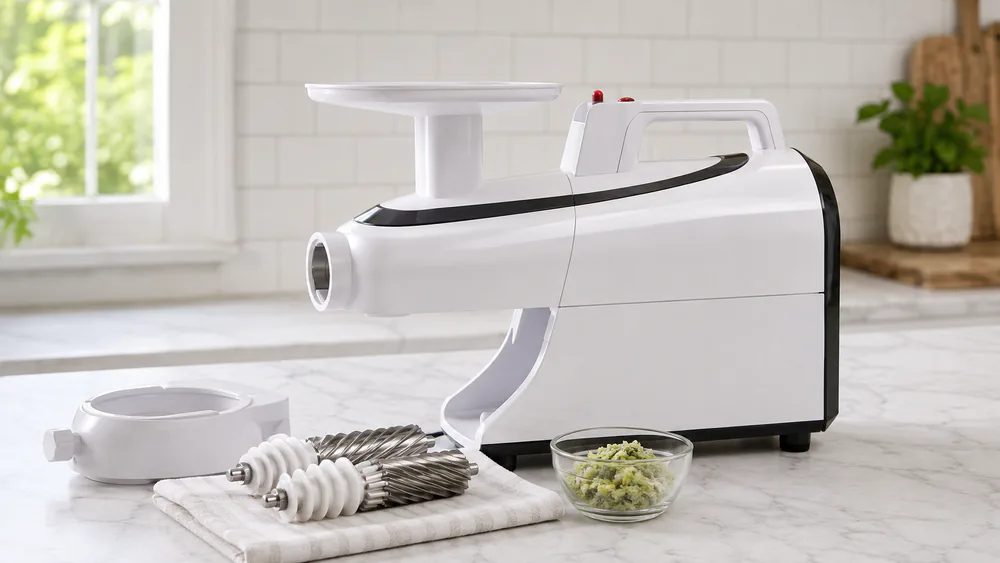
Where the Omegas press with a single auger, the Greenstar tears celery apart with twin gears, and it is the high-end pick when maximum extraction is worth the roundup's longest cleanup and a real learning curve.
Pros
Twin gears tear through celery without tangling
Super dry pulp and top-tier yield
12-year household warranty
Cons
Thorough clean runs about 12 minutes
Real learning curve; read the manual first
A few units in our tracking failed on first use
The Twin-Gear Test
The twin gears of the Tribest Greenstar GSE-5000 pulled celery in without a single tangle, something no single-auger machine in this roundup matched, and the pulp came out so dry it looked pressed. A thorough clean runs about 12 minutes because the plastic parts soak up juice. Tribest backs it for 12 years of household use.
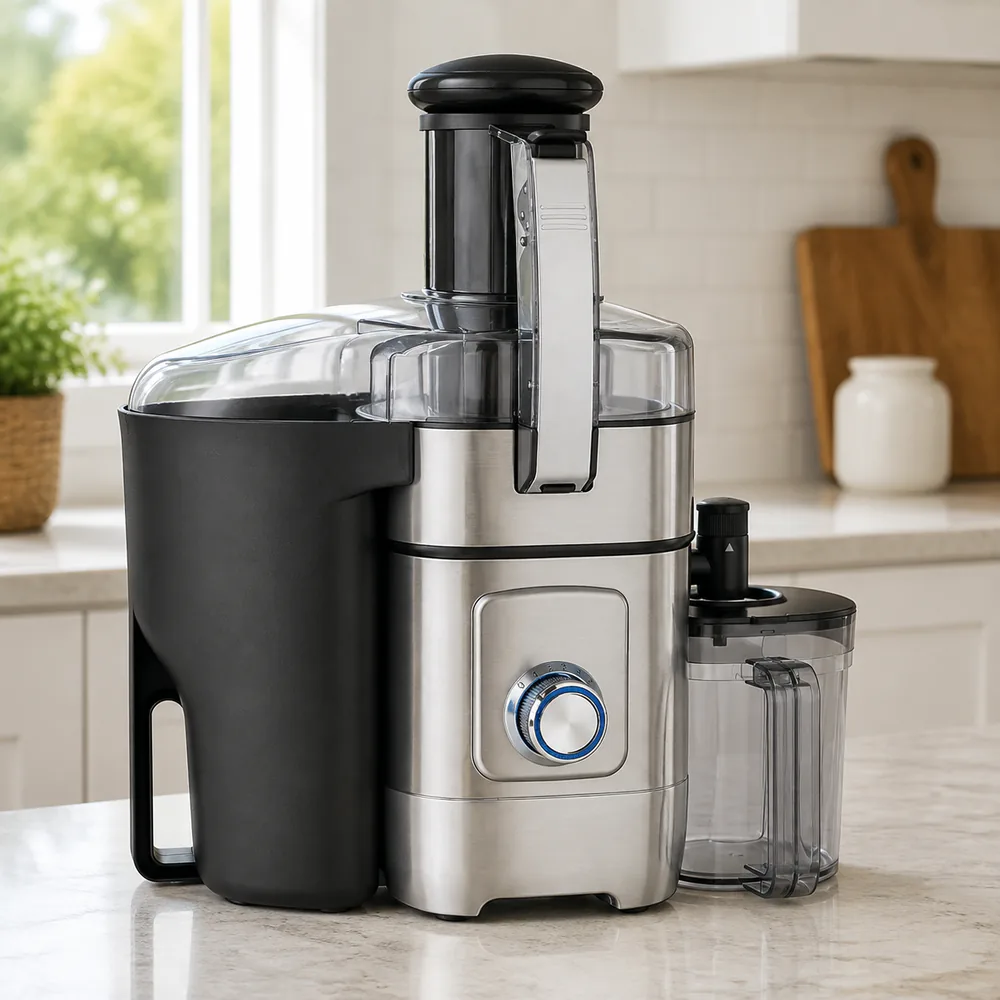
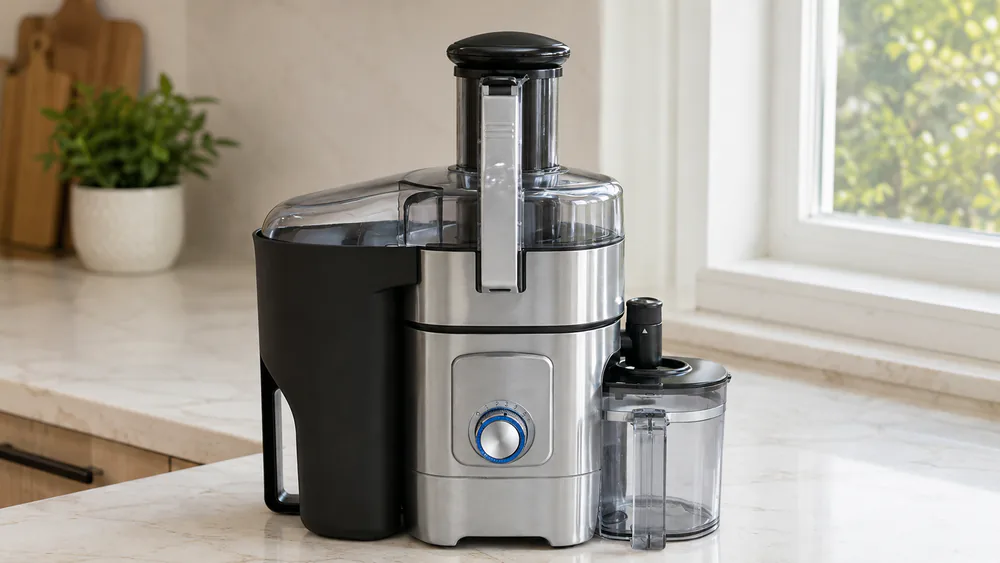
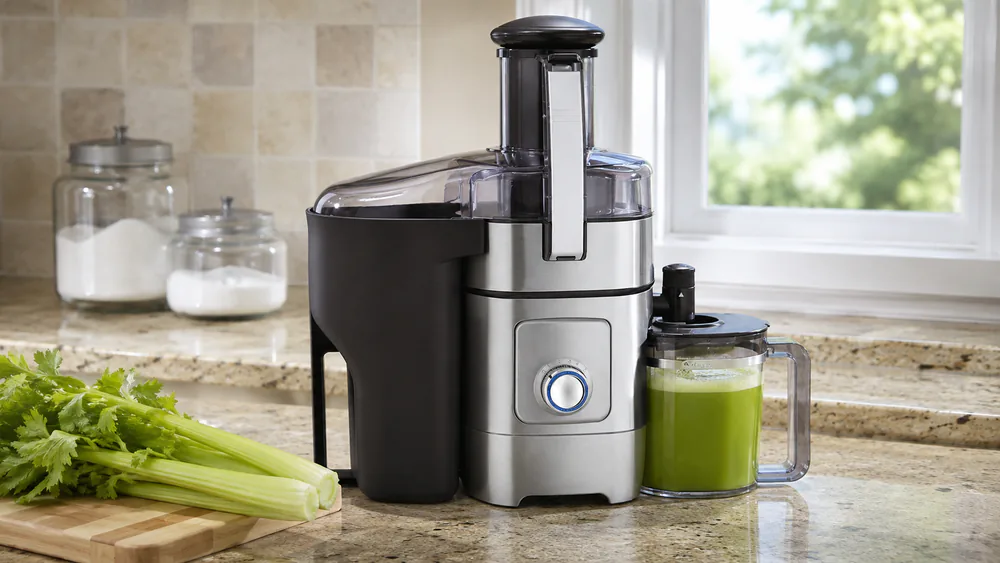
8. Cuisinart CJE-1000 (Best Centrifugal for Speed)
Type & speed: Centrifugal, 1000W, 5-speed dial, die-cast and stainless housing
Chute & price: 3-inch; 1-quart pitcher, 2-liter pulp bin; about $191.95 street (list $229.95); 3-year warranty
Where the Hamilton Beach is the loud budget route to speed, the Cuisinart is the speed-first pick for juice-in-a-hurry mornings, with mid-pack extraction as the tradeoff.
Pros
1000W motor with a 5-speed dial
Relatively quiet for a centrifugal
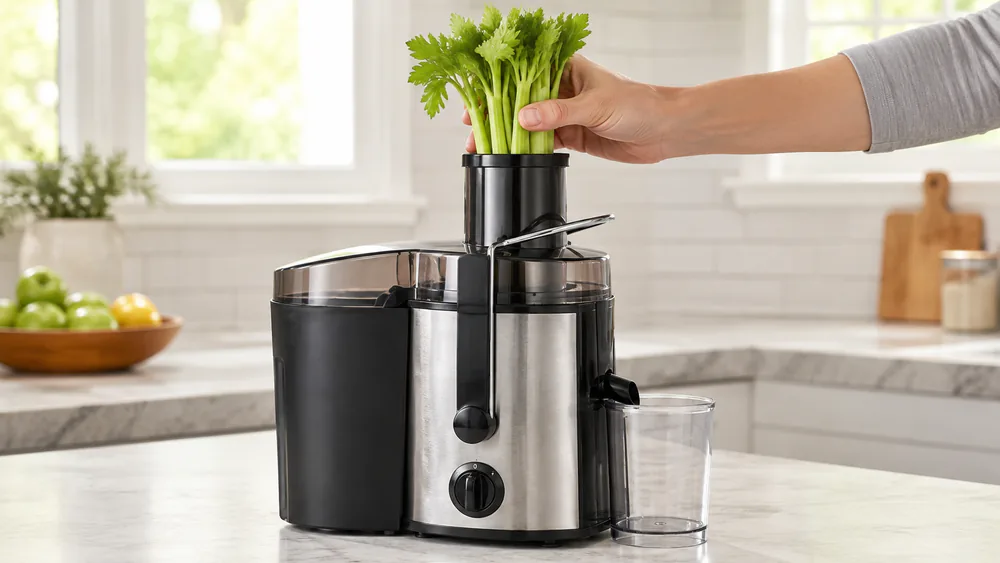
3-inch chute, so no celery prep needed
Cons
Extraction lands mid-pack
The 5-speed dial takes a session to learn
The Speed Test
A full bunch of celery ran through the Cuisinart CJE-1000's 3 inch chute in a fraction of the time the slow machines took. It is noticeably quieter than the centrifugal machines we have run. Some batches came out dry, others left juice in the pulp, the tradeoff against the speed.
How We Tested These Celery Juicers
We scored all eight machines the same way: yield, cleanup, and noise.
Every machine processed 500 g of celery, with cuts only where its chute demanded them. Strained yield across the slow machines ran 305 to 370 ml, a spread of roughly 20 percent, and the driest pulp we weighed came to 7.2 g. The slowest machine produced the least juice, because it clogged; speed alone does not guarantee yield.
Yield: 500 g of celery per machine, strained juice measured, pulp weighed
Cleanup: Timed from the last drop to a dry machine; 1 minute 25 seconds to 2 minutes 35 seconds
Noise: Decibels during a full session; the slow group ran 66 to 78 dB
Between timed runs we lived with each machine, noting staining and jams. Prep baseline: trim the white base and cut into 3 to 4 inch pieces, about 90 seconds of work.
How to Choose the Best Celery Juicer
The reviews answer which machine; here is what to look for in any juicer.
Masticating vs. Centrifugal: Which Is Better for Celery?
Factor
Masticating (cold press)
Centrifugal
Speed
45 to 110 RPM
3,000 to 13,000 RPM
Price
Higher tier
Budget tier
Noise
Low
High
Cleaning time
About 5-7 minutes
About 3-5 minutes
Weight
About 8 to 25 lb
About 8 to 15 lb
Juice shelf life
36 to 72 hours
A few hours
In our runs, the masticating group pressed more juice and drier pulp from the same 500 g; the centrifugal machines finished faster but left more juice behind. For celery, masticating is the better answer.
Feed Chute Size: Whole Stalks vs. Prep Work
Chute size decides the knife work. A 3-inch chute, like the Hamilton Beach's or the Cuisinart's, swallows a whole bunch of celery; the Aobosi's 5.4-inch chute takes whole produce of any kind. Chutes under 2.5 inches force 2 inch cuts, as with the J8006HDS's 1.5-inch opening and the Ninja's feed tube. The Omegas feed whole stalks through caps built for celery.
Tip. Feed celery in 3 to 4 inch pieces on any machine with a chute under 2.5 inches, and hit reverse the moment the auger stalls.
Juice Yield and Pulp Dryness
The yield spread surprises people: our 500 g runs ranged from 305 to 370 ml of strained juice, roughly a 20 percent spread. The fastest read on any machine is its pulp: dry and crumbly means the juice ended up in your glass; a wet pile means the machine left money behind. The masticating group pressed celery dry; the centrifugal baskets left the classic wet pulpy mess.
Cleaning and Maintenance
Budget for the clean first: centrifugal machines run about 3-5 minutes, masticating about 5-7, and a thorough twin-gear clean about 12. The Ninja JC151 and Hamilton Beach are the dishwasher-friendly standouts; the Omegas clean fastest with a sink rinse, the J8006HDS by hand only. Daily celery juice stains plastic green, and the mesh screen is the hardest part to clean, so rinse immediately.
Noise Level and Motor Type
Slow augers run quiet; centrifugal motors roar. Our noise runs across the slow group measured 66 to 78 dB. The Hamilton Beach is the loudest of the eight, and the Ninja sits between, quiet on celery with an occasional squeal on harder produce.
Budget and Warranty: What You're Really Paying For
What you pay maps to what you get: about $75 buys the Hamilton Beach gateway, about $110 buys masticating extraction in the Aobosi, the $150 to $250 band is the value sweet spot, and about $550 buys the Greenstar's twin gears and 12-year warranty. Omega's 15-year warranty is the longest here, with terms that vary by region; the Aobosi publishes none. Look for BPA-free material in the parts that touch your juice every morning. Prices are street prices from August 2026 and move week to week.
Frequently Asked Questions
What type of juicer is best for celery juice?
A masticating (cold press) machine. The slow auger presses the fibrous stalks instead of shredding them, giving more juice, drier pulp, and less noise, with the juice keeping up to 72 hours refrigerated. A centrifugal is faster and cheaper, but leaves more juice behind.
Do I need a special juicer for celery?
No. Any masticating juicer handles celery once the stalks are cut into 3 to 4 inch pieces. A 3 inch or wider chute takes whole stalks, and the Omega MM1500 and MM900HDS feed them through dedicated end caps. A reverse function matters more than any special machine.
Do I need to peel celery before juicing?
No. Rinse the stalks and juice them whole, strings and all; no peeling or string stripping needed. Trimming the white base and cutting stalks to fit your chute is the only prep that matters.
Can I juice celery leaves?
Yes. Celery leaves are edible and juiceable, adding vitamin K, vitamin C, potassium, and folate. They add a slightly bitter note, so balance them with apple or cucumber.
How much celery do I need for a 16 oz glass?
About 8 to 12 stalks, roughly one medium bunch of about 9 stalks, in a masticating juicer. A centrifugal typically needs more.
How do I stop celery from clogging my juicer?
Trim the white base, cut stalks into 3 to 4 inch pieces (2 inches on chutes under 2.5 inches), and do not overload the chute. When it jams, run reverse and feed again at a slower pace.
Why does my celery juice turn brown, and how long does it keep?
Oxidation from air, heat, and light, so drink it fresh. Refrigerated airtight, it keeps about 24 hours at peak quality, up to 72 hours from a masticating machine, and 4 to 5 days from a twin-gear. Brown means it is degrading; discard it. A squeeze of lemon slows the browning.
What juicer does the Medical Medium recommend for celery juice?
The Omega MM900HDS is the model developed in partnership with Anthony William, the Medical Medium, who is quoted saying, "Everyone always asks me what juicer I use, and this is it." The routine is 16 oz of plain celery juice on an empty stomach, drunk immediately, 15 to 30 minutes before eating.
Final Verdict
Decide by your axis, and the ranking above stops being close. If yield is everything, the masticating group wins, with the Omega MM1500 and MM900HDS squeezing the most from whole stalks and the Greenstar GSE-5000 extracting harder than anything else we measured. If cleanup is everything, the Ninja NeverClog JC151 is the machine, and the Hamilton Beach is the budget alternative. Budget buyers should weigh the Aobosi at about $110 or the Hamilton Beach at about $75. If we were buying today, we would spend in the $150 to $250 band and insist on a reverse function. Whatever you pick, judge it by its pulp: dry pulp means every drop made it into the glass.