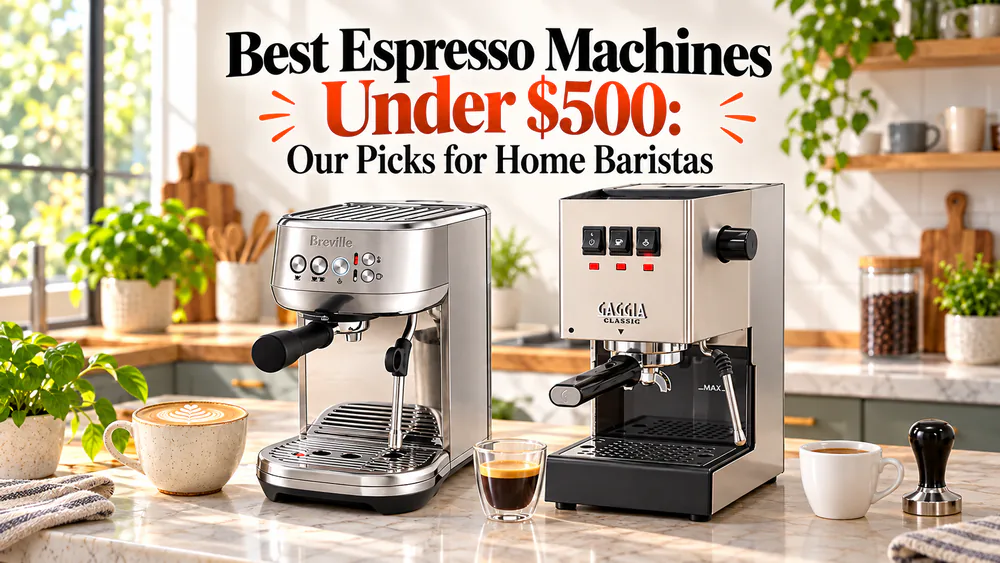
A firm budget cap forces trade-offs. The trick is knowing which ones hurt and which you will never notice. Five things decide most of the outcome.
Boiler Type and Temperature Stability (PID)
Temperature is the quiet driver of taste. Water that runs too hot tastes bitter. Water that runs too cool tastes sour and thin.
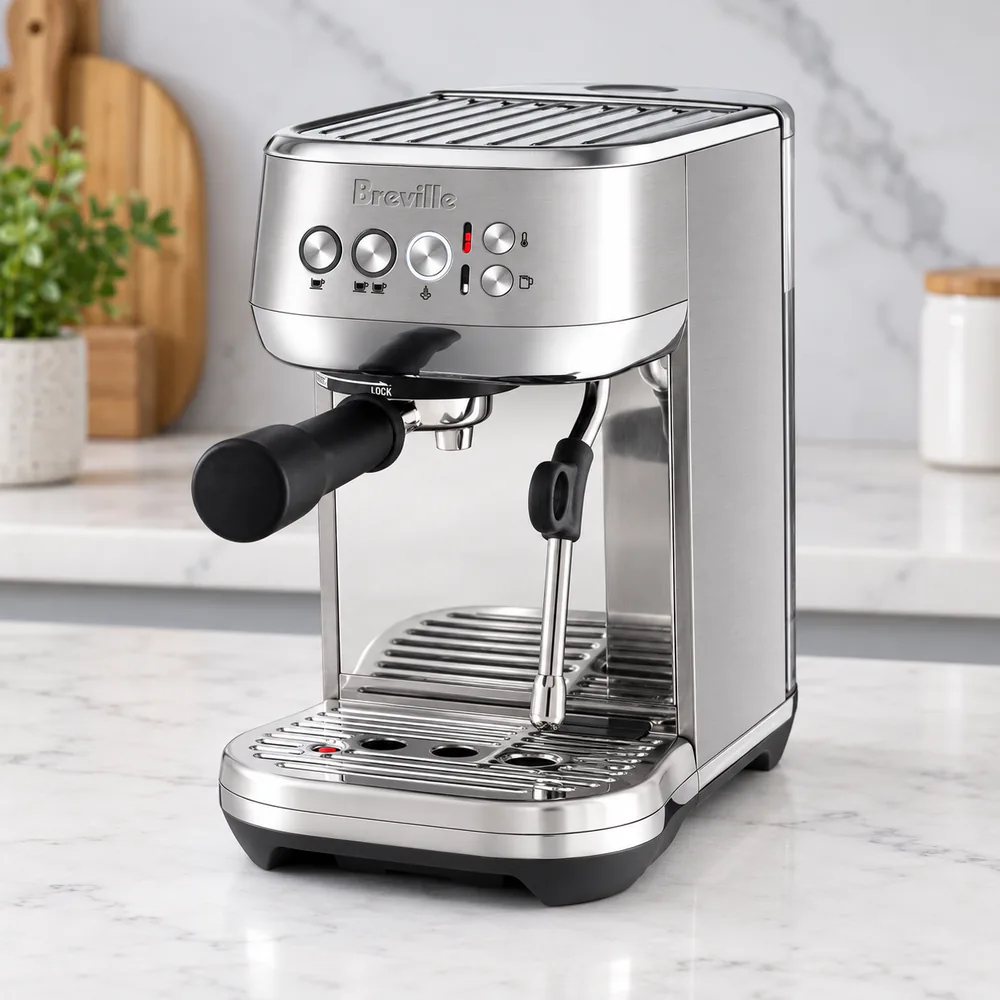
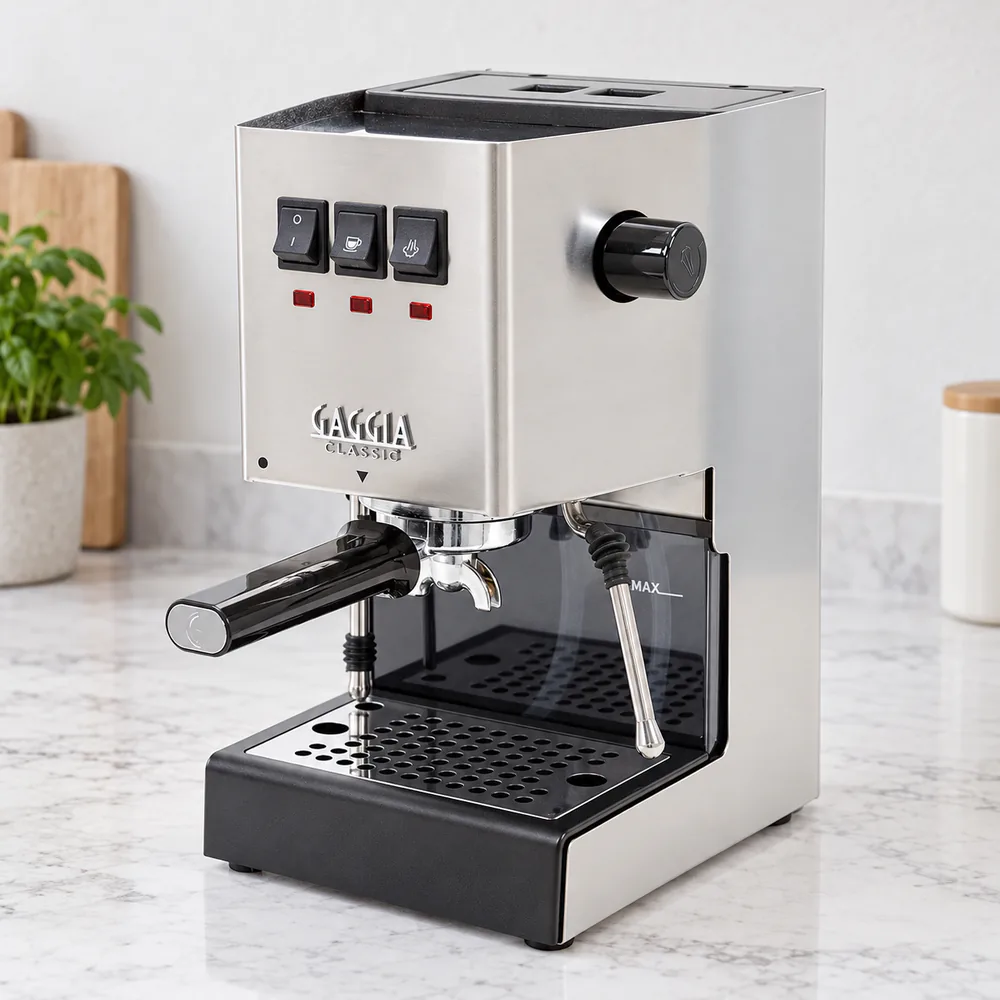
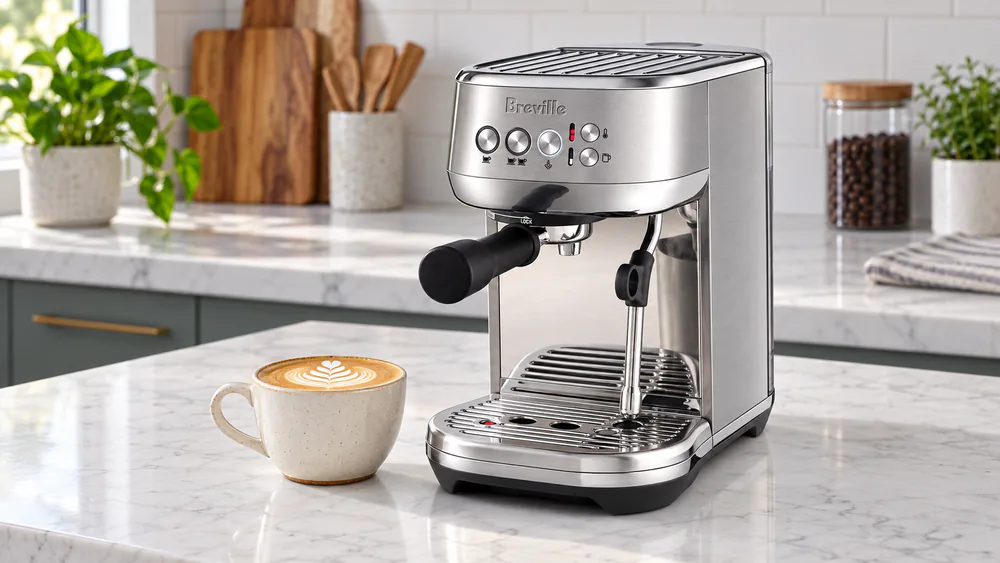
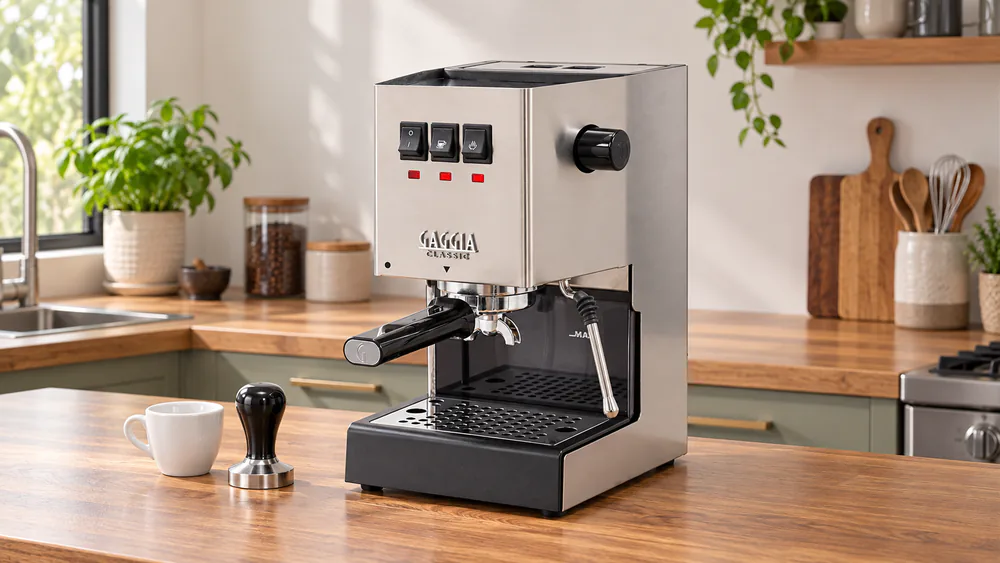
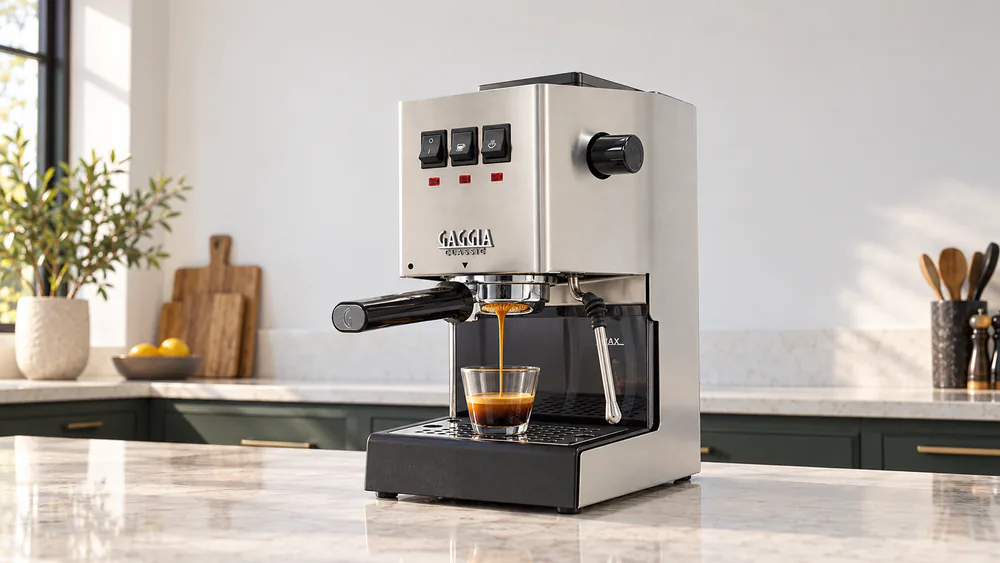
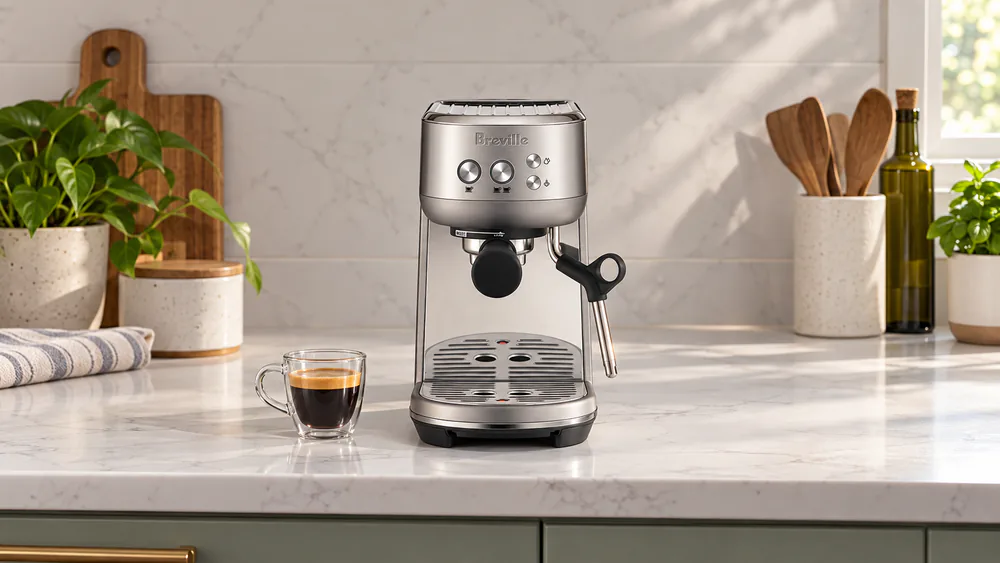
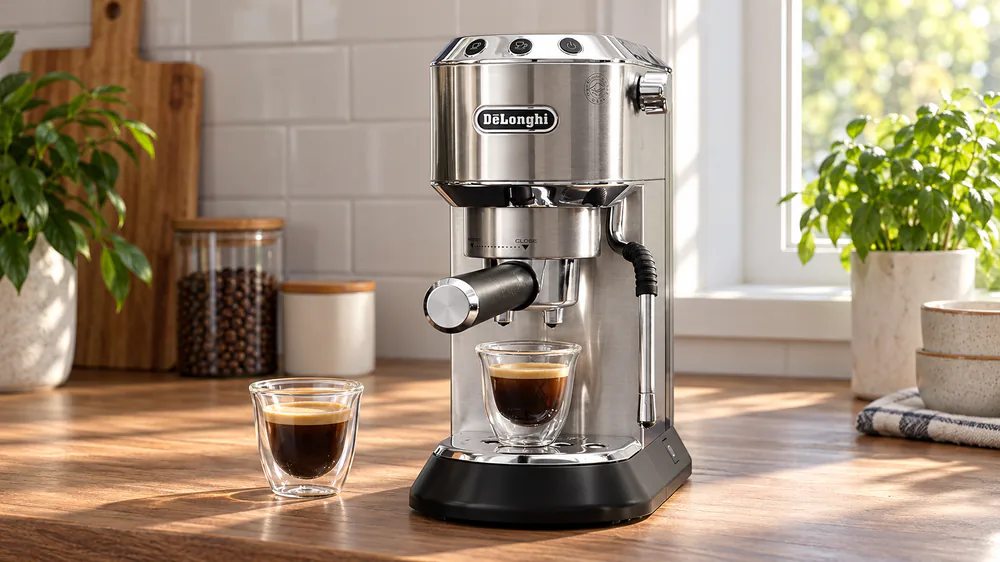
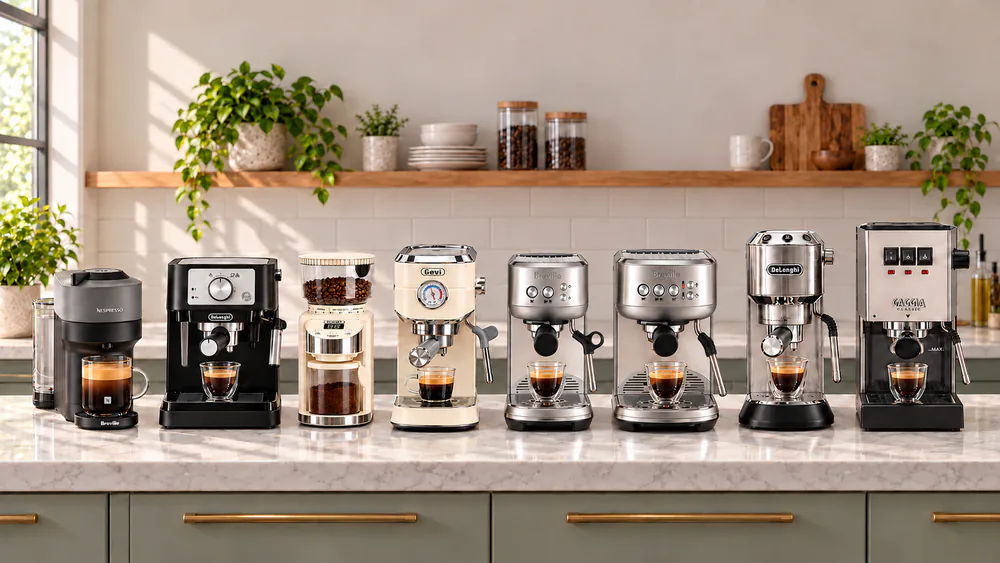
Thermojet and thermoblock heaters, like those in the Breville and De'Longhi machines, reach temperature in seconds. The Breville machines add digital temperature control (PID), though it is preset and you cannot change it. The Gaggia has a single brass boiler and no PID. That is why consistent shots there depend on temperature surfing.
Heating speed also affects milk. A thermojet recovers quickly after steaming. The Gaggia and the Stilosa both ask you to wait 40 to 60 seconds before the next shot.
Portafilter Size (51, 54 or 58mm)
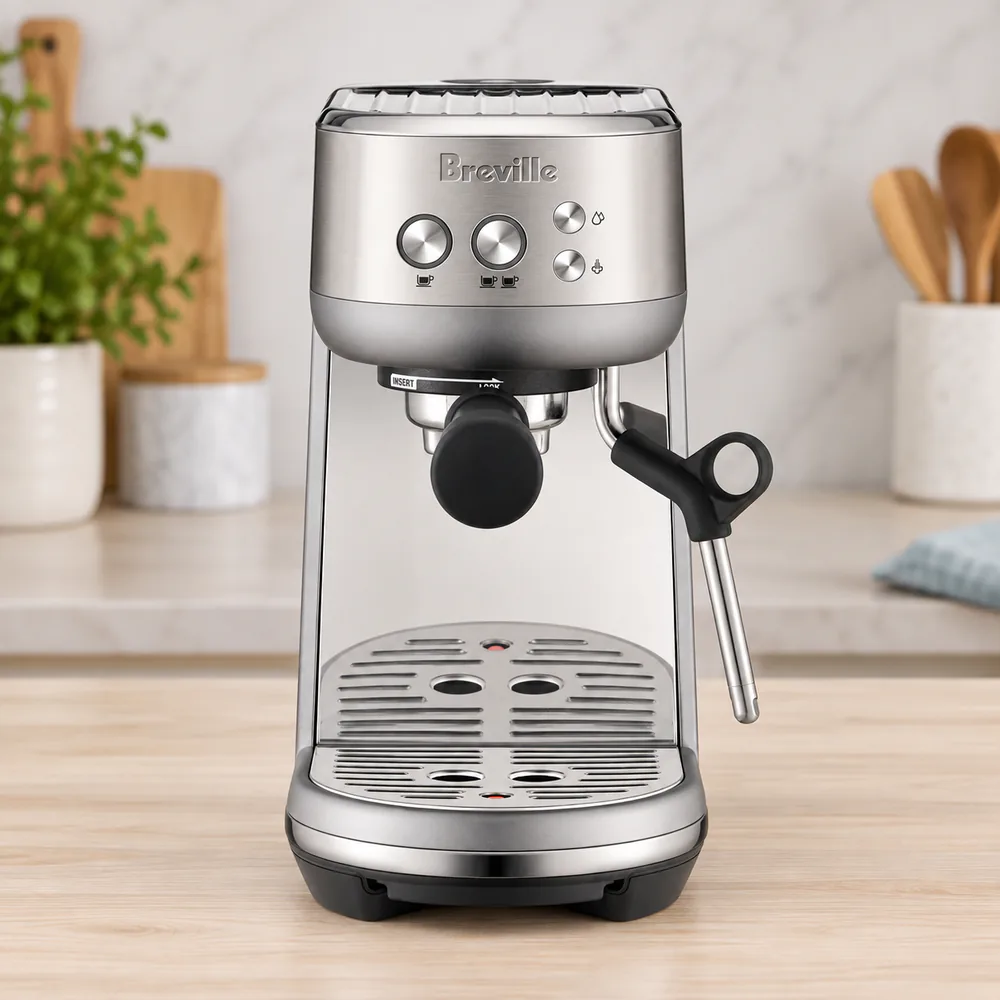
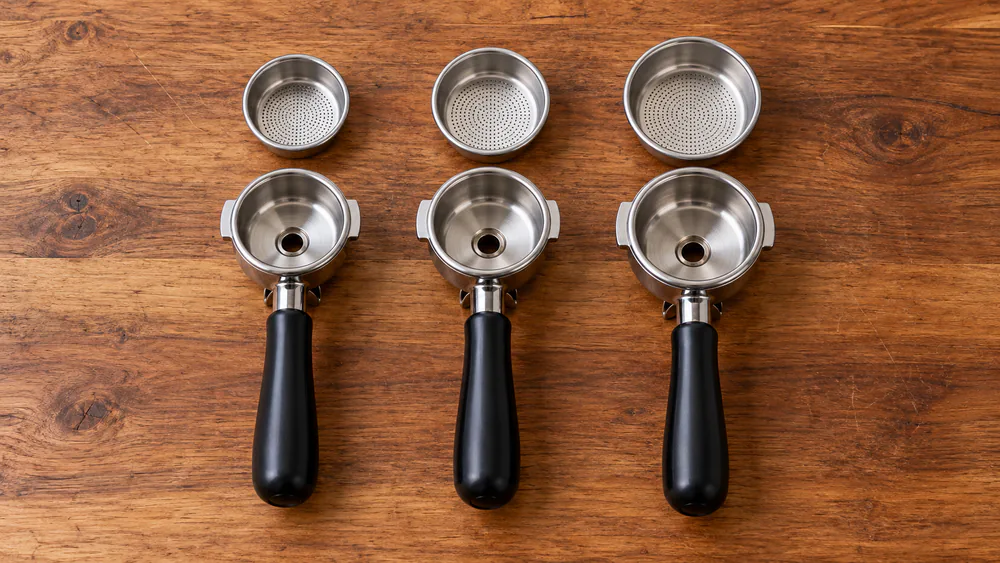
The portafilter is the handle that holds the coffee. Its width sets your upgrade path. The 51mm size on the De'Longhi line has the fewest aftermarket baskets. The 54mm size on the Bambino machines has a decent range. The 58mm size on the Gaggia is the commercial standard, with the largest choice of baskets, tampers, and tools.
If you plan to upgrade, pick 58mm. If you want simplicity, 54mm is enough. The Bambino wants IMS-style baskets in the 14 to 17 g range to get the best out of it.
Steam Wand and Milk Drinks
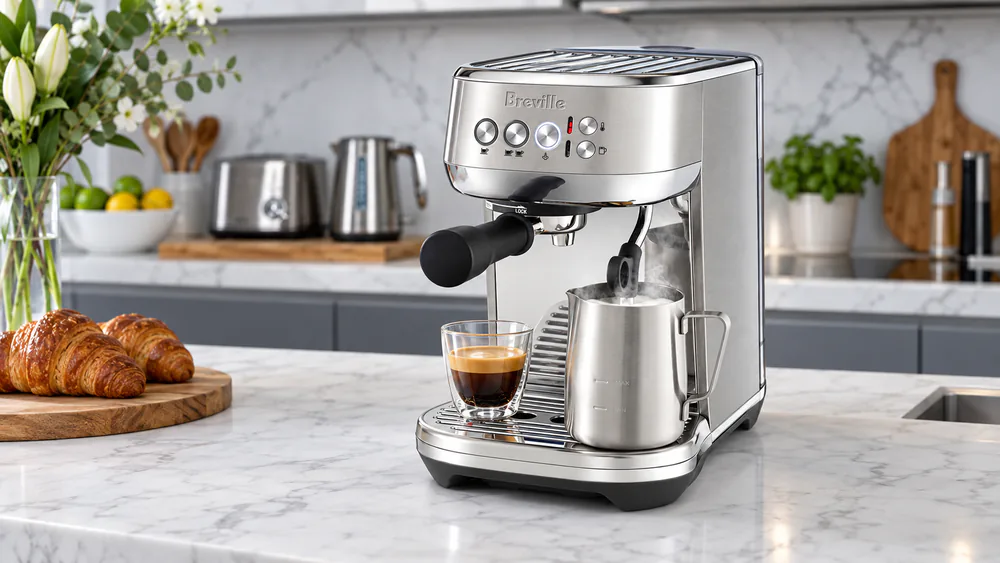
If you drink lattes, the wand matters more than the pump. An automatic wand, like the Bambino Plus, is forgiving. A manual wand, like the Gaggia, Dedica Arte, and Stilosa wands, gives you control but asks for practice.
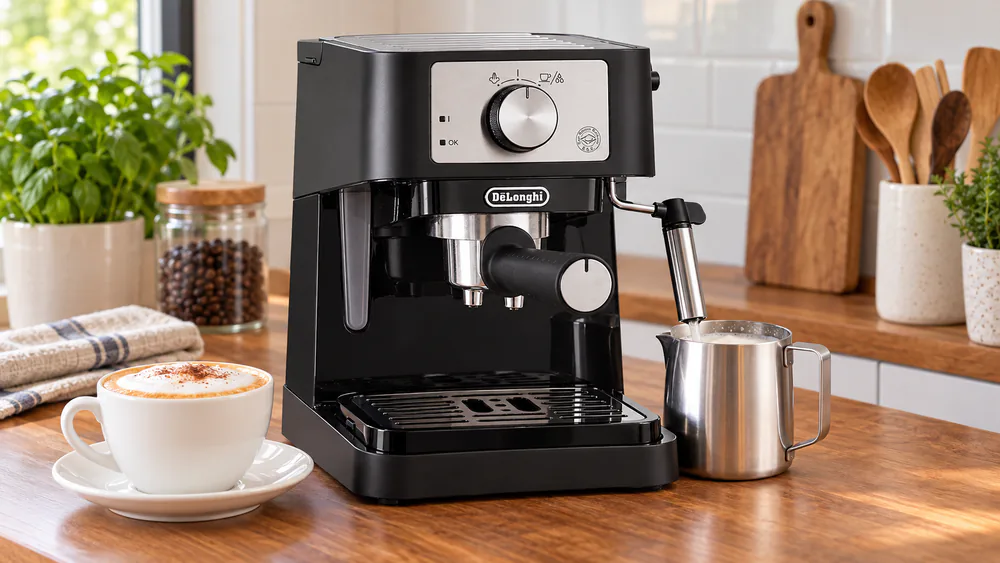
Manual steaming is a skill. The Gaggia wand is strong enough for proper microfoam, but takes many sessions to master. The Stilosa wand teaches the same technique at a lower price. Both can drip or slow down if you rush.
A single heating system, as in the Bambino, means you cannot brew and steam at the same time. Pull the shot, then steam. That is the normal workflow for every machine here.
Built-in Grinder vs Separate Grinder
This is where most budgets break. A built-in grinder is convenient, but it ties your grind quality to one machine. When the grinder fails, you lose both. A separate grinder lets you upgrade each piece.
Fresh, even grounds change the shot more than a fancier heater does. The Gaggia in particular rewards a real grinder and punishes stale coffee. Pressurized baskets, like the Dedica line's, forgive pre-ground coffee, but they cap how good the shot can get.
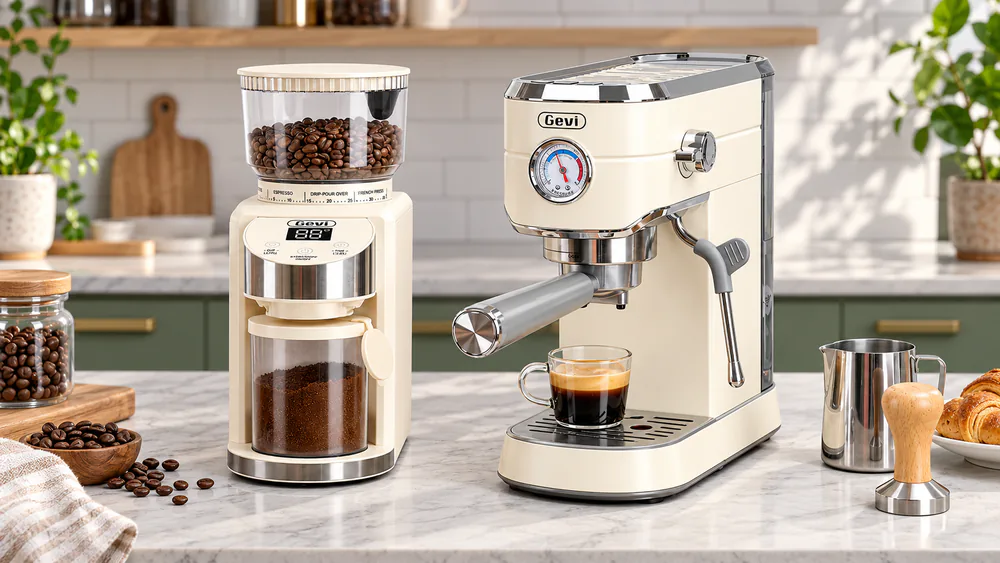
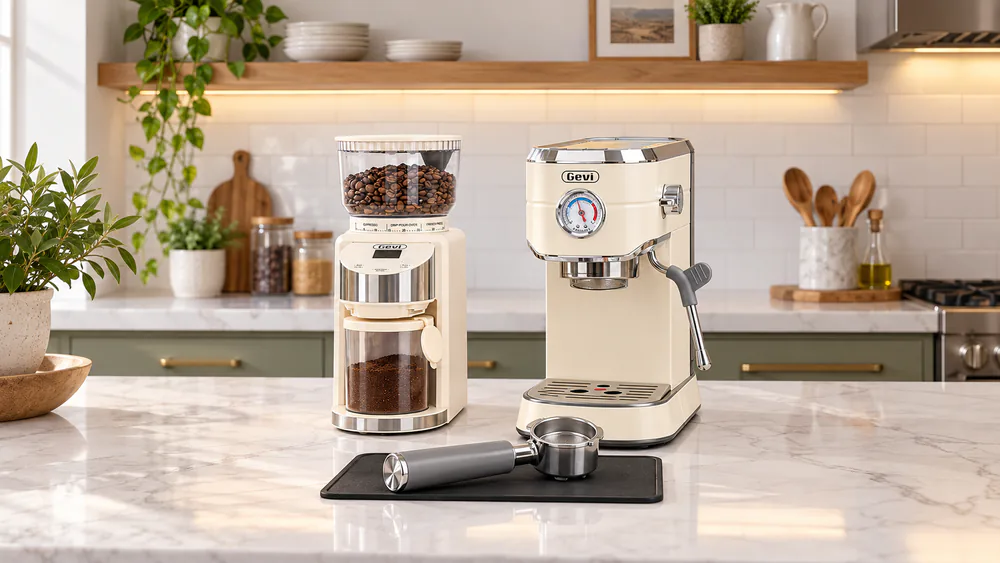
If you want one box, the Gevi gives you a grinder, but its grinder can break early. If you want the best long-term result, spend on a separate grinder and pair it with the Bambino or Gaggia.
Counter Space and Heat-Up Time
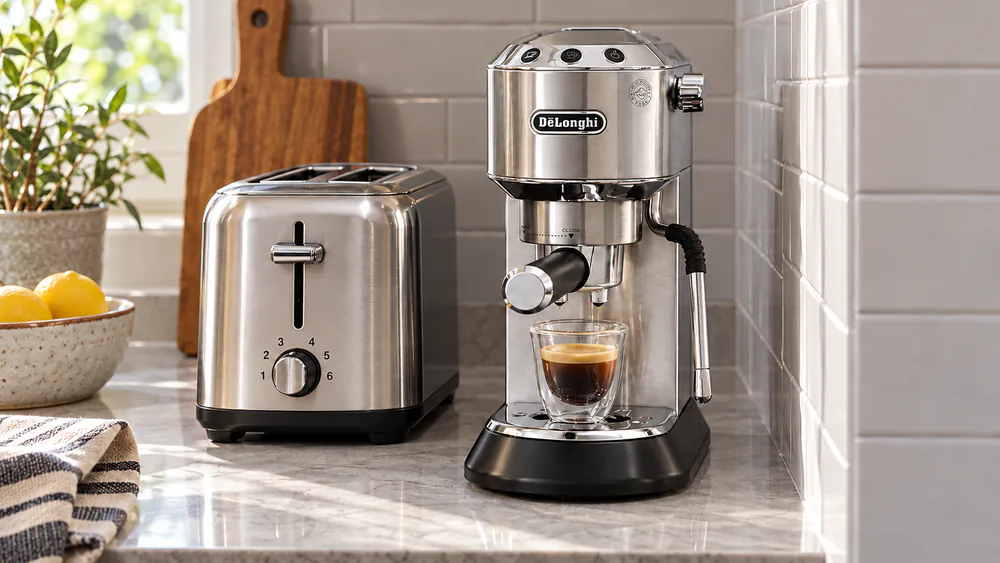
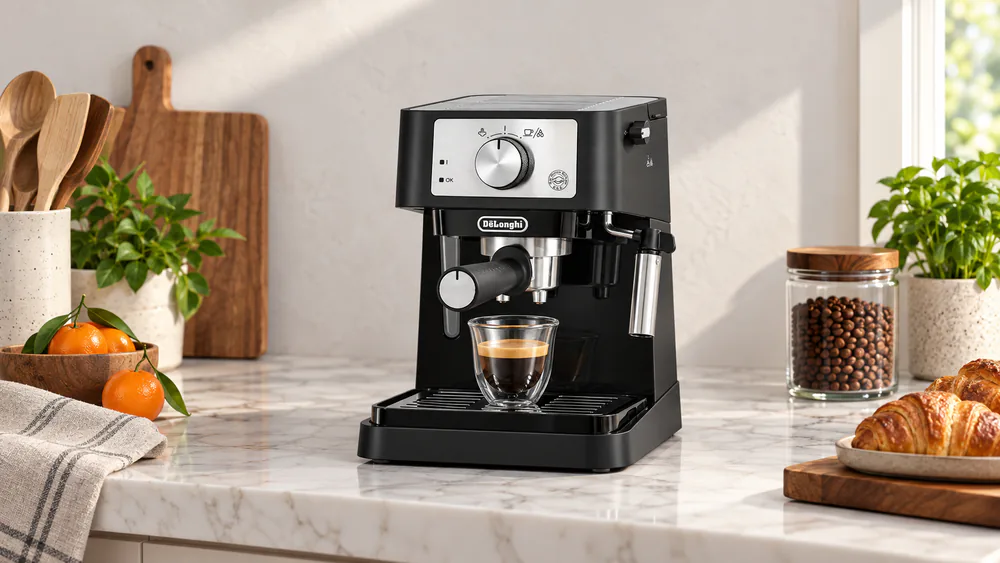
Measure before you buy. The Dedica Arte is 6 inches wide. The Bambino is 11.9 inches wide and 6.1 inches deep, and the Plus is 7.4 inches deep. The Gaggia is bigger, at about 23 x 38 x 24 cm, so check cabinet clearance too.
Heat-up time is a daily cost. The Vertuo takes 30 seconds, while the Bambino machines are ready faster than that. The Gaggia has no published warm-up figure, so plan to leave time before your first shot.