Choosing well comes down to five questions: how much control the motor gives you, whether the angle is guided, which belts come in the box, what knives you actually sharpen, and how you will keep the steel cool. The sections below take them in turn.
Motor Power and Speed Control
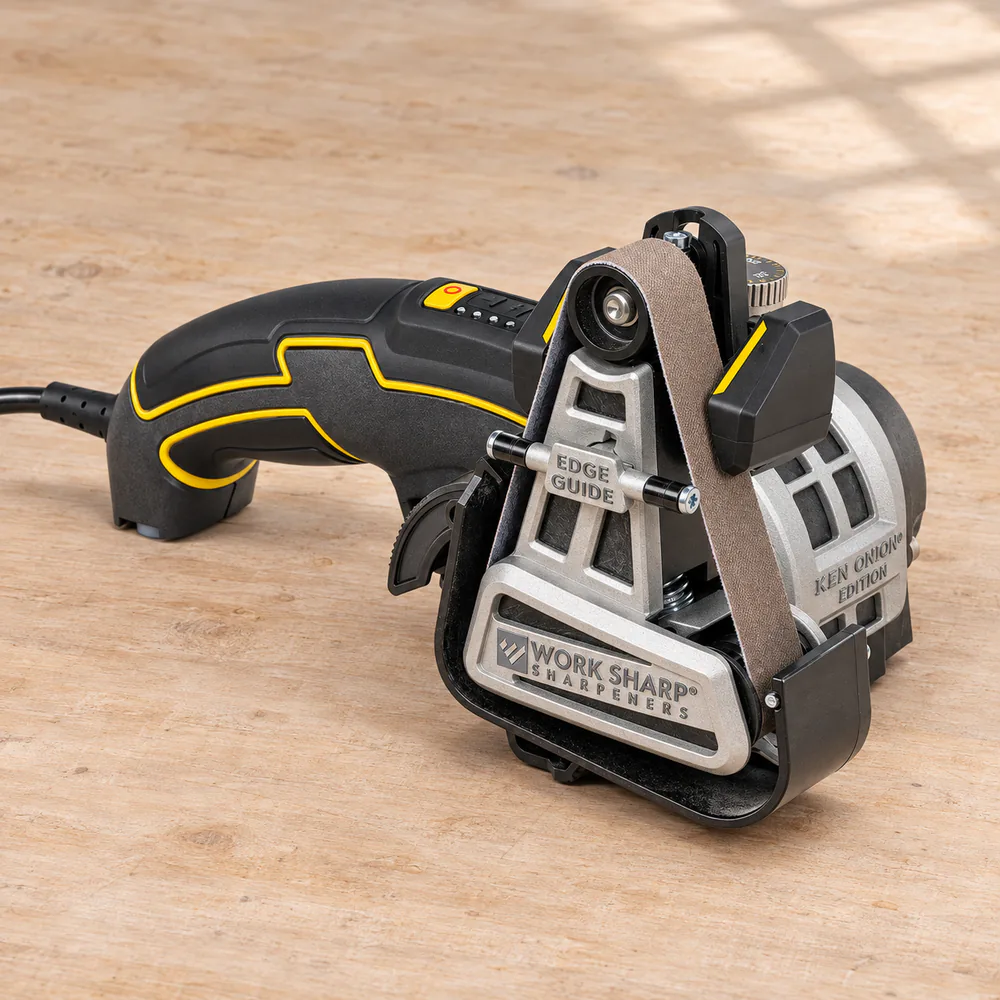
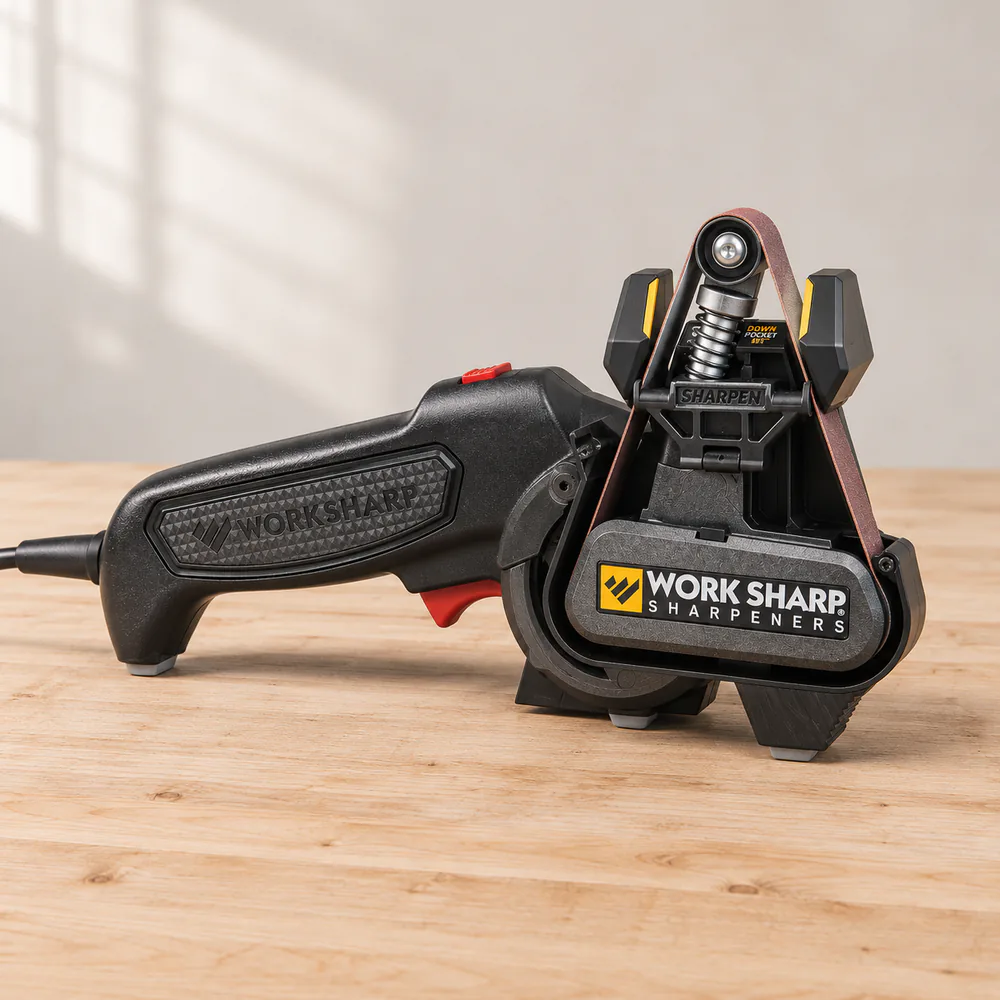
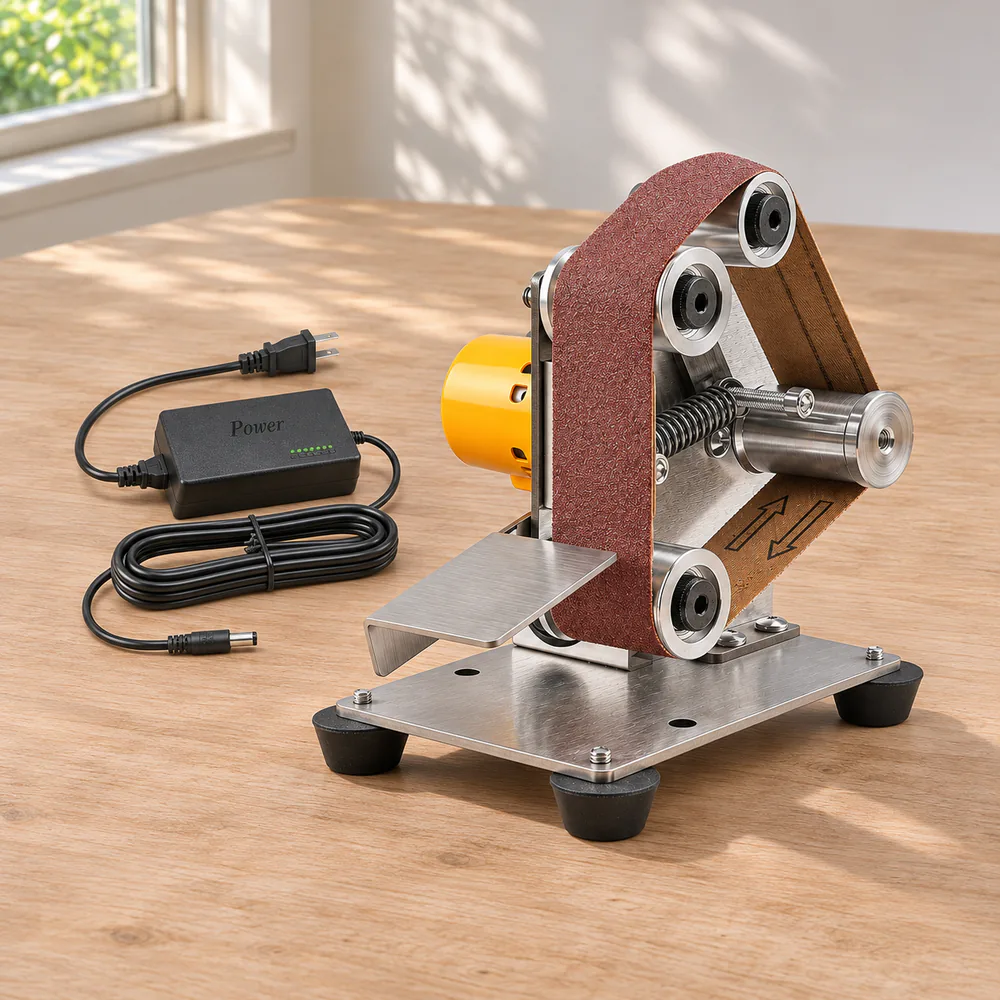
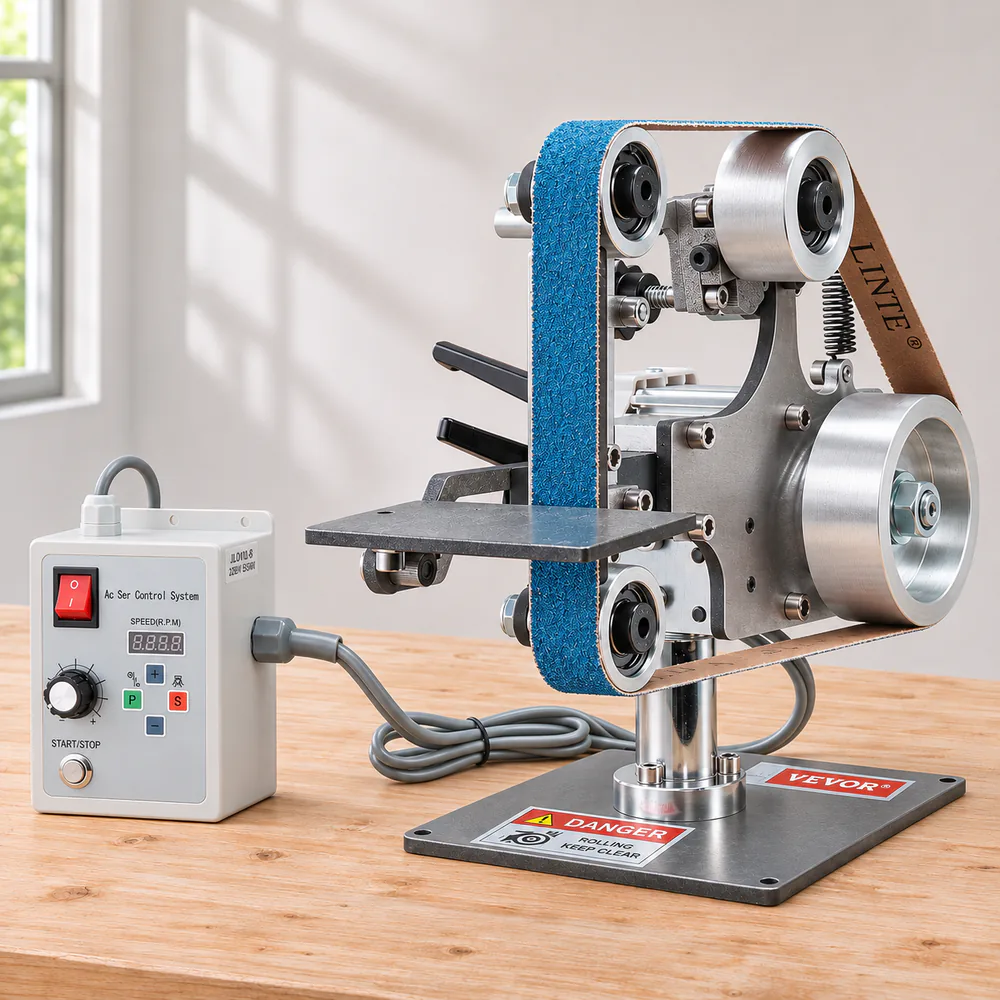
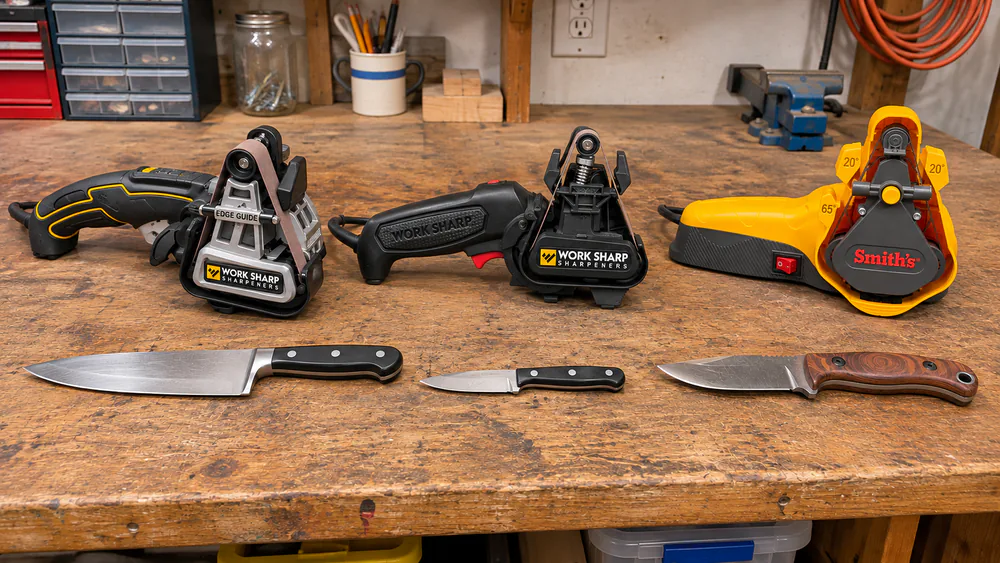
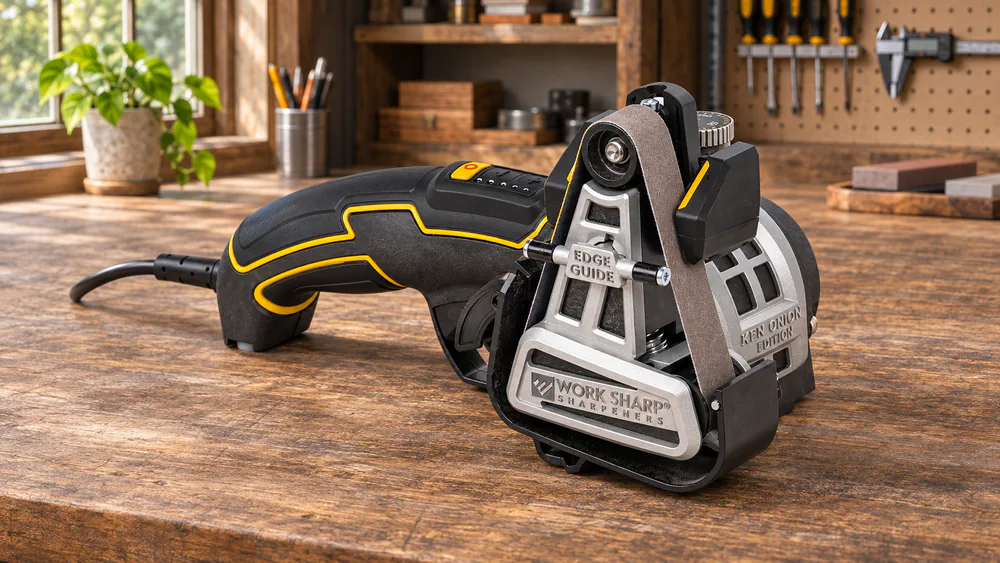
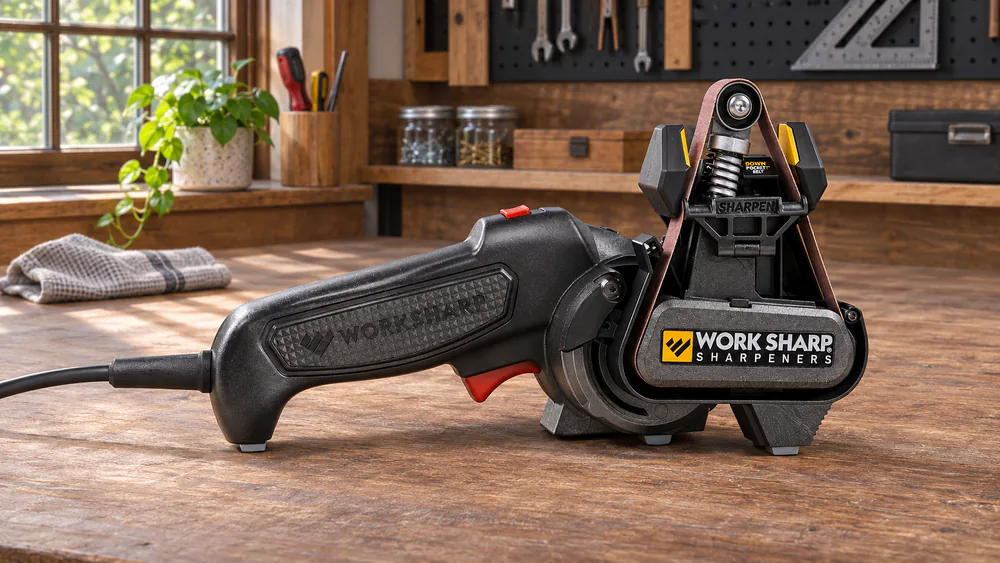
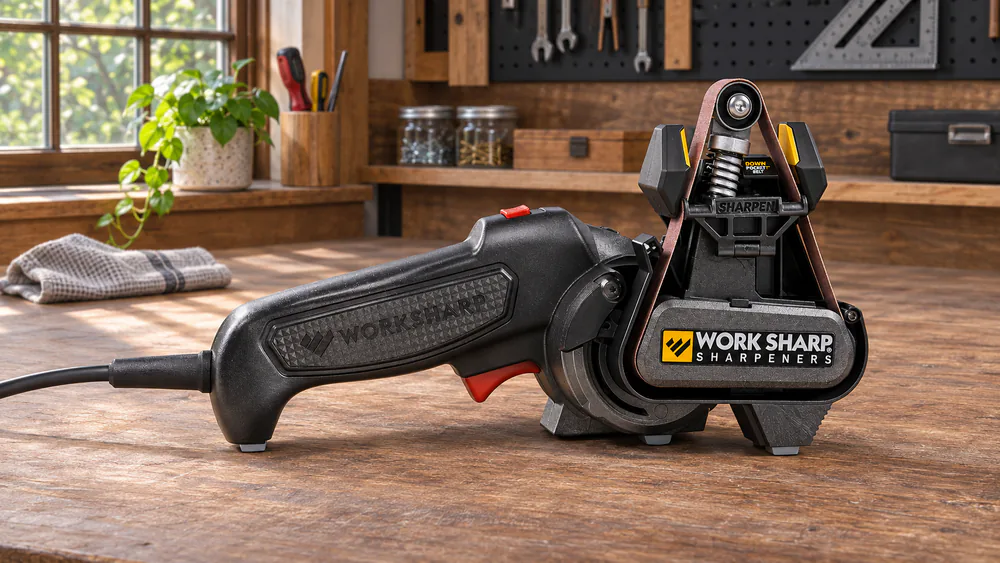
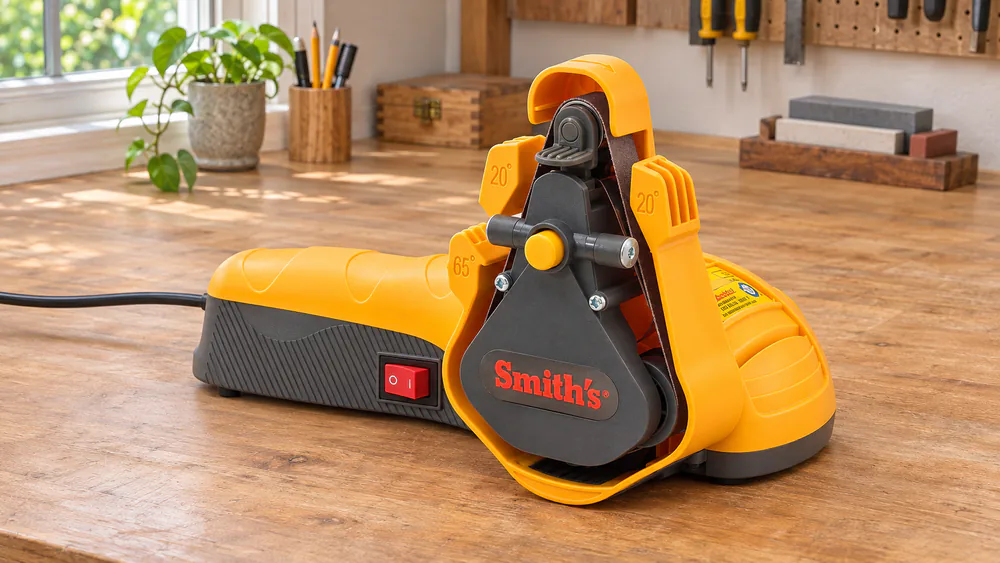
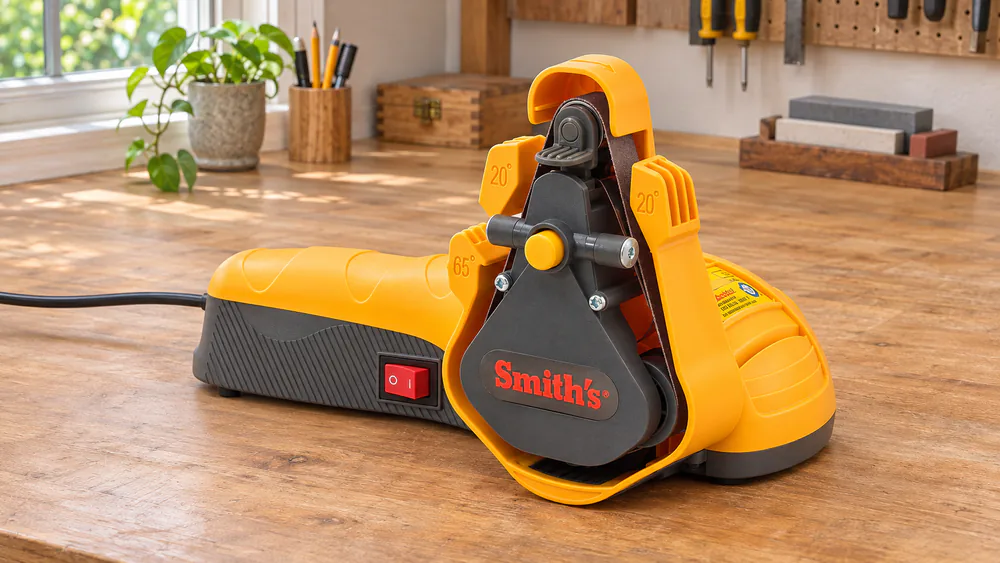
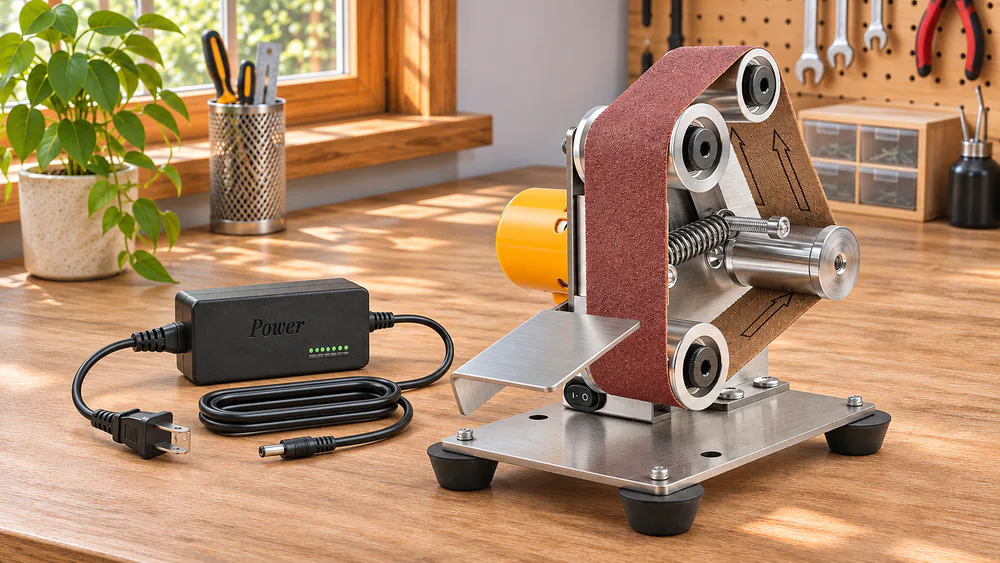
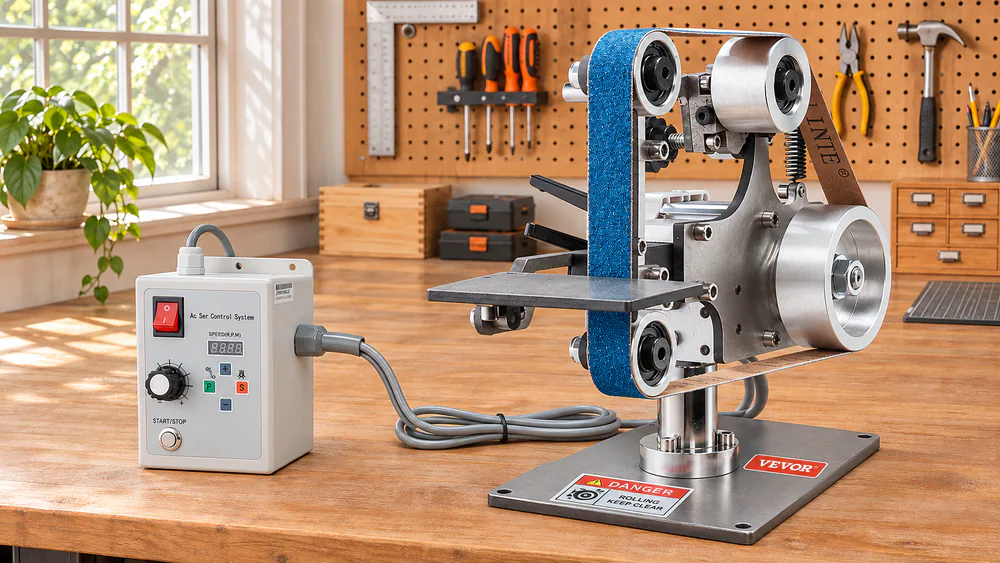
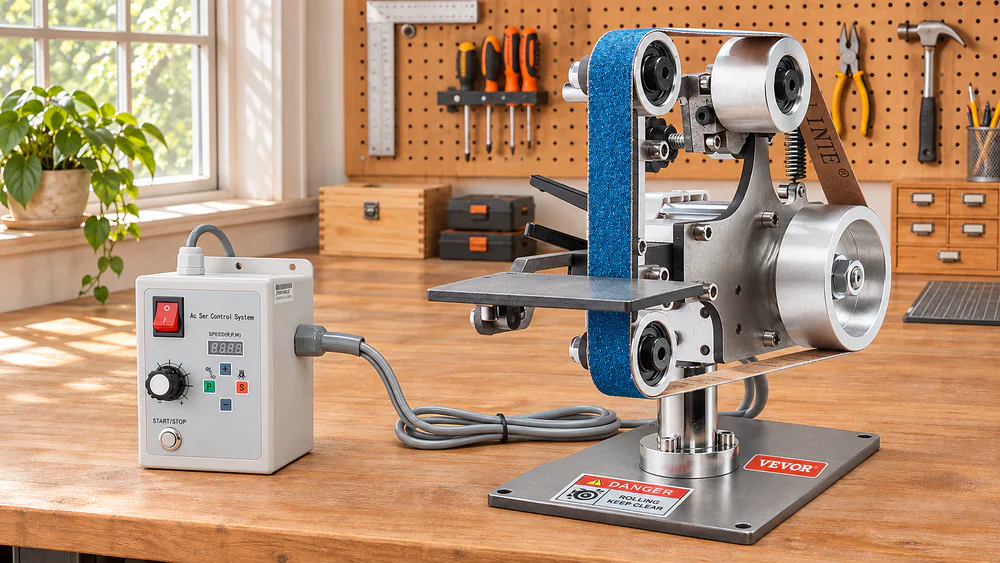
Speed control matters more than raw power. A slow belt lets a beginner avoid stripping excess steel, and a fast one heats a thin blade quickly. The Ken Onion Edition gives you seven settings, the MK.2 gives you two, and the VEVOR gives you a smooth stepless range. The Smith's has none, which is fine for short touch-ups and a poor fit for delicate knives.
Adjustable Angle Guides vs Fixed Angles
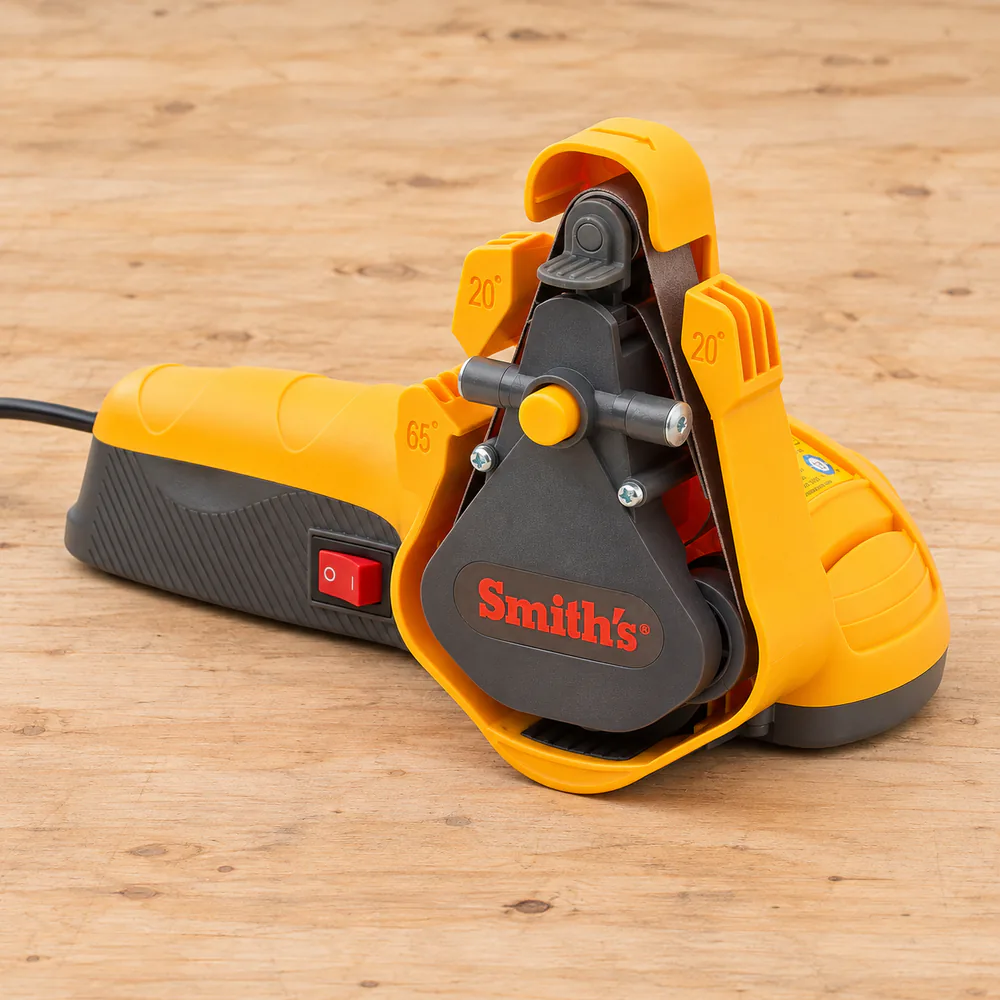
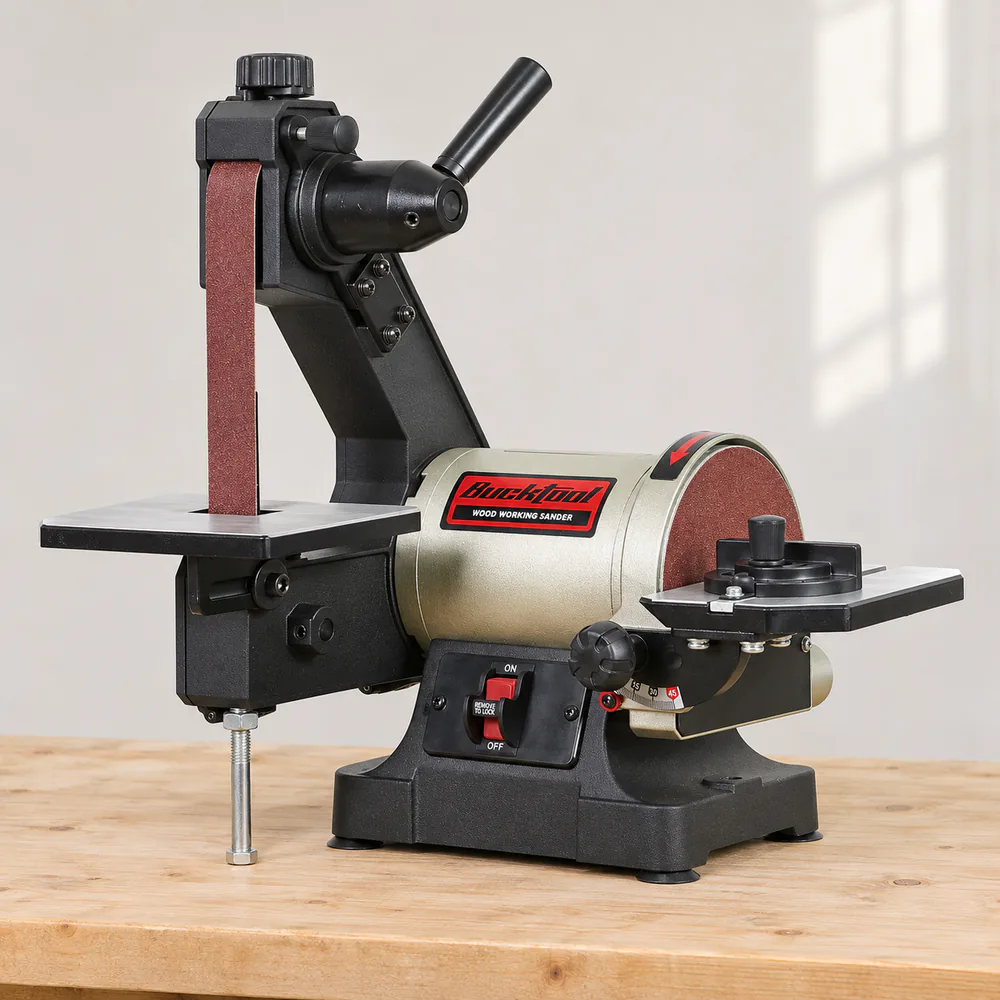
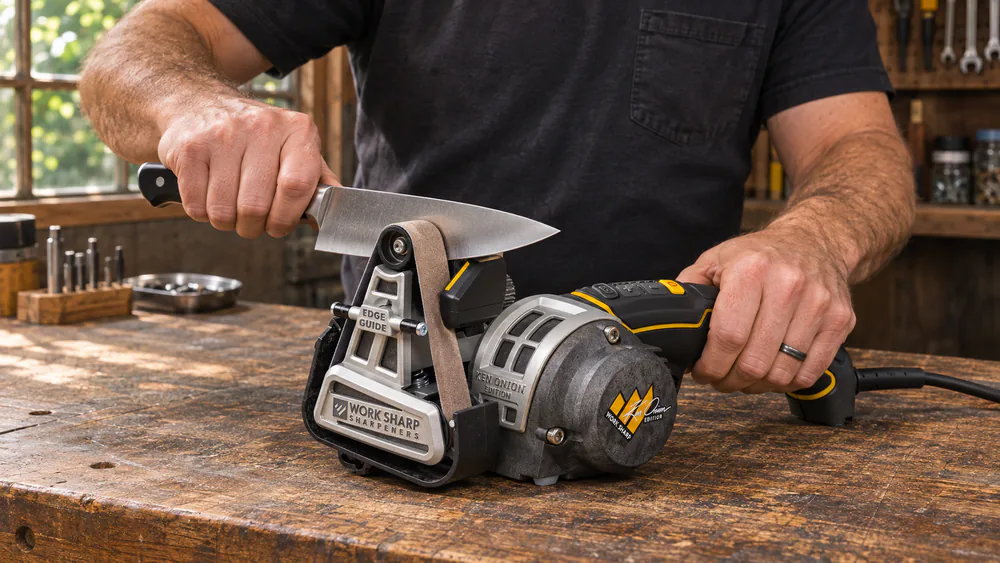
A guide holds the knife at the same angle every pass, which is most of what makes a sharp edge repeatable. Adjustable guides, like the 15-30 degree range on the Ken Onion Edition, let you match a Western chef's knife, a thinner Japanese blade or a tougher hunting edge. A fixed 20-degree guide, as on the Smith's, is simpler and fine for general kitchen knives. Machines with no guide, such as the BUCKTOOL, SI FANG and VEVOR, leave the angle to your hands.
Belt Size, Grit and Replacement Belts
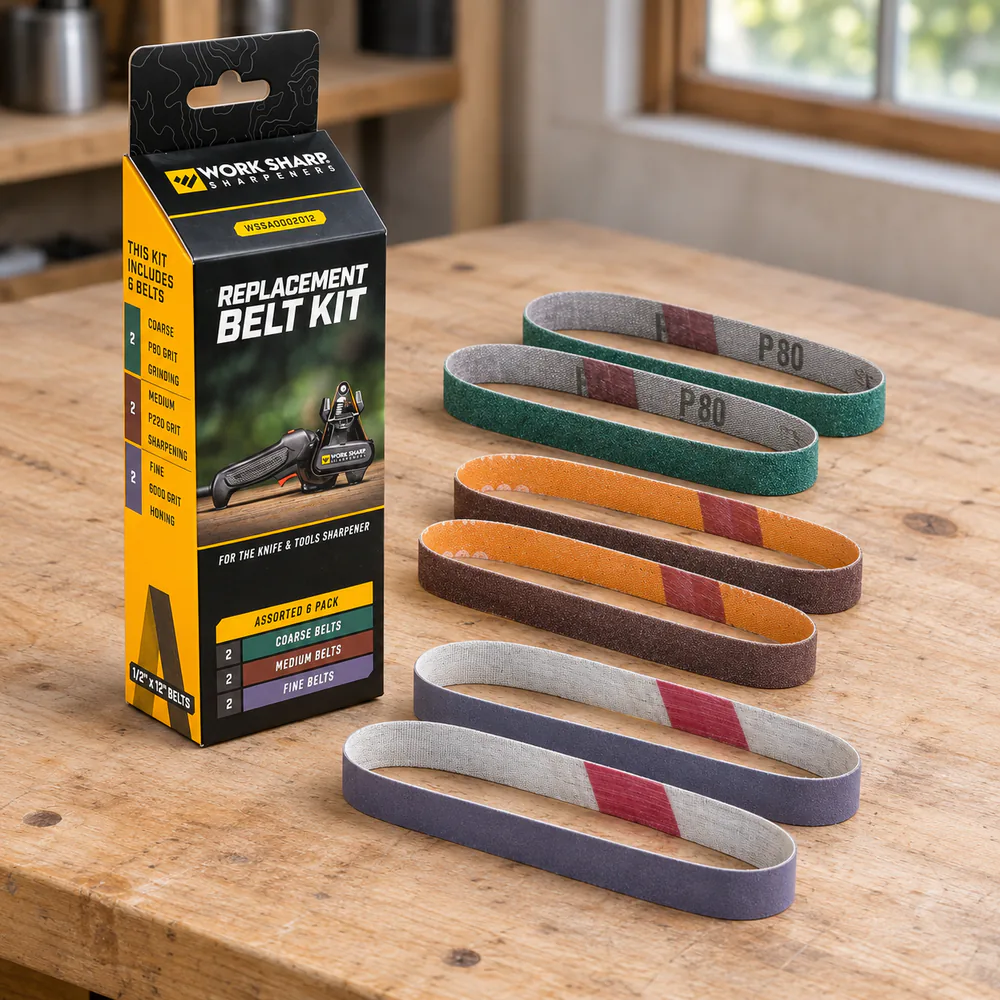
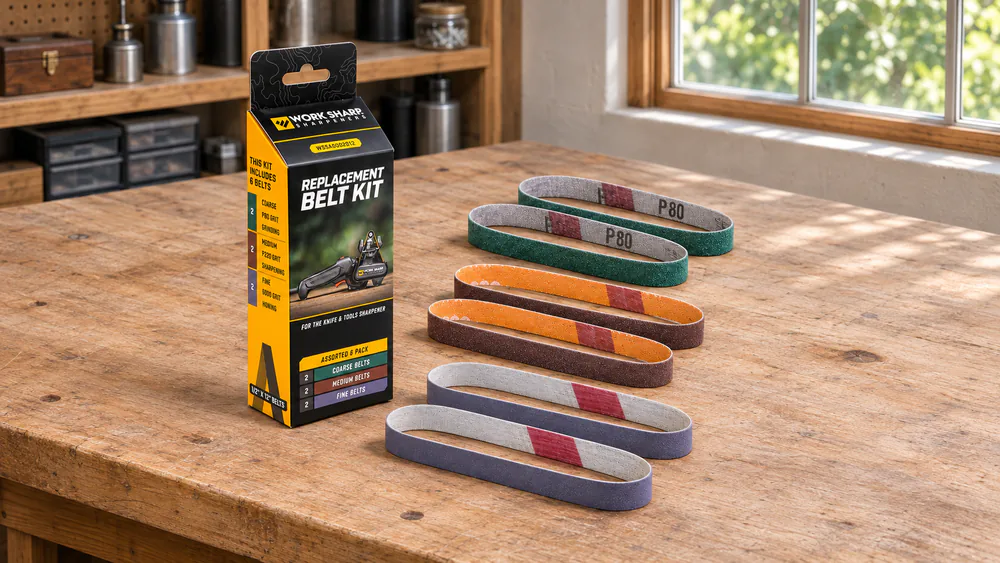
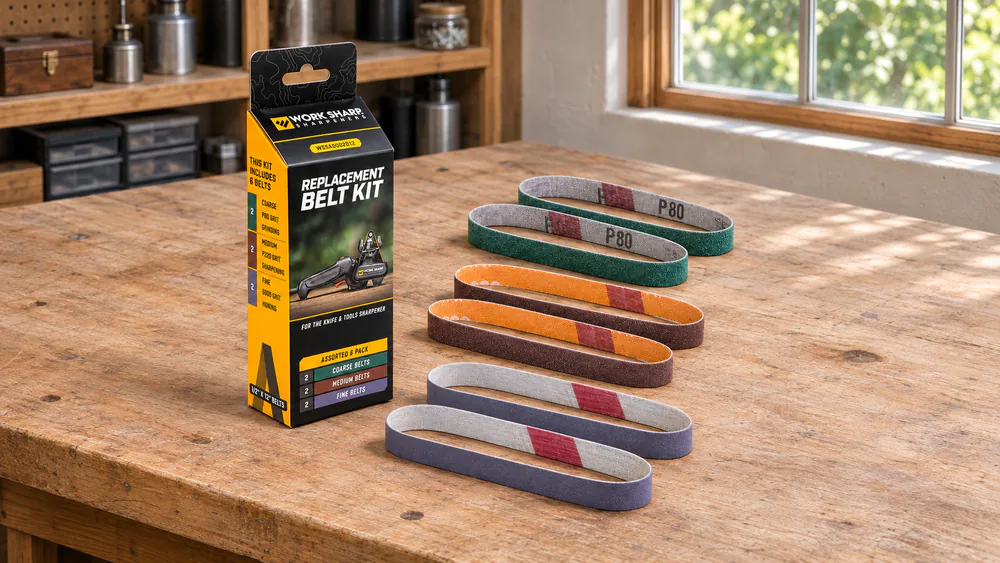
Belt size decides which replacement belts you can buy. The MK.2 takes 1/2-inch belts, the Ken Onion Edition takes 3/4-inch belts, and the 1x30 machines use common 1x30 belts that are easy to find. Grit decides how fast the belt cuts and how fine the finish is. Coarse belts around P80 reset a damaged edge, a middle belt around P220 refines it, and a 6000 belt polishes it.
Belts wear unevenly, so keep a spare set of every grit you use. Running short of a fine belt is the quickest way to a mediocre edge.
Kitchen Knives vs Hunting and Knife-Making Use
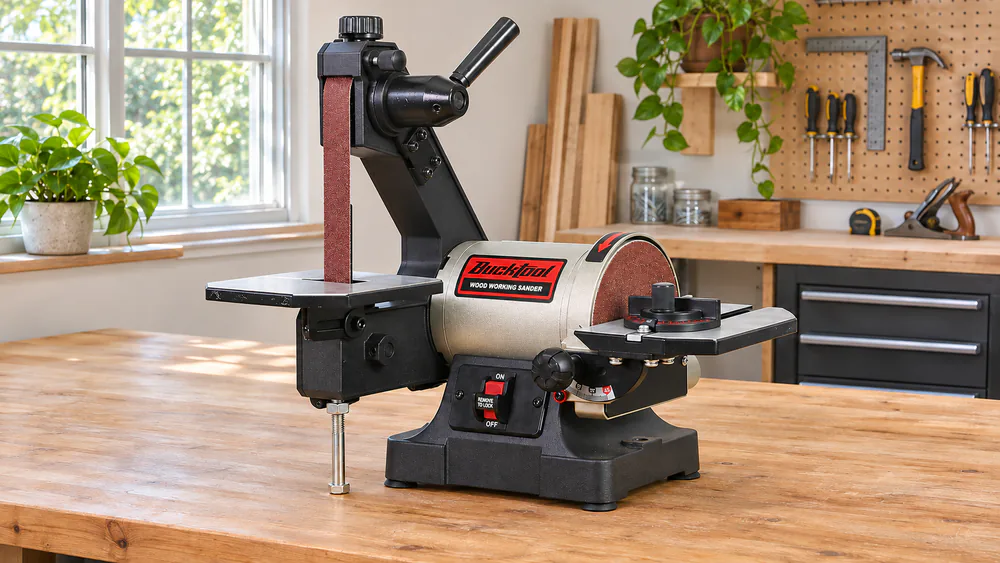
Kitchen knives are thin and heat-sensitive, so they need a guide and a slow speed. Hunting knives are thicker and more forgiving, and they often need more steel removed. Knife making needs a grinder, not a sharpener: a rigid platform, strong stock removal and the freedom to shape a profile. That is why the BUCKTOOL and VEVOR sit near the bottom of this list even though they are strong machines.
Safety and Heat Control
Heat is the real danger to a kitchen knife, because overheated steel loses its temper and its edge holding. Keep passes short, let the blade cool between them, and never quench a hot blade in water. Belt machines also throw sparks and metal dust, so wear eye protection and keep fingers clear of the belt path.