As an Amazon Associate we earn from qualifying purchases. We may earn a commission from links on this page, at no extra cost to you. Learn more.
Most protein shakes promise a meal in a bottle and deliver a chalky texture that makes you dread the next sip. That gap between the label and the first mouthful is the whole problem. A shake is only useful if you actually want to drink it, morning after morning, workout after workout.
We went looking for the ready-to-drink shakes that solve that problem: bottles that hit real protein numbers, keep sugar in check, and go down smooth instead of gritty. Along the way we weighed macros against price, and we paid close attention to the small stuff that owners live with, like a cap that leaks or a bottle that arrives dented.
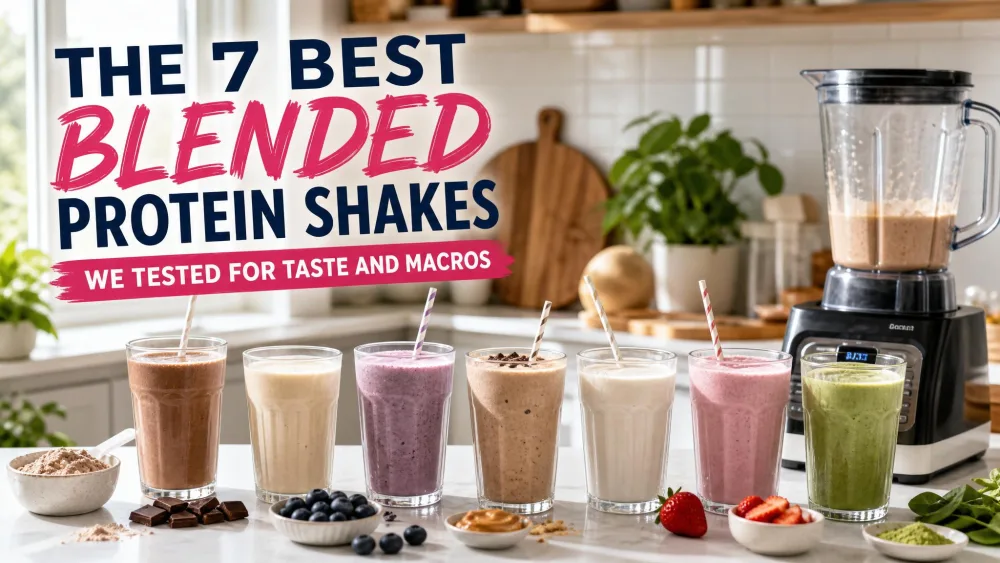
Below are the seven blended protein shakes we would actually keep in the fridge, ranked and labeled by who each one suits best. If you cook and meal-prep for a busy household the way we do, these are the bottles worth your shelf space.
We started with the nutrition panel, not the marketing. Every pick had to be a real ready-to-drink bottle, not a powder or a bundle, and it had to hit at least 20g of protein without loading up on added sugar. From there we compared each bottle on the four things that actually decide whether a shake earns a spot in the fridge: protein and its source, sugar and net carbs, texture, and calories.
We are meal-prep cooks, so we treat "healthier" marketing with a working skepticism. A shake that reads clean on the front label but tastes like sweetened chalk goes back on the shelf. To judge taste and texture honestly, we leaned on hands-on drinking plus the pooled experience of long-term owners, and we cross-checked flavor claims against what people who buy these by the case actually report over months of daily use.
No methodology theater here. We did not run a formal blind lab panel, and we will not pretend we did. What we can tell you is which bottles drink like a treat, which ones travel well, and which ones cut corners once you get past the front-of-label protein number.
We read the panel first, then judged the pour.
What to Look For in a Blended Protein Shake
The front label shouts one number. The bottle that earns a place in your routine is decided by four, and they pull against each other in ways the marketing never mentions.
Protein content and source (whey vs plant vs blended)
Protein per bottle is the headline, but the source shapes how the shake drinks. Dairy and whey shakes tend to be the smoothest and most complete, which is why they read like chocolate milk instead of a supplement. Plant blends built from pea, pumpkin seed, flax, and chia can deliver all the essential amino acids, but they often carry more grit and lean on a fiber component to feel filling.
For post-workout recovery, most active adults do well aiming for roughly 20g to 40g of protein in a serving, which is where nearly every pick here lands. If you want the science behind that range, this overview of how much protein supports muscle recovery is a solid, neutral starting point.
Sugar, sweetener, and net carbs
Look past the protein number to the added sugar and net carbs, because that is where shakes quietly diverge. A bottle with 30g of protein and 1g of sugar is a very different tool than one with 5g of sugar and a syrupy finish. Sweetener type matters too. Sucralose, ace-K, monk fruit, and stevia each leave a slightly different aftertaste, and the one that tastes clean to you may read artificial to someone else.
Texture and mouthfeel (chalkiness)
This is the make-or-break factor, and it is the hardest to read off a label. A good shake is smooth and just thick enough to feel like a treat. A bad one is chalky, thin, or coats your mouth in a way that lingers. Dairy shakes win here most often, and the best plant shakes have closed the gap by adding fiber and skipping the vitamin-forward off-notes that used to define the category.
Calories and meal-replacement fit
Ready-to-drink shakes run roughly 90 to 200 calories, and the right number depends on the job. Meal-replacement use needs higher calories plus a real spread of added vitamins and minerals to stand in for food. Post-workout use favors higher protein and lower calories, so you refuel without eating a second lunch. Match the bottle to the moment and you will not end up over- or under-feeding yourself by accident.
Tip. Buy a single bottle or the smallest pack of a new flavor before you commit to a 12-pack. Chocolate is almost always the safe first purchase; the fancier flavors are where quality gets uneven.
Quick Comparison Table
Product
Protein (g)
Sugar (g)
Protein source/blend
Calories
Price per serving
Fairlife Core Power
26g
5g
Ultra-filtered dairy milk
170
~$3.49
Premier Protein
30g
1g
Dairy milk blend
160
~$2.23
Pure Protein
30g
Low (verify label)
Milk protein isolate
140
~$2.17
Orgain Clean Grass Fed
20g
4g
Grass-fed milk protein
130
~$2.30
Evolve
20g
Not confirmed on label
Pea (plant)
140 (11 oz bottle)
~$2.55
OWYN
20g
4g (varies by flavor)
Pea, pumpkin seed, flax
180
~$3.23
Premier +Energy
30g
No added sugar
Dairy milk plus caffeine
about 160
~$2.67
Price per serving is figured from current 12-pack list prices divided by count, so treat every figure as approximate. Street pricing moves week to week, and the plant shakes in particular swing with sales.
The 7 Best Blended Protein Shakes
Seven bottles made the cut. Each one earns its spot for a specific reason, so read the "best for" label as much as the rank.
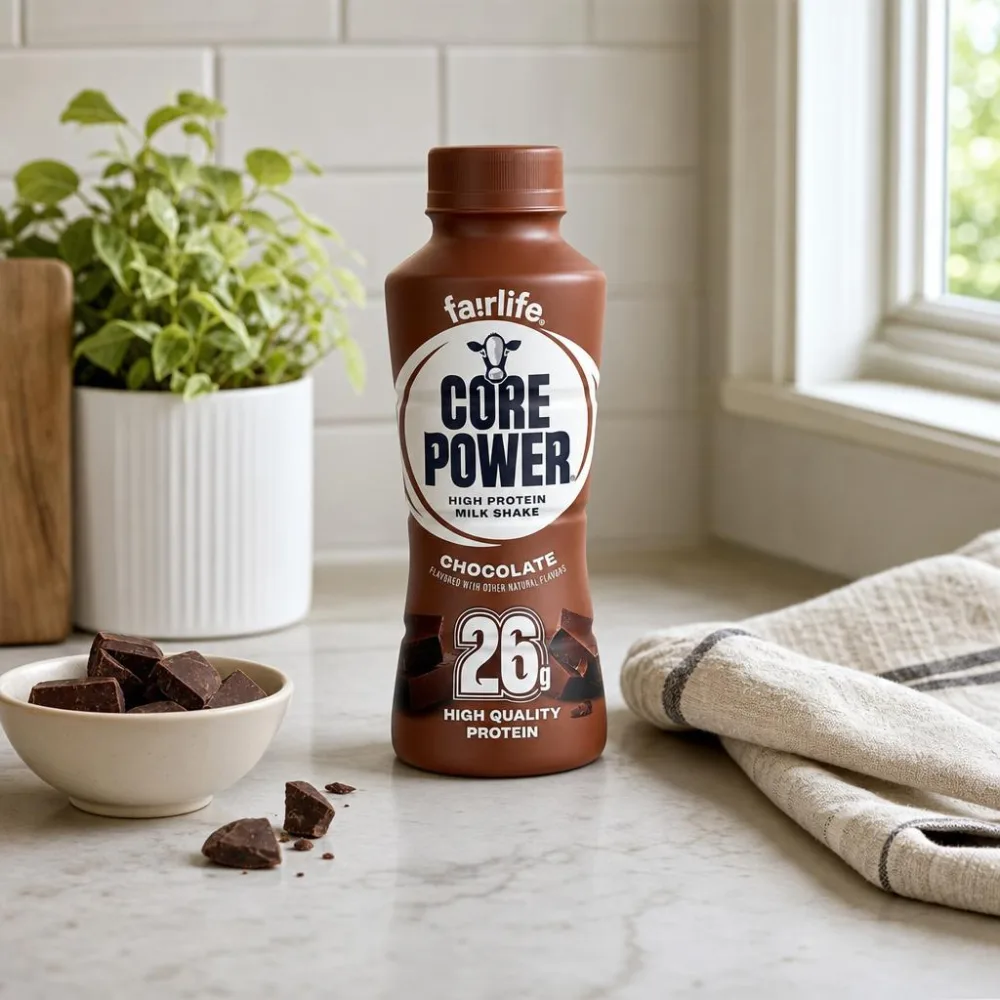
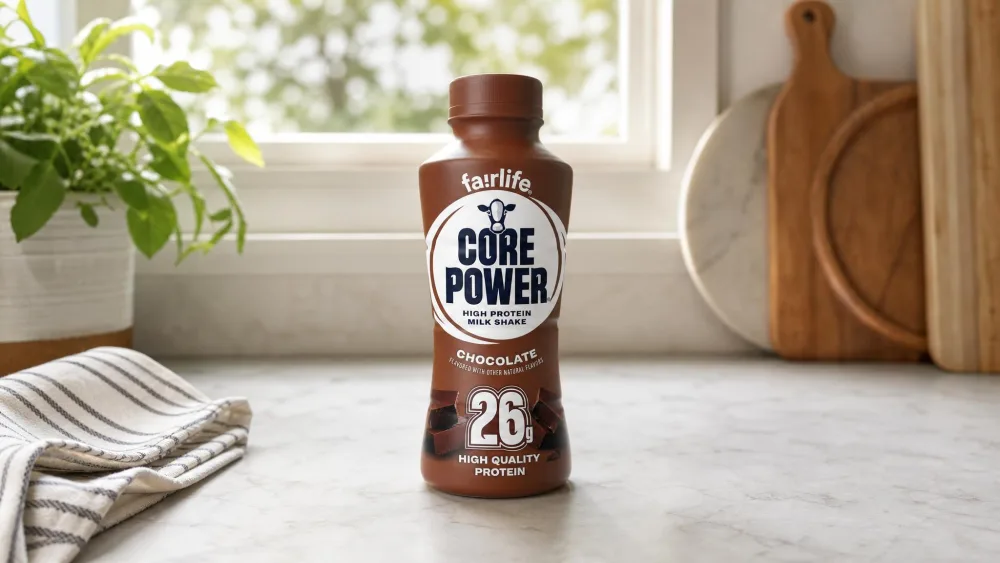
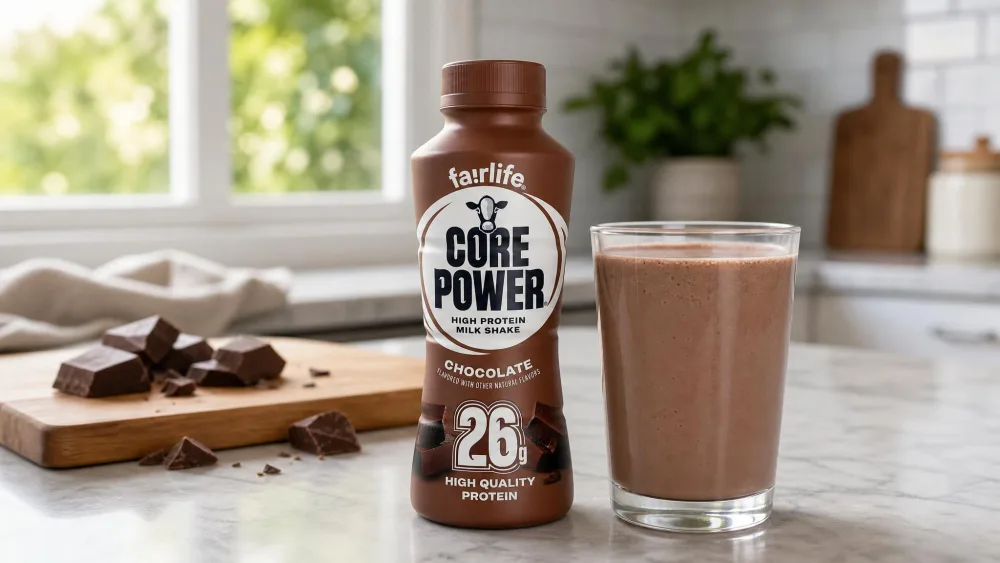
Fairlife Core Power chocolate is the bottle that made the rest feel like homework. It drinks like real chocolate milk rather than a protein shake, smooth and thick with no chalky aftertaste, and that alone is why it tops the list. The 26g of complete protein comes from ultra-filtered milk, with 5g of sugar, 8g of carbohydrates, and 170 calories in each 14oz bottle.
There is a practical reason we keep it in rotation beyond the flavor. Because it skips added whey concentrate and caseinate, it sits well with a lot of sensitive stomachs, though it is still dairy and not a fit if you are lactose intolerant. The only recurring gripe is shipping: bottles occasionally arrive dented in multipacks, which is a handling problem rather than a flaw in the shake itself.
Pros
Tastes like genuine chocolate milk, not a supplement
26g complete protein with only 5g sugar
Gentle on many sensitive stomachs
Thick, smooth body with zero chalky finish
Cons
Priciest per-serving pick here at about $3.49 a bottle
Bottles sometimes arrive damaged in multipacks
Still dairy, so not for the lactose intolerant
It pours like chocolate milk, and drinks like it too.
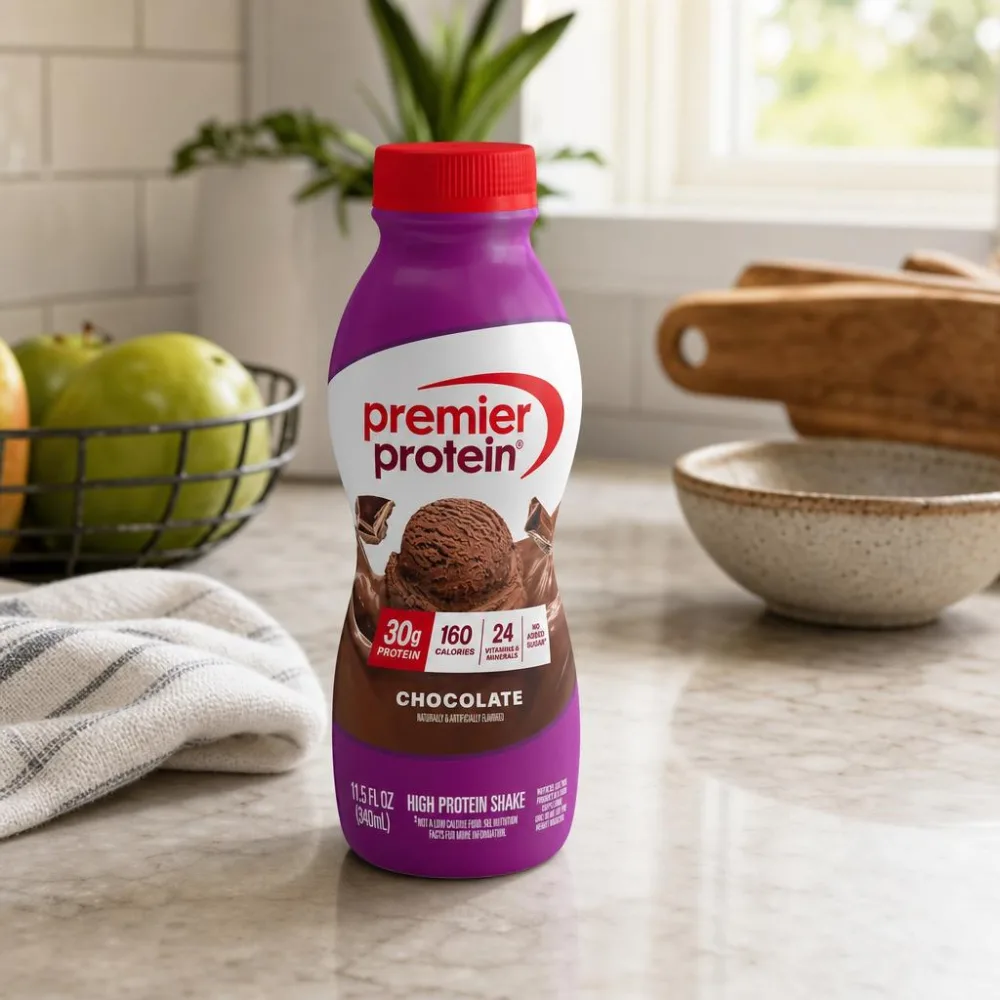
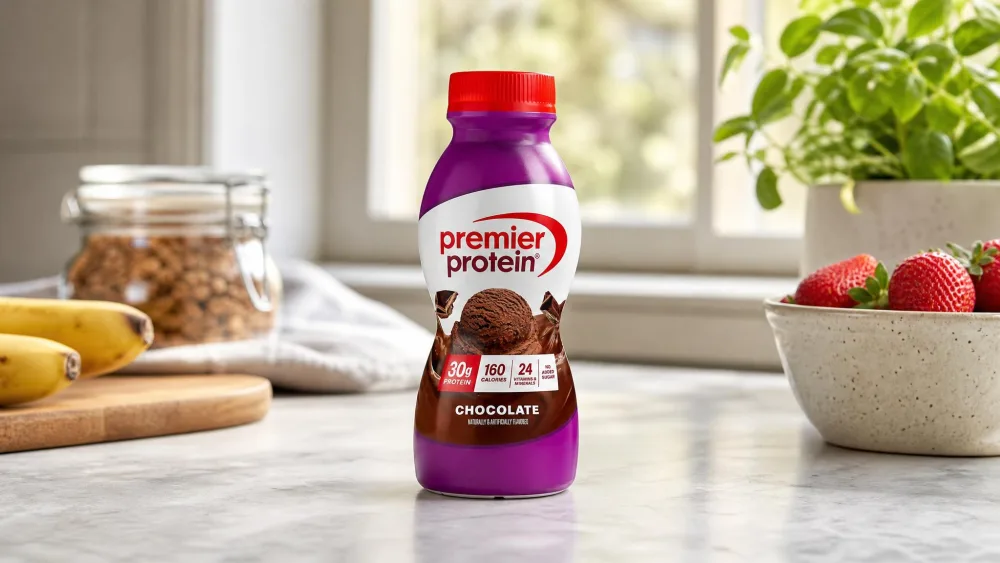
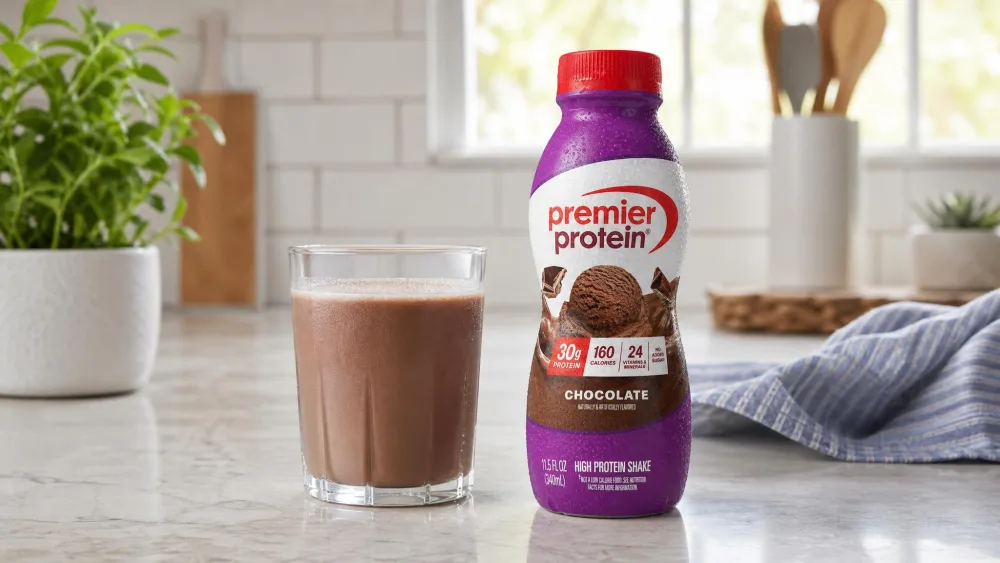
Premier Protein chocolate is the value bottle we recommend without hesitation. You get 30g of protein, just 1g of sugar, 160 calories, and 24 vitamins and minerals, all for around $2.23 a shake and stocked in nearly every grocery aisle. Carbs run 3-5g depending on flavor, and the whole line is gluten-free.
It tastes noticeably better ice cold, where it reads more like a milkshake than a supplement and leaves no chalky aftertaste. Stick with chocolate as your default. Some of the other Premier flavors are hit or miss, so the safe move is to build your case around the flavor that consistently delivers. For most people chasing a daily protein target on a budget, this is the easiest yes on the list.
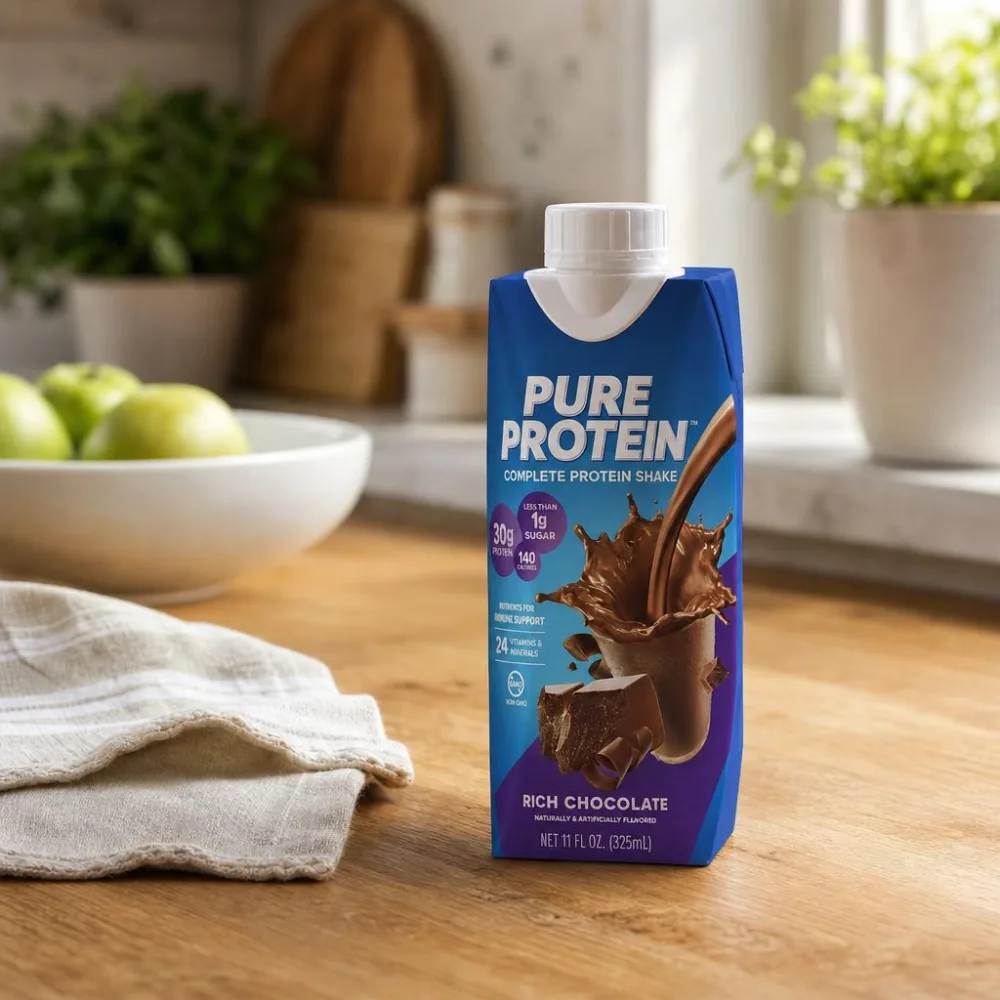
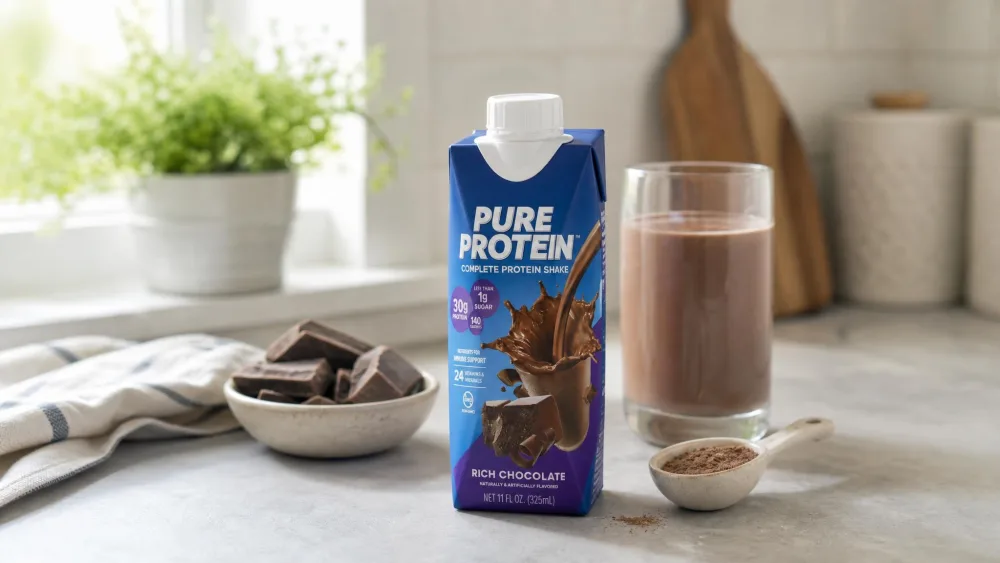
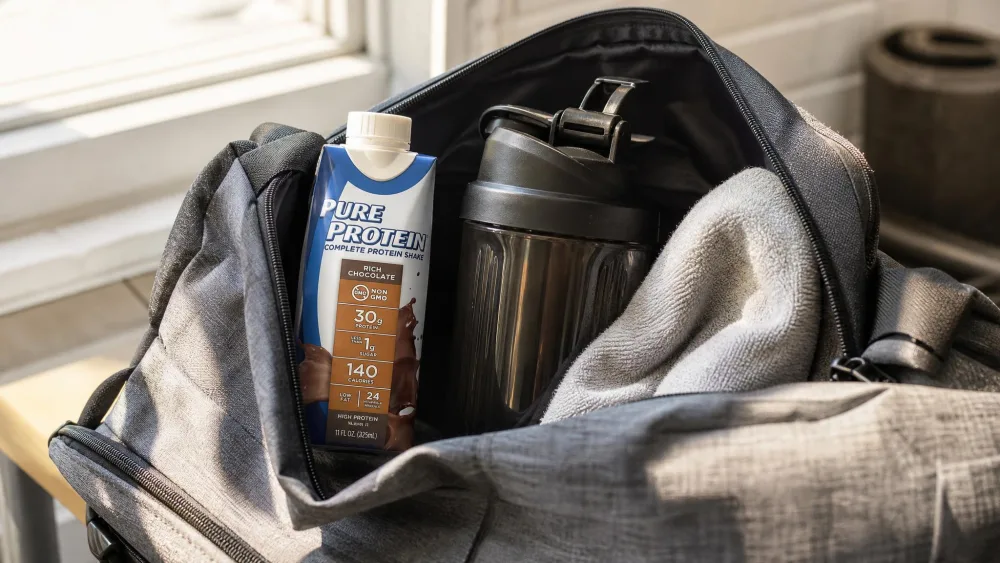
Pure Protein chocolate is what you buy when you want the most protein for the fewest dollars. It packs 30g of complete protein into an 11oz bottle made with milk protein isolate for just 140 calories, and it is often the lowest-priced 30g option on the shelf at roughly $2.17 a serving. That price is the main draw over the pricier dairy shakes.
It makes hitting a daily protein target easy without extra meal prep, with a smooth consistency and no artificial taste for most drinkers. The milk protein isolate base also sits better than you might expect for some people with lactose sensitivity. It is keto-friendly and low in sugar, though the exact sugar figure is worth a quick label check before you buy a case, since the listing copy stays vague on it.
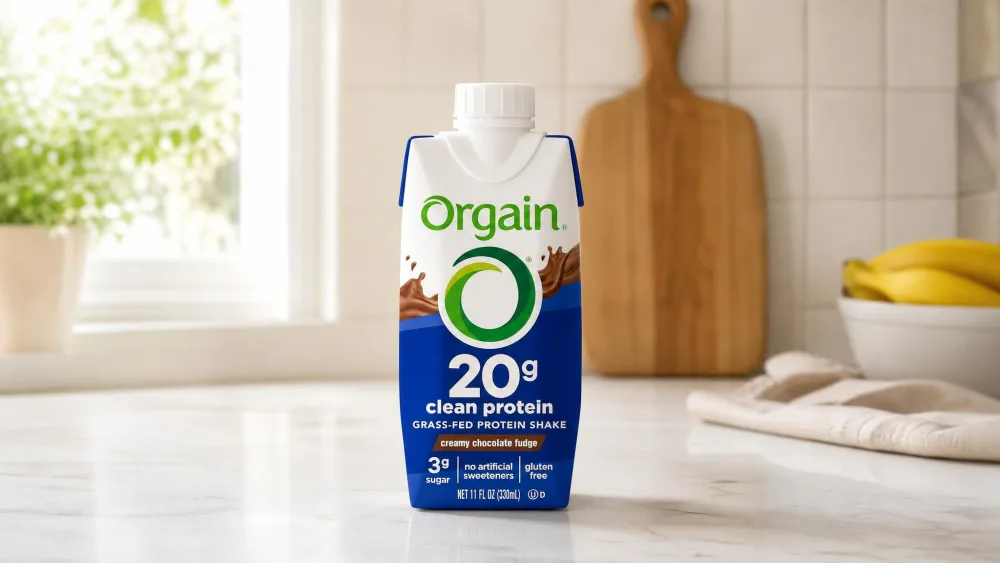
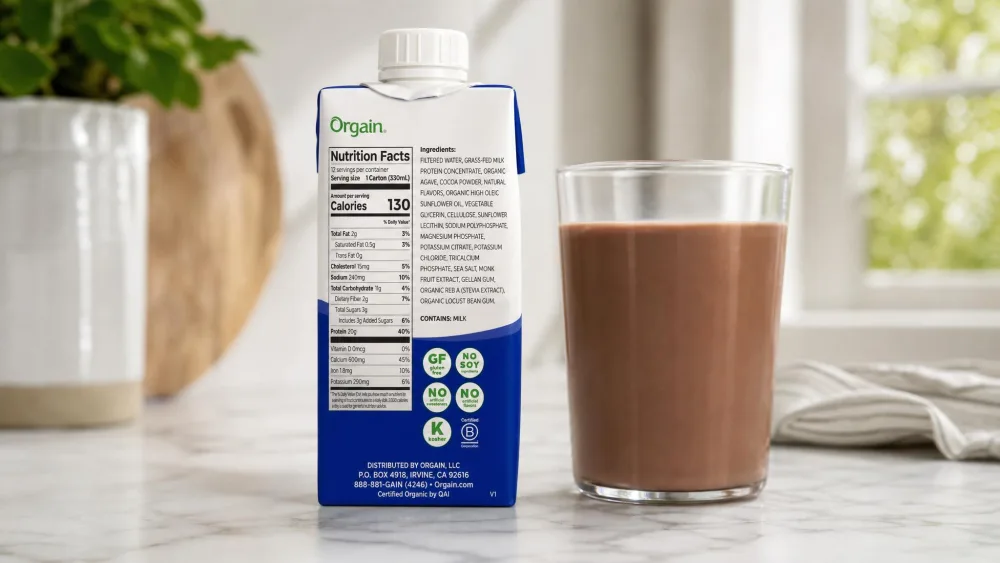
Orgain Clean Grass Fed is our pick for shoppers who read every ingredient line. It delivers 20g of grass-fed milk protein and 4g of sugar for 130 calories per 11oz bottle, with no carrageenan, no soy, and a gluten-free, kosher label. The protein comes from cows that graze, which is the whole pitch and, in this case, a pitch that holds up.
More important, it tastes like chocolate milk with no artificial junk and no aftertaste. Worth knowing: drinkers consistently prefer this 20g version to Orgain's 30g shake, which reads as artificial by comparison. This clean formula is also gentle on digestion with no GI side effects, which makes it a genuinely easy keto snack to reach for a couple of times a day.
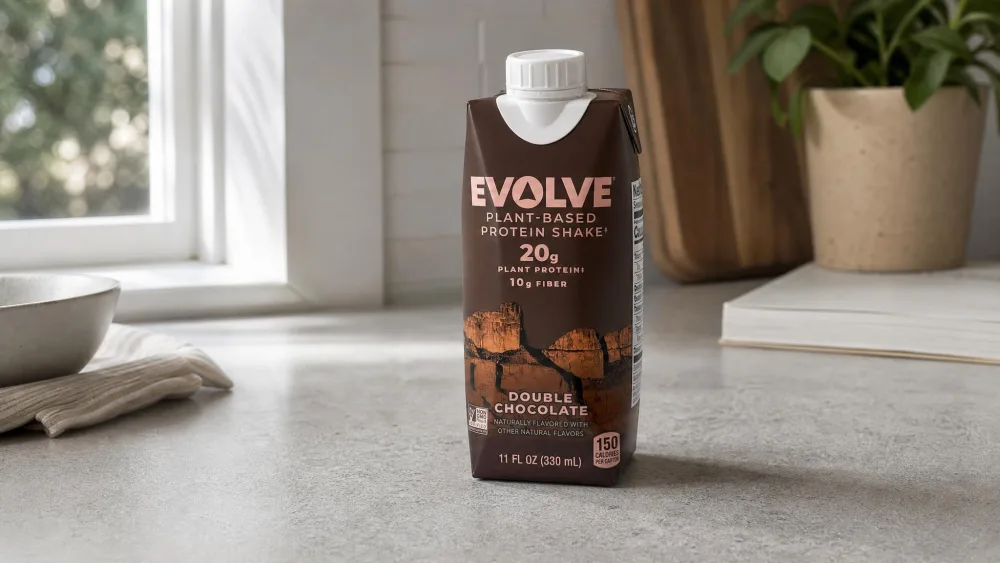
Evolve Double Chocolate is the plant shake we hand to people who swear they hate plant shakes. It is repeatedly called the best-tasting non-whey option out there, and it earns that by drinking like a real milkshake without the vitamin taste or chalkiness that used to define the category. It uses no sucralose, which helps keep the finish clean.
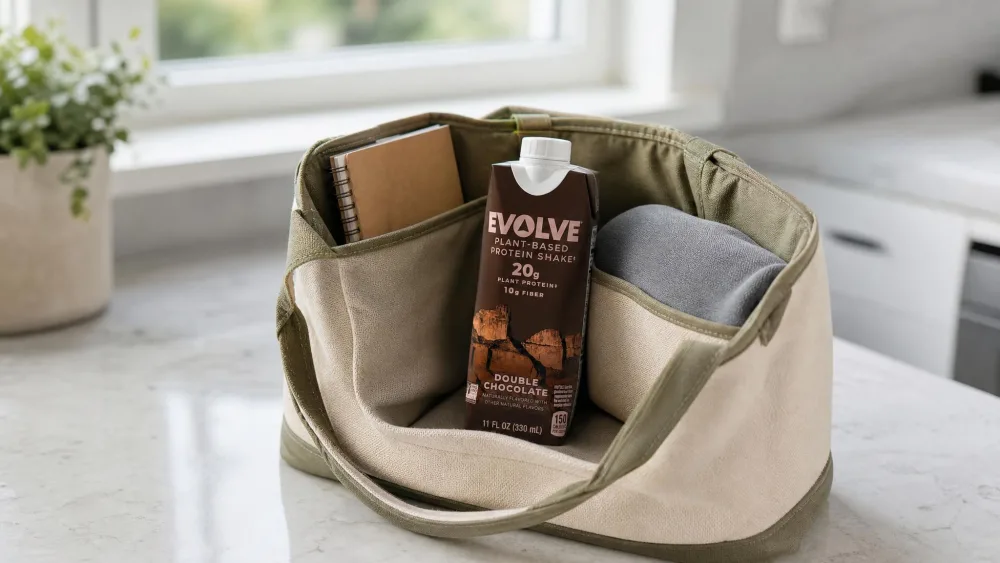
The macros back up the flavor. Each 11 fl oz bottle brings 20g of pea protein plus 10g of fiber for 140 calories, which makes it a genuinely filling grab-and-go option that survives a few hours in a bag. It is dairy-free, non-GMO Project Verified, and a good source of calcium, iron, B12, and zinc. The catch is price: it has climbed sharply and swings a lot, so long-time buyers increasingly wait for a sale before restocking.
Pros
Best-tasting plant shake we tried, milkshake-smooth
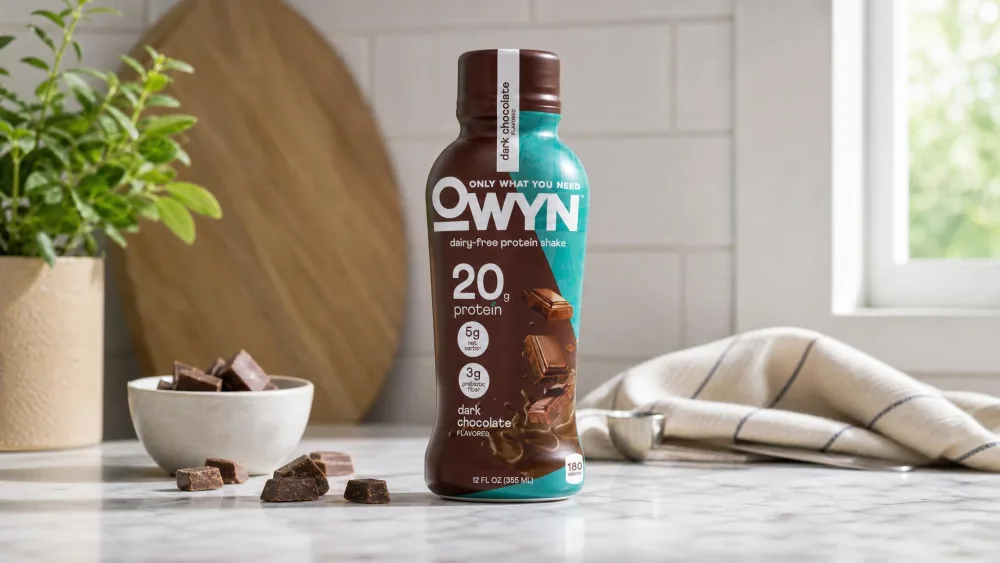
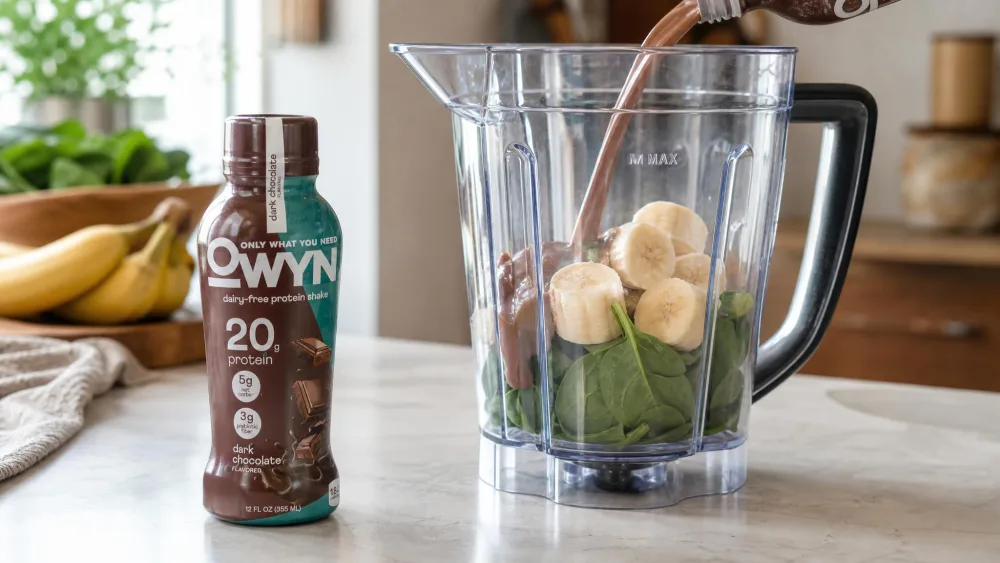
OWYN Dark Chocolate is the bottle we reach for when allergens are the deciding factor. It is free of gluten, dairy, soy, peanuts, tree nuts, and eggs, which makes it a go-to for people avoiding the big allergens, sometimes on a nutritionist's recommendation. The 20g of vegan protein comes from a pea, pumpkin seed, and flax blend that covers all nine essential amino acids, with added greens and prebiotics, at 180 calories per bottle.
For a plant shake it is smooth and not gritty, with a mild coffee-like note and no chalky finish. The body runs a touch thin and watery, which turns out to be a feature: it works especially well as the liquid base in a blended smoothie. Two annoyances keep it out of the top tier. The dark chocolate tops out at 20g when some want more, and the double-seal cap is wasteful and fiddly to open.
Pros
Free of the top eight allergens, fully vegan
Smooth, not gritty, with added greens and prebiotics
Thin body makes an excellent smoothie base
All nine essential amino acids from a seed blend
Cons
Double-seal cap is wasteful and annoying to open
Body is a little thin to drink straight
Sugar figure varies by flavor and needs a label check
The thin body that disappoints straight up makes a great smoothie base.
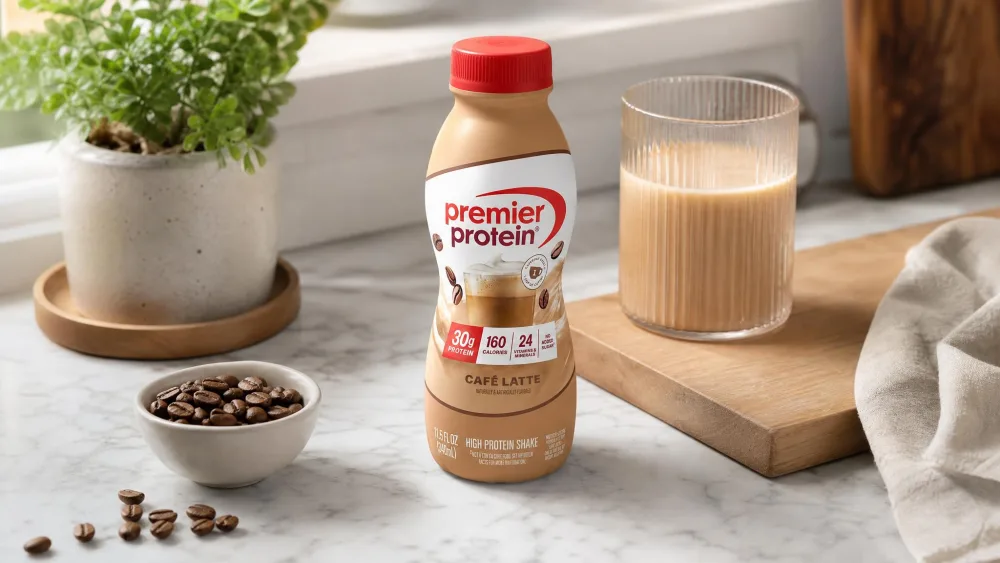
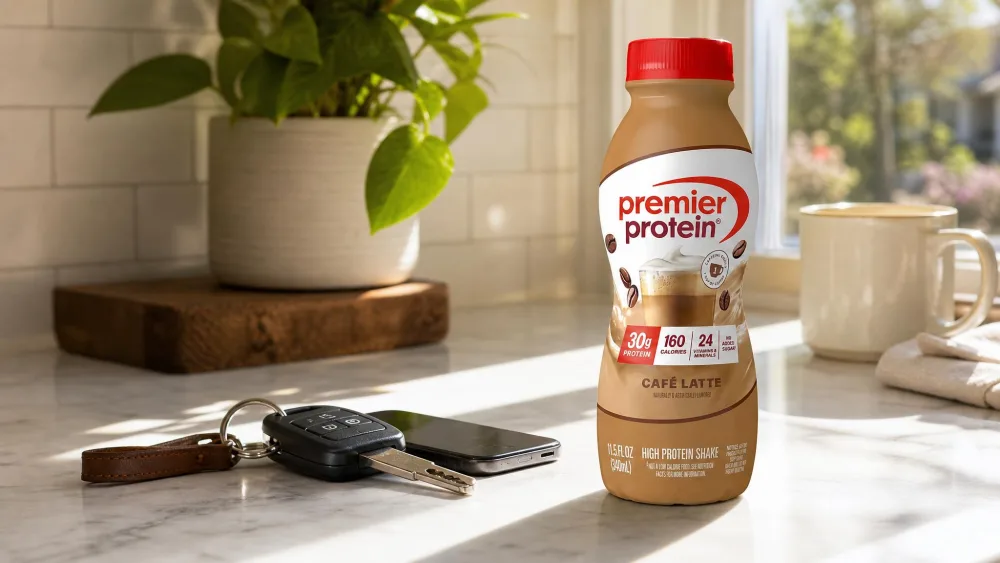
Premier Protein +Energy Cafe Latte is the morning bottle, and it is a different tool than the classic Premier chocolate. It carries 30g of protein, no added sugar, 24 vitamins and minerals, and the caffeine of about 1 cup of coffee. That combination is aimed squarely at anyone who skips breakfast and needs both the protein and the jolt.
It actually tastes like a creamy iced coffee rather than an artificial protein shake, and the one-coffee caffeine hit makes it a real breakfast replacement instead of a mid-morning afterthought. One habit worth adopting: in the plastic bottle it can develop a little consistency issue or "slime" near the neck, so shake it hard and wipe the cap before you drink. Do that and it is one of the easiest wins on this list for coffee people.
Pros
30g protein plus the caffeine of a full coffee
Tastes like a genuine creamy iced latte
No added sugar, 24 vitamins and minerals
Doubles as breakfast and your morning coffee
Cons
Can get a bit of "slime" at the neck if unshaken
Caffeine rules it out later in the day
Coffee flavor is not for everyone
How to Blend a Smoother Protein Shake at Home
Even a great bottle can be better with sixty seconds in a blender, and a thinner shake like OWYN was practically built for it. Blending pulls air into the liquid, breaks up any settled protein, and lets you stretch one bottle into a fuller snack. If you want a dedicated machine for the job, our guide to the best personal blenders for protein shakes covers the compact models that handle this without taking over a counter.
The method is simple. Pour the shake over a small handful of ice, add half a frozen banana or a spoon of nut butter for body, and blend for thirty to forty seconds until it looks glossy. Frozen fruit does double duty here, chilling the shake and thickening it at once, which matters because most of these bottles taste better cold anyway.
The bottle that disappoints poured straight from the fridge is often the one that shines the second you put it over ice and hit blend.
A few habits keep the result smooth. Add liquid before solids so the blades catch, do not over-blend past the point it turns foamy, and if you are using a plant shake, give it a hard shake first to loosen anything that settled. For more machine options tuned to this exact task, see our roundups of the best blenders for protein shakes and the best blenders for smooth, clump-free protein shakes.
Note. A blended shake separates faster than a sealed bottle, so drink it within an hour or two. If you are prepping ahead, blend in the morning and keep it in an insulated cup rather than making it the night before.
FAQ
Are blended protein shakes better than ready-to-drink?
They are not automatically better, just more flexible. A quality ready-to-drink bottle is more convenient and consistent, while blending at home lets you add ice, fruit, or fiber to fix a thin body or stretch one bottle into a fuller snack. Start with a good bottle either way.
How much protein should a shake have?
For most active adults, 20g to 40g per serving covers a snack or post-workout recovery, which is where every pick here lands. If a shake is standing in for a full meal, you also want a real spread of vitamins and minerals, not just a high protein number.
What is the best protein blend for muscle?
Dairy and whey shakes are the most complete and best absorbed, which is why Fairlife and Premier lead our list. Plant blends that combine pea with pumpkin seed and flax, like OWYN, also deliver all nine essential amino acids and work well if you avoid dairy.
Do blended protein shakes have too much sugar?
The good ones do not. Look past the protein number to added sugar and net carbs: Premier runs 1g of sugar and Fairlife 5g, while others vary. Sweetener type also shapes the aftertaste, so if one brand tastes off to you, try a different sweetener before giving up.
Whey vs plant blended protein, which is better?
Whey and dairy shakes are smoother and more complete, so they win on taste for most people. Plant shakes have closed the gap and are the right call if you are dairy-free or managing allergens. If you avoid multiple common food allergens, a top-allergen-free bottle like OWYN is the safer pick.
Can I use these as a meal replacement?
Some, occasionally. Higher-calorie bottles with a full vitamin and mineral spread work as an every-so-often meal stand-in, but most of these run 130 to 180 calories and are better as a snack or post-workout drink than a regular replacement for real food.
Final Thoughts
If you want one bottle to buy without overthinking it, make it Fairlife Core Power chocolate. It is the only shake here that genuinely drinks like chocolate milk, it sits well on sensitive stomachs, and 26g of protein for 170 calories is an easy daily habit. The higher per-serving price is the trade, and for most people it is worth it.
That said, the best pick depends on the job. Premier Protein chocolate is the value workhorse at about $2.23 a bottle, Pure Protein squeezes 30g out of the lowest price, and the Premier +Energy latte earns its spot only for coffee drinkers who want breakfast and caffeine in one bottle. Match the label to the moment, keep chocolate as your safe first buy, and you will not waste money on a case you cannot finish.