
Recipes
17 Blended Soups Plus How to Make Them Silky

As an Amazon Associate we earn from qualifying purchases. We may earn a commission from links on this page, at no extra cost to you. Learn more.
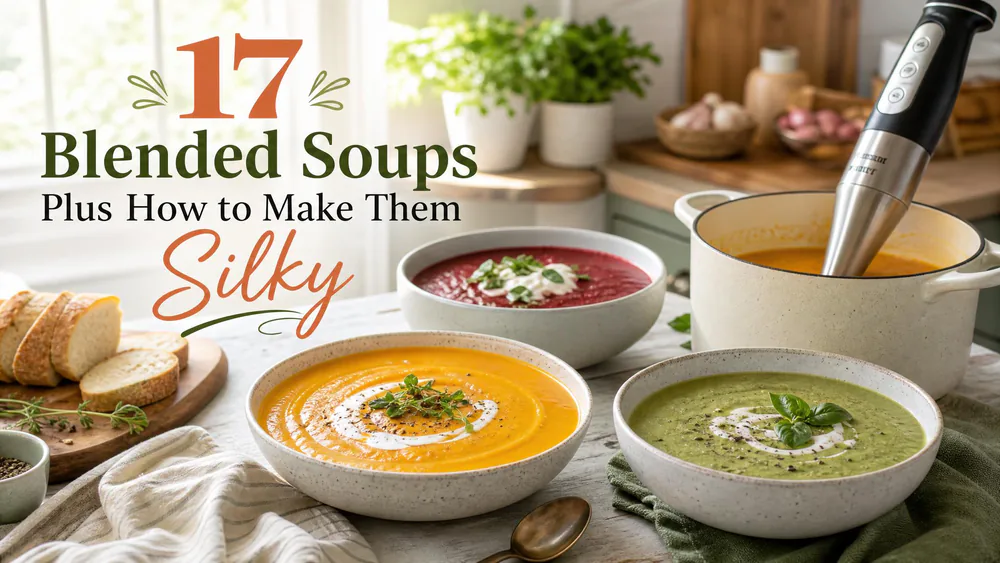
A blended soup is just what it sounds like: vegetables and broth simmered soft, then whirled smooth into one silky, spoon-coating bowl. That single step turns humble produce into comfort food, and it is an easy way to eat more vegetables.
We love blended soups because they reward almost any cook. You roast or simmer, you blend, and you have a velvety dinner from just a pot, a blender, and a handful of ingredients.
In our test kitchen we batch-cook these bowls all week, so we know which ones stay creamy, which freeze well, and how to get every one glass-smooth. Here are 17 favorites, plus the technique that makes them silky.
Blended Soup Styles at a Glance
Not sure where to start? This table maps the most popular styles by base, texture, and the nights they suit.
| Soup style | Base ingredient | Texture | Best for |
|---|---|---|---|
| Roasted Tomato Basil | Roasted tomatoes + basil | Smooth, bright | Grilled-cheese nights, batch-cooking |
| Carrot Ginger | Carrots + fresh ginger | Silky, lightly spicy | Light lunch, dairy-free |
| Creamy Broccoli | Broccoli plus potato or cashew | Velvety | Kid-friendly veg boost |
| Broccoli Cheddar | Broccoli + cheddar | Rich, thick | Cozy comfort bowl |
| Cauliflower Curry Coconut | Cauliflower + coconut milk + curry | Creamy, warm-spiced | Dairy-free, freezer meals |
| Potato Leek | Potato + leek | Thick, plush | Make-ahead, hot or chilled |
| Butternut Squash and Sage | Butternut squash + sage | Smooth, sweet | Fall and winter, freezes well |
| Classic Gazpacho | Raw tomato + cucumber + pepper | Smooth, cold | Summer, no-cook |
What Makes a Great Blended Soup
A great blended soup balances bold flavor with a smooth, uniform body. Get those two things right and almost any vegetable can carry a bowl.
Build Flavor Before You Add Liquid
Flavor starts in the pot, not the blender. We sweat onions, garlic, and aromatics in oil until soft. For tomatoes, squash, and red peppers, roasting first deepens flavor and adds a natural sweetness you cannot get from simmering alone.
Season in layers as you go. A pinch of salt early draws out moisture and concentrates flavor.
Tip. Toast whole spices, like cumin or curry powder, in the oil for thirty seconds before adding vegetables. It perfumes the whole pot.
Control Thickness With Base-to-Liquid Ratios
Texture is mostly a ratio. More vegetable and starch to less liquid gives a thick, plush bowl; more broth thins it toward a sippable soup. Start with less liquid than you think, since you can always blend in more.
Starchy add-ins do the heavy lifting. Blending a scoop of cooked potato, white beans, or cashews thickens soup to a creamy body without any dairy.
Finish for Contrast and Texture
An all-smooth bowl can feel monotonous by the last spoonful. A finishing swirl of contrast fixes that fast: crunchy croutons, toasted seeds, or a drizzle of oil or yogurt to give each bite something to push against.
The 17 Best Blended Soups to Make Tonight
These are the bowls we come back to. Each one blends smooth, scales up for batch-cooking, and suits cozy weeknights. Prep and cook times vary by the recipe you follow.
Roasted Tomato Basil
Roasting the tomatoes first is the secret. It concentrates their sweetness into a rich, jammy depth. Blended with fresh basil, it turns silky and bright, made for grilled-cheese nights.
Carrot Ginger
Sweet carrots and sharp ginger make a soup that tastes light but satisfying. It blends beautifully smooth and needs no cream. We keep it dairy-free with a splash of coconut milk.
Creamy Broccoli
This is our go-to for sneaking more greens onto the table. Broccoli blends velvety when you add a little cooked potato or a handful of cashews for body.
Broccoli Cheddar
The cozy comfort bowl everyone asks for. Sharp cheddar melted into blended broccoli gives a rich, thick soup that clings to the spoon. Blend the broccoli first, then stir in cheese off the heat.
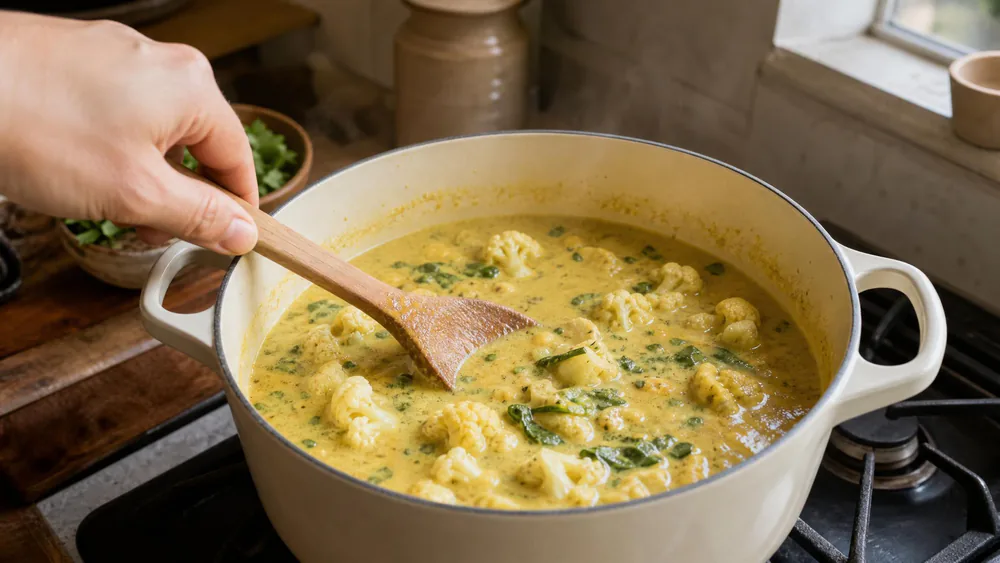
Cauliflower Curry Coconut
Mild cauliflower turns creamy and warm-spiced with curry and coconut milk. It is naturally dairy-free and freezes cleanly, so we make a double batch.
Potato Leek
A classic for good reason. Potatoes and gentle leeks blend into a thick, plush soup that works hot in winter or chilled in summer.
Butternut Squash and Sage
Our favorite fall and winter bowl. Roasted butternut squash blends smooth and sweet, and earthy sage keeps it from tasting one-note. It freezes especially well.
Red Lentil Masala
Red lentils cook down soft into a hearty, protein-rich base. Warm masala spices make it cozy and deeply flavored, filling enough to be dinner on its own.
Roasted Red Pepper
Sweet roasted red peppers blend into a smooth, glossy soup with a gentle smoky edge. A little garlic and a splash of cashew give it body without feeling heavy.
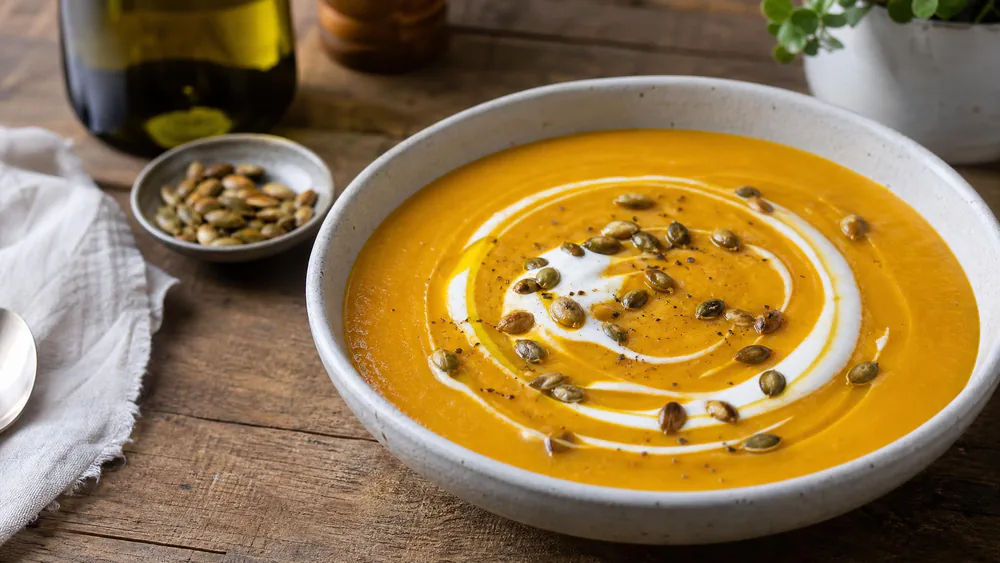
Spiced Pumpkin
Not just for dessert flavors. Blended pumpkin makes a silky, wholesome bowl when you lean savory with warm spices and good broth. A swirl of yogurt balances the sweetness.
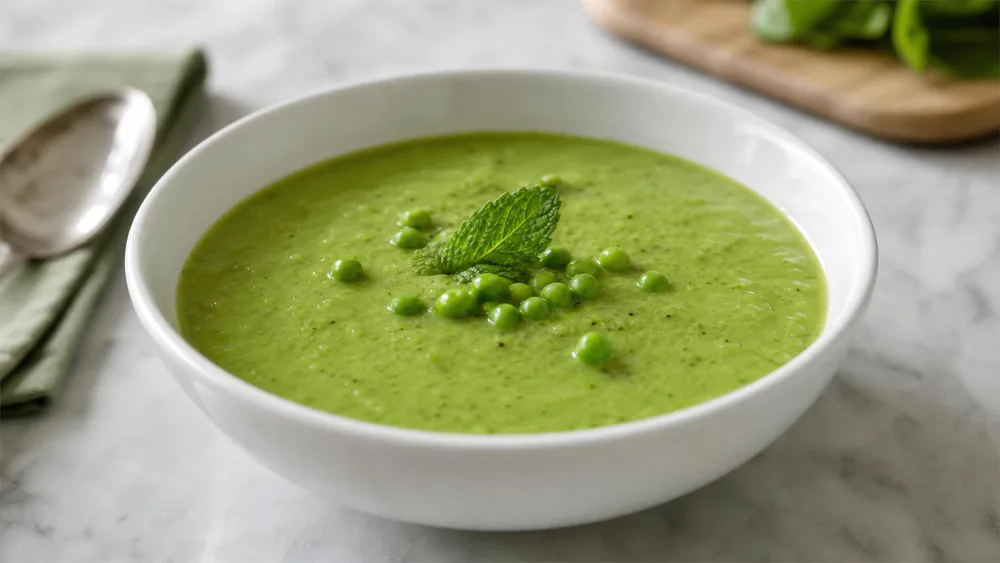
Pea and Mint
Bright, fresh, and ready fast. Sweet peas and mint blend into a vivid green soup that tastes like spring, lovely warm or lightly chilled.
Sweet Potato and Coconut
Sweet potato blends thick and naturally sweet, and coconut milk makes it creamy and dairy-free. A little lime or chili keeps it from tasting too sweet.
Mushroom Thyme
Earthy and grown-up, this skips the canned version entirely. Blending part of the mushrooms and leaving some chopped gives depth and body, and cashews make it creamy without dairy.
Creamy Corn
Sweet corn blends into a smooth, sunny soup that tastes like late summer. Blend most of it silky, then stir in a few whole kernels for texture, perfect for picky eaters.
Spinach and White Bean
White beans blend into a creamy, protein-packed base, and spinach turns it a fresh green. It is hearty, nutritious, and a weeknight workhorse in our kitchen.
Chilled Cucumber
A cool, no-cook option for hot days. Blended cucumber with yogurt and herbs makes a light, refreshing bowl, served cold straight from the blender.
Classic Gazpacho
The original cold blended soup. Raw tomato, cucumber, and pepper blend into a smooth, bright bowl that needs no cooking, our go-to when it is too hot for the stove.
Nutrition and Smarter Seasoning
Blended soups are an easy way to eat more vegetables, and homemade gives you full control over salt. Average American sodium intake runs about 3,400 mg a day, well above what most of us need.
The American Heart Association's recommended daily sodium limits put the general ceiling at no more than 2,300 mg a day, with an ideal limit of no more than 1,500 mg for most adults. Starting from low-sodium or no-salt-added broth lets you season to taste and still land well under those numbers.
To boost nutrition, blend in white beans or lentils for protein and fiber, or a handful of spinach that disappears completely.
Note. A squeeze of lemon or a splash of vinegar at the end brightens a soup so you need less salt to make it taste finished.
Blended Soups That Freeze and Reheat Well
Not every blended soup freezes equally. In our kitchen, cashew- and coconut-based creamy soups freeze, thaw, and reheat cleanly, while dairy-cream blends can separate or turn grainy after freezing.
The best freezers are the ones we batch on Sundays: butternut squash, cauliflower curry coconut, and red lentil masala. Frozen soup keeps well about 3 to 4 months for best quality.
Tools You Need for Silky Blended Soup
You do not need much to make a smooth bowl, but the right blender makes it faster and safer.
Countertop vs Immersion Blender
An immersion blender pureed right in the pot skips the transfer, avoids splatter and heat loss, and gets soup silky in under about 90 seconds. It is our default for weeknight speed and easy cleanup.
A countertop blender pulls a finer, more velvety texture than an immersion blender, but only if you fill below the max line and blend in batches. When we want the silkiest possible bowl, that is the tool we reach for. Think of it as a trade-off between convenience and ultimate smoothness.
Blending Hot Liquids Safely
This is the one step people rush, and it can burn you. Transferring hot soup to a countertop jar and blending in a sealed jar builds steam pressure that can blow the lid off and scald you. Always vent the lid and hold a folded towel over the top.
Warning. Never fill a blender jar past the max line with hot soup, and remove the center cap to let steam escape. Work in small batches and hold a towel over the lid.
Make-Ahead, Storage, and Reheating Tips
Blended soups are built for making ahead. We cool them fully, then follow simple food-safety rules.
Refrigerate cooked soup within 2 hours of cooking. Once chilled, leftover soup keeps 3 to 4 days in the refrigerator, according to USDA safe storage times for leftover soup. Cream- or milk-based blends tend to keep a shorter window, so use those first.
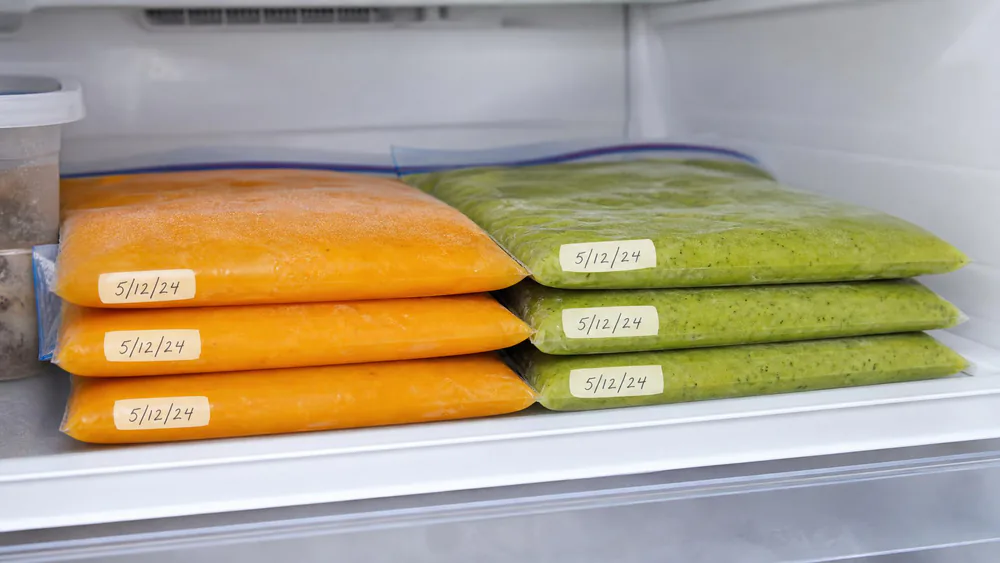
For longer storage, freeze. Frozen blended soup can be reheated without thawing, straight to a saucepan or microwave. Cooling soup fully and freezing it flat in a labeled bag saves freezer space and thaws faster for a weeknight bowl.
When you reheat, get it hot enough to be safe. Reheat leftover soup to 165 F, bringing soups and broths to a rolling boil before serving.
Garnishes and Toppings to Finish Your Soup
Toppings are where a smooth bowl earns its keep, adding crunch, color, and a fresh note. A few we keep on hand:
- Crunchy croutons or toasted bread
- Toasted pumpkin or sunflower seeds
- A drizzle of good olive oil or chili oil
- A swirl of yogurt, cream, or coconut milk
- Fresh herbs, such as basil, cilantro, or chives
- A pinch of flaky salt and cracked pepper
Mix textures on purpose: one creamy swirl plus one crunchy topping keeps every spoonful interesting.
Ingredient Swaps for Dairy-Free, Gluten-Free, and Extra Protein
The best thing about blended soups is how forgiving they are. Most swaps happen right in the blender.
- Dairy-free creaminess: blend in cashews, coconut milk, or cooked potato instead of cream.
- Gluten-free thickening: skip the flour roux and lean on potato, beans, or the vegetables themselves.
- Extra protein: blend in white beans, red lentils, or a scoop of silken tofu.
- Lower sodium: start with no-salt-added broth and season at the end.
Tip. Cashews give the most neutral, velvety body of any dairy-free option. Soak them in hot water for ten minutes first if your blender is not high-powered.
Troubleshooting: Too Thick, Too Thin, or Bland
Even a simple soup can go sideways. Here is how we rescue the three most common problems.
Too thick? Blend in warm broth a splash at a time until it flows off the spoon. Adding it warm keeps the soup hot and smooth.
Too thin? Simmer uncovered to reduce, or blend in a scoop of cooked potato or beans for instant body.
Tasting flat? It usually needs salt or acid, not more spice. Add a pinch of salt, then a squeeze of lemon, and taste again.
One texture problem blending cannot fix: when soup cools during a slow transfer, the starches firm up and fats congeal, leaving a faint grittiness. Keep it hot when you puree.
Frequently Asked Questions
What's the difference between blended and pureed soup?
They are nearly the same thing. Both are cooked, then blended smooth. "Pureed" implies a fully uniform, silky texture, while "blended" can range from partly chunky to glass-smooth depending on how long you run the blender.
Immersion or countertop blender for soup?
An immersion blender is faster and safer because you puree right in the pot. A countertop blender pulls a finer, more velvety texture, but you must vent the lid and blend in batches.
How do I make blended soup creamy without dairy?
Blend in a scoop of cooked potato, white beans, or a handful of cashews for a creamy body. Coconut milk also adds richness and works well in curried and sweet-potato soups.
Can you freeze and reheat blended soups?
Yes. Broth-based and plant-creamy soups freeze best and keep about 3 to 4 months. You can reheat them without thawing, straight to a saucepan or microwave. Dairy-cream blends can separate, so freeze those with care.
How do I thicken or thin a blended soup?
To thicken, blend in cooked potato or beans, or simmer to reduce. To thin, blend in warm broth a splash at a time.
How long can I keep blended soup in the fridge?
Refrigerate it within 2 hours of cooking, and use it within 3 to 4 days. Reheat to a rolling boil, or 165 F, before serving.
Read next
Ready to blend your next bowl?
Pick a soup, grab your blender, and have something silky and warm on the table tonight.