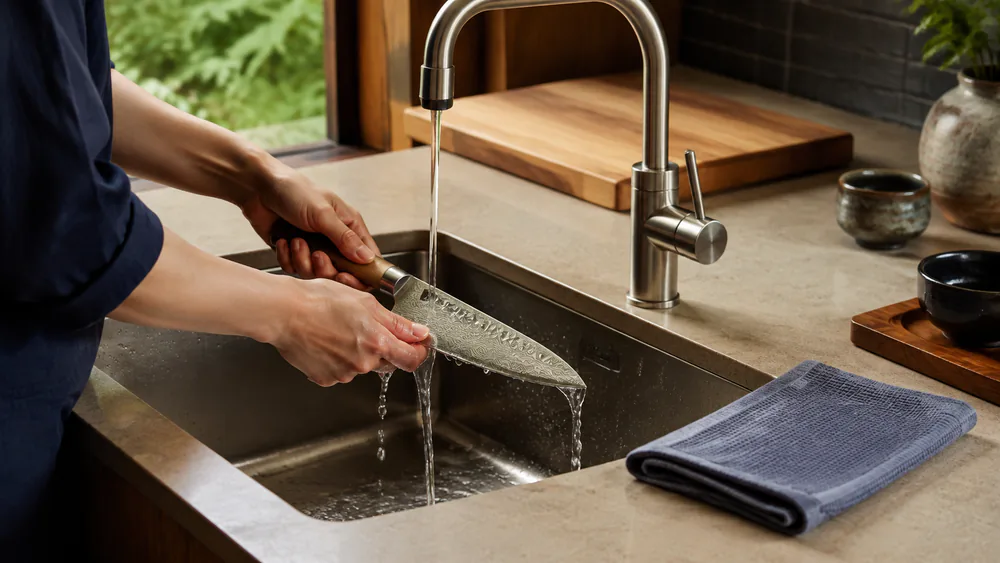
Four decisions separate a knife you reach for from a knife you resent: steel, handle, bevel, and budget. Here is what each one means in practice.
Steel Type: VG-10, VG-MAX, AUS-10, and High-Carbon Explained
VG-10 is the stainless workhorse of the category: roughly 1% carbon and 15% chromium, plus molybdenum, vanadium, and cobalt. It holds a sharp edge well, resists rust, and suits home kitchens. Its one quirk is that it can feel glassy on a whetstone, which matters only if you hate sharpening.
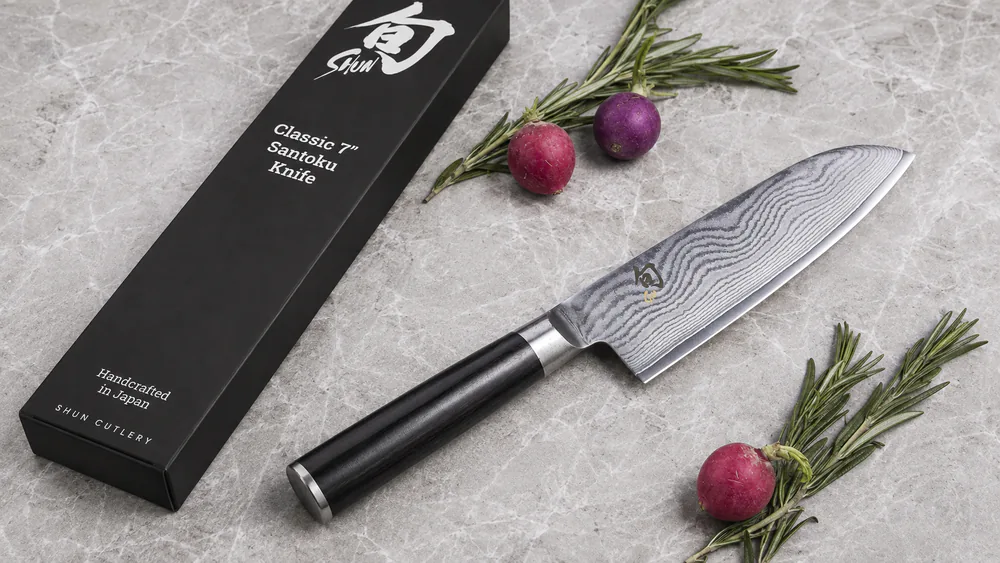
Shun's VG-MAX adds tungsten and cobalt to that chemistry for higher hardness and wear resistance, landing around 60-61 HRC. AUS-10 is a similar stainless grade with the same rust resistance, and it is the smart choice when a good price comes with it.
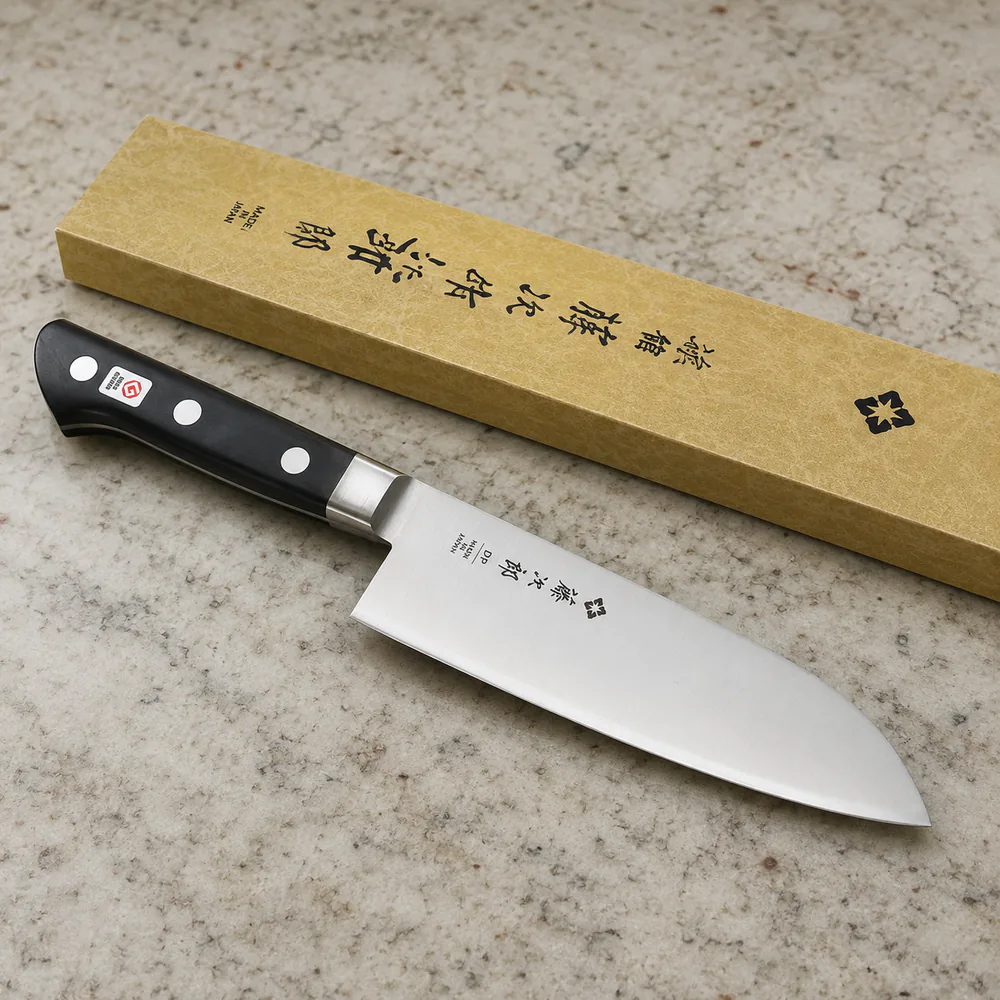
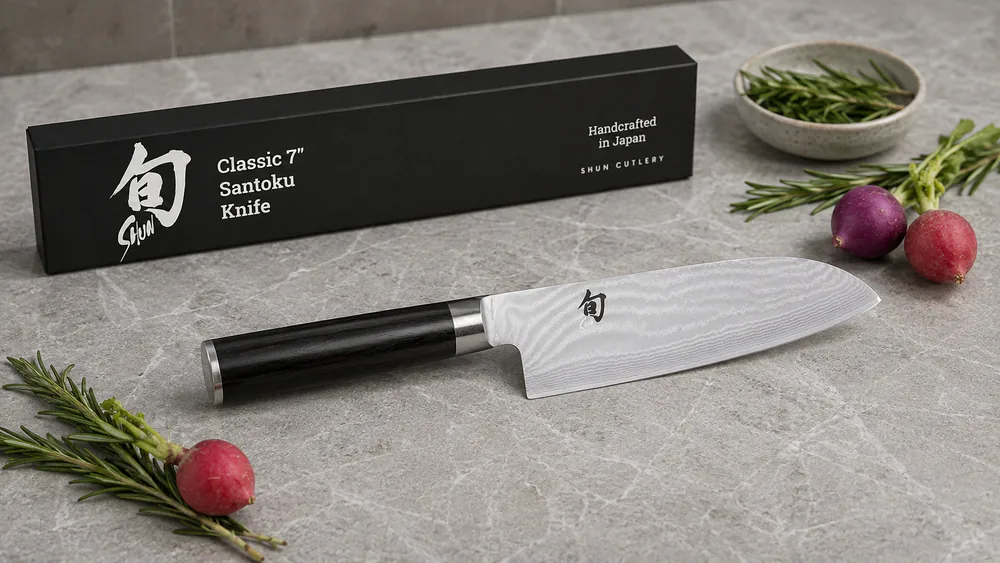
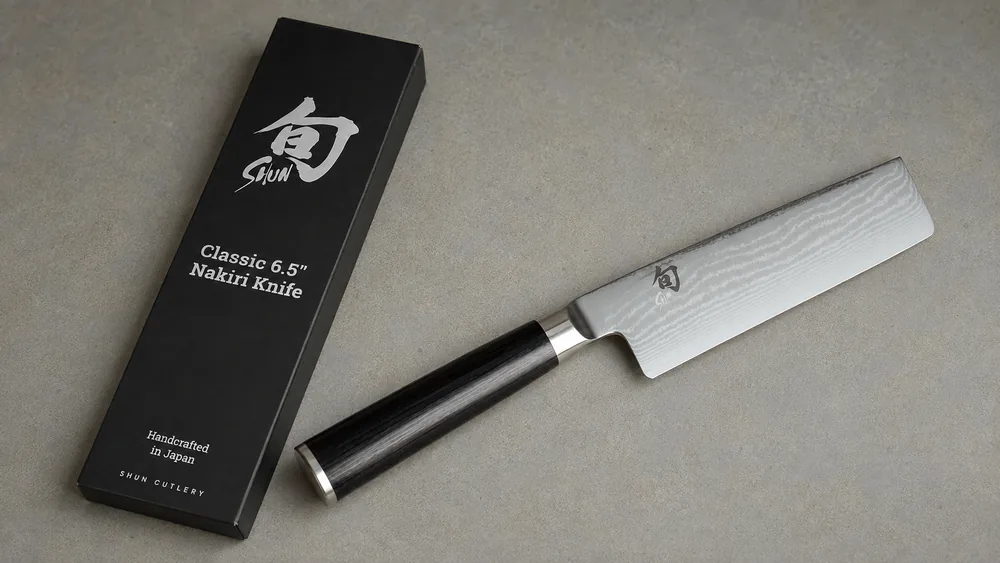
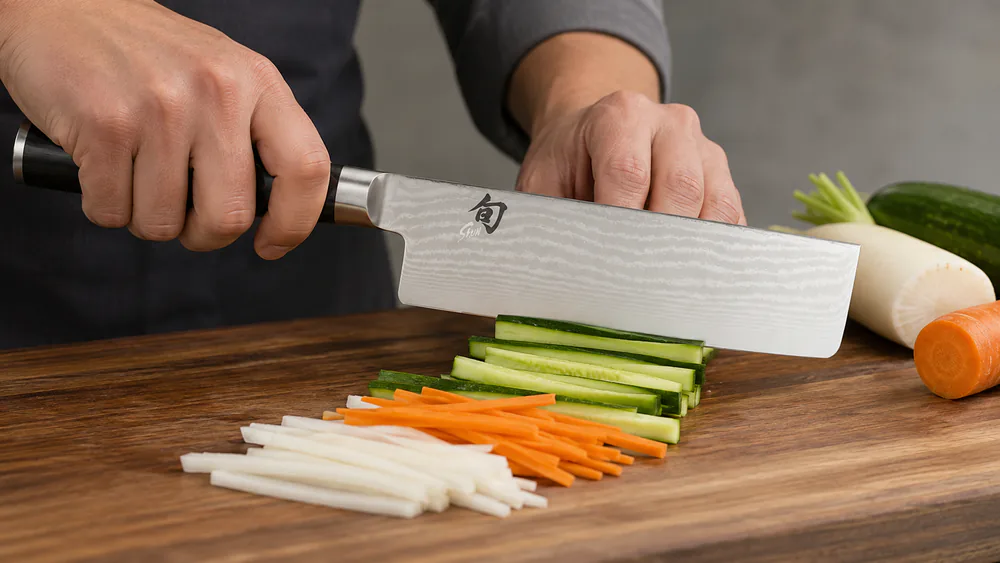
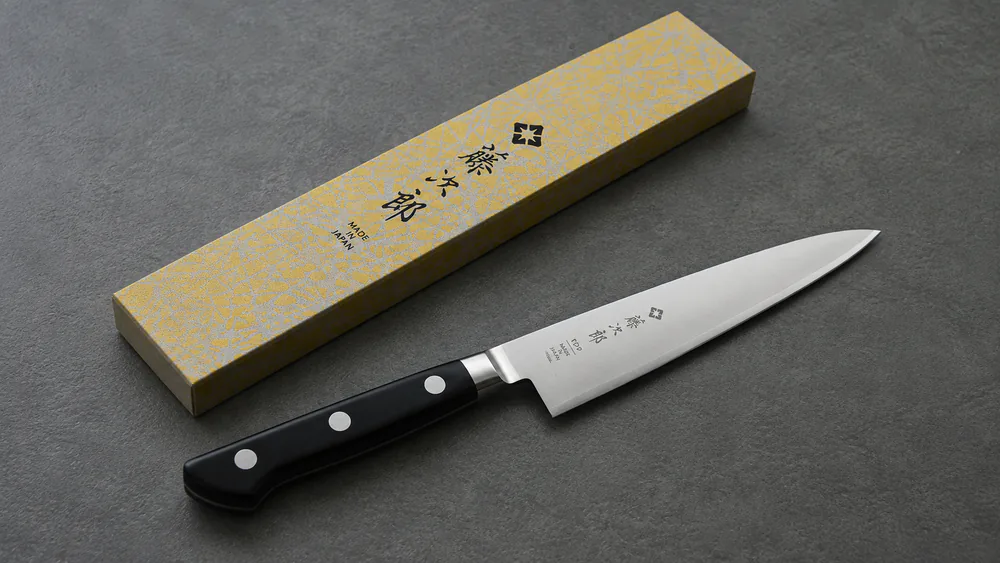
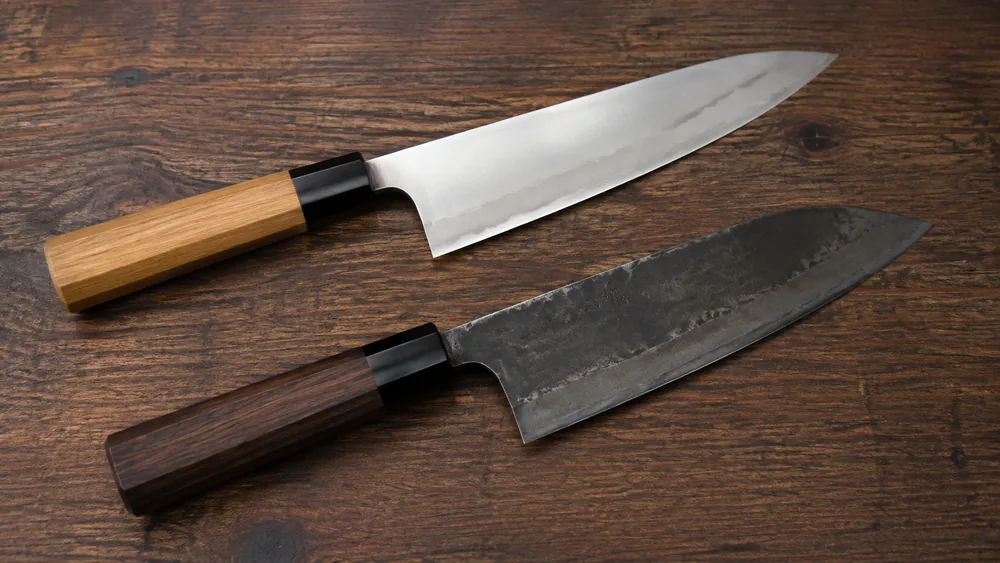
High-carbon steels, the white and blue steels of traditional Japanese blades, take a sharper edge than any stainless grade, but they stain and rust quickly without disciplined care. For a home kitchen, stainless wins. Damascus and san-mai are construction styles, not steels: san-mai wraps a hard core in stainless cladding, as the Tojiro line does, and Damascus layers produce the wavy pattern you see on Shun blades.
Handle Style: Wa vs. Western
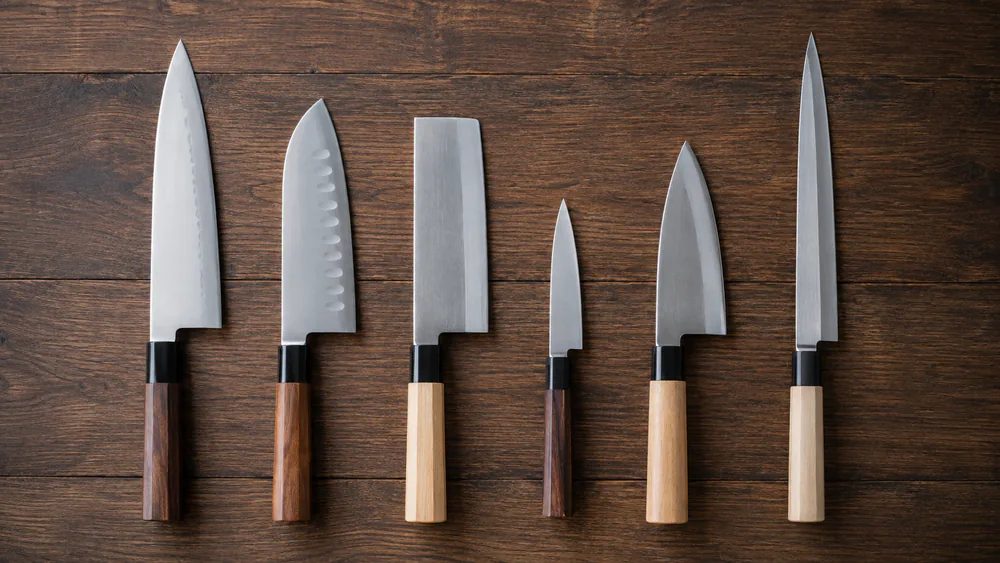
Wa handles are the traditional Japanese style: octagonal or D-shaped wood, friction-fit over a hidden tang, and built for a pinch grip. They are light and precise, and the history of the style runs back through generations of knife makers and their customers.
Both work. If you pinch the blade near the heel, a wa handle rewards you; if you wrap your whole hand around it, a western grip suits you better.
Bevel: Single vs. Double
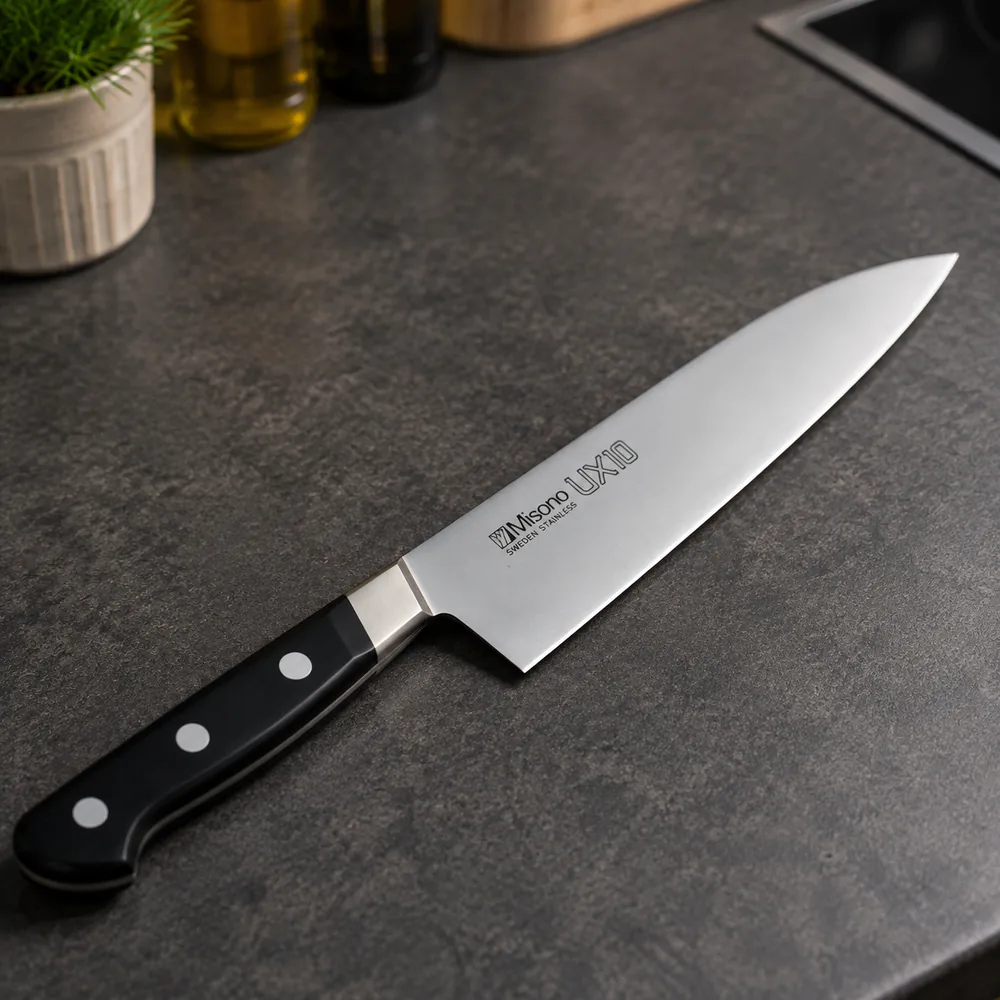
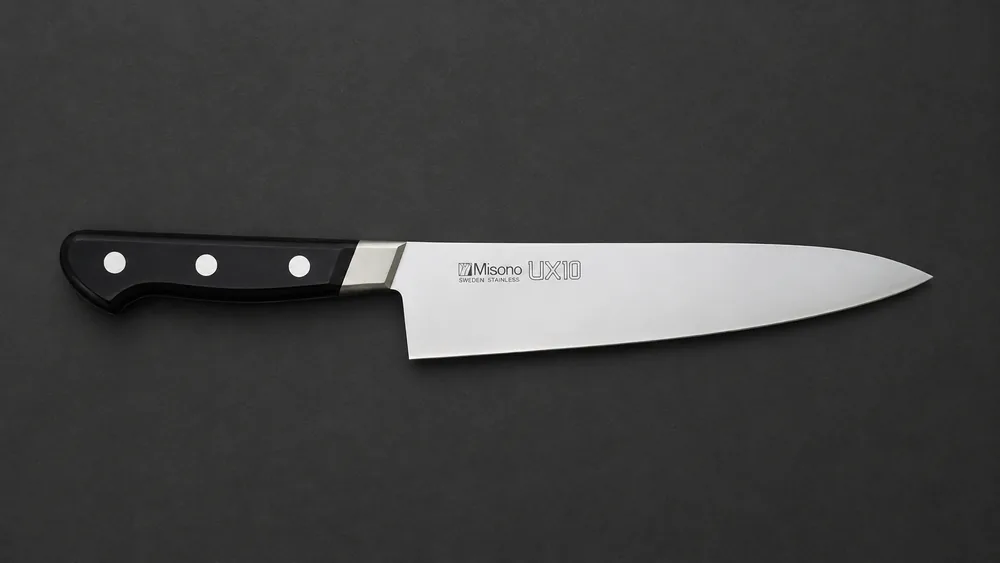
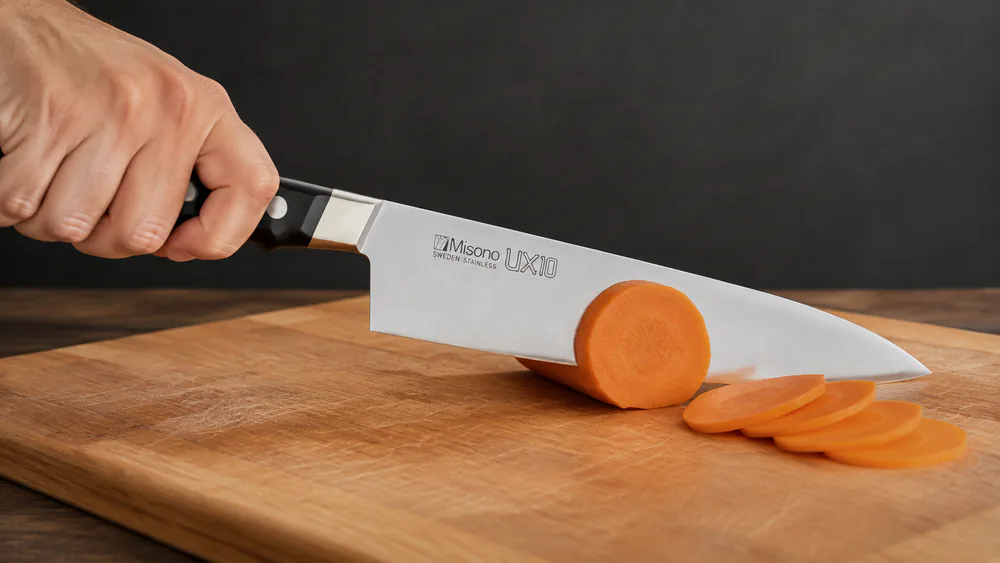
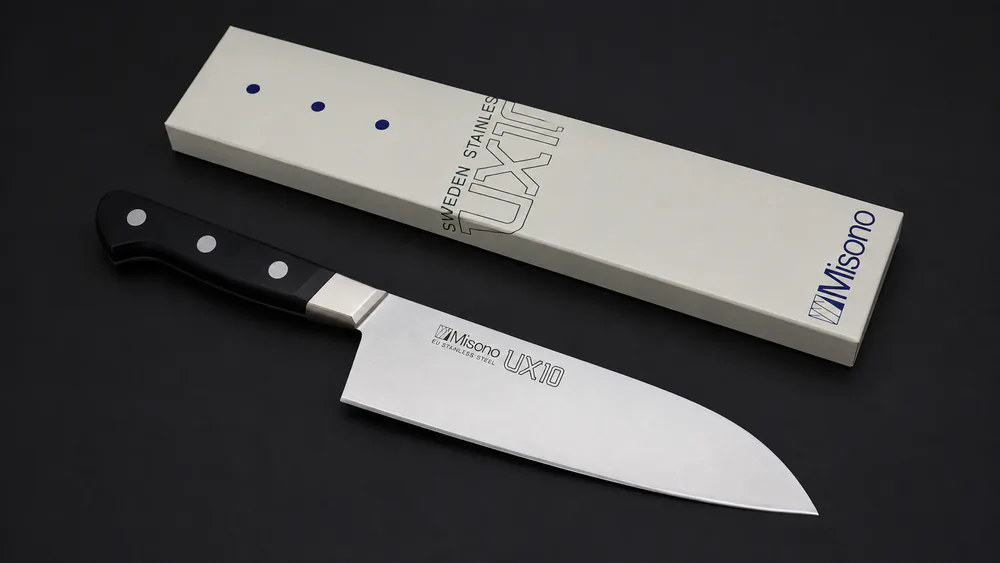
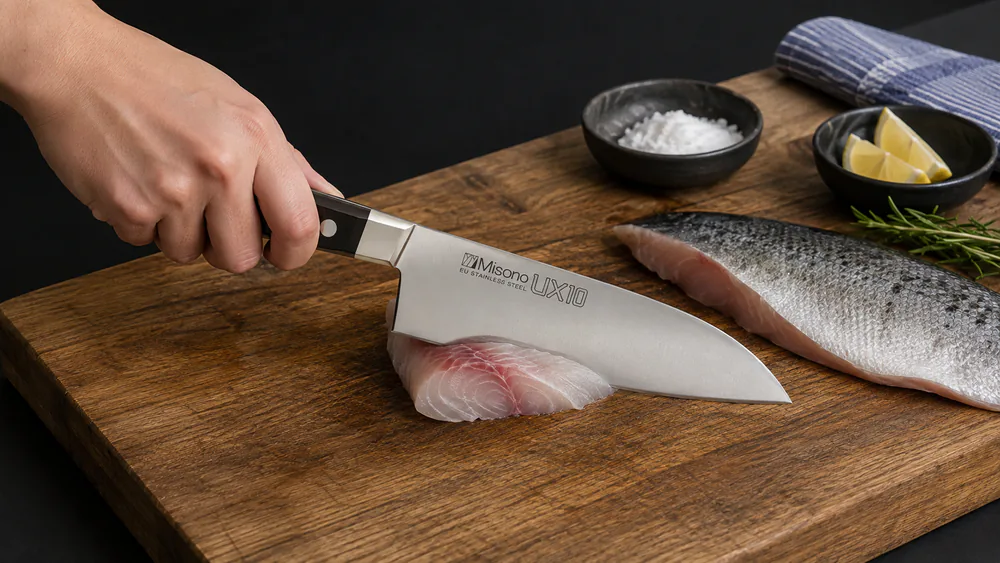
Traditional single-bevel blades, called kataba, cut sharper than anything else, and they are also harder to use and harder to sharpen, with a right-hand bias baked into the geometry. Double-bevel blades, called ryoba, are the home cook's answer. Some makers split the difference with an asymmetric 70/30 edge that favors the right hand, like the Misono gyuto, and most of those lines sell left-handed versions.
Budget Tiers: Under $100, $100-$200, $200+ (incl. knife-set note)
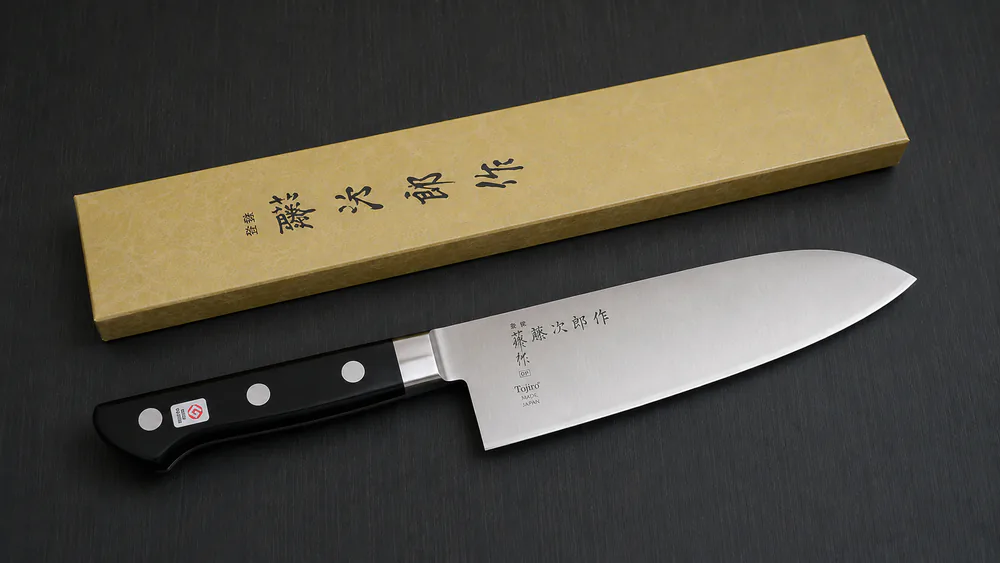
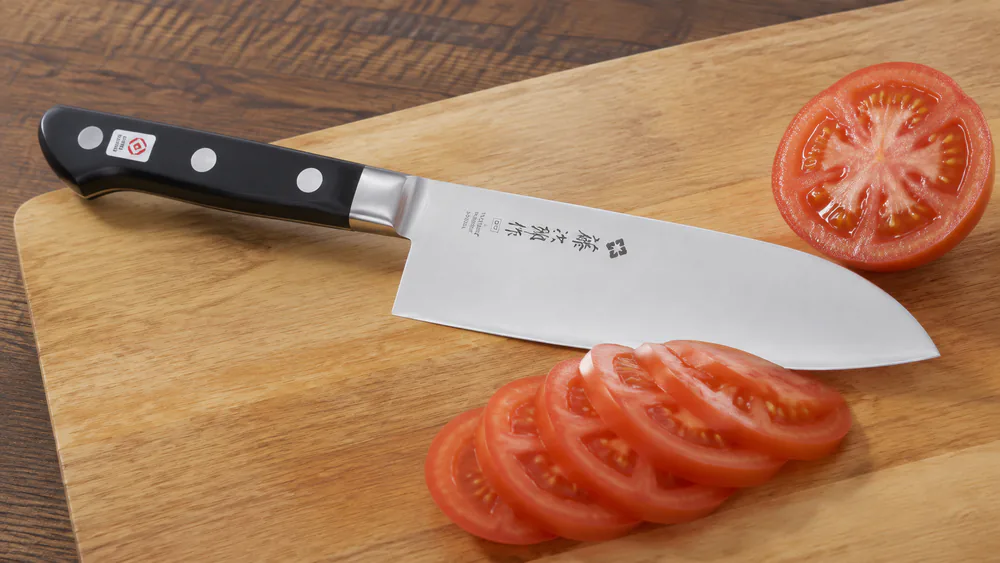
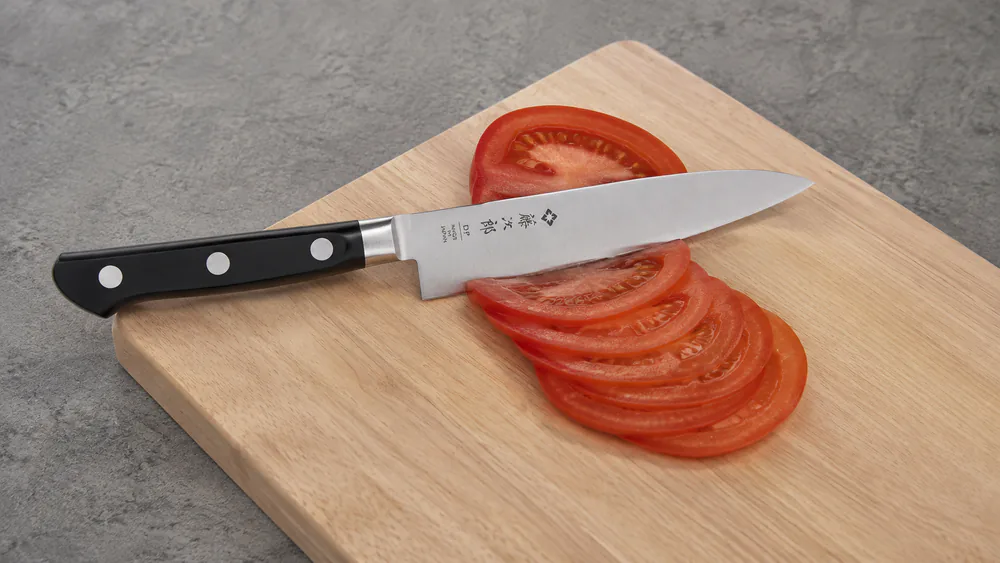
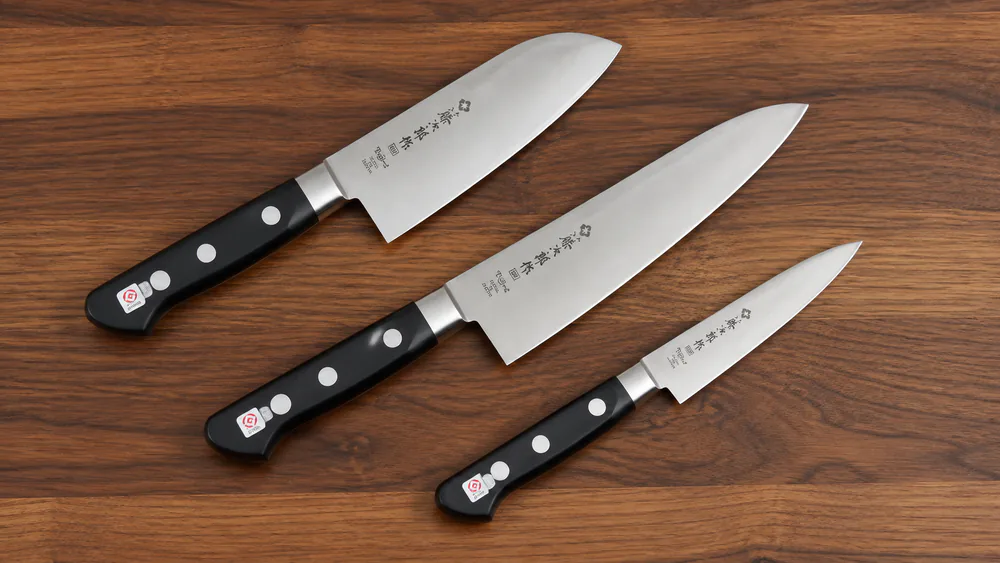
Under $100 is not a compromise tier anymore. The Tojiro DP Santoku at about $85 leads it, and the Tojiro DP Gyuto 210mm, the usual best-Japanese-knife-under-$100 pick, runs $70-$119 depending on the retailer. The Tojiro DP Nakiri 165mm sits around $65-$75 for vegetable-focused cooks. Note that the DP line is being renamed TOJIRO CLASSIC, with no change to the knives.
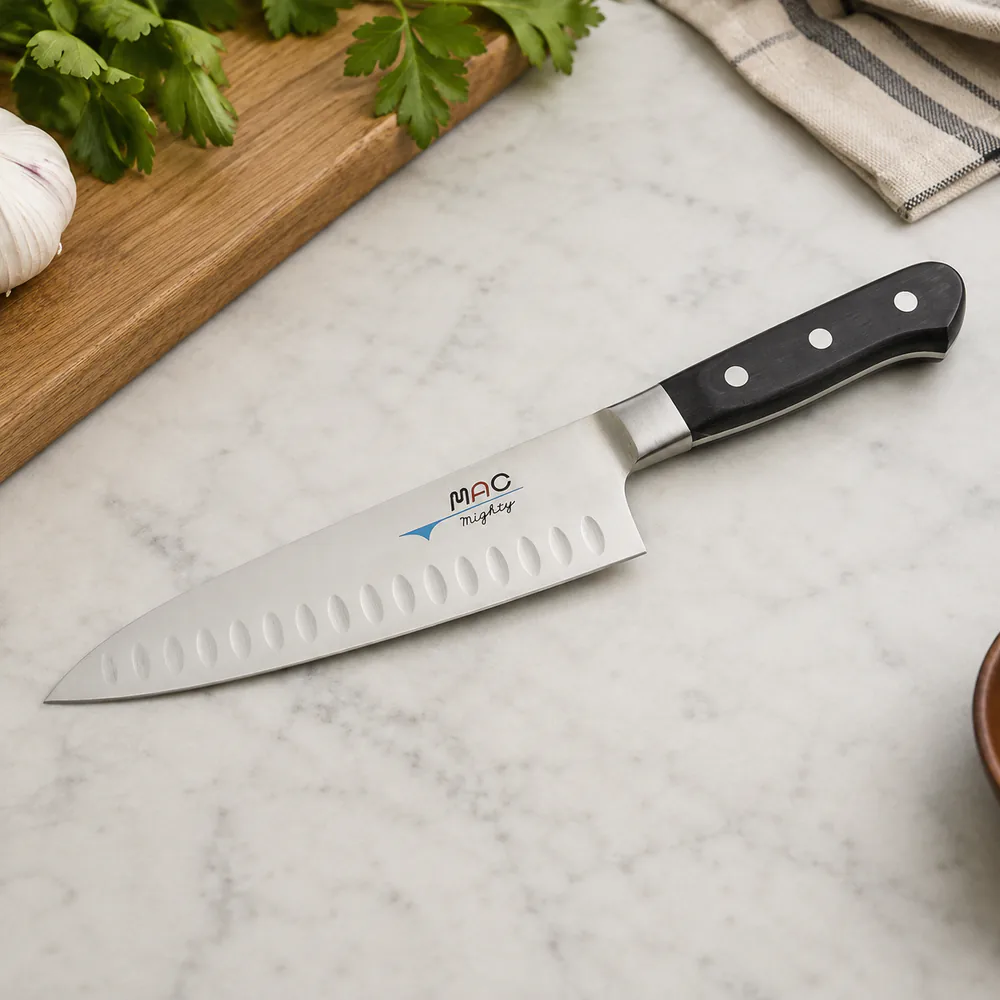
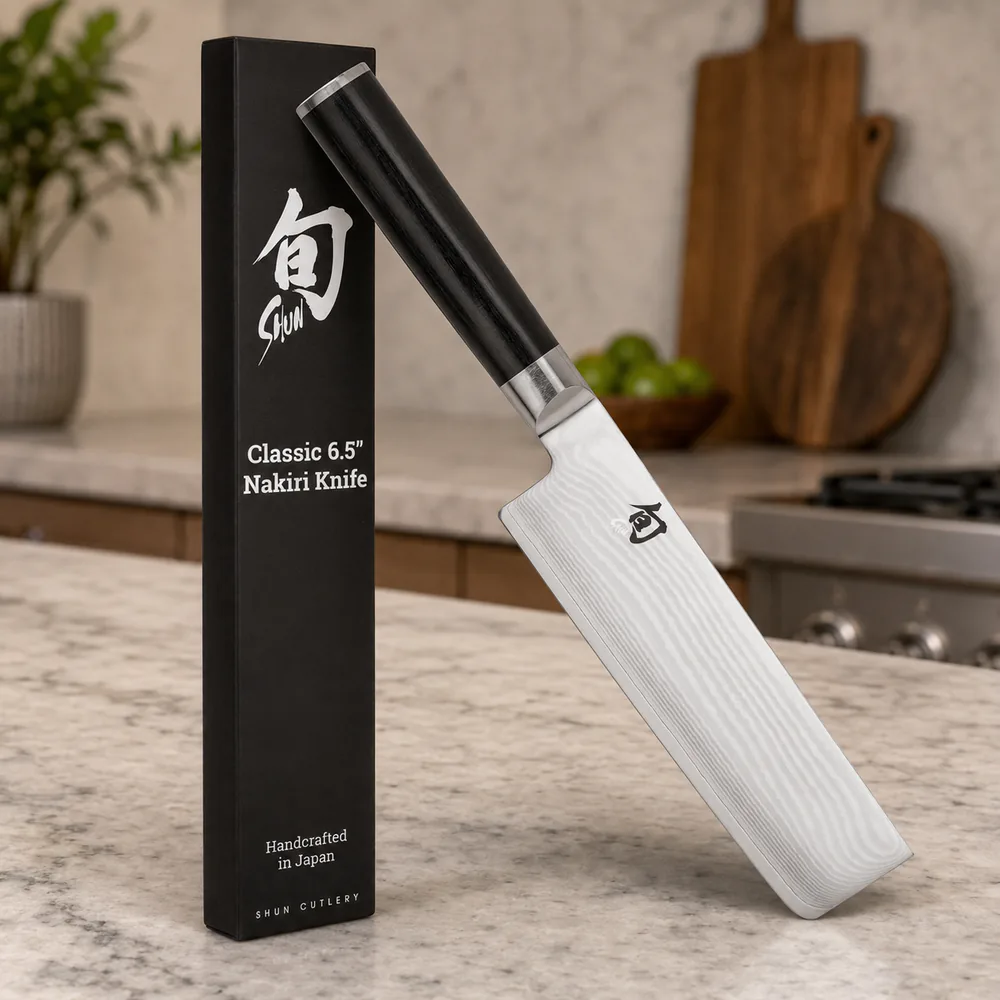
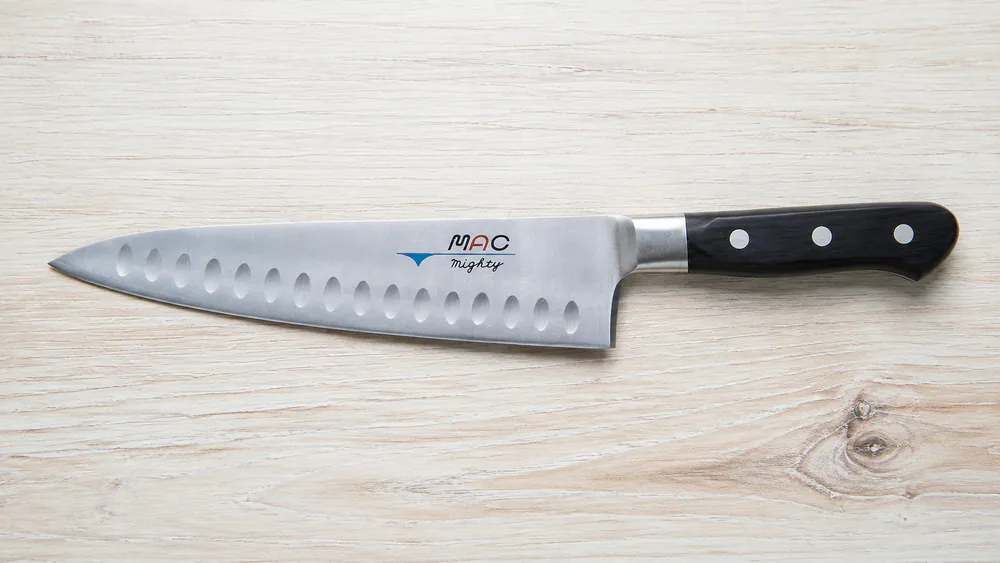
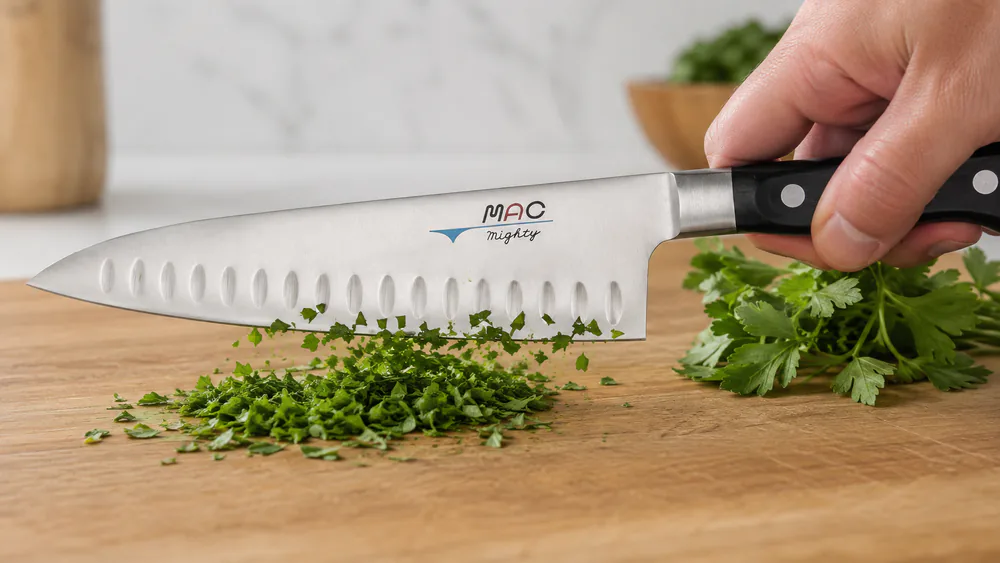
From $100 to $200, the MAC MTH-80 at about $145-$155 and the Shun Classic Nakiri at about $124 are the sweet spots, and they add longer edge life and better fit and finish.
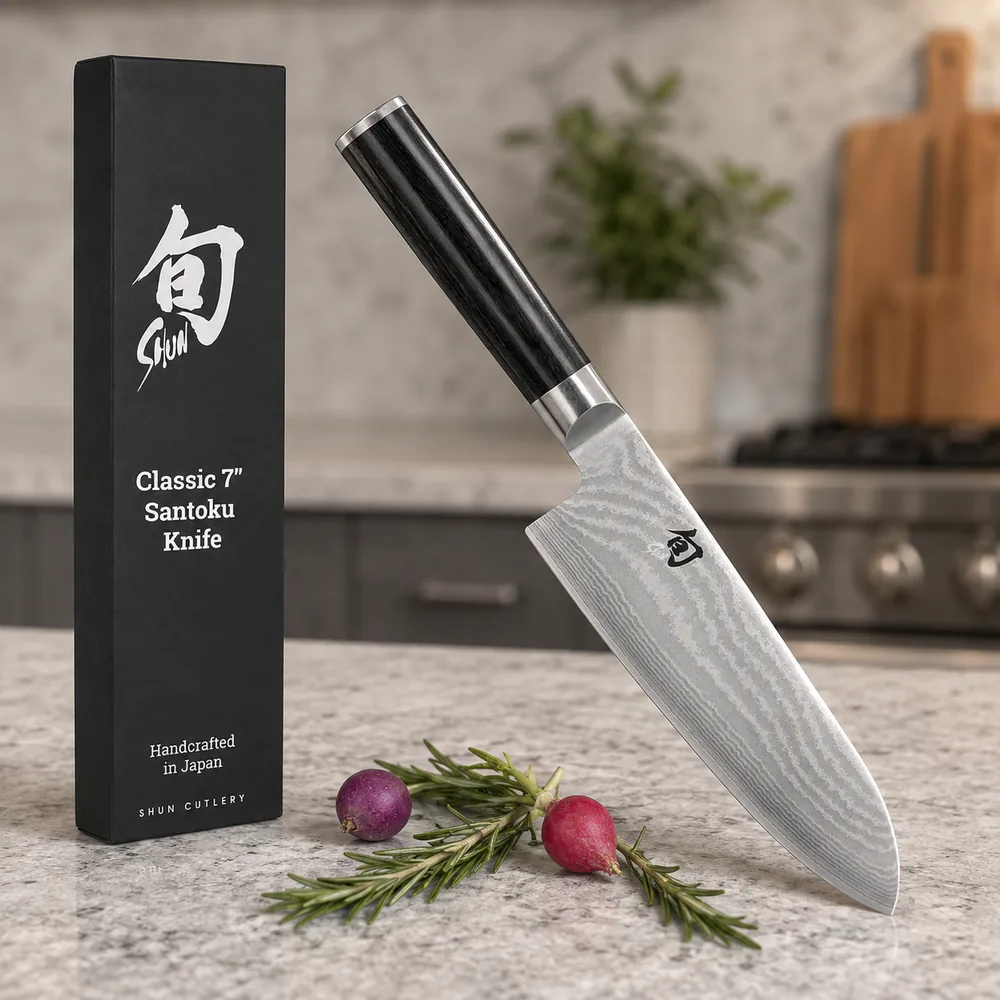
Above $200, you are paying for steel, not decoration. The Misono UX10 Santoku runs $226-$290 and the gyuto $180-$235, and both repay the price with edge life measured in months. The Shun Classic Santoku can reach about $250 before a sale.
Knife sets are tempting, but for Japanese steel we usually steer you to buy one good knife first. A set spreads the budget across blades you rarely touch, and the knife you use every night matters more than the block on the counter. If you do want one, look for a gyuto, a petty, and a nakiri.
Where to buy: the big marketplaces carry every pick in this guide, and specialty importers like Hocho Knife stock the full Tojiro and Misono lines when you want the entire catalog.