Motor Power Requirements
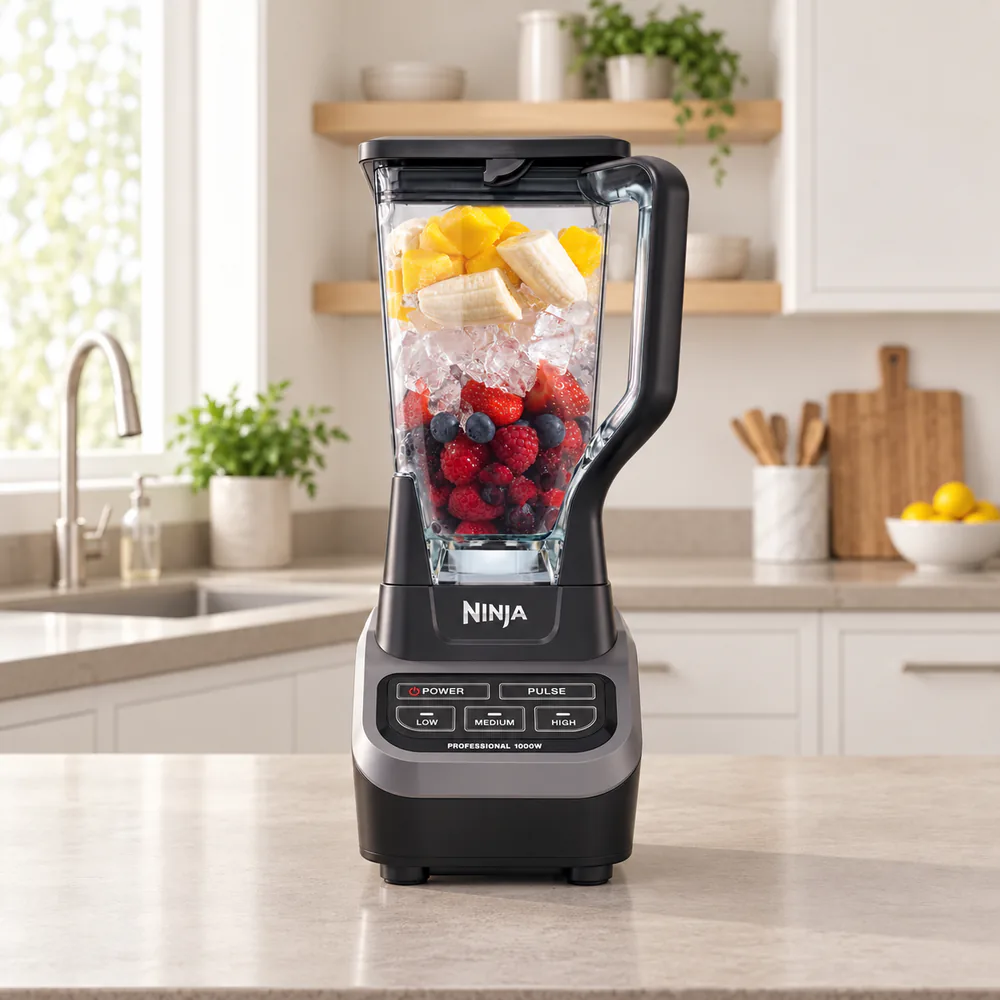
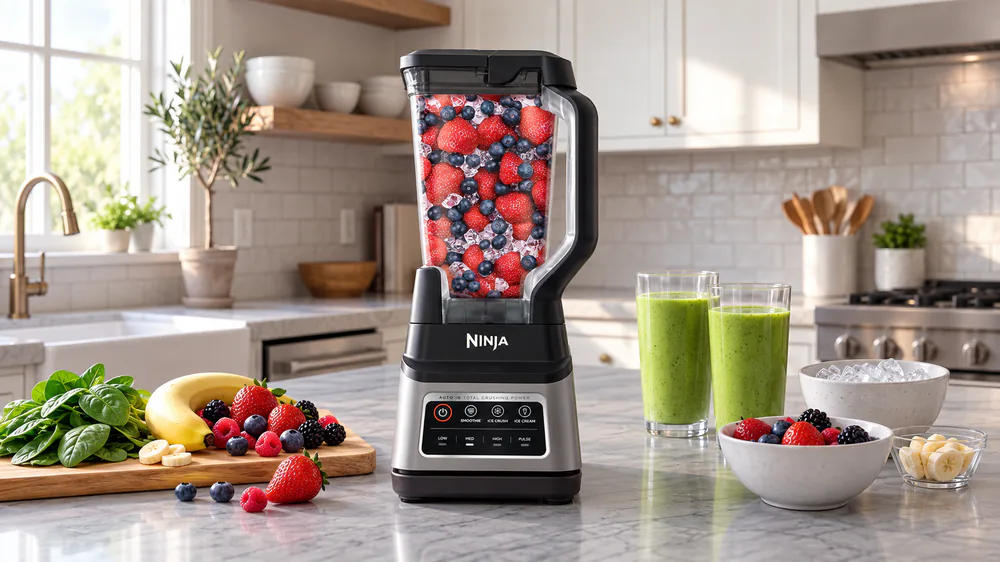
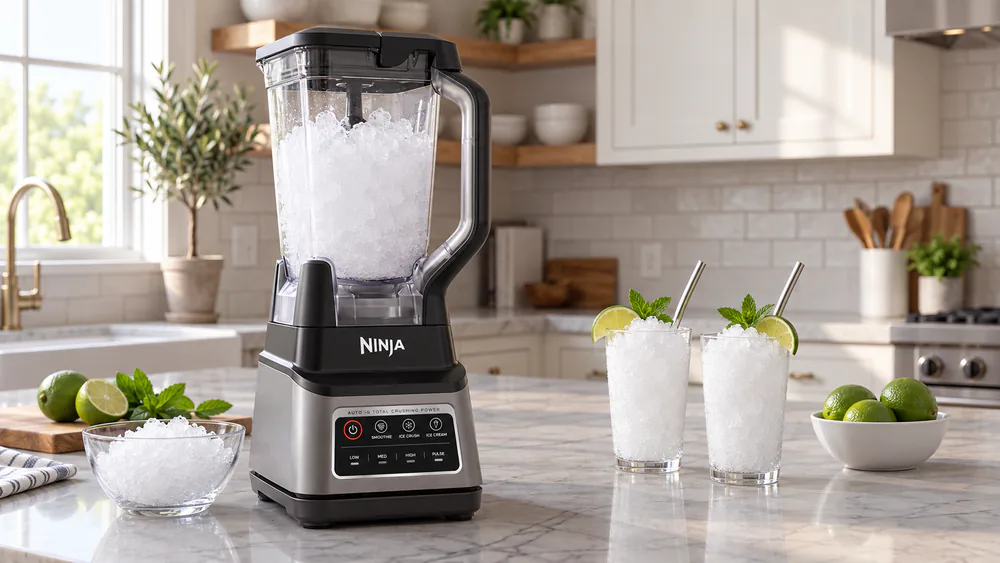
Wattage is not comparable across brands: Ninja quotes peak watts, Vitamix horsepower. Our thresholds: 700W for occasional ice with liquid, 1,000W or more for daily smoothies, 1,400W or more for thick frozen blends; 1,000W is the practical floor for whole-cube crushing, and every pick at or above it passed our 50-cube run.
Blade Design Quality
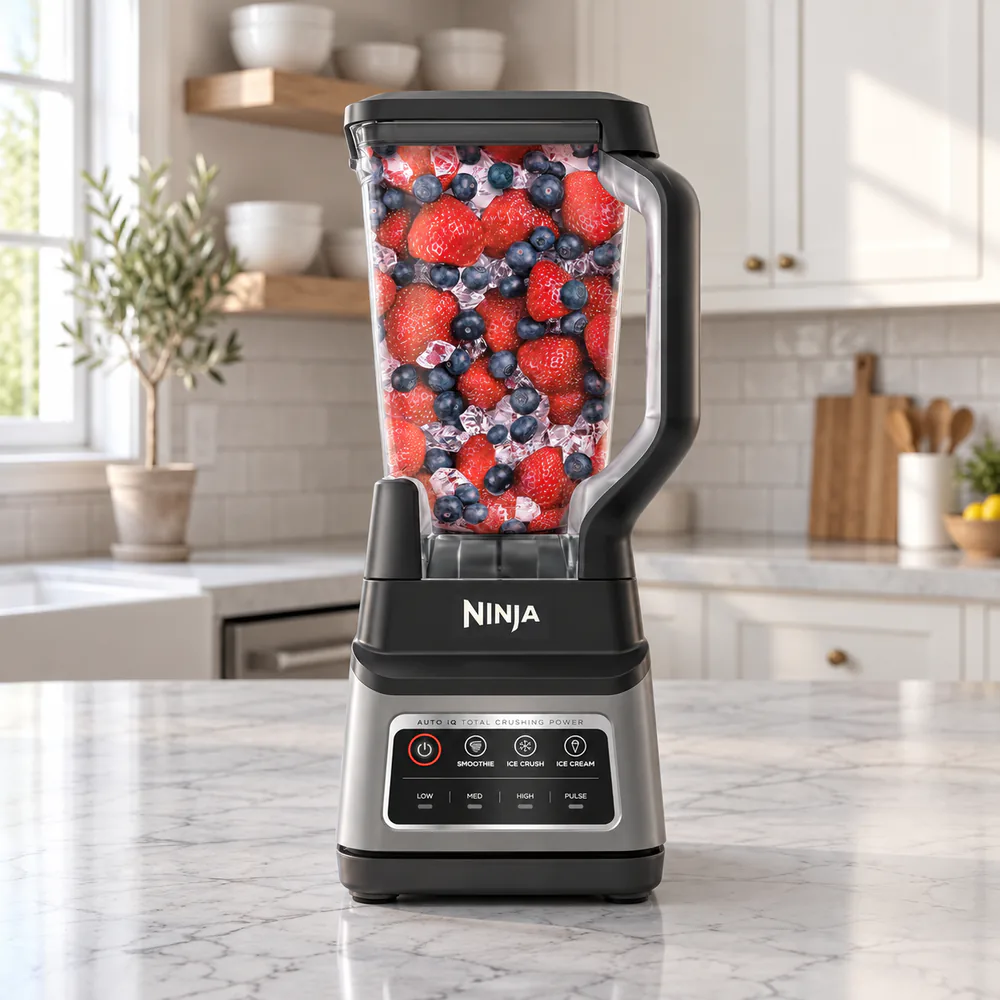
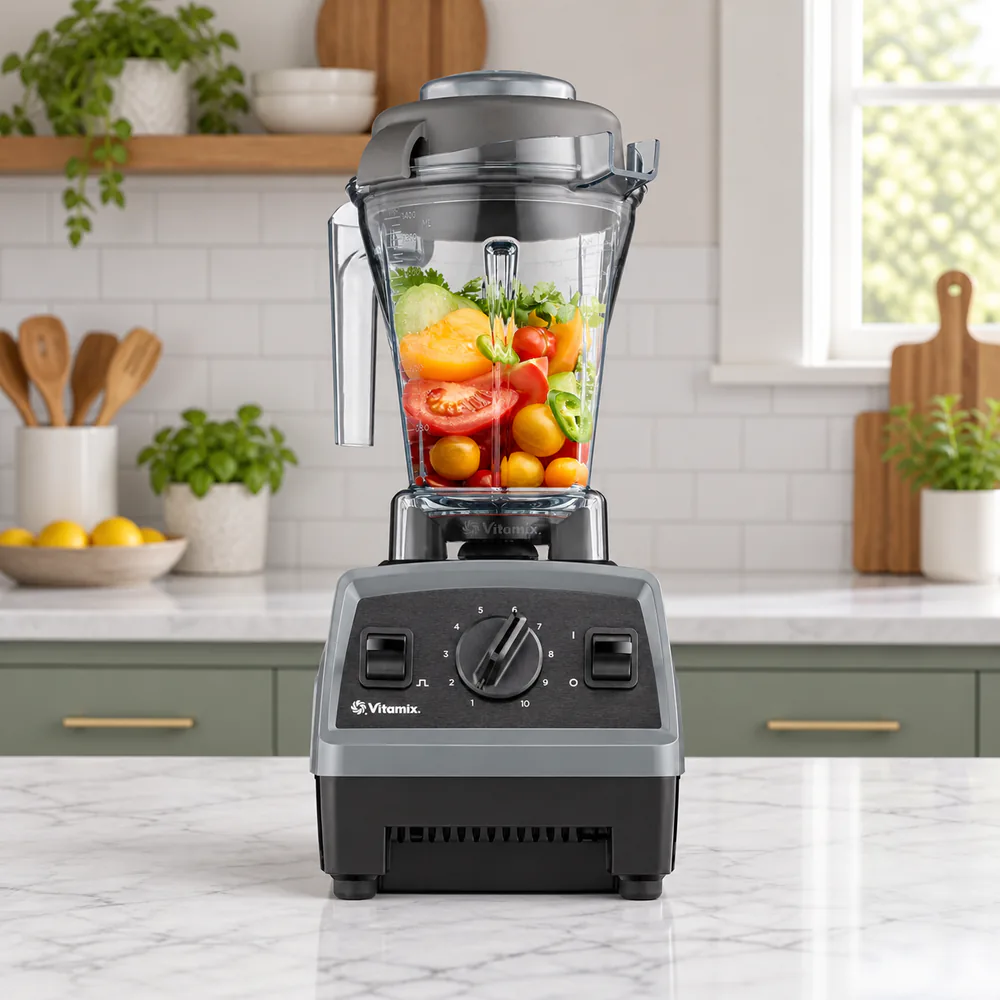
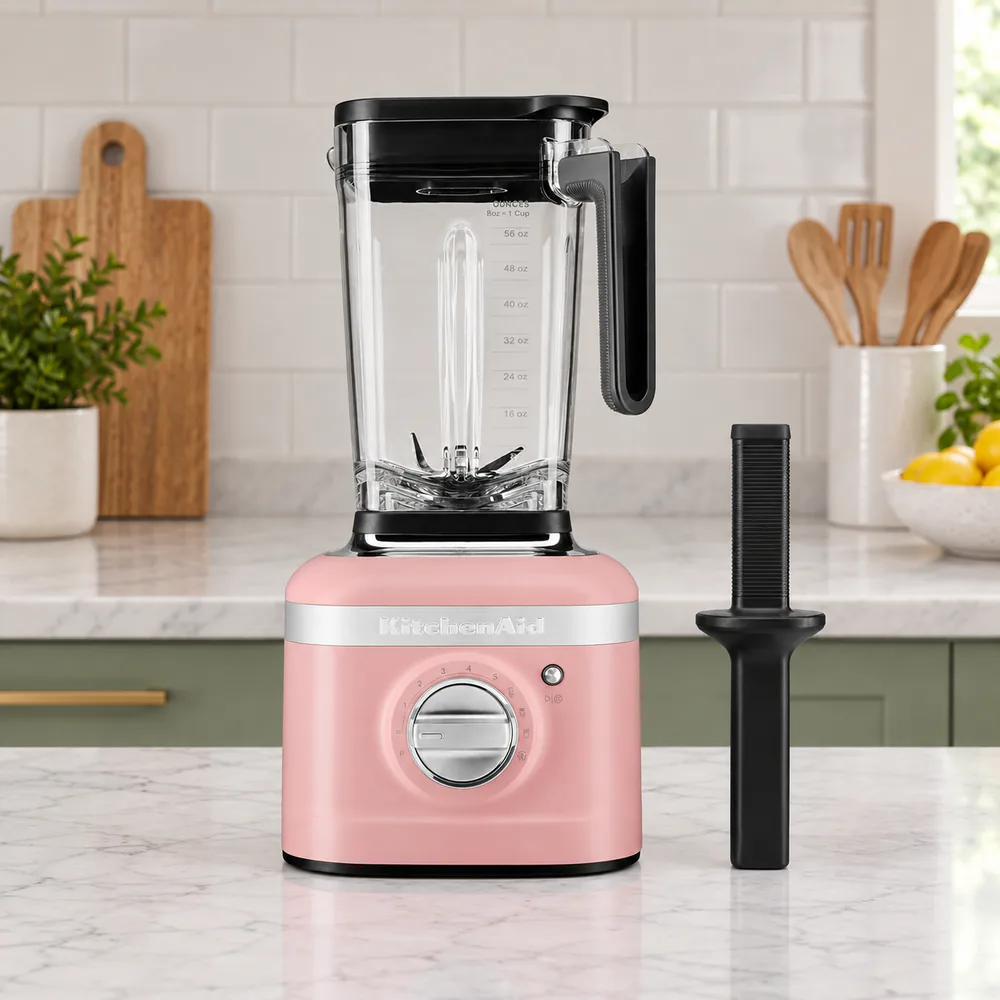
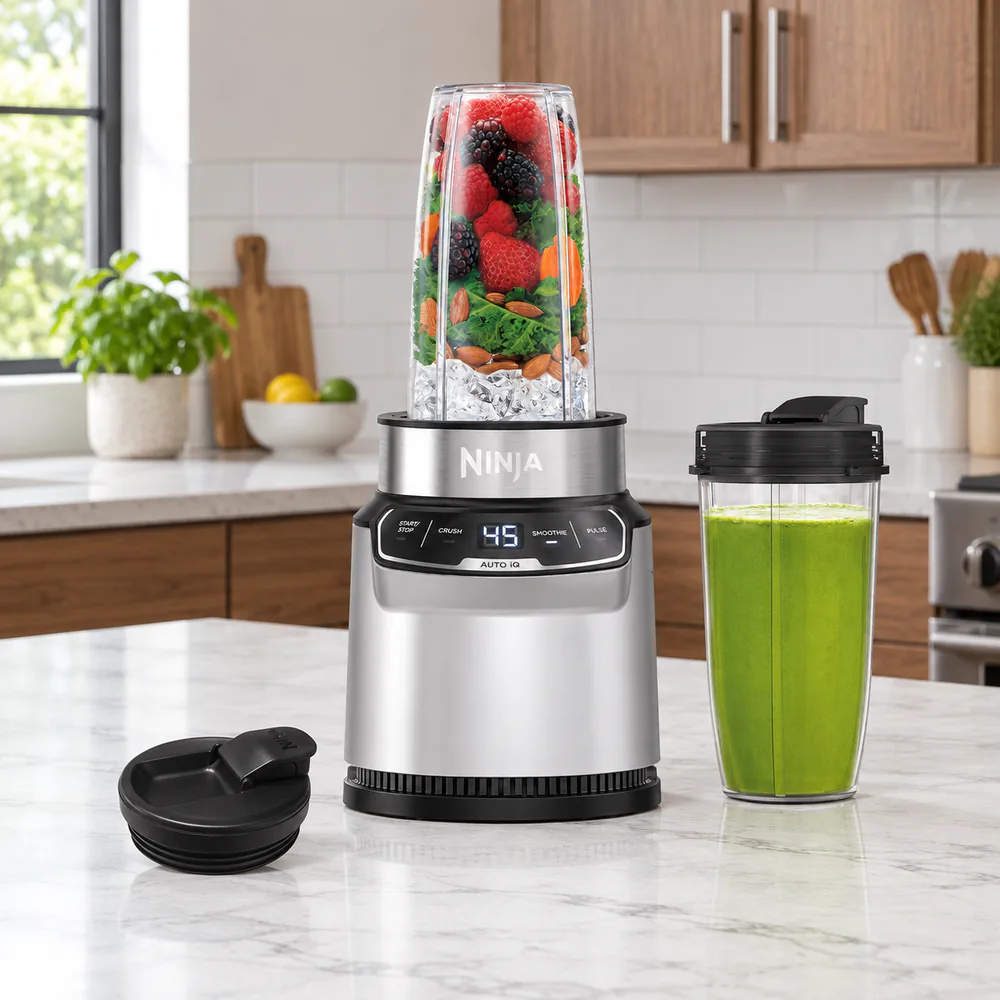
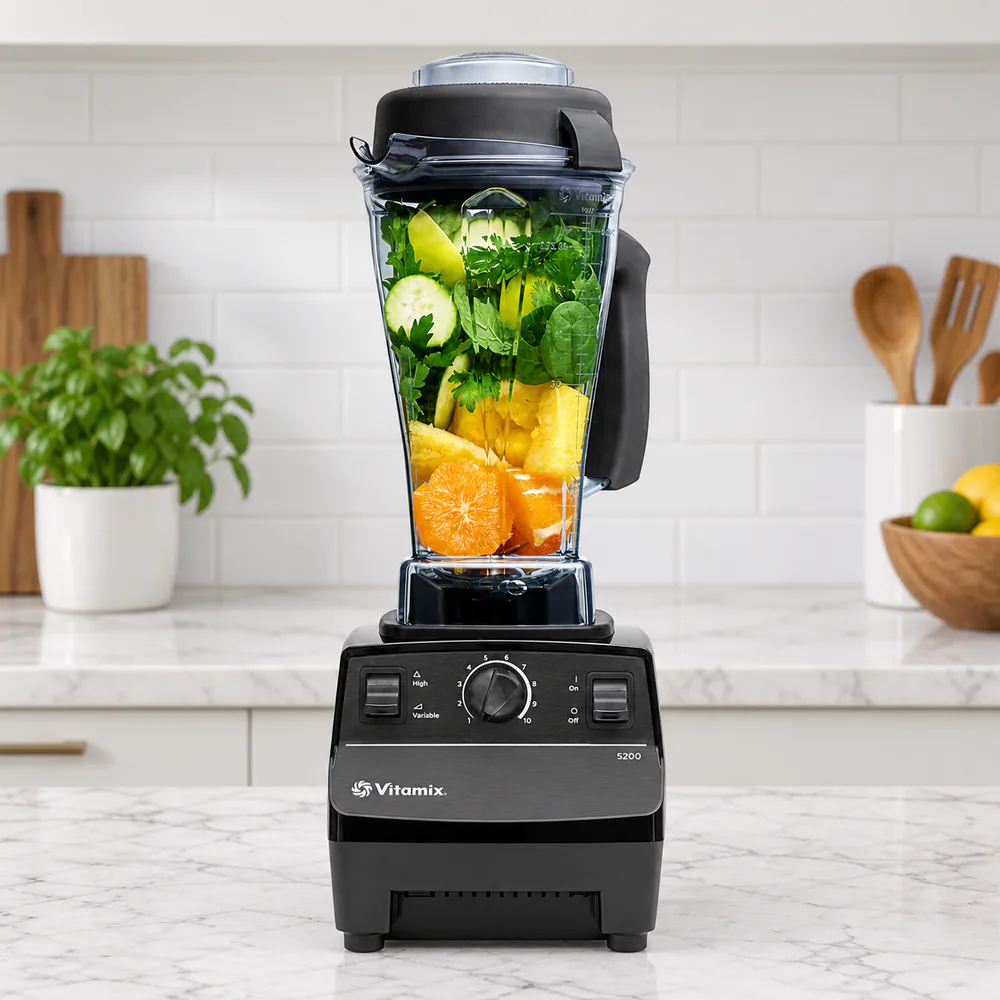
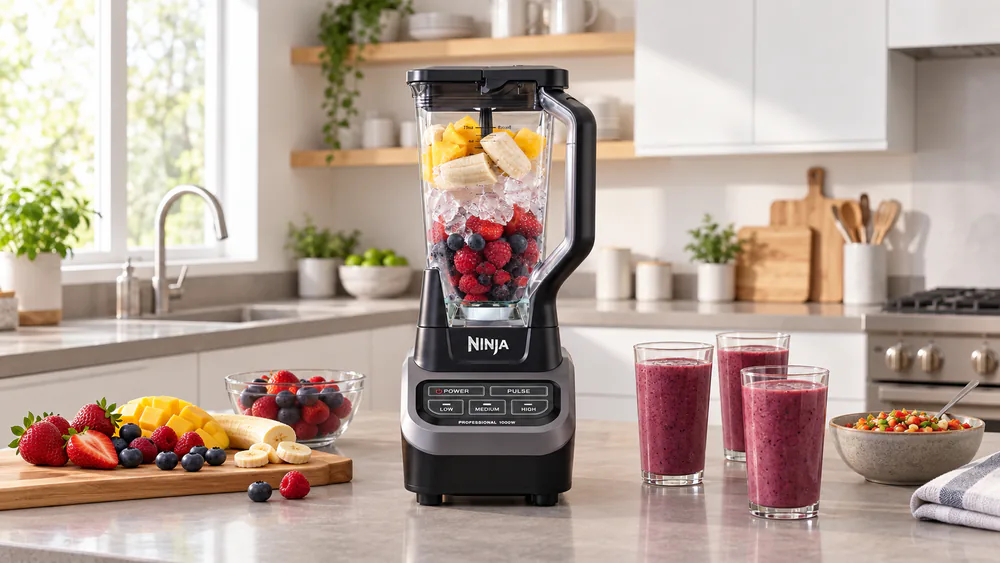
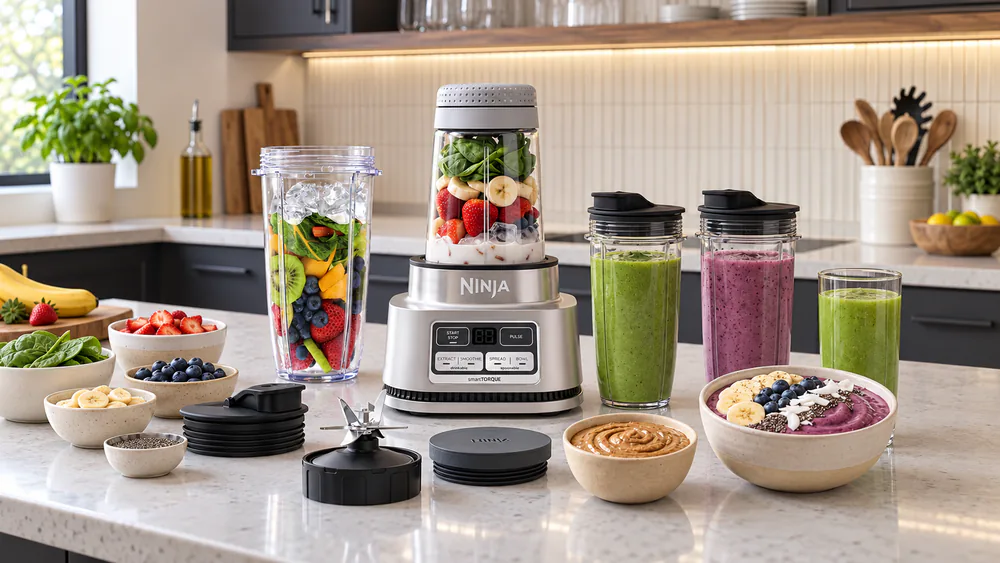
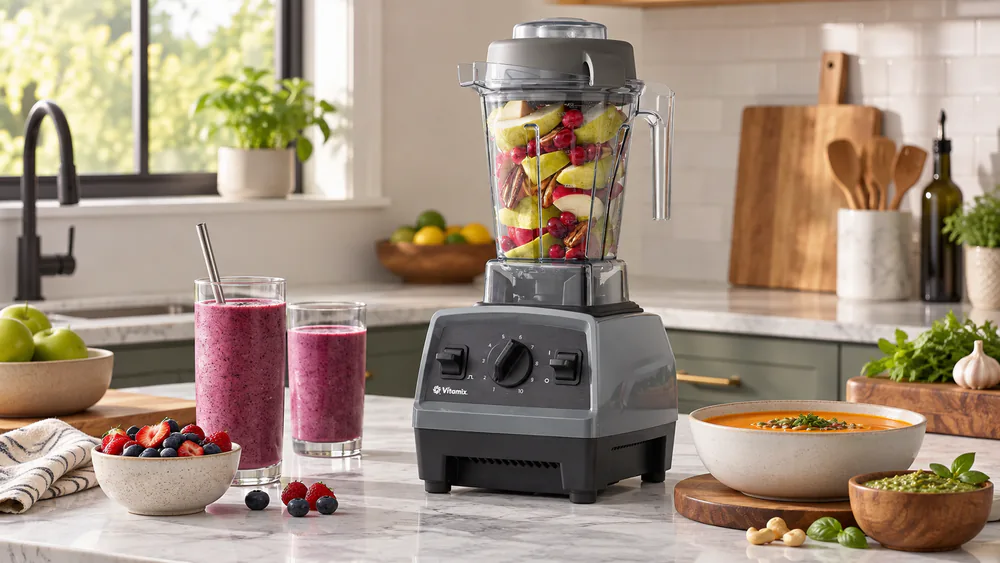
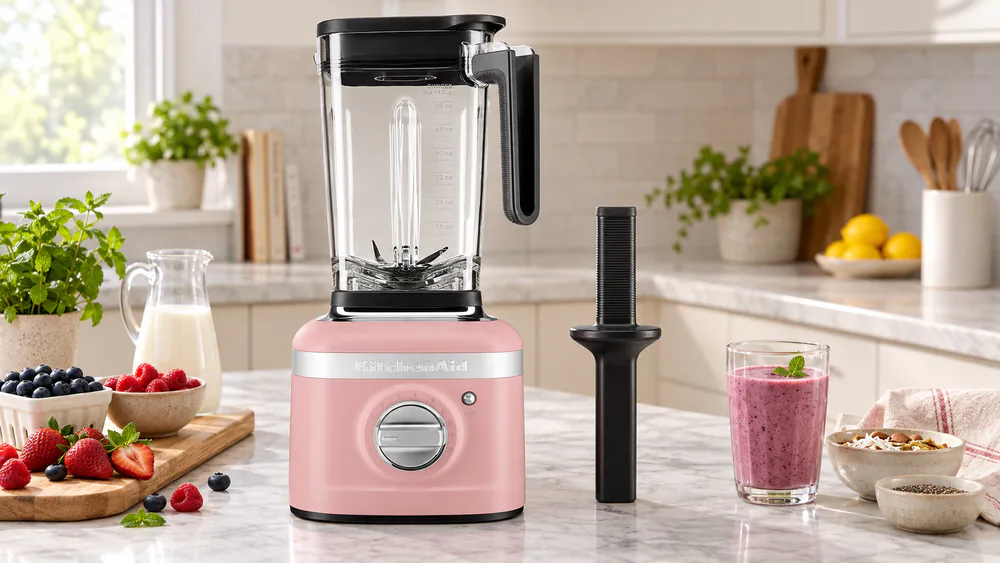
Blade geometry matters as much as wattage. Ninja's stacked Total Crushing assemblies keep ingredients moving while they cut, Vitamix's 3-in laser-cut blades shred fibrous greens and grind cubes, and KitchenAid's asymmetric blade cuts at four angles. All our picks use stainless blades, and all are sharp enough to cut you.
Capacity and Size
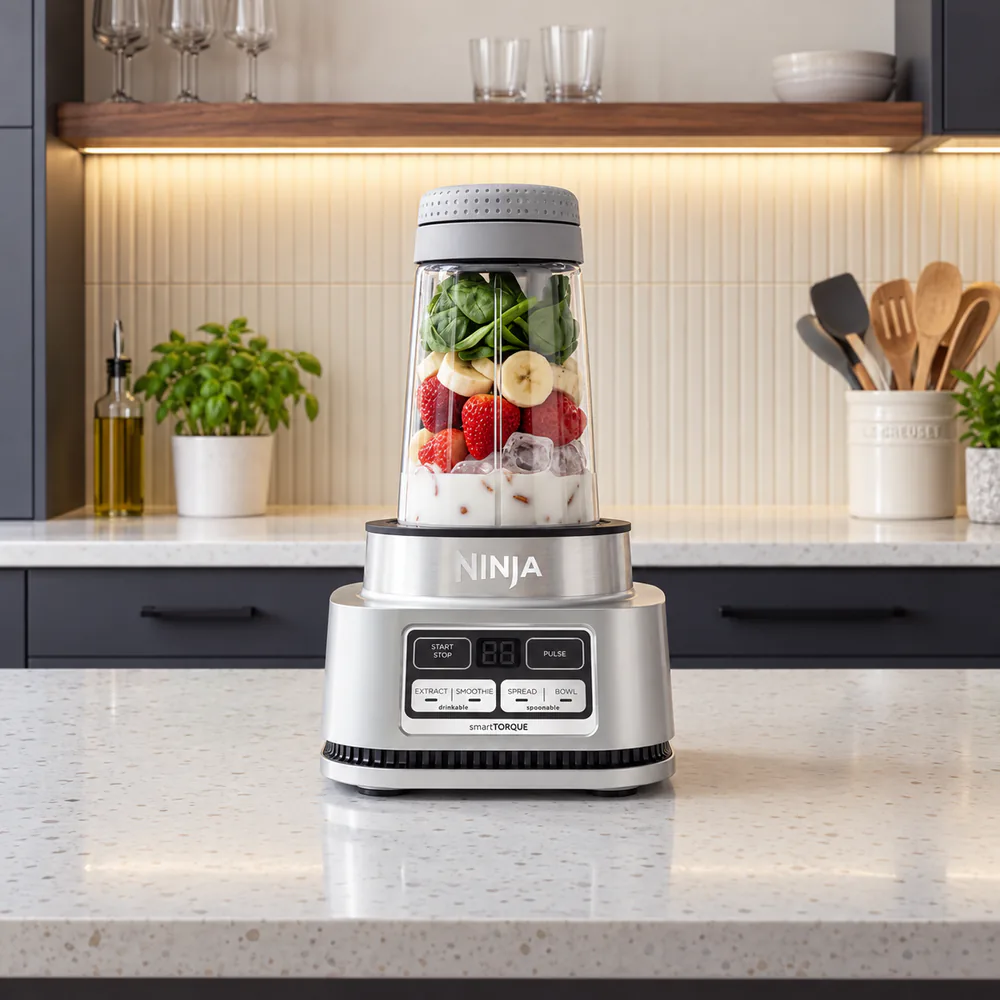
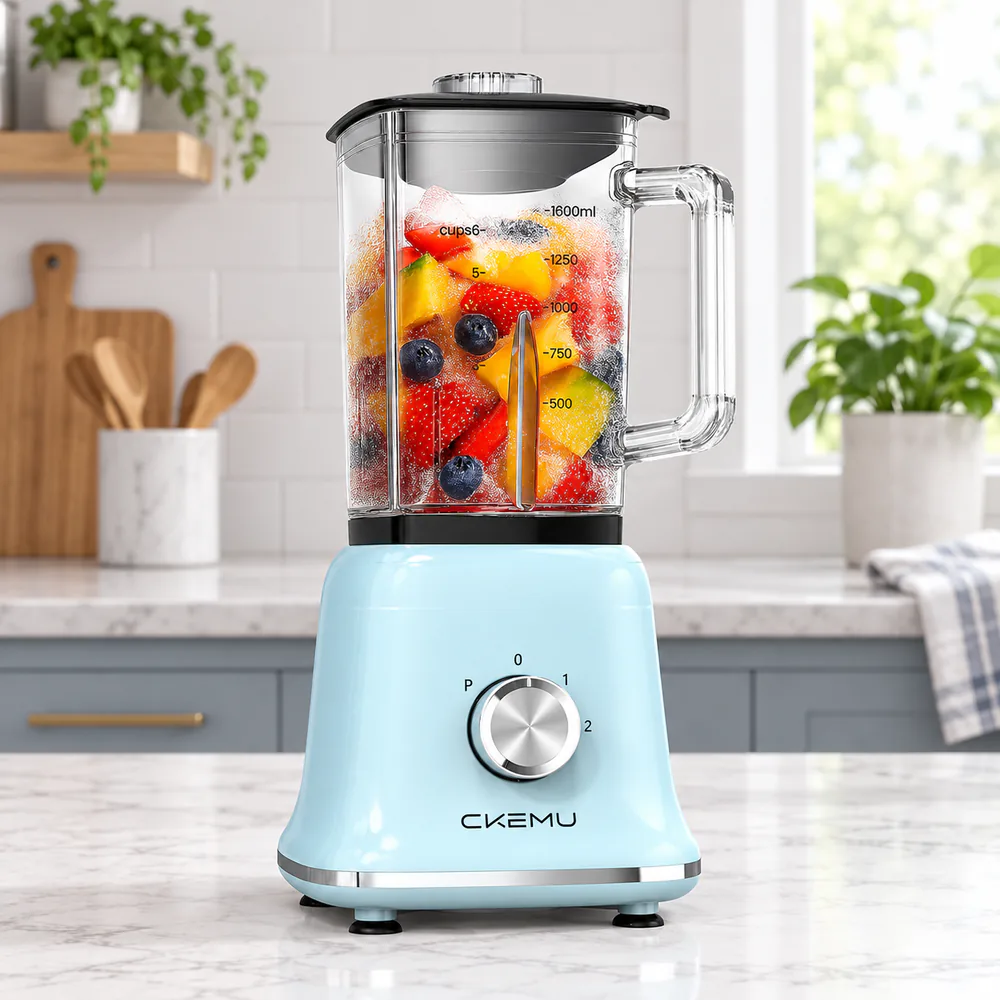
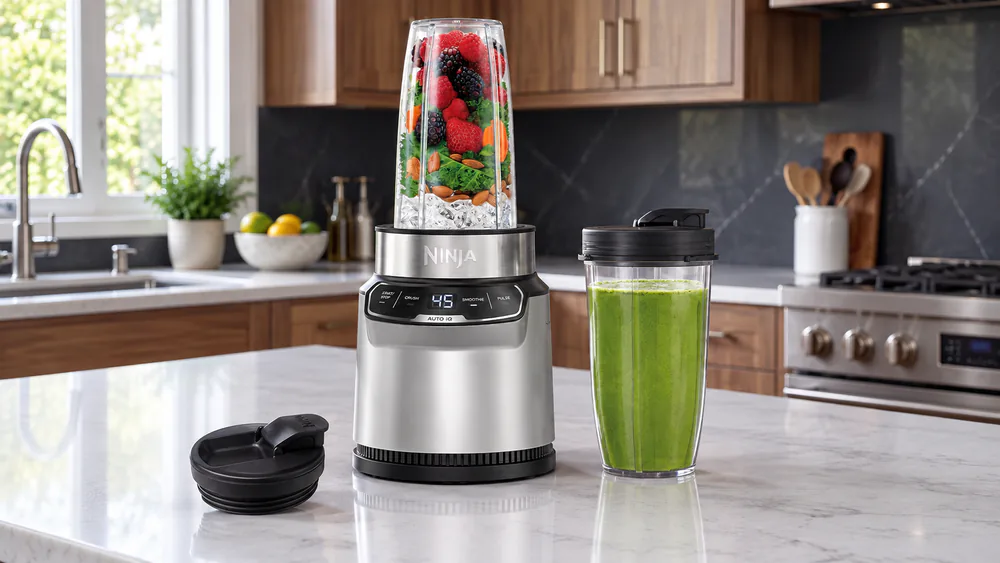
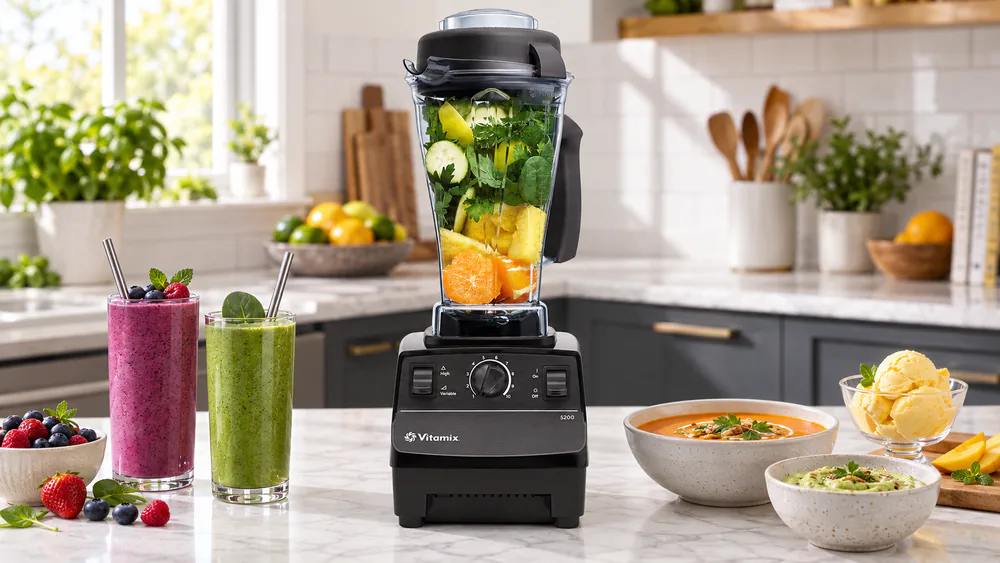
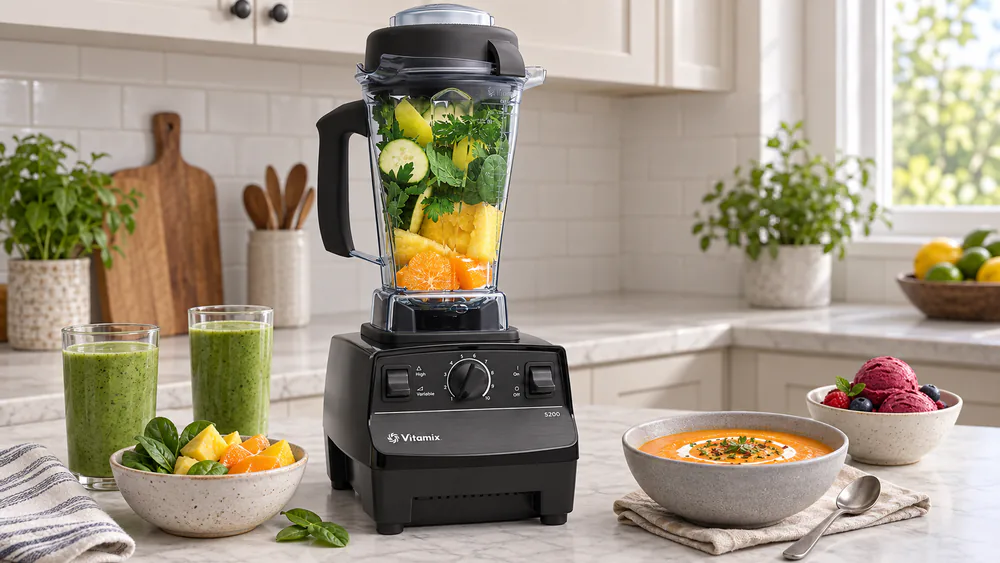
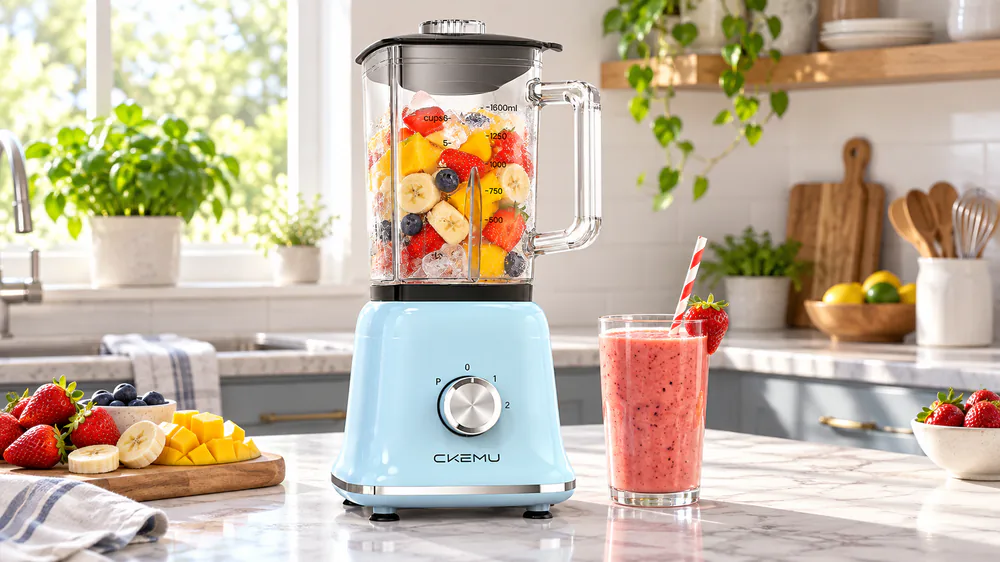
Match the jar to the household: 24-oz cups serve one, 48 to 50 oz suits a couple, 56 to 64 oz covers a family, 72 oz a crowd. Size is the hidden spec: the BN701 stands 16.22 in and the 5200 reaches 20.5 in, and both miss many upper cabinets. A personal blender saves counter space for one smoothie a day; family breakfasts need a full-size pitcher.
Ease of Cleaning
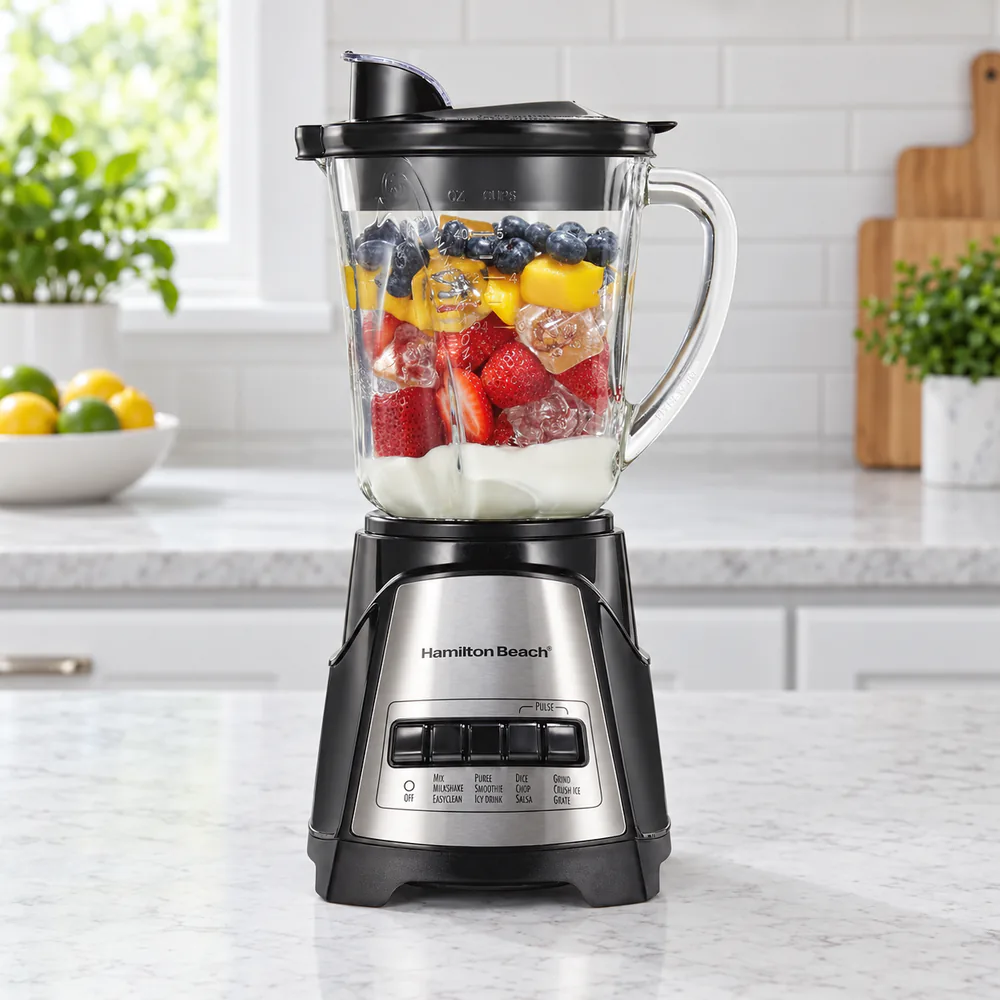
Every pick has a fast path: dishwasher-safe parts or a 30- to 60-second self-clean. Know what is not safe: Vitamix containers prefer self-clean, Ninja pitchers can crack in a machine wash, and the K400's jar-seal gasket deserves a hand rinse. Never submerge the motor base.
Speed and Settings
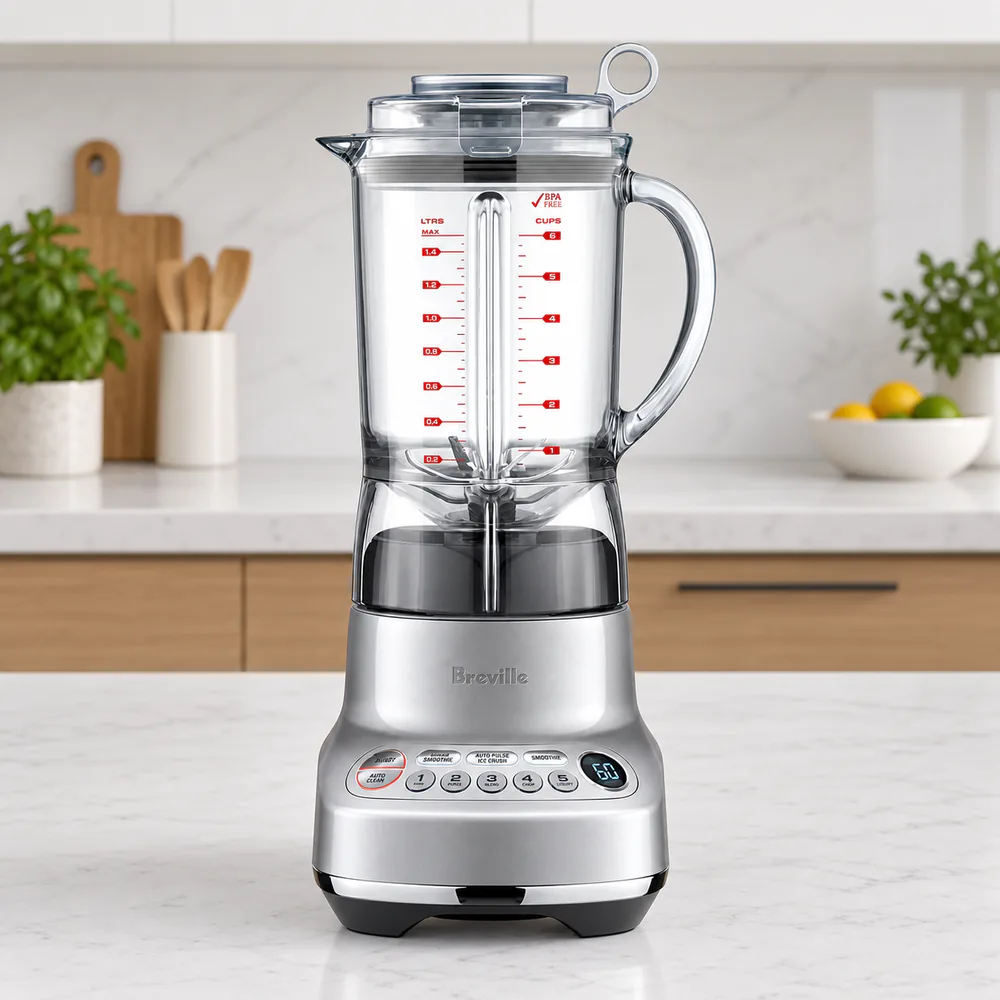
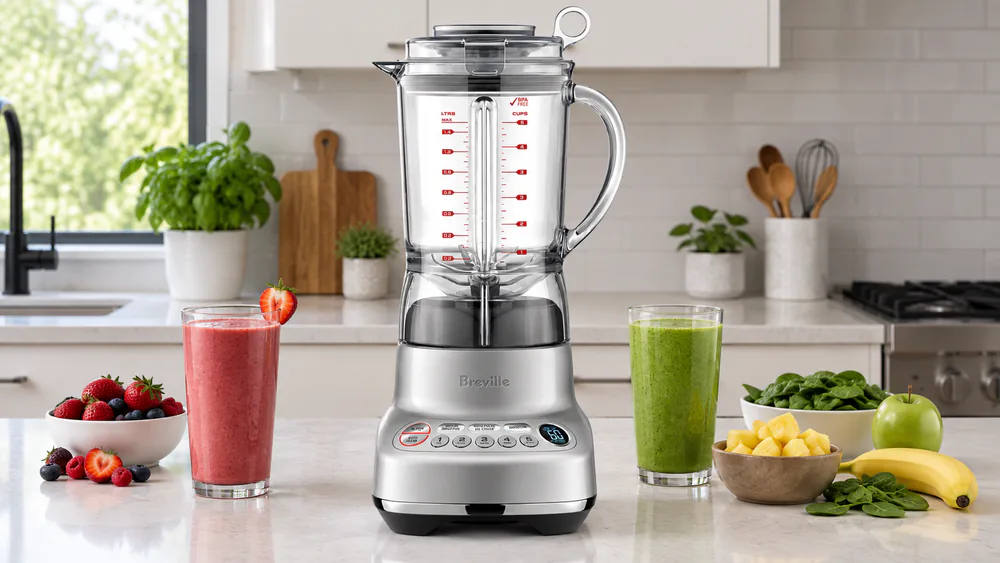
Presets are convenience, not performance. The Breville's ice crush and Ninja's Auto-iQ deliver consistent runs; the Vitamix dials and the BL610's 3 speeds plus pulse put control in your hands. Pulse is the underrated ice control: short bursts let the blades grab cubes, and variable speed matters for thick blends and soups.
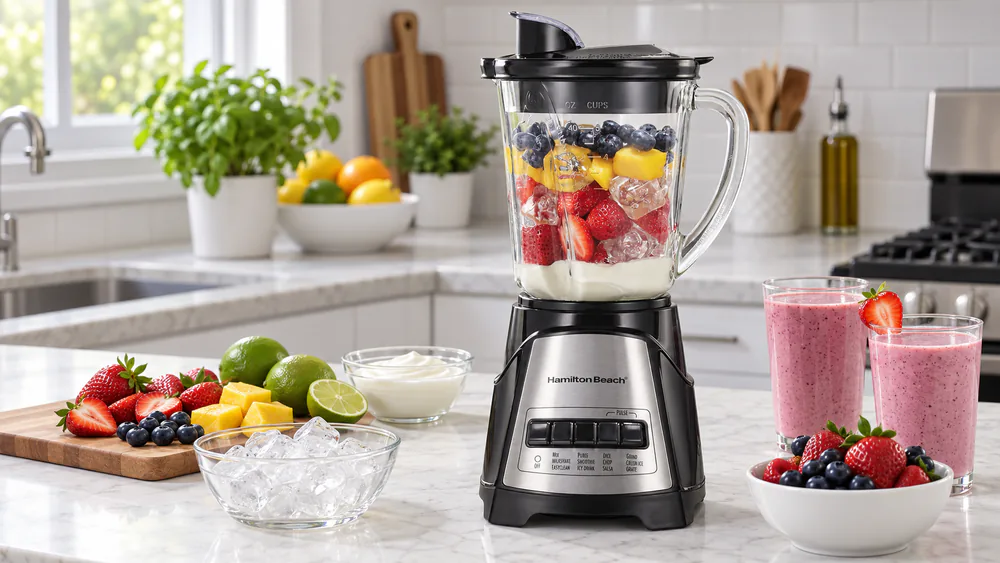
Durability and Build
Read the warranty terms, not just the length. Ninja's 1-year warranty is standard at the price; the Hamilton Beach and Breville 3-year terms (per the manufacturers) cover more; the Vitamix 5-year and 7-year full warranties cover all parts, performance, labor, and two-way shipping. Glass jars resist odors and stains but break and weigh more; plastic is lighter but can crack. The parts that fail first in our teardowns are lid locks, jar bases, and seals.