As an Amazon Associate we earn from qualifying purchases. We may earn a commission from links on this page, at no extra cost to you. Learn more.
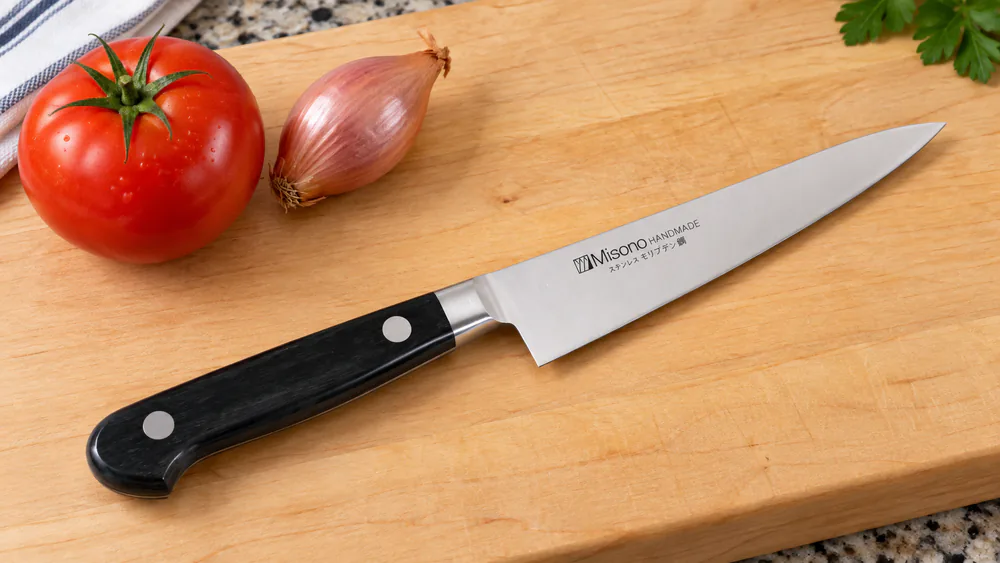
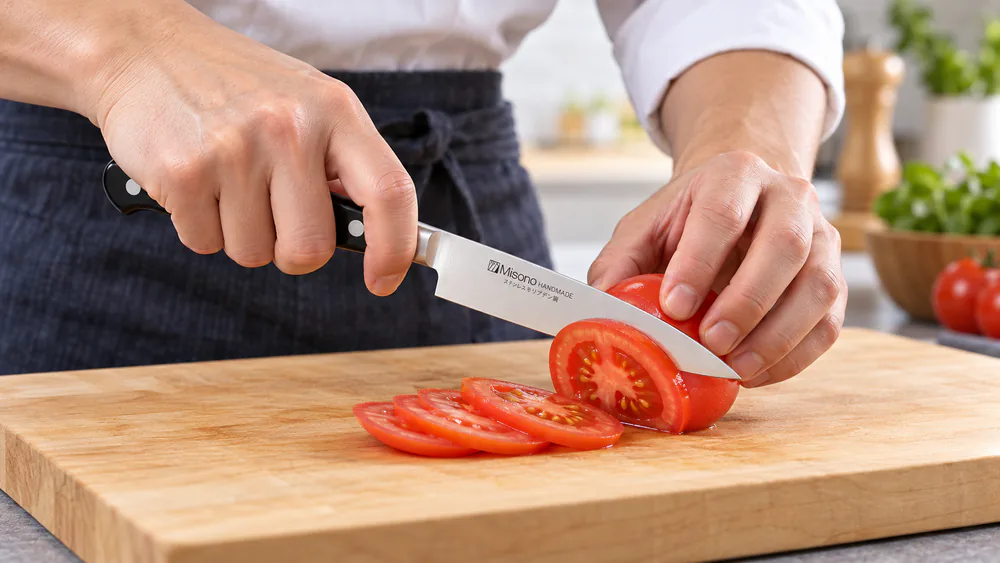
A ripe tomato is the fastest way to find out whether a small knife is truly sharp. The keen 130 mm Misono slices through the skin without crushing the flesh underneath, then dices a shallot cleanly in the same session. That is the job a petty knife exists to do: the small, precise work where a full-size chef's knife feels like overkill.
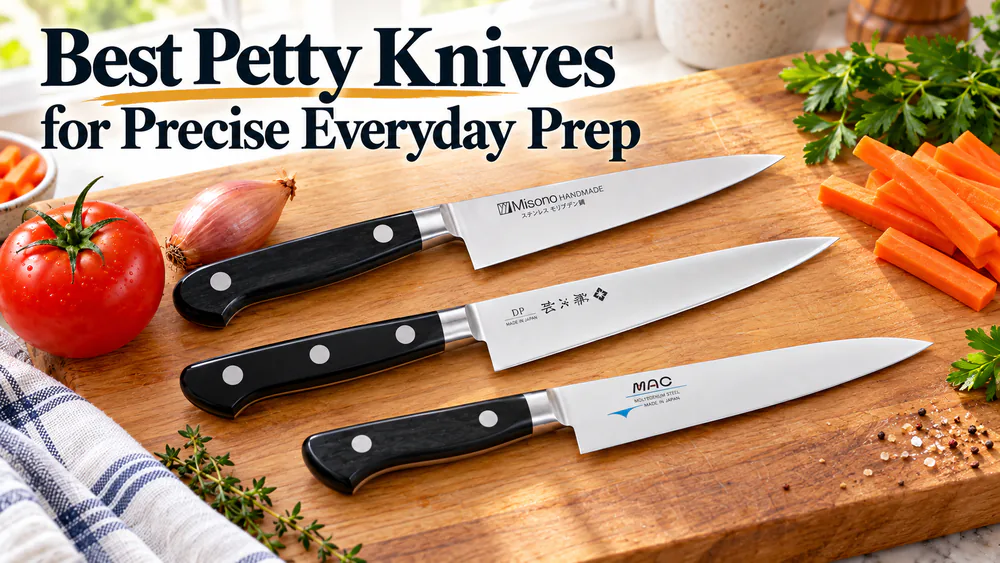
Our short answer is the Misono Molybdenum Petty for most kitchens, the Tojiro DP for Japanese value, and the Victorinox Fibrox for anyone who wants a forgiving, budget-friendly start. The rest of this guide explains where each of the six picks shines and where it falls short, so you can match a blade to the way you prep.
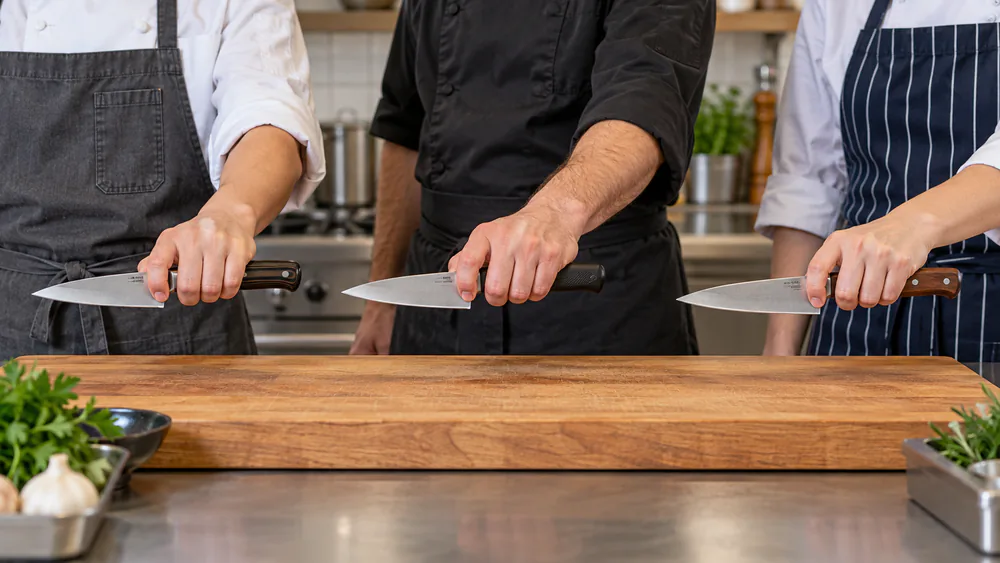
We judged each of the six on the same small prep tasks in our test kitchen, so the differences between them are easy to compare.
Best Petty Knives at a Glance
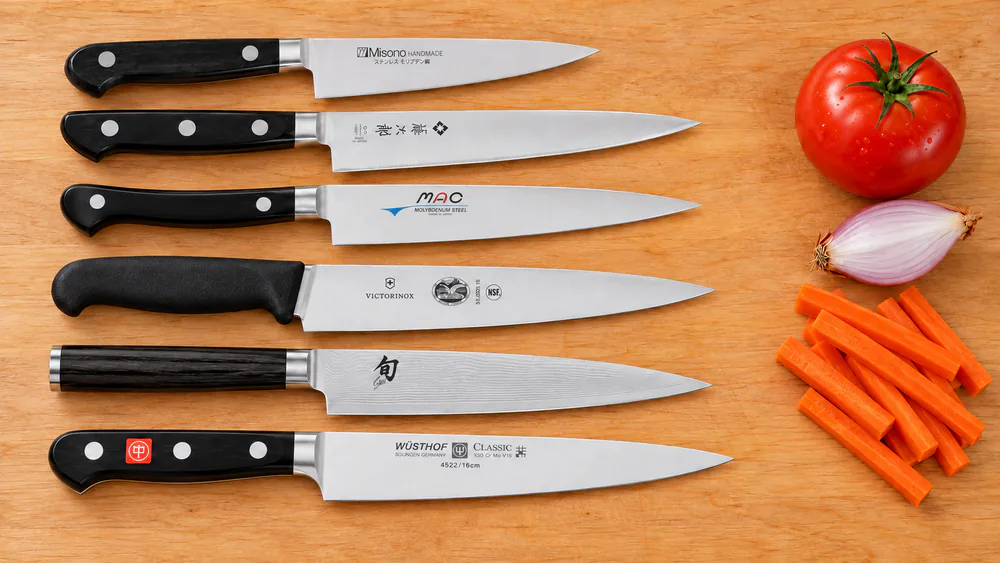
Six knives made the cut, and each one answers a different buyer question. Blade lengths run from a compact 130 mm to a 152 mm blade, with steel, handle shape and edge geometry changing the feel more than the length does. One of the six, the Wusthof, is a Western-style utility knife included as an alternative, not as a Japanese petty.
Product
Blade
Steel
Buyer fit
Main trade-off
Misono Molybdenum Petty No. 532
130 mm
Molybdenum stainless
Compact all-round prep
Verify the asymmetric bevel and handedness
Tojiro DP F-802
150 mm
VG10 core, stainless clad
Japanese value and stone maintenance
Low clearance; stock varies
MAC Professional Utility PKF-60
6-inch class (6.19-inch specification)
High-carbon stainless
Longer slicing and trimming
Low knuckle clearance
Victorinox Fibrox
15 cm
Stainless
Budget and beginner board prep
Coarser fine slicing
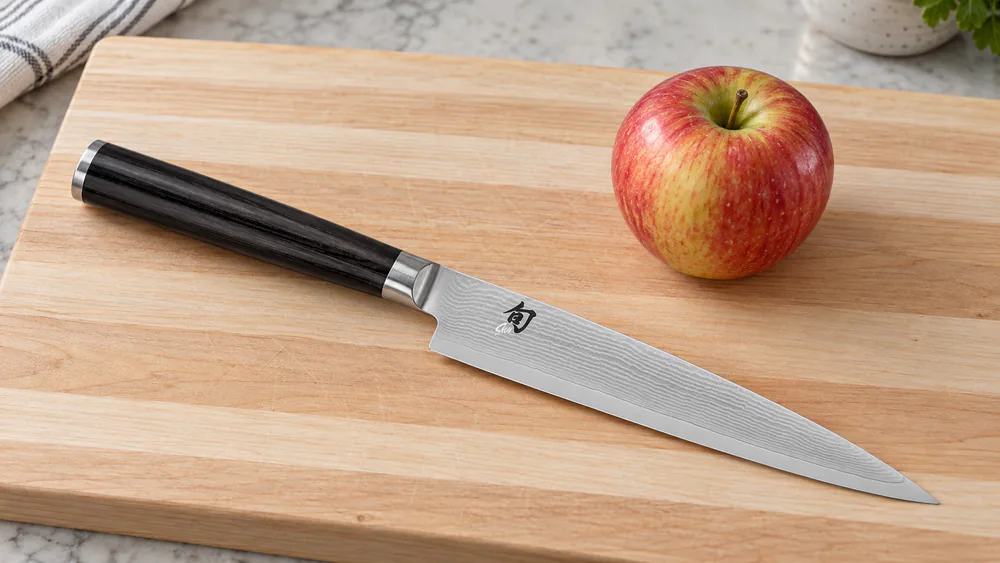
Shun Classic Utility DM0701
152 mm
VG-MAX core, Damascus clad
Decorative premium choice
Grip fit and edge care
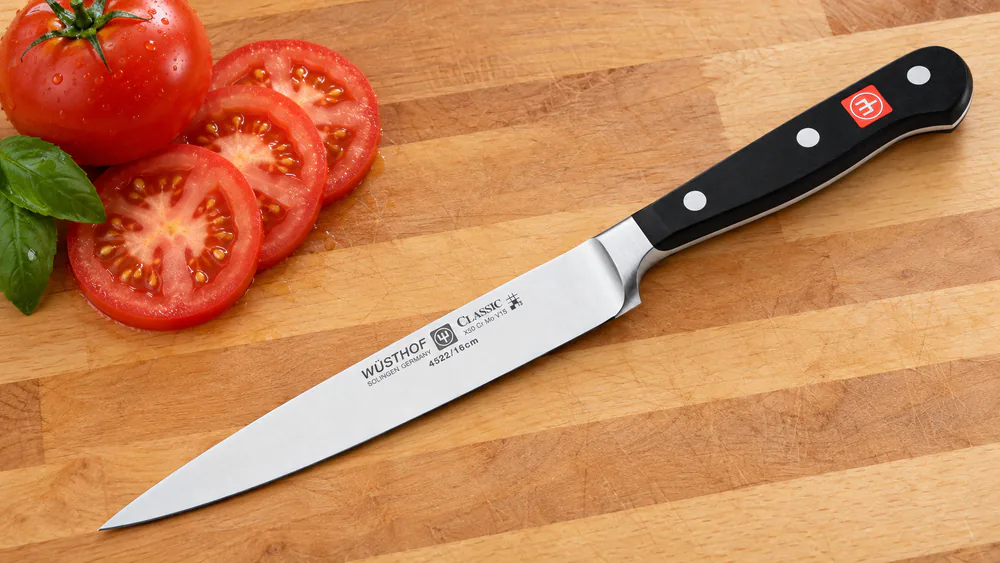
Wusthof Classic Utility (Western-style)
6-inch nominal
High-carbon stainless
Western utility alternative
Straight profile restricts chopping
How We Tested These Petty Knives
We judge a petty knife by what it does to food. The tasks were small and specific: peeling and slicing tomatoes, dicing shallots, cutting carrot sticks, slicing cooked chicken, butterflying raw chicken, and slicing soft cheese with a deliberate stroke. Those jobs expose edge keenness, blade height, tip control and handle comfort faster than any spec sheet does.
We scored each knife on edge keenness, how the handle sat in the hand, and how readily the steel sharpens.
Our selection leans on the Japanese side because that is where most petty knives live. If you want a wider look at that tradition, see the Japanese knives we cover.
The prep tasks we used to separate the six picks.
Selection Criteria and Sources
Every pick had to be an identifiable model with a manufacturer specification, a documented blade length and a clear job. We weighted five things: edge keenness on delicate food, blade length and height, steel and how it sharpens, handle fit, and care demands. Where published specs conflict, we say so and avoid inventing a precise number.
We also kept the sizes honest. The compact pick is 130 mm, not 135 mm, and the Tojiro is the 150 mm F-802, not the separate 120 mm F-801. The size guide below discusses 120, 135 and 150 mm as options, but we did not pick one knife in every size.
What Our Testing Can and Cannot Show
Cutting tasks reveal sharpness, tip control and comfort. They do not tell you how a steel behaves over a year. The MAC edge stays useful through repeated prep, but that does not establish a sharpening schedule for it or any other knife here. Handle comfort also varies with hand size and grip, so treat our grip notes as a starting point and not a verdict for your hand.
Our Petty Knife Picks
Here is how the six rank, with the reasoning behind each. Buy buttons go to Amazon, and we describe cost only in tiers because prices change.
Best Overall Petty Knife: Misono Molybdenum Petty 130 mm
The Misono is the knife we would hand to a cook who wants one small blade for everyday prep. It is the compact end of this lineup, and the slight belly allows a short rocking stroke, which is a rare treat on a knife this size.
The Misono 532 earns the top spot because it does the core petty job better than anything else here. The molybdenum stainless blade is thin and keen. The pointed tip and small black reinforced-wood handle keep it nimble, and it is made in Japan. The trade-off is reach: the shorter edge cannot span a pile of carrot sticks as readily as a longer petty can.
Pros
Keen enough for tomato skin and shallots
Small, balanced handle with a slight belly for a short rocking stroke
Compact profile for tip control
Mid-priced for a Japanese-made knife
Cons
Shorter edge handles big piles less readily
Bevel description varies by source, so confirm handedness before buying
Needs hand-washing, drying and stone maintenance
One caution is the edge. The factory edge is described as either single-bevel or a 70/30 asymmetric grind, so verify left-handed suitability before you buy and keep the existing edge when you sharpen. We also leave out a spine thickness because published measurements range from 1.5 mm to 2 mm depending on where they are taken.
Best Japanese Value Petty Knife: Tojiro DP 150 mm
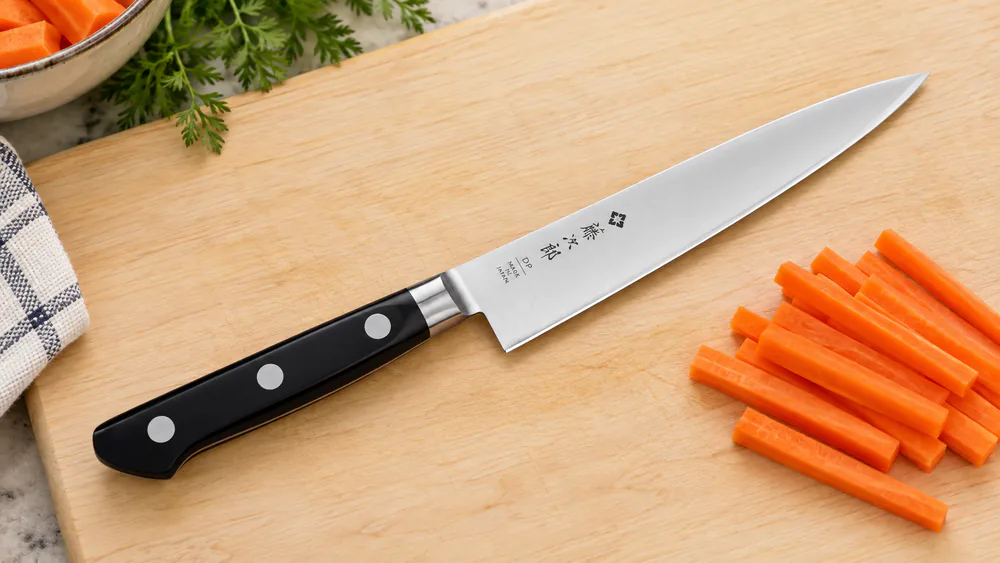
Where the Misono is compact, the Tojiro DP F-802 is longer and made for someone who wants a real Japanese edge and does not mind stone maintenance. It has a 150 mm blade, a VG10 cutting core with stainless cladding and a 260 mm overall length. Thin tomato slices are easy, and the blade washes clean with little effort.
The Tojiro DP is a sharp, effective general-prep knife. The fine edge is useful for trimming fat from pork and chicken and for small vegetable prep, and waterstone touch-ups restore a keen edge without the bolster getting in the way along the full edge. The slim, light handle takes adjustment if you are used to heavier German-style knives, and the exposed sharp heel sits close to your fingers, so it needs a deliberate grip.
Pros
VG10 core with a double-bevel, full-tang, riveted build
Easy to wash clean
Touch-ups on a waterstone bring the edge back
Mid-priced for a VG10 Japanese knife
Cons
Low blade profile leaves limited knuckle clearance for rocking cuts
Slim handle needs adjustment after heavier knives
Stock availability can be intermittent
Wash-and-dry care is an ongoing habit
Best Longer Petty Knife for Board Prep: MAC Professional Utility PKF-60
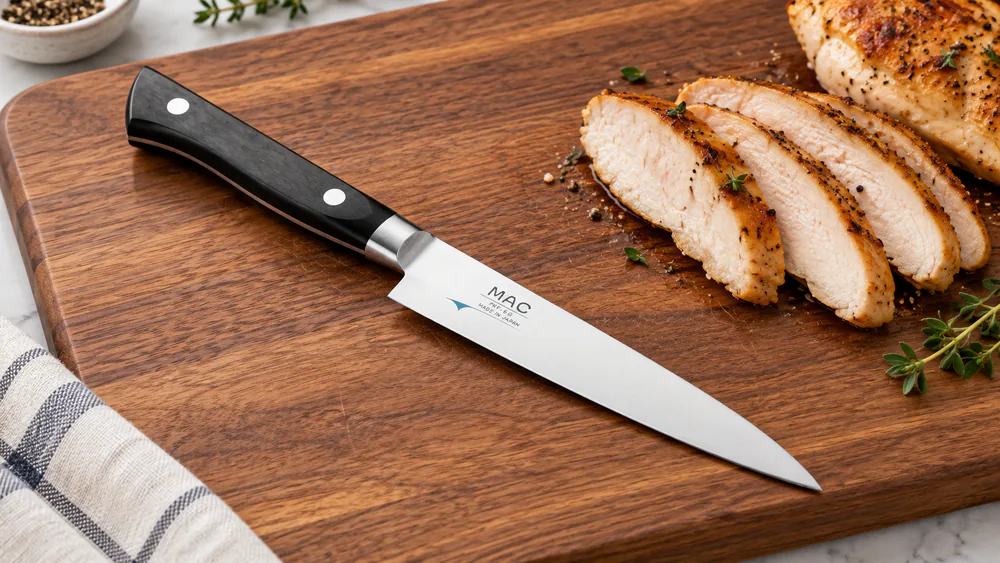
Where the Tojiro is slim and low, the MAC is the one to look at if you slice a lot. It is sold as a 6-inch utility, and the manufacturer specification gives a 6.19-inch blade that is 1.08 inches tall and 2 mm thick. The whole knife weighs only 2.9 oz, and the extra length reaches across carrot sticks and makes controlled cuts through shallots.
Slicing is where the MAC shines, and soft cheese cuts cleanly with a deliberate slicing stroke. The pakkawood handle gives a secure grip, and the edge stays useful through repeated prep. Tomato skin shows a bit more resistance than it does with the keenest knives in the group, and the low clearance makes repetitive vertical chopping awkward. Treat it as a slicer, not a chef's knife substitute.
Pros
Reaches across carrot sticks and slices cooked chicken cleanly
Secure pakkawood handle
Narrow pointed blade in rust-resistant high-carbon steel
25 years of warranty coverage for the original purchaser against material and workmanship defects
Cons
Tomato skin meets more resistance than on the keenest picks
Low knuckle clearance for chopping
Hand-wash only
The warranty covers 25 years of defects in material and workmanship for the original purchaser. It excludes normal-use damage, broken tips and corrosion, so it is not a replacement plan for a chipped tip.
Best Budget and Beginner Petty Knife: Victorinox Fibrox 6-inch
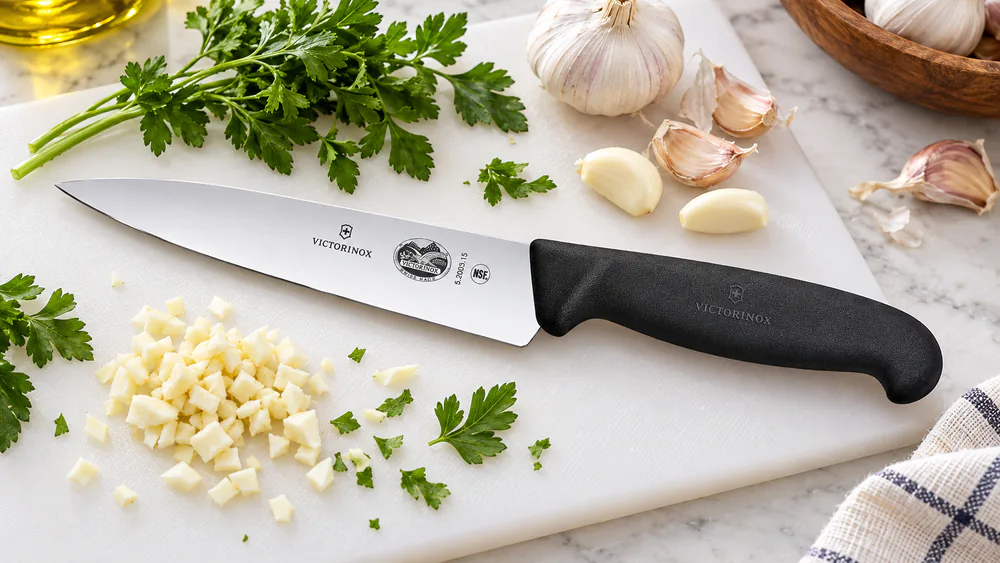
The Victorinox is the easiest knife in the group to recommend to a beginner. The 15 cm blade is marketed in the US as 6 inches, it weighs 78 g, and the textured non-slip handle feels secure even when wet. The curved edge supports rocking cuts, which is what most new cooks do by instinct.
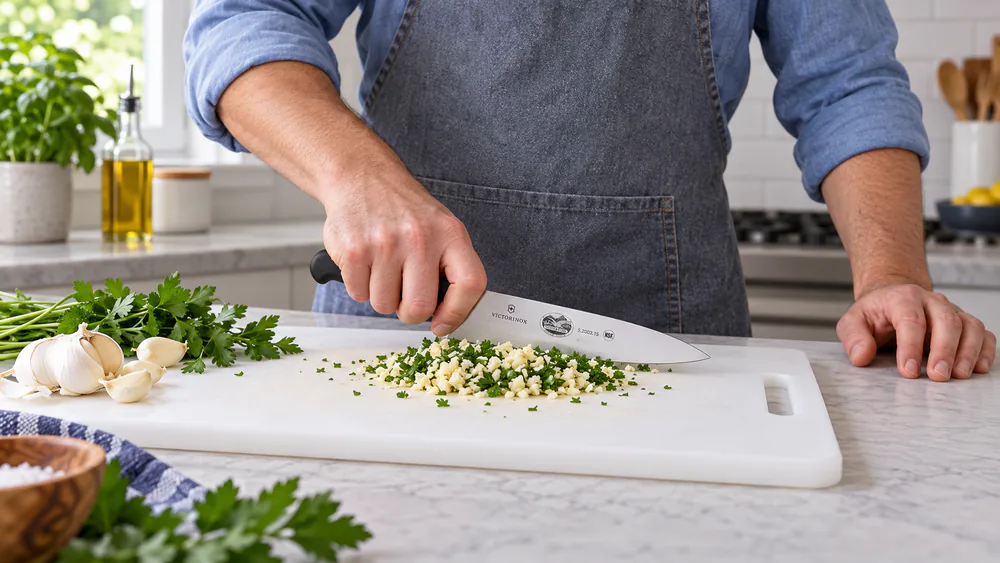
This is a stamped stainless knife with a pointed tip that allows precise starts and a curved edge that feels accessible to a beginner. Garlic and herbs are comfortable board tasks. Fine slicing is less refined, though, and soft cheese and chicken can tear when the stroke is too short. Use long, deliberate strokes and it behaves.
Pros
Cheapest pick in the group
Textured handle stays secure
Curved profile supports rocking cuts
Lifetime defect warranty with normal-wear and misuse exclusions
Cons
Fine slicing is less refined
Soft food can tear on short strokes
Dishwasher rated, but hand-washing keeps the edge better
Best Premium Petty Knife: Shun Classic Utility 6-inch
At the other end from the Victorinox, the Shun Classic Utility DM0701 is the decorative premium choice, and it comes with fit reservations. It has a 152 mm blade, a 16-degree edge, a weight of 77 g, a VG-MAX core and Damascus cladding with 68 layers around the core. Those details look impressive on paper, but nothing shows that cladding alone improves cutting.
The Shun's narrow edge slices smoothly in small everyday prep, and the keen blade butterflies chicken with little resistance. The catch is the handle. The very slim handle is uncomfortable for many hands, and cuts can take more effort than with the strongest performers. If you have large hands, try one in a store first.
Pros
Keen, narrow edge for small everyday prep
Attractive VG-MAX Damascus build, made in Japan
Compact, matte D-shaped pakkawood handle suits a controlled grip
Cons
Slim handle can feel too small in larger hands
Brittleness and weak recovery with a pull-through sharpener are possible frustrations
Premium tier for a small knife
Because the edge is thin, protect it. Hand-wash it, dry it promptly and use a stone, not a pull-through sharpener.
Best Western-Style Utility Alternative: Wusthof Classic 6-inch
Unlike the Japanese blades above, the Wusthof Classic is a Western-style utility knife, not a Japanese petty, and we include it for cooks who prefer the feel of a forged German blade. It has a nominal 6-inch blade, a manufacturer-specified 58 HRC hardness, a forged high-carbon stainless build and a full tang. We make no claim that this style is better or worse than the Japanese picks.
The grippy handle and narrow straight blade suit long slicing strokes. Tomato peeling and fine dicing are controlled, and cooked chicken slices cleanly, though soft mozzarella can crush or tear. The low straight profile favors drawing cuts, and conventional chopping brings your knuckles into the board. The smooth handle-to-blade transitions clean easily with no obvious food traps.
Pros
Forged, full-tang, triple-riveted construction made in Germany
Handle transitions clean easily
Good for long slicing and drawing cuts
Limited lifetime warranty against manufacturing defects
Cons
Straight profile restricts chopping
Soft cheese can crush or tear
Premium tier for a utility knife
How to Choose the Best Petty Knife
Start with the jobs you do most. Small fruit and shallots reward a short blade, while sliced chicken and long vegetable work want a longer one. Everything else, from handle shape to steel, follows from that choice.
Blade Length: 120 mm, 135 mm or 150 mm
Shorter blades prioritize tip control and small ingredients. Longer blades span larger piles and make longer slicing strokes. At 120 mm you get a true paring-adjacent tool, 135 mm is the general-purpose middle, and 150 mm starts to behave like a small slicer. Our compact pick is 130 mm and our longest Japanese pick is the 150 mm Tojiro, so you can feel the difference between the ends of that range.
Blade Height, Tip Shape and Knuckle Clearance
Blade height and handle position determine board clearance independently of length. A low heel can restrict mincing, and that is why the MAC, the Tojiro and the Wusthof all feel cramped for chopping. A taller blade or a curved belly, like the Victorinox, gives your knuckles room. Check the tip too: a pointed tip makes precise starts and fine trimming easier.
Steel, Edge Retention and Ease of Sharpening
Harder steel such as VG10 or VG-MAX takes a keen edge but can chip if abused. Softer stainless is more forgiving and easier to touch up. We cannot give you exact sharpening times or a steel-by-steel ranking, because we do not have measurements that support one. What we can say is that waterstone touch-ups restore the Tojiro, and that a thin edge such as the Shun's suits a stone better than a pull-through sharpener.
The best petty knife is the one whose length, height and handle match the board work you actually do.
Handle Fit, Weight and Balance
The handle decides comfort in a way no spec does. A slim Japanese handle can feel too small in larger hands, and a textured polymer handle gives a secure wet grip. Light knives such as the 2.9 oz MAC reduce fatigue on long slicing jobs, and a handle with angular corners, like the Tojiro's, locks the grip in place.
Handle shape matters as much as blade length.
Bevel Geometry and Left-Handed Use
Many Japanese knives are ground asymmetrically, which means a right-handed grind may cut poorly in a left hand. Confirm the bevel before you buy, and ask the seller about a left-hand version if you need one. Match maintenance to the actual bevel: an asymmetric edge needs controlled stone work, not indiscriminate equal-side grinding.
Petty vs Paring vs Utility Knives
The three names overlap in the real world. Petty and utility knives fill similar roles in fruit trimming, small vegetables and boneless meat, and a paring knife is simply the shortest of the family.
When a Petty Knife Makes Sense
Reach for a petty when a chef's knife feels clumsy but a paring knife feels too short. Trimming, slicing tomatoes, dicing shallots and cutting cooked chicken are all comfortable ground. It sits in the sweet spot between the two, bridging the gap that shows up when you cut a single ingredient and not a whole board.
When to Use a Paring Knife or Chef's Knife
Peeling in your hand is a paring job, and big batch prep belongs to a chef's knife. A short blade reduces batch capacity, so a petty will slow you down on a pile of onions. If you are weighing larger knives, take a look at our guide to Global chef knives.
How to Care for a Petty Knife
A thin, hard edge rewards a little routine. Hand-wash with mild soap, dry promptly, avoid soaking and use an appropriate cutting board. Stainless steel can still corrode if you leave it wet.
Cleaning, Drying and Storage
Wash the blade right after cutting acidic food like tomato, wipe it dry and store it where the edge cannot knock against other metal. A sheath, magnetic strip or slot in a block all work. Do not use a dishwasher even on a model rated for one, because the heat and detergent are hard on handles and edges.
Tip. Wipe the blade from spine to edge with a dry towel, one stroke at a time, so the cutting edge never faces your fingers.
Sharpening and Edge Maintenance
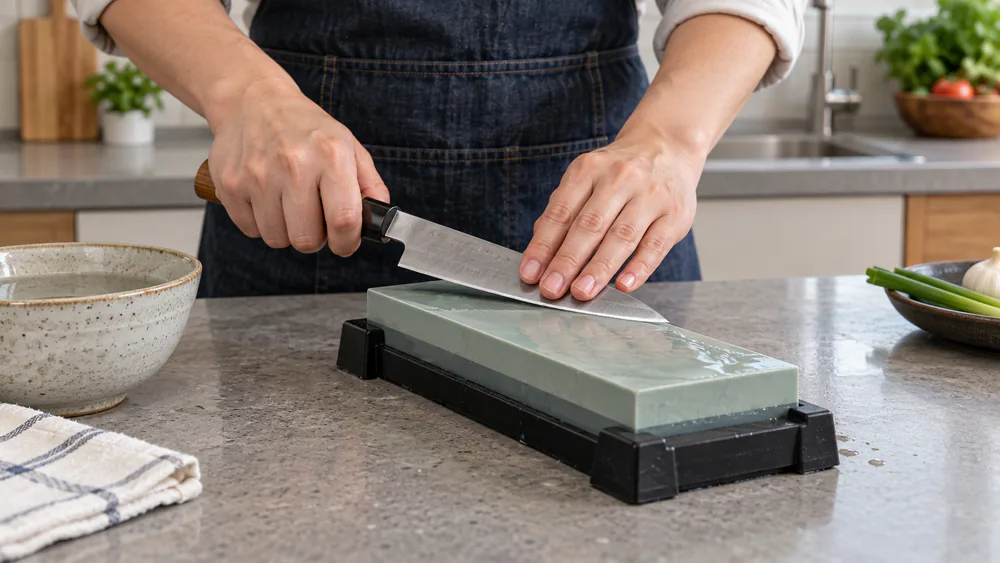
Use a whetstone to keep the edge keen. The Misono and Tojiro both reward stone work, and the Shun's thin edge does too. Avoid cutting bones, frozen food or fruit pits with a thin Japanese edge, because that is where chips come from. For a deeper walk-through of sharpening gear, read our professional knife sharpener guide.
Petty Knife FAQs
Can a petty knife replace a chef's knife?
Not for most cooks. A petty knife handles trimming, slicing and small vegetables well, but a short blade and low clearance slow you down on big piles and heavy chopping. Treat it as a partner to a chef's knife.
Can you use a petty knife to trim meat?
Yes, on boneless meat. The fine edge trims fat from pork and chicken and slices cooked chicken cleanly. Keep it away from bones and frozen food, which can chip a thin edge.
Is Damascus cladding worth paying extra for?
Not for performance. No evidence isolates decorative cladding as a cause of better cutting, food release or edge life. Pay for it if you love the look, and judge the knife on its core steel, edge and handle fit.
Is a petty knife worth buying if you already own a utility knife?
Often not. Petty and utility knives overlap, so a good utility knife already covers most of the same work. A petty makes sense if you want a shorter, keener blade or a Japanese profile.
Final Verdict: Which Petty Knife Should You Choose?
The longer, lighter MAC suits cooks who slice more than they dice; the Victorinox is a safe bet for beginners or anyone watching their budget. Choose the Shun only after checking that the slim handle fits your hand, and consider the Wusthof if you prefer a Western-style utility knife.