
Helping you create a kitchen you love.

Knives & Cutlery

Best HORL Knife Sharpener: Which Model Should You Buy?

As an Amazon Associate we earn from qualifying purchases. We may earn a commission from links on this page, at no extra cost to you. Learn more.

Best HORL Knife Sharpener: Which Model Should You Buy?

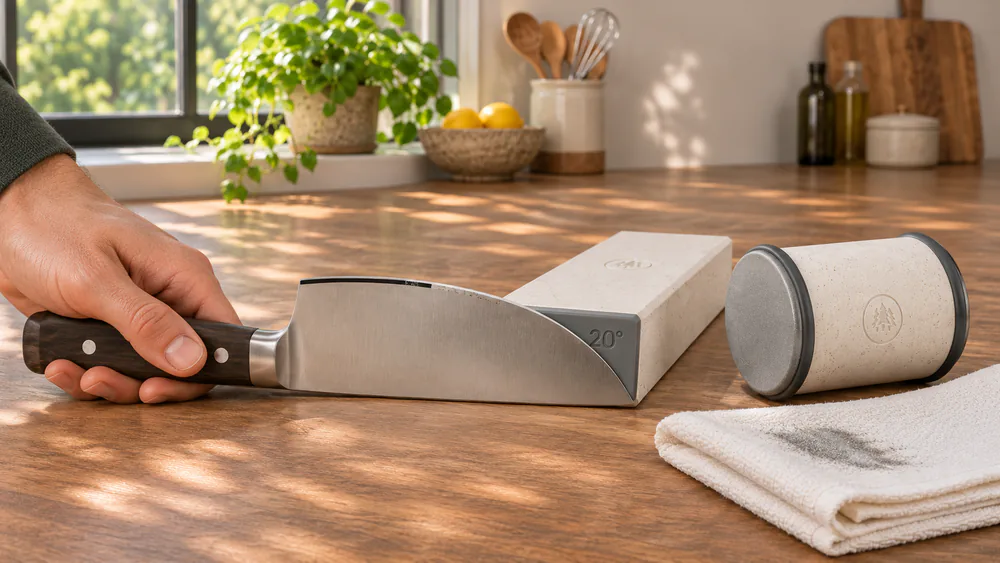
At the prep bench, we marked a dull chef's knife edge with a Sharpie and set the blade on the magnet. We then rolled until the ink vanished and grey dust darkened the towel. That small ritual is why we like this brand. For most home cooks, the HORL 3 Cruise is the model we would buy, because it takes the guesswork out of holding an angle. Our knife sharpener reviews cover the wider field, but this guide sticks to the HORL range.

We rate each model on how it handles Western chef's knives, Japanese steels and the awkward blades in a real drawer, and we say plainly where our evidence for one model is thinner than for another.

Quick Picks: Best HORL Sharpener by Need

RankProductBest forAnglesRatingBuy
1

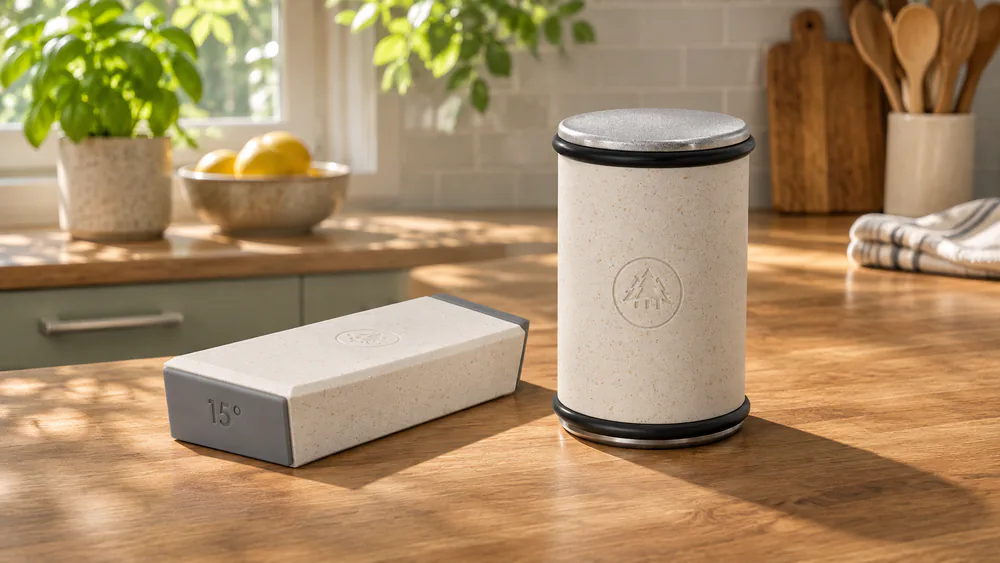
HORL 3 Cruise

Best Overall
Beginners and Western knives15 and 20 degrees4.5View on Amazon
2

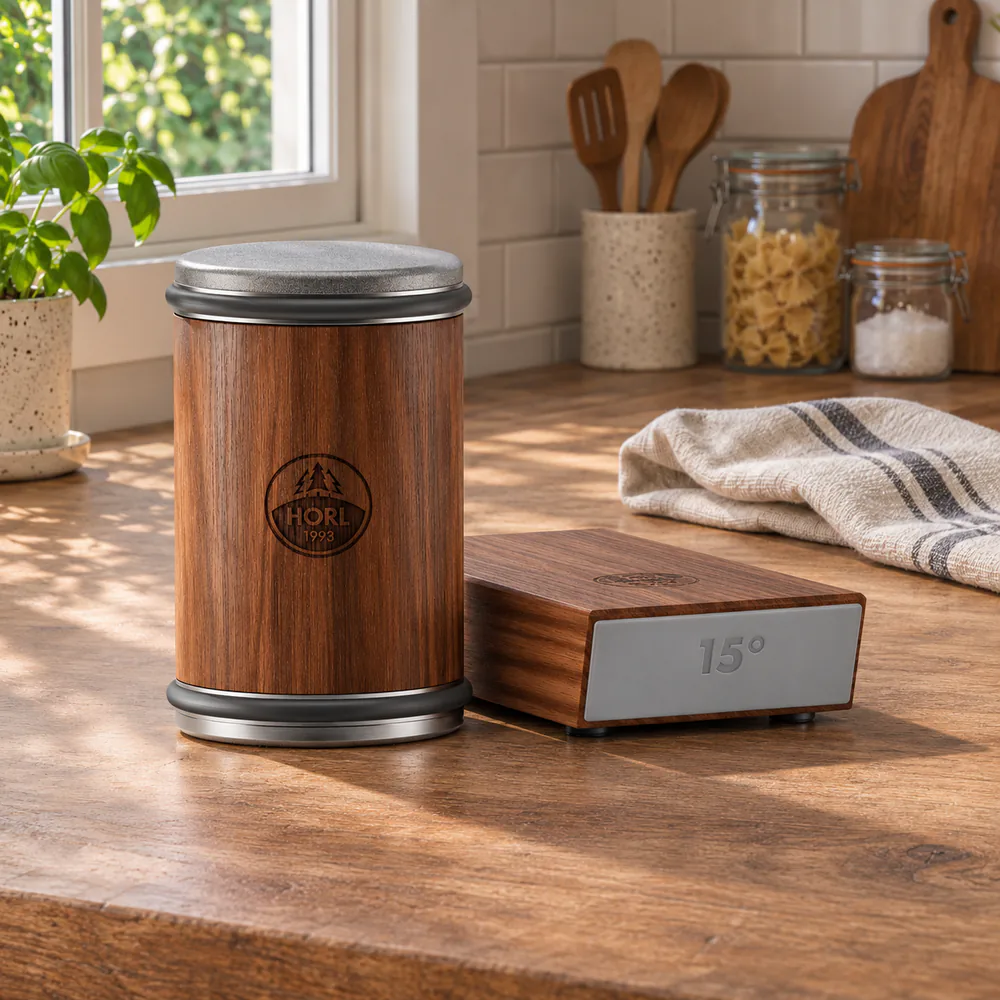
HORL 3

Best Wood Model
Kitchens where design matters15 and 20 degrees4.4View on Amazon
3

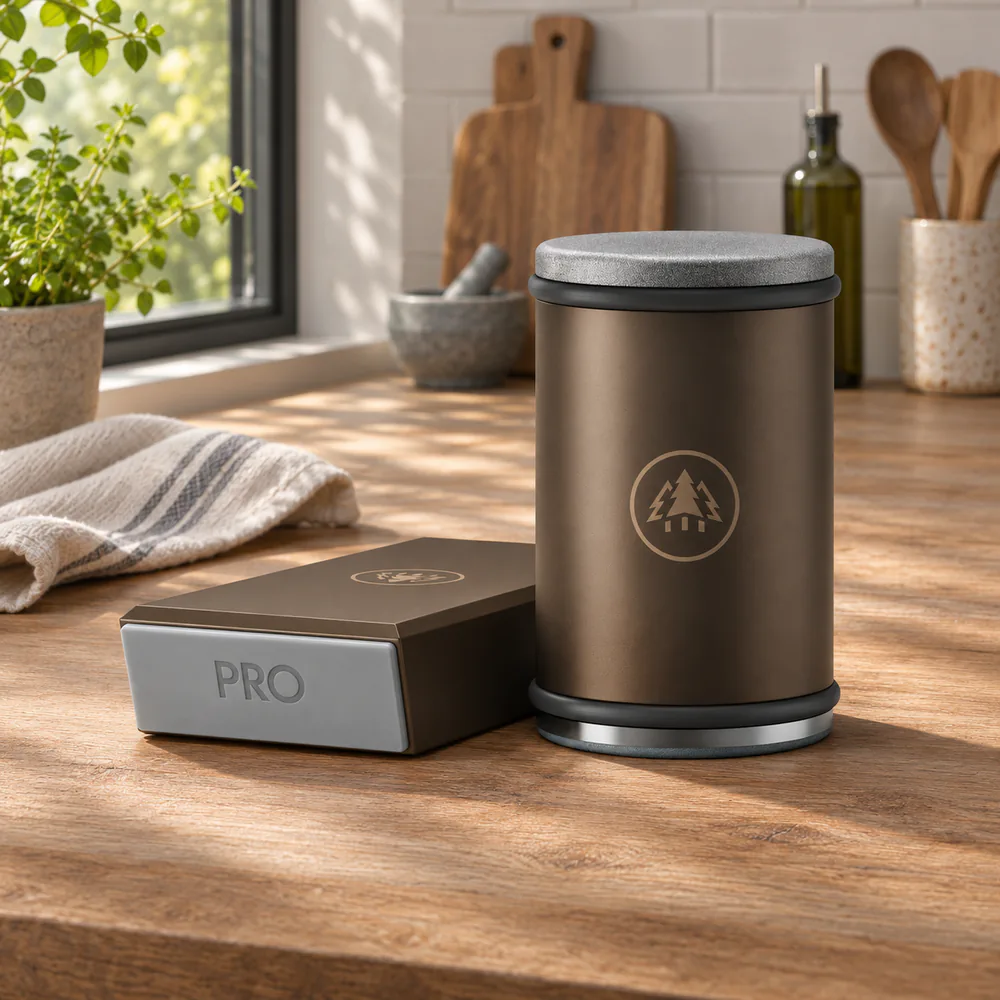
HORL 3 Pro

Best for Japanese Knives
Experienced sharpenersSix angles, 10 to 25 degrees4.3View on Amazon
4

HORL 2

Best Proven Older Design
Cooks who want the classic15 and 20 degrees4.1View on Amazon

We earn a commission if you make a purchase, at no additional cost to you.

See full comparison table

HORL Models Compared at a Glance

All four models work the same way. A magnet holds the knife blade-up at a fixed angle while a disc rolls along the edge, with no water involved. What changes is the angle range, how the discs attach, and what the body is made of.

Comparison table: model, angle options, discs, magnet block, best for

FeatureHORL 2HORL 3HORL 3 CruiseHORL 3 Pro
Sharpening angles15 and 20 degrees15 and 20 degrees15 and 20 degreesSix angles, 10 to 25 degrees
Grinding and honing discs420-grit diamond, 1000-grit ceramic, interchangeableDiamond plus ceramic, interchangeableFixed diamond plus stainless steelDiamond plus ceramic, interchangeable
Magnetic angle block or standMagnetic block, two anglesMagnetic block, two anglesMagnetic block, two anglesAdjustable angle support
Body materialWalnut or oakOak or walnutRecycled plasticAluminum, bronze coat
Best forHome cooks wanting the proven older designHome kitchens where design mattersBeginners and Western knivesExperienced sharpeners, Japanese steels

How We Rate Horl Sharpeners

Before the individual reviews, here is how we score. We judge four things: ease of holding a steady angle, speed of restoring an edge, handling of awkward knives, and build quality. A sharpened knife should pass the printer-paper cut and slice a tomato in one smooth stroke.

A first sharpening on a dull chef's knife takes real work, about 100 passes a side. After that, touch-ups need only a few passes. The Sharpie trick is our check for coverage: mark the edge, and when the ink is gone the whole bevel has been ground.

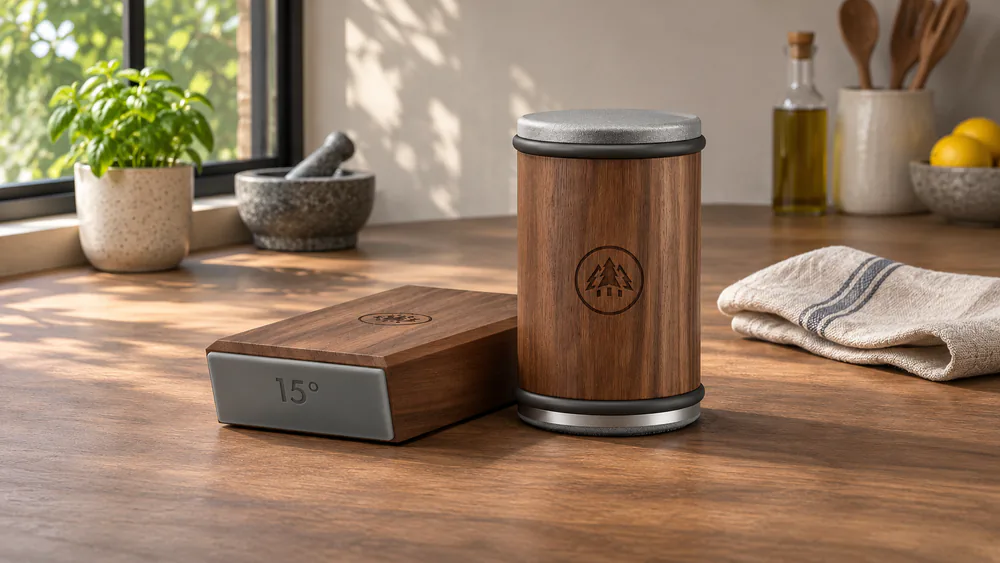
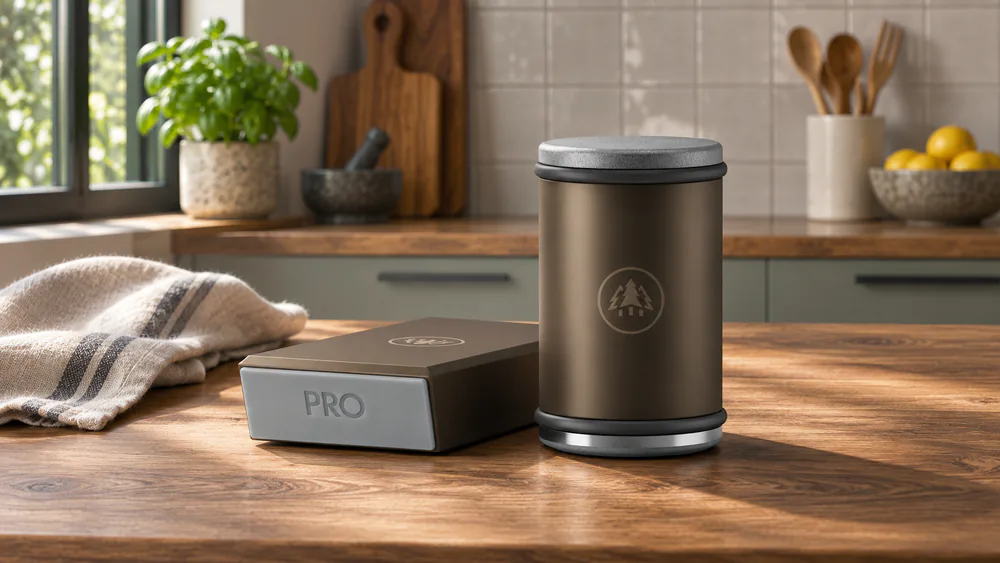
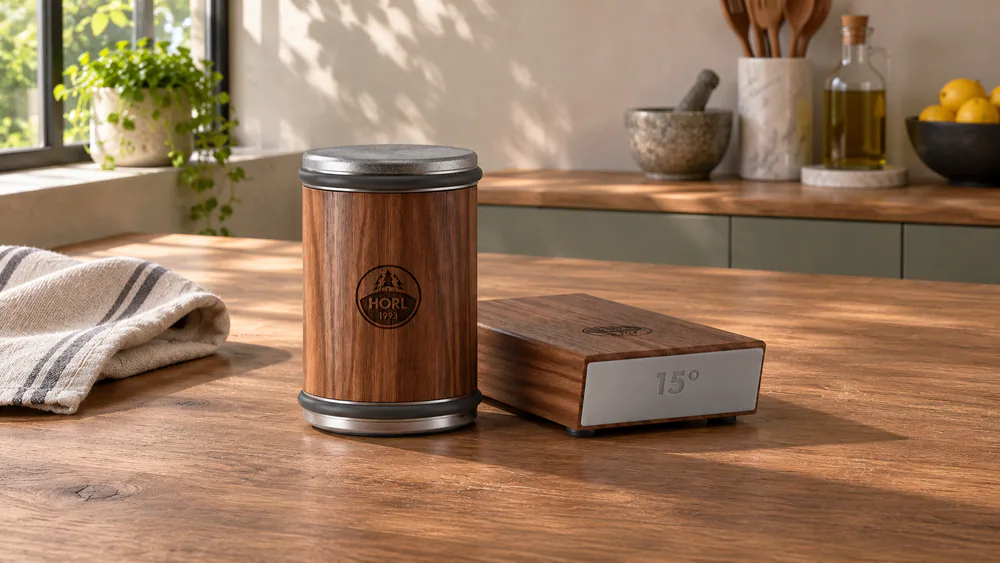
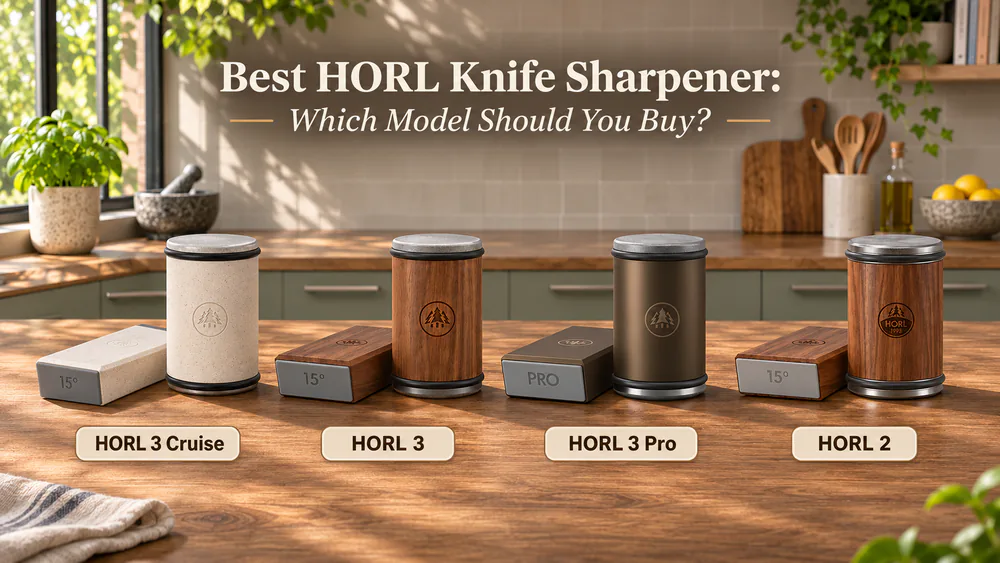
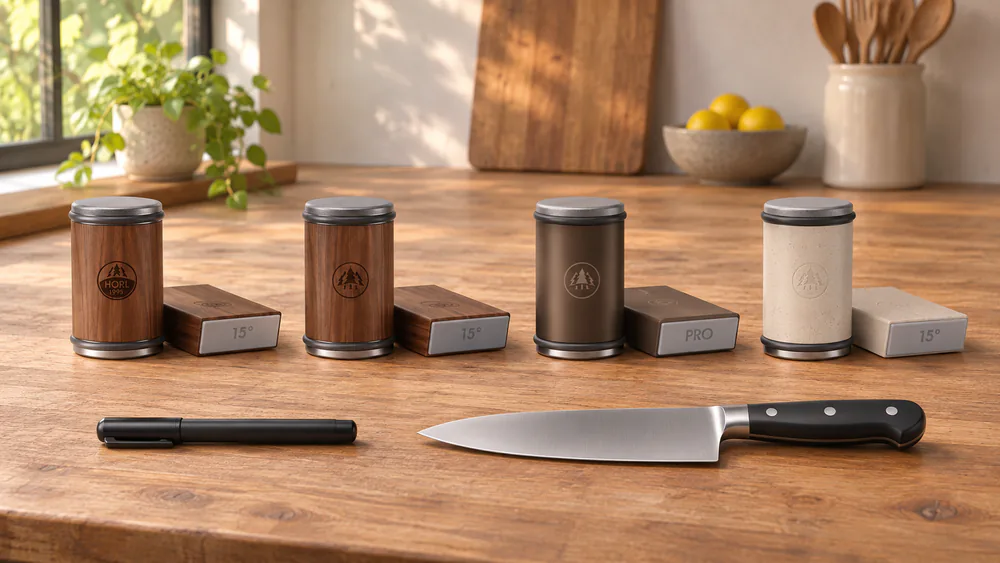
The HORL 2, HORL 3, HORL 3 Pro and HORL 3 Cruise lined up on a wooden prep bench beside a black marker and a chef's knife
The four HORL models this guide covers.

How a rolling sharpener works: magnetic angle and discs

The knife sits blade-up on a magnetic block, which fixes the angle. You roll the cylinder along the edge, so a diamond disc grinds one bevel at a time, then a honing disc smooths it. It is dry grinding, so there is no water or oil. The result is a repeatable angle.

Tip. Mark the edge with a Sharpie before you start. When the ink is gone along the whole bevel, you have ground the full edge, and grey metal dust on the towel confirms a good pass.

HORL 3 Cruise Review

With the method in hand, we start with the model most cooks should consider first.

HORL 3 Cruise
1

HORL 3 Cruise

Best Overall
Check Price on Amazon
4.5/5

The Cruise suits someone who has never sharpened a knife and owns Western chef's knives or softer Japanese steels. Picture the first session: a dull chef's knife, the Sharpie-marked bevel on the 20 degree side of the block, and a first clean edge that takes a while to reach. Then the Sharpie ink starts to vanish from the straight part of the edge, grey dust darkens the towel, and from there keeping that angle is easy. If your knives are thin boning or filet blades, or you want finer grits later, look at a different model.

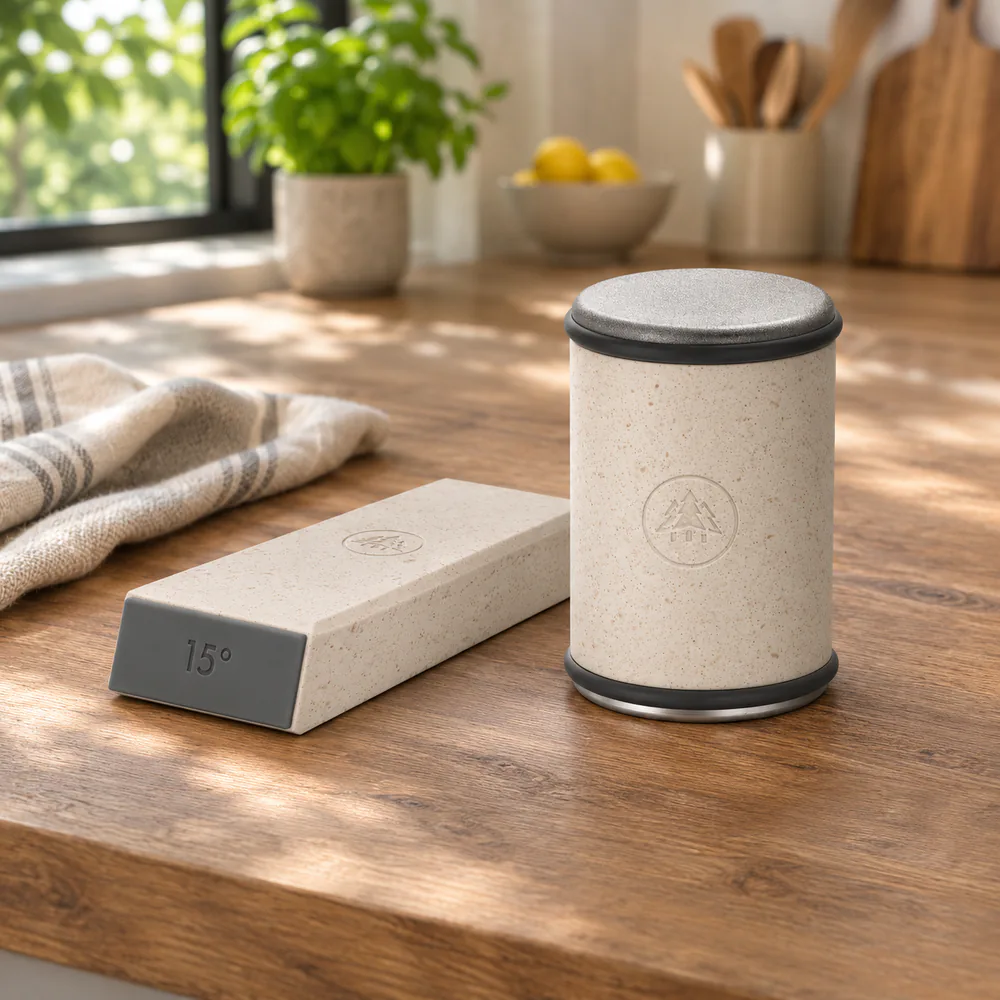
  • Fixed diamond disc on one end, stainless steel honing disc on the other
  • Neodymium magnet grip pad with a 15 degree side and a 20 degree side
  • Body made from recycled ocean-bound plastic

Specifications

Angles
15 and 20 degrees
Grinding disc
HORL Block Diamond, fixed
Honing disc
Stainless steel, fixed
Body
Recycled plastic

Pros

  • Smooth, quiet roll on two rubber rings with no wobble or squeak
  • Diamond surface has up to 80% more abrasion than the HORL 2 disc
  • Holds a steady angle even on a first try, and the magnet pad keeps small knives in place

Cons

  • Discs are fixed, so you cannot add finer grits later
  • The sharpening side can feel too coarse on knives that are only mildly dull
  • Metal dust stains the light plastic body
  • Thin boning and filet knives sit awkwardly on the block

How It Performs

The stainless steel honing disc suits Western knives and softer Japanese steels. For hard, high-carbon Japanese knives, a ceramic disc is the better partner, and the Cruise cannot take one.

A chef's knife blade-up on the HORL 3 Cruise magnet pad with a Sharpie-marked bevel and grey metal dust on a kitchen towel
The marker test shows when the whole bevel has been ground.

HORL 3 and HORL 3 Pro Review

Next in the range, the models that add interchangeable discs and, in the Pro's case, more angles.

HORL 3

HORL 3
2

HORL 3

Best Wood Model
Check Price on Amazon
4.4/5

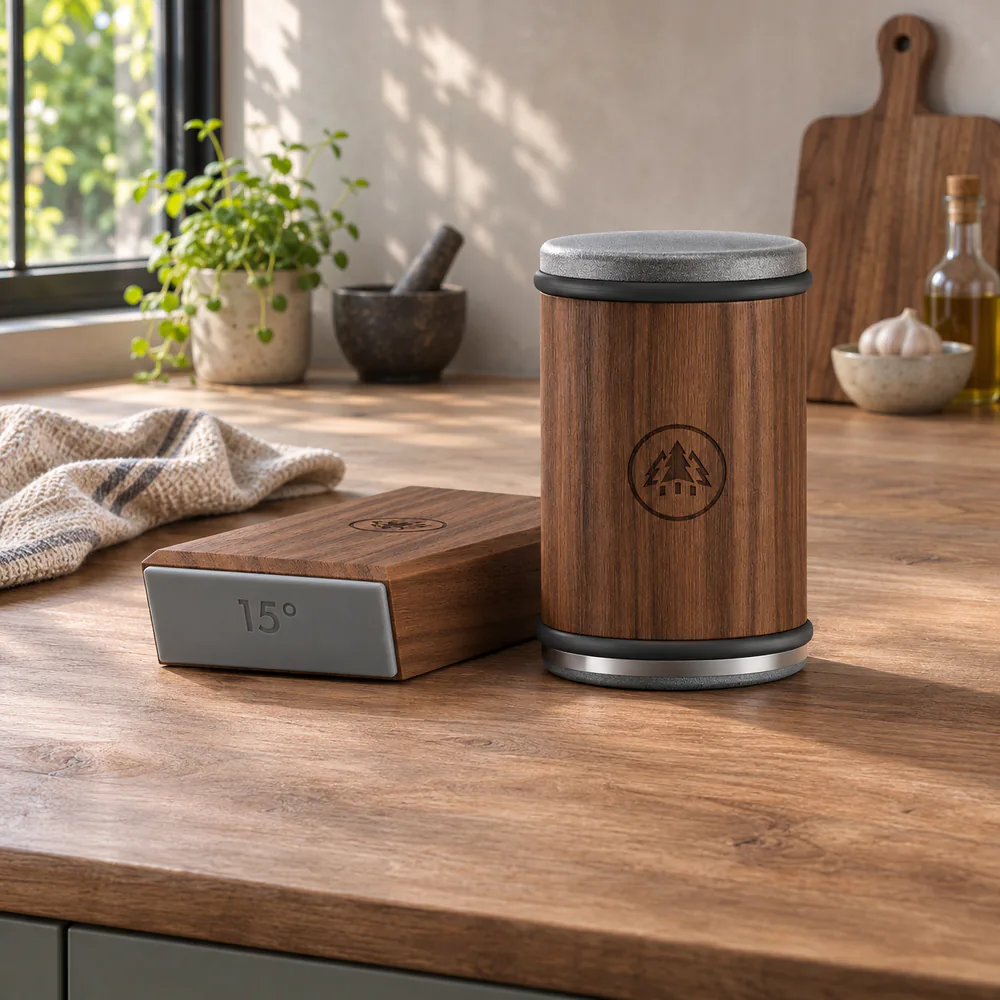
The HORL 3 passed the printer-paper cut and the tomato test on the first attempt, and its compact size and easy setup led us to sharpen knives more often. The oak or walnut body is a cylinder about 2 inches across, small enough for a utensil drawer. Once an edge is set, touch-ups take only a few passes. The interchangeable discs occasionally pop off during use, which we regard as a build-quality concern rather than a safety issue. The fixed 15 and 20 degree angles also frustrate knife enthusiasts.

  • Pre-installed diamond disc plus a ceramic honing disc
  • Twist-and-lock discs, with finer grits up to 6000 sold separately

Specifications

Angles
15 and 20 degrees
Discs
Interchangeable diamond and ceramic
Body
Oak or walnut
Build
Wood cylinder, about 2 inches in diameter

HORL 3 Pro

HORL 3 Pro
3

HORL 3 Pro

Best for Japanese Knives
Check Price on Amazon
4.3/5

The maker says the Pro's internal planetary gear, with its 3:1 ratio, can sharpen up to three times faster. We have not measured that speed ourselves. What we can say is where the extra angles matter. Imagine a Japanese knife that left the factory at 10 to 12 degrees. On a fixed 15 degree block, every sharpening pushes the edge wider than the maker intended. The Pro's adjustable support offers 10, 13, 15, 20, 22 and 25 degrees, so you can stay close to the original geometry. It makes the most sense for someone who already knows what angle they want, and it sits at the top of the range in cost.

  • Six angles via the included adjustable angle support
  • 3:1 planetary gear for faster sharpening
  • Aluminum body with a dark bronze powder coat

Specifications

Angles
10, 13, 15, 20, 22 and 25 degrees
Gear
Internal planetary, 3:1 ratio
Discs
Interchangeable diamond and ceramic
Body
Aluminum

HORL 2 Review: Is the Older Model Still Worth It?

The older design is where our hands-on evidence is deepest.

HORL 2
4

HORL 2

Best Proven Older Design
Check Price on Amazon
4.1/5

The HORL 2 still gives a good-enough edge, comparable to a few heavy-use sessions on a whetstone. It is easier than a guided system or freehand stones for holding an angle, and quieter than a belt sander. Chipped petty and Wusthof santoku edges cleaned up in roughly three to five minutes at 15 and 20 degrees, then sliced tomatoes in one smooth stroke and made paper-thin grape slices. Adding the 3000 and 6000 grit discs takes the edge to the next level of sharpness. Knives with a very tall belly do not fit the roller well, and long chef's knives need the block moved.

  • 420-grit diamond disc and 1000-grit ceramic honing disc
  • Walnut or oak body, made in Germany with precision ball bearings
  • Weighs just over one pound

Specifications

Angles
15 and 20 degrees
Discs
420-grit diamond, 1000-grit ceramic
Body
Walnut or oak
Released
2020, with stronger magnets than the first generation

Limitations: What a HORL Cannot Do

Having run through the four models, the limits that apply to every one of them come next.

Long chef's knives flex away from the disc near the tip because the angle block is only 2.25 inches wide. The fix is to sharpen two-thirds of the blade, then move the block toward the tip. Short steak and paring knives must sit higher on the magnet, or the roller grinds the block instead of the edge. On full-bolster knives the diamond disc can scar the bolster if you roll all the way back, so stop short and go slowly.

Chip repair is slow. On a chipped Zwilling Kramer Damascus chef's knife, about 10 minutes moved the edge from badly rolled to moderately rolled, because the single diamond grit is slow compared with a coarse whetstone. Serrated knives are not what a rolling disc is built for, so we would not use one here.

The edge faces up toward your hand, so keep fingers clear and grip the roller firmly. The silicone pad on the angle block can be nicked by a careless knife; it still works but is not indestructible. If you are new to sharpening, our guide on how to use a knife sharpener covers the basics.

A rolling sharpener does not fix a bad technique. It fixes the angle, and the angle is the hard part.

Which HORL Should You Buy?

Those limits shape who should buy which model, so here is the choice by kitchen.

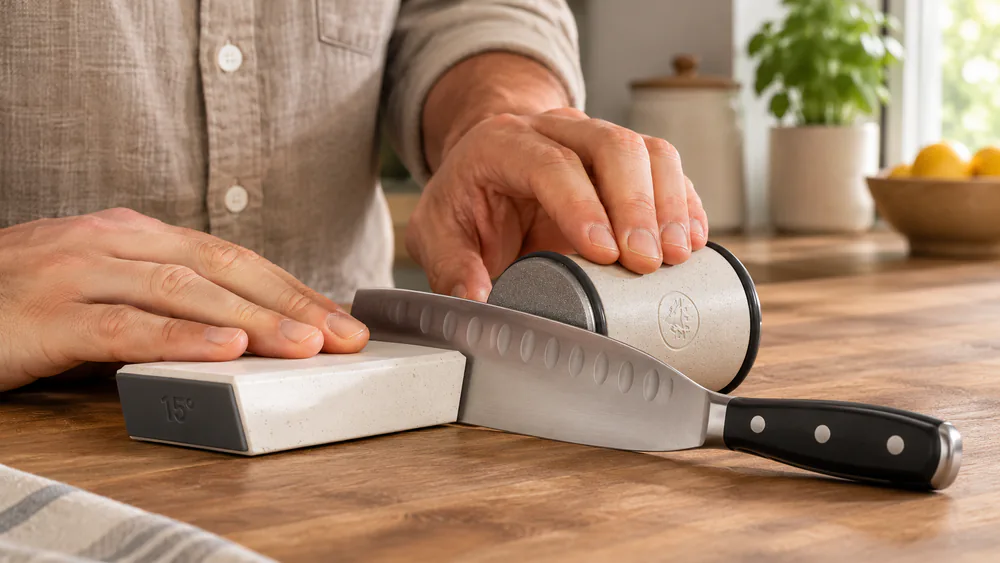
A hand rolling the HORL 3 Cruise along a generic santoku edge held by the magnet, fingers clear of the blade
Keep fingers clear and grip the roller firmly.

Home cooks

If the Cruise is not the right fit, the HORL 3 is the runner-up: choose it when you want a wood body and the option to add finer discs later.

Japanese knife owners

Japanese knives with 10 to 12 degree factory edges are better served by the six-angle HORL 3 Pro. Hard high-carbon steel also does better with a ceramic disc, which the Pro and HORL 3 accept and the Cruise does not.

Gift buyers

The HORL 3 is the easiest to give, because the wood body looks good out of the box. The Cruise suits a friend who has never sharpened anything.

Who should skip a HORL

If your drawer is mostly serrated bread knives, or you want to repair chips quickly, a rolling sharpener is the wrong tool and a coarse whetstone will serve you better.

Is a HORL Worth It? HORL vs Rolling Alternatives and Copycats

With the models sorted, the remaining question is whether a HORL earns its place against rivals and cheaper look-alikes.

For most home cooks, yes. The learning curve is short, the angle is held for you, and a touch-up takes a handful of passes. A HORL is worth it if you will actually use it, and the compact size makes that more likely.

The nearest rival is the Tumbler Original, which also offers 15 and 20 degree angles with a diamond disc and a stainless steel helix honing disc. It is the cheaper option, though it rolls less freely than the HORL 2 and is made in China. It struggles with small knives because they cannot sit high enough on the block, and its single non-replaceable disc wears out after roughly six months of occasional use. See our Tumbler sharpener guide. The Work Sharp Rolling Knife Sharpener offers four angles (15, 17, 20 and 25 degrees), 320, 600 and fine ceramic discs and a 3-year warranty, which makes it the one rival we would weigh seriously; see our Work Sharp roundup. We cover the Ninja and Chef’sChoice ranges separately.

Copycats are where we would not save money. Budget copies have weak magnets that let the knife slip off, which is dangerous, and discs that unscrew themselves mid-roll. Look-alike rollers brake and squeak after three to six uses, while a HORL keeps spinning smoothly for seconds off the surface.

FAQs

How often should I use it?

We tie it to how the knife cuts, not a calendar. When it stops slicing a tomato in one smooth stroke, give it a handful of touch-up passes.

How do I clean up the grey metal dust?

Wipe the towel or the knife and treat the dust as proof the diamond disc is working. On the Cruise, the dust stains the light plastic body and does not wipe off, so it reads as patina rather than dirt.

Can I replace the discs when they wear?

It depends on the model. The Cruise has fixed discs, so you cannot swap them. The HORL 3 and HORL 2 take interchangeable discs, including finer 3000 and 6000 grit options sold separately.

What if the knife slips off the magnet?

Stop, set the knife down, and check that it sits high enough on the pad. The edge faces up toward your hand, so keep fingers clear and never try to catch a falling blade. We cannot vouch for every magnet, which is why we avoid weak look-alikes.

Can it sharpen serrated knives?

We would not try it. A rolling disc is built for straight edges, and we have no reason to trust it on serrations.

Final Verdict

Beyond the top pick, two nuances matter. The HORL 3 Pro earns its place only if you already know your target angle, and the HORL 3 and HORL 2 suit cooks who want wood and finer grits. Whichever you choose, expect the first sharpening to be the hardest one you will do.

Read next

Ready to upgrade your kitchen?

Pick the HORL that fits your knives and keep every edge sharp.