
Recipes
How Long Do Hawaiian Rolls Last Unopened

As an Amazon Associate we earn from qualifying purchases. We may earn a commission from links on this page, at no extra cost to you. Learn more.
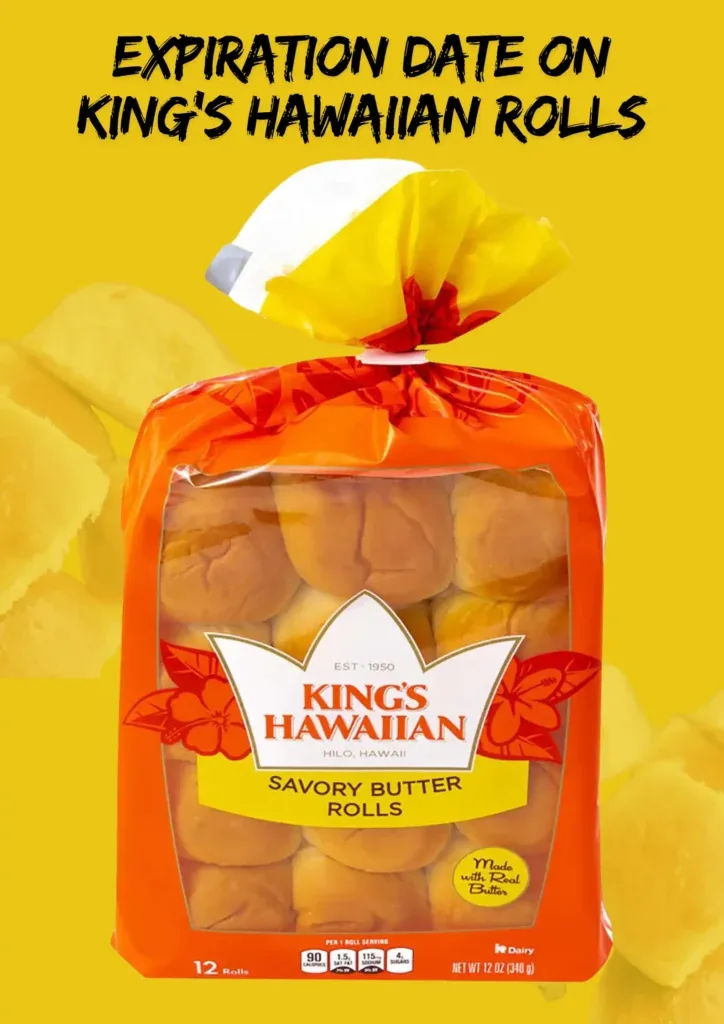
Unopened Hawaiian rolls last 10 to 14 days at room temperature, up to one month in the refrigerator, and two to three months in the freezer. Shelf life depends less on the printed date and more on how and where the bag is stored.
We have tested bulk packs firsthand. One key finding: the refrigerator's 33 to 40 degree range accelerates starch retrogradation, making rolls stale faster than a cool pantry.
That said, the store pull-date sticker is often missing or inaccurate. Your senses are a more reliable freshness check than any printed label.
Quick Answer: How Long Do Unopened Hawaiian Rolls Last?
Unopened Hawaiian rolls last 10 to 14 days at room temperature. You can stretch that to one month in the fridge and two to three months in the freezer.
Here is the simple shelf life chart:
| Storage Method | How Long They Last |
|---|---|
| Room Temperature (pantry) | 10 to 14 days |
| Refrigerator | Up to 1 month |
| Freezer | 2 to 3 months |
The pillowy-soft crumb and light sweetness you love come from a high-sugar, high-fat enriched dough. That same richness is what gives these rolls a longer 14-day freshness window than a plain baguette or lean sourdough.
Takeaway: Unopened Hawaiian rolls are good for 10 to 14 days on the counter. Freeze them early if you bought a big pack.
Can You Eat Them Right Now? (Fast Decision Guide)
We know you do not want a science lecture. You want a yes or a no. Here is your fast decision guide.
If ALL of These Are True, They Are Safe to Eat
- No visible mold spots (any color, any size)
- Smells mildly sweet, not sour or musty
- Texture feels soft, not sticky or slimy
If ANY of These Are True, Throw the Whole Bag Away
- Mold is present, even one tiny spot
- Smell is sour, fermented, or "off"
- Surface feels sticky, slimy, or damp inside the bag
Gray Zone: Use Judgment Here
Ate them 7 to 10 days past the date? Check all three signals above carefully. More than two weeks past date at room temp? That is a high risk. High humidity in your home? Your window is shorter than 14 days.
Takeaway: Always check by sight, smell, and touch. The printed date is a guide, not a guarantee.
Best-By Date vs. Expiration Date (The Critical Truth)
Here is something most blogs will never tell you. We learned this from talking to retail employees at Publix, Costco, and Sam's Club.
King's Hawaiian rolls and most other slider buns are often shipped to stores in a frozen state. When a store moves a bag from the back freezer to the sales floor, a 14-day countdown begins. That countdown is tracked by a small sticker the store adds manually.
Here is where it gets tricky. The alphanumeric code printed directly on the polypropylene bag by the factory is an internal tracking number. It is not a consumer-facing expiration date. It is a code for the production facility. King's Hawaiian confirms this directly on their official FAQ page, stating that the packaging code is an internal code and that the best-by date is applied separately by the retailer.
If the orange or white sticker is missing from your bag, you have no easy way to know what "day" the roll is on. During busy seasons or high-demand periods, stores sometimes run out of time to apply that sticker.
Exclusive Insight: The One Habit That Changes Everything
From our own testing: write your purchase date on the bag in permanent marker the moment you get home.
The store sticker is applied manually by retail staff. It is frequently missing, smudged, or placed on the wrong bag during high-volume periods. Your handwritten date is the only date you can fully trust.
This single habit takes three seconds. It has saved us from serving bad rolls and from throwing out perfectly good ones. It is the one tip we give every bulk buyer without exception.
Takeaway: The code on the bag is a factory code, not your expiration date. The store sticker is what matters.
Why Do Hawaiian Rolls Last Longer Than Regular Bread?
This is where the enriched dough chemistry gets interesting. We promise to keep it simple.
Standard white bread has a shelf life of just 5 to 7 days. Artisan sourdough goes stale in 2 to 4 days. Hawaiian sweet rolls, made famous by Robert R. Taira in Hilo, Hawaii during the 1950s, last almost twice as long. Why?
Sugar acts as a humectant. It grabs onto water molecules and holds them inside the dough. This slows down the staling process (scientists call it starch retrogradation or amylopectin recrystallization). Simply put, sugar keeps the bread soft.
King's Hawaiian also uses ingredients like potato flour, pineapple juice, ascorbic acid, sodium stearoyl lactylate, whey, and soy flour. Calcium propionate, a common preservative found in enriched flour products, further slows mold growth. The packaging itself uses Modified Atmosphere Packaging (MAP) technology with EVOH barrier layers to block oxygen, which is the main trigger for fungal spoilage. If you are curious how flour type affects softness and longevity in other baked products, our hands-on comparison of Pillsbury vs Aashirvaad Atta shows exactly how protein content and milling style change texture and shelf life in real-world baking.
Here is a quick comparison so you can see the difference:
| Bread Type | Key Ingredients | Shelf Life Unopened |
|---|---|---|
| Hawaiian Sweet Rolls | High sugar, fat, dairy | 10 to 14 days |
| Standard White Bread | Low sugar, minimal fat | 5 to 7 days |
| Artisan Sourdough | None (lean dough) | 2 to 4 days |
| Hero Bread (Specialty) | High fiber, modified starches | 5 to 10 days |
Takeaway: The sugar and fat in Hawaiian rolls are the secret to their longer shelf life.
Store-Bought vs. Homemade Hawaiian Rolls: Key Differences
People ask us all the time if homemade Hawaiian rolls are just as good. The answer depends on what you value.
Store-bought rolls from King's Hawaiian or Great Value use calcium propionate, ascorbic acid, and sodium stearoyl lactylate. These dough conditioners slow mold growth and maintain the soft and fluffy texture longer. The ready-to-eat status, kosher certification, and no high fructose corn syrup formula make them a consistent, shelf-stable choice.
Homemade rolls use real butter and eggs with no added preservatives. They taste incredible on day one. But they go stale in 2 to 3 days at room temperature and mold within 4 to 5 days. There is no contest on longevity.
If you want slider versatility for a party or meal prep, store-bought wins every time. And if you are planning a spread with multiple bread-based dishes, it is worth knowing the difference between your options. Our breakdown of calzone vs stromboli covers exactly how different filled bread products compare, so you can round out your party menu confidently.
Takeaway: Homemade beats store-bought on taste. Store-bought wins on shelf life and convenience.
Shelf Life by Storage Method: Full Breakdown
Follow this simple storage system and your rolls will stay fresh every single time.
Room Temperature Storage (Most Common)
- Keep in a cool, dark pantry or cabinet
- Store away from the stove, dishwasher, and direct sunlight
- Do not store near heat-generating appliances
- Use within 10 to 14 days of the store pull date
If you are setting up your kitchen for smarter food storage, our guide to essential kitchen appliances every home needs covers the tools that make this kind of daily organization much easier.
Refrigeration: Extended Safety for Humid Climates
This is the most argued topic in every bread forum we have ever been part of. Here is the honest answer. Refrigeration slows mold growth. But it also speeds up staling. The fridge temperature range (33 to 40 degrees Fahrenheit) is the sweet spot for starch recrystallization. Your rolls will get firm and dry faster in the fridge than on the counter.
That said, if you live in Florida or any hot, humid coastal area, refrigeration may be your only option. Moisture migration inside the sealed bag happens fast in humid climates. Free water collecting on the interior plastic creates the perfect environment for mold to appear in under 48 hours. If you are thinking about upgrading to a larger fridge to handle bulk grocery buying, our guide on how much a refrigerator weighs by type and size can help you plan for delivery and placement before you buy.
Our advice: If your kitchen is cool and dry, keep them in a dark pantry. If you live somewhere humid, refrigerate and plan to reheat before serving. And if your fridge itself is working hard to maintain safe temperatures, it is worth checking that your refrigerator water filter is clean and flowing properly since a struggling appliance can affect internal temperature consistency.
Takeaway: The fridge extends safety but hurts texture. Freeze if you want the best of both worlds.
Freezing: Maximum Longevity for Bulk Buyers
- Place the entire unopened bag into a freezer-safe bag
- Remove as much air as possible before sealing
- Label the bag with today's date
- Rolls stay at peak quality for 2 to 3 months
- Thaw overnight in the fridge or for 1 to 2 hours on the counter
The USDA-backed FoodKeeper App from FoodSafety.gov is a free tool that gives science-based storage timelines for over 400 food items, including bread products. It is worth bookmarking for any bulk grocery buyer.
The Steam Revival Method: Rescue Stale Rolls
Stale does not have to mean garbage. Here is the steam-injection method we use in our own kitchen.
- Preheat your oven to 300 degrees Fahrenheit
- Place a small pan of water on the bottom rack
- Lightly brush the tops of the rolls with melted savory butter
- Place rolls on the original ovenable tray (remove the plastic)
- Heat for 5 to 7 minutes
The steam re-softens the starch structure. Your rolls come out tasting almost fresh. This works far better than microwave reheating instructions, which usually create a rubbery texture from uneven moisture. If you use your oven regularly for gentle heat techniques like this, you might also enjoy our guide on how to ripen bananas in the oven, which uses a similar low-heat approach to transform texture quickly.
For those who prefer a faster reheat without turning on the full oven, a countertop air fryer on the reheat setting works surprisingly well. Our in-depth Ninja Air Fryer Pro 4-in-1 review covers exactly how well the reheat mode performs on soft bread products.
Takeaway: The oven steam method is the best way to rescue stale rolls. The microwave is a last resort.
How to Tell If Unopened Hawaiian Rolls Have Gone Bad
You do not need a lab to check freshness. You need three seconds and your senses.
- Mold spots (green, black, or white fuzzy patches anywhere on the roll)
- Sour, fermented, or musty smell when you open the bag
- Sticky or slimy surface on the crust
- Excess condensation pooled inside the sealed bag
If you see any one of these signals, toss the whole bag. Do not pick out the "good" ones. Mold spreads through the crumb invisibly before it appears on the surface.
Takeaway: Check sight, smell, and touch. One bad sign means the whole bag goes.
Reality Check: Common Myths That Mislead Buyers
We have heard these three myths repeated so many times. They sound logical. They are wrong.
Myth 1: "Unopened Always Means Safe"
A sealed bag does not mean a safe bag. The packaging traps moisture inside. If the bag was exposed to heat or sunlight during shipping, condensation forms on the interior plastic. That free water is exactly what mold needs to grow. We have opened "sealed" bags that were already spotted with mold because of poor thermal management during transport.
Myth 2: "The Date Is the Final Deadline"
The best-by date marks peak quality, not a safety cutoff. Shelf stability depends far more on your storage conditions than on a printed number. A bag stored in a cool, dark pantry can outlast its date. A bag left on a sunny counter may go bad before it.
Myth 3: "The Fridge Keeps Bread Fresh Longer"
Refrigeration slows mold growth. It also accelerates the staling process through amylopectin recrystallization. The fridge is the worst place for texture. Use it only when humidity makes room temperature storage risky.
Takeaway: Do not trust the seal, the date, or the fridge to do all the work. Your senses are your best tool.
What Happens If You Eat Expired Hawaiian Rolls?
No mold and just a little staleness? You are most likely fine. Staling is a texture issue, not a safety issue.
Mold is a different story. Never cut mold off bread and eat the rest. Mold spreads invisibly through the soft crumb of a yeast-leavened roll long before you can see it on the surface. Toss the entire bag. The USDA's Food Safety and Inspection Service reinforces this in their safe food handling guidelines: when in doubt, throw it out.
People with weaker immune systems, young children, and elderly family members face higher risk from consuming moldy bread. When in doubt, it is always better to throw it out.
Takeaway: Stale but mold-free is usually safe. Any mold means the whole bag goes in the trash.
FAQ: Featured Snippet Optimized Answers
How long do Hawaiian rolls last past the best-by date?
About 5 to 7 days past the date if stored properly at room temperature. Always run the sight, smell, and touch check first.
Can you freeze Hawaiian rolls before opening?
Yes. Place the sealed bag inside a freezer-safe bag and freeze for up to 3 months. This is the best strategy for Costco and Sam's Club party packs. If you are scaling up a slider recipe to feed a crowd, our free recipe scaling calculator can help you work out exact quantities before you buy.
Do Hawaiian rolls need to be refrigerated?
No, but refrigeration helps in hot and humid climates. Expect faster staling if you use the fridge.
Why are my rolls moldy before the date?
Temperature fluctuations during shipping or storage cause moisture to condense inside the bag. This free water triggers mold growth before the date. Check for tiny air leaks in the seal.
Are Hawaiian rolls the same as sweet dinner rolls or slider buns?
Yes. Hawaiian sweet rolls, pull-apart bread, and slider buns are all names for the same product type. The King's Hawaiian brand is the most recognized, and its ready-to-eat status, kosher certification, no high fructose corn syrup recipe, and real butter and eggs formula set it apart from Great Value or store-brand versions.
Final Verdict: Safe to Eat or Toss?
Unopened Hawaiian rolls last 10 to 14 days at room temperature. Refrigerate them for up to one month in humid climates. Freeze them for up to three months if you buy in bulk.
Write your purchase date on the bag. Store in a cool, dark place away from heat. Freeze early if you know you will not use the whole pack. And always check for mold, smell, and texture before serving.
You do not need to guess anymore. You have the full picture now.
If your unopened rolls look clean, smell sweet, and feel soft, they are ready to serve. When in doubt, throw it out.
Read next
Ready to upgrade your kitchen?
From weeknight dinners to the gear that makes them easier, our recipes and tested picks help you cook with more confidence.